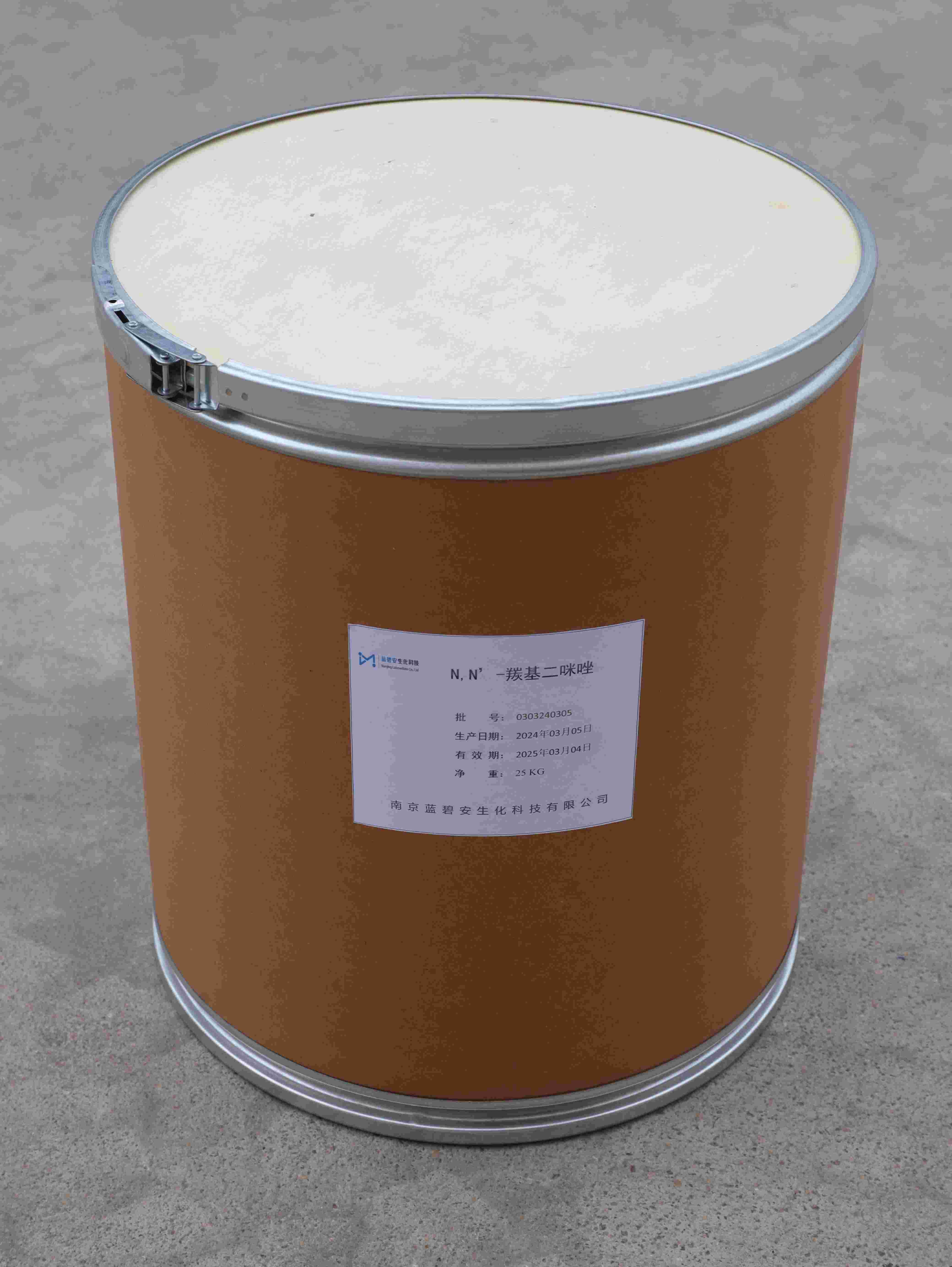
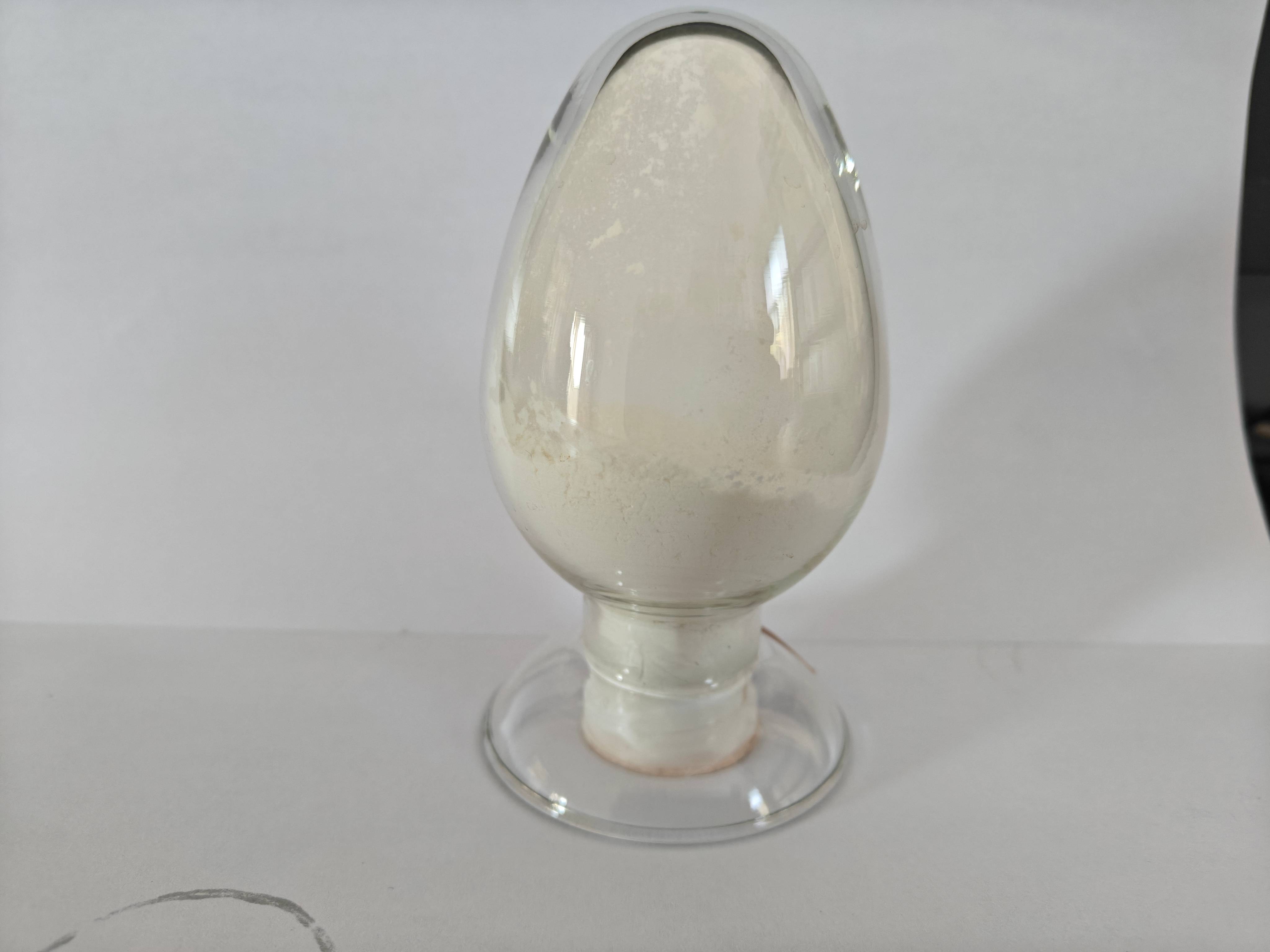
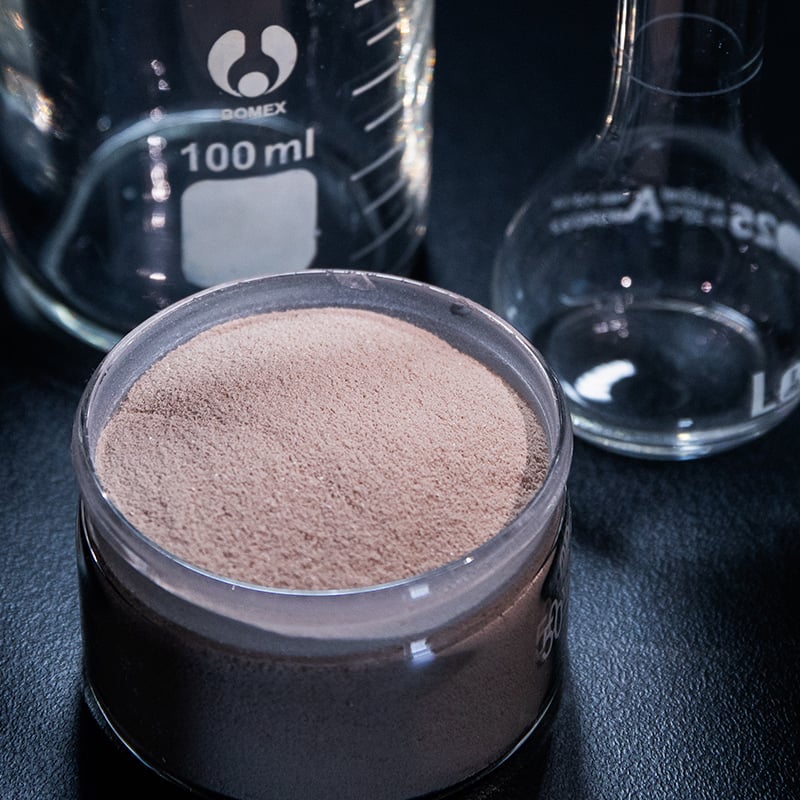
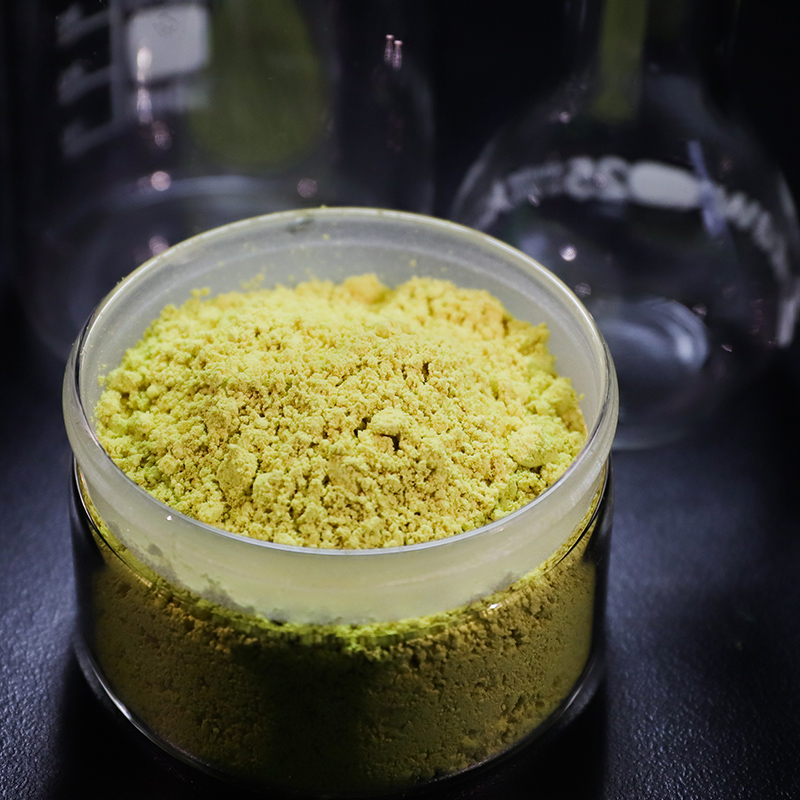
CAS530-62-1 Imidazole Derivative Synthesis Guide

All Categories

cas530-62-1 imidazole derivative synthesis

The cas530-62-1 imidazole derivative synthesis represents a crucial chemical process for producing 2-methylimidazole, a heterocyclic compound widely utilized across pharmaceutical, agricultural, and industrial sectors. This synthesis pathway involves precise reaction conditions that enable efficient production of high-purity imidazole derivatives through controlled methodologies. The cas530-62-1 imidazole derivative synthesis employs strategic chemical transformations, typically involving ammonia, glyoxal, and acetaldehyde as primary reactants under catalytic environments. The technological framework supports scalable manufacturing while maintaining consistent product quality and molecular integrity. This compound serves essential functions as an intermediate in pharmaceutical synthesis, particularly for producing antihistamines, antifungal agents, and cardiovascular medications. Beyond medicinal chemistry, the cas530-62-1 imidazole derivative synthesis enables production of materials used in epoxy curing agents, corrosion inhibitors, and polymer stabilizers. The synthesis process incorporates temperature-controlled reactions, pH optimization, and purification stages that ensure regulatory compliance and performance specifications. Modern synthesis approaches emphasize sustainability through waste reduction, energy efficiency, and solvent recovery systems. The versatility of this imidazole derivative makes it valuable for research institutions, contract manufacturing organizations, and specialty chemical producers. Understanding the cas530-62-1 imidazole derivative synthesis provides manufacturers with competitive advantages in delivering consistent, high-quality intermediates that meet stringent industry standards across multiple application domains.

New Product Releases

Implementing the cas530-62-1 imidazole derivative synthesis delivers substantial operational and economic benefits for manufacturers and end-users alike. The synthesis pathway offers exceptional yield efficiency, typically achieving conversion rates above 85 percent under optimized conditions, which directly translates to reduced raw material costs and improved production economics. This efficiency advantage makes the process particularly attractive for large-scale commercial operations seeking to maximize return on investment. The reaction conditions employed in cas530-62-1 imidazole derivative synthesis are relatively mild compared to alternative heterocyclic synthesis routes, requiring moderate temperatures and pressures that minimize energy consumption and equipment wear. This operational simplicity reduces maintenance requirements and extends facility lifespans, lowering total cost of ownership. The resulting product demonstrates excellent purity profiles, often exceeding 99 percent after standard purification procedures, which eliminates costly additional refinement steps and ensures downstream application performance. For pharmaceutical manufacturers, this purity advantage is critical for meeting regulatory requirements and maintaining consistent drug product quality. The cas530-62-1 imidazole derivative synthesis also provides remarkable flexibility in scale-up operations, transitioning smoothly from laboratory batches to multi-ton industrial production without significant process modifications. This scalability reduces development timelines and accelerates market entry for new applications. The compound's chemical stability during synthesis and storage minimizes degradation losses and extends shelf life, providing logistical advantages throughout the supply chain. Additionally, the synthesis process generates minimal hazardous byproducts, simplifying waste management protocols and reducing environmental compliance costs. These combined advantages position cas530-62-1 imidazole derivative synthesis as a strategically valuable process for organizations prioritizing operational excellence, cost control, and sustainable manufacturing practices.

Tips And Tricks

What scale-up challenges arise with CDI amide bond processes

07

Jan

What scale-up challenges arise with CDI amide bond processes

Chemical synthesis of amide bonds represents one of the most fundamental reactions in pharmaceutical and industrial chemistry, with carbonyldiimidazole (CDI) serving as a highly effective coupling reagent. The formation of cdi amide bonds through CDI...
View More
How Can Selecting the Right Curing Agent for Epoxy Resins Improve Yield?

12

Feb

How Can Selecting the Right Curing Agent for Epoxy Resins Improve Yield?

The selection of an appropriate curing agent for epoxy resins represents one of the most critical decisions in industrial manufacturing processes, directly impacting product quality, processing efficiency, and overall production yield. Industrial man...
View More
How Do Curing Agents Influence Thermal and Mechanical Properties in Epoxy Resins?

12

Feb

How Do Curing Agents Influence Thermal and Mechanical Properties in Epoxy Resins?

Epoxy resins have become indispensable materials across aerospace, automotive, electronics, and construction industries due to their exceptional adhesive properties, chemical resistance, and mechanical strength. However, the performance characteristi...
View More
Why Are Thermally Latent Catalysts Preferred by Leading EMC Producers?

05

Mar

Why Are Thermally Latent Catalysts Preferred by Leading EMC Producers?

Electronic manufacturing companies worldwide have increasingly turned to advanced chemical solutions to optimize their production processes and enhance product reliability. Among these innovative solutions, thermally latent catalysts have emerged as ...
View More

Get a Free Quote

Our representative will contact you soon.
Email
Name
Company Name
Message
0/1000

cas530-62-1 imidazole derivative synthesis

Superior Reaction Efficiency and Product Quality

Superior Reaction Efficiency and Product Quality

The cas530-62-1 imidazole derivative synthesis demonstrates remarkable reaction efficiency that sets it apart from conventional heterocyclic compound production methods. This synthesis route achieves high conversion rates through carefully optimized reaction parameters, including precise temperature control, catalyst selection, and reactant stoichiometry. The process minimizes formation of undesired isomers and side products, resulting in cleaner reaction profiles that simplify downstream purification. This efficiency directly impacts manufacturing economics by reducing raw material waste and shortening production cycles. The resulting 2-methylimidazole exhibits exceptional chemical purity with minimal residual impurities, making it suitable for demanding pharmaceutical applications where trace contaminants could compromise drug efficacy or safety. Quality consistency across production batches ensures reliable performance in formulation development and reduces the need for extensive incoming quality control testing. For industrial users, this reliability translates to predictable process outcomes and reduced risk of production disruptions. The synthesis methodology incorporates proven quality control checkpoints throughout the reaction sequence, enabling real-time monitoring and adjustment to maintain optimal conditions and product specifications consistently.
Versatile Applications Across Multiple Industries

Versatile Applications Across Multiple Industries

Products from cas530-62-1 imidazole derivative synthesis serve critical functions across diverse industrial sectors, demonstrating exceptional versatility that maximizes market value. In pharmaceutical manufacturing, this imidazole derivative functions as a key building block for synthesizing antihistamines, antifungal medications, and cardiovascular therapeutics, where its unique chemical structure enables specific biological activity. The compound's basicity and coordination chemistry make it invaluable in epoxy resin formulations, where it acts as an efficient curing agent that accelerates polymerization while improving mechanical properties of finished materials. Corrosion inhibitor applications leverage the compound's ability to form protective films on metal surfaces, extending equipment service life in industrial environments. Agricultural chemical manufacturers utilize this intermediate for producing fungicides and plant growth regulators that enhance crop yields and food security. The cas530-62-1 imidazole derivative synthesis enables production of photographic chemicals, textile treatment agents, and electronic materials, demonstrating remarkable adaptability to specialized technical requirements. This multi-industry applicability provides manufacturers with diversified revenue opportunities and reduces dependence on single-market fluctuations, enhancing business resilience and long-term sustainability in competitive global markets.
Environmentally Conscious and Economically Sustainable Process

Environmentally Conscious and Economically Sustainable Process

The cas530-62-1 imidazole derivative synthesis incorporates environmentally responsible practices that align with modern sustainability expectations while maintaining economic viability. The reaction pathway generates minimal hazardous waste compared to alternative synthesis routes, reducing disposal costs and environmental compliance burdens. Process designers have optimized solvent selection to favor recoverable and recyclable options, enabling closed-loop systems that minimize resource consumption and operational expenses. Energy requirements remain moderate throughout the synthesis sequence, contributing to lower carbon footprints and reduced utility costs that improve overall profitability. The synthesis methodology avoids use of heavy metal catalysts or highly toxic reagents that pose handling risks and regulatory challenges, simplifying safety protocols and worker protection requirements. Waste stream compositions typically contain biodegradable organic compounds that facilitate treatment through conventional biological methods rather than requiring specialized disposal infrastructure. This environmental profile helps manufacturers meet increasingly stringent sustainability reporting requirements and corporate responsibility objectives. The economic sustainability of cas530-62-1 imidazole derivative synthesis stems from its efficient use of readily available starting materials, stable process conditions that minimize equipment failures, and high-value product outputs that command favorable market pricing across multiple application sectors.

Get a Free Quote

Our representative will contact you soon.
Email
Name
Company Name
Message
0/1000