CAS530-62-1 CDI Coupling Reagent Guide

All Categories

cas530-62-1 cdi coupling reagent

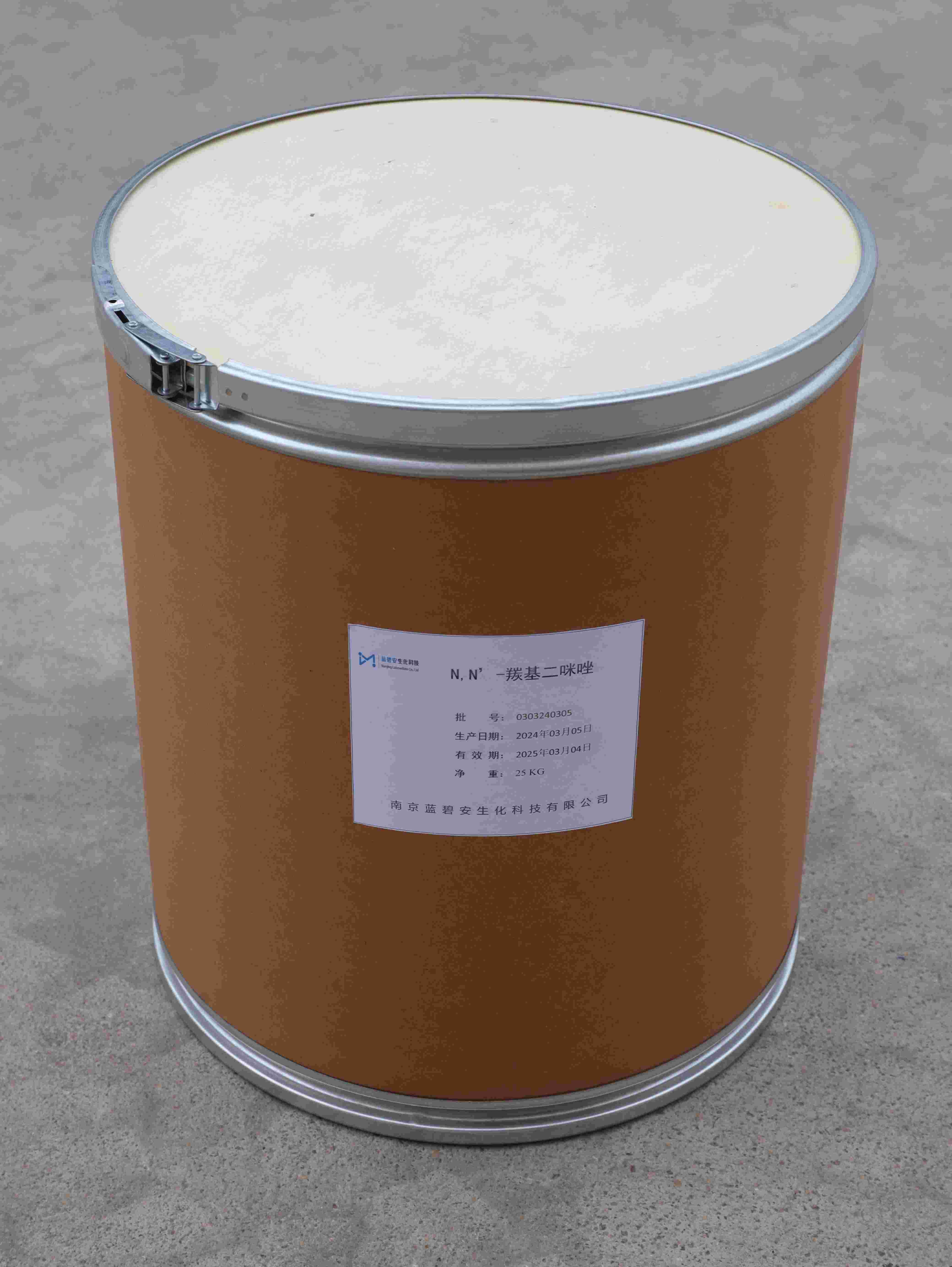
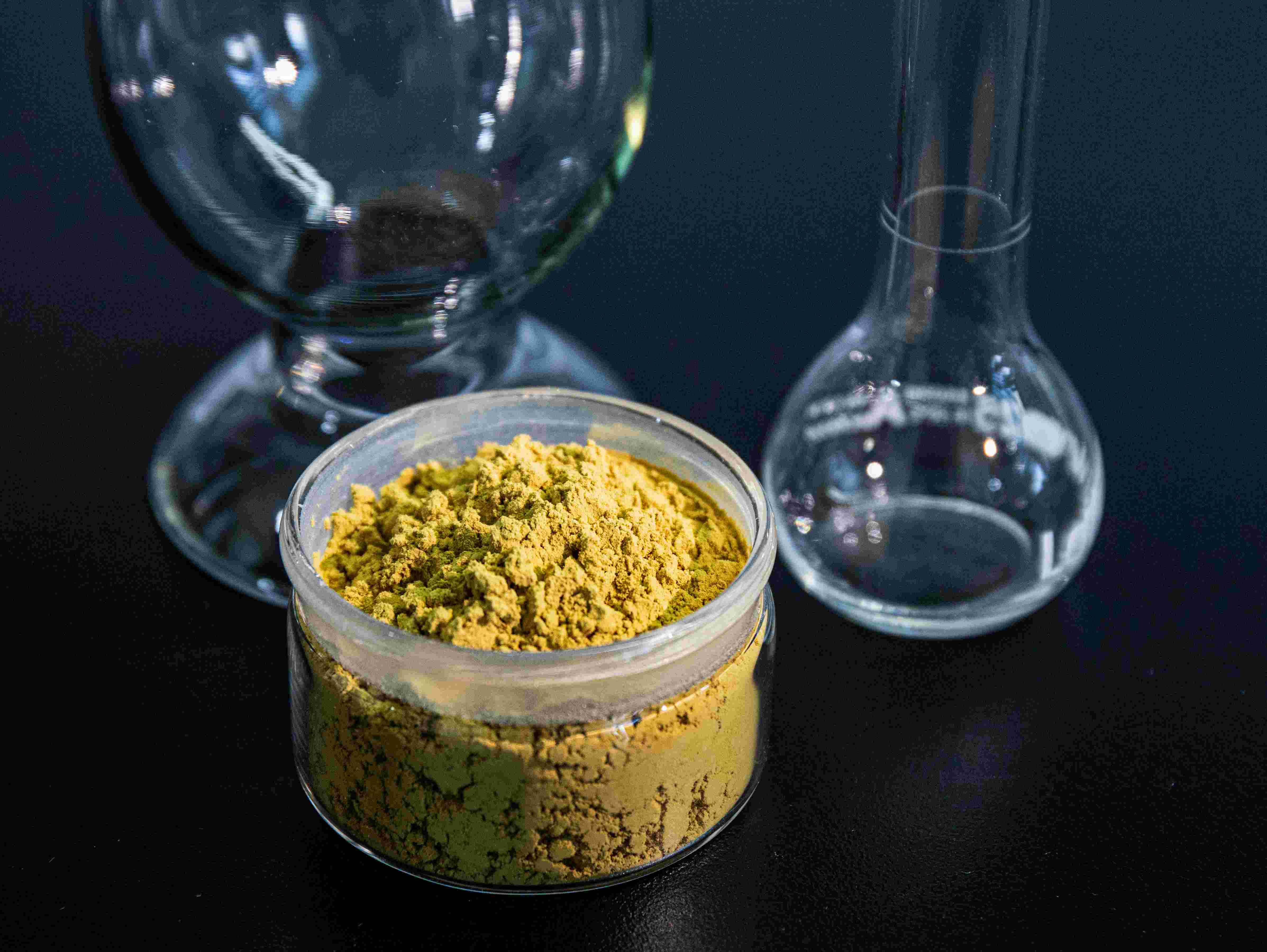
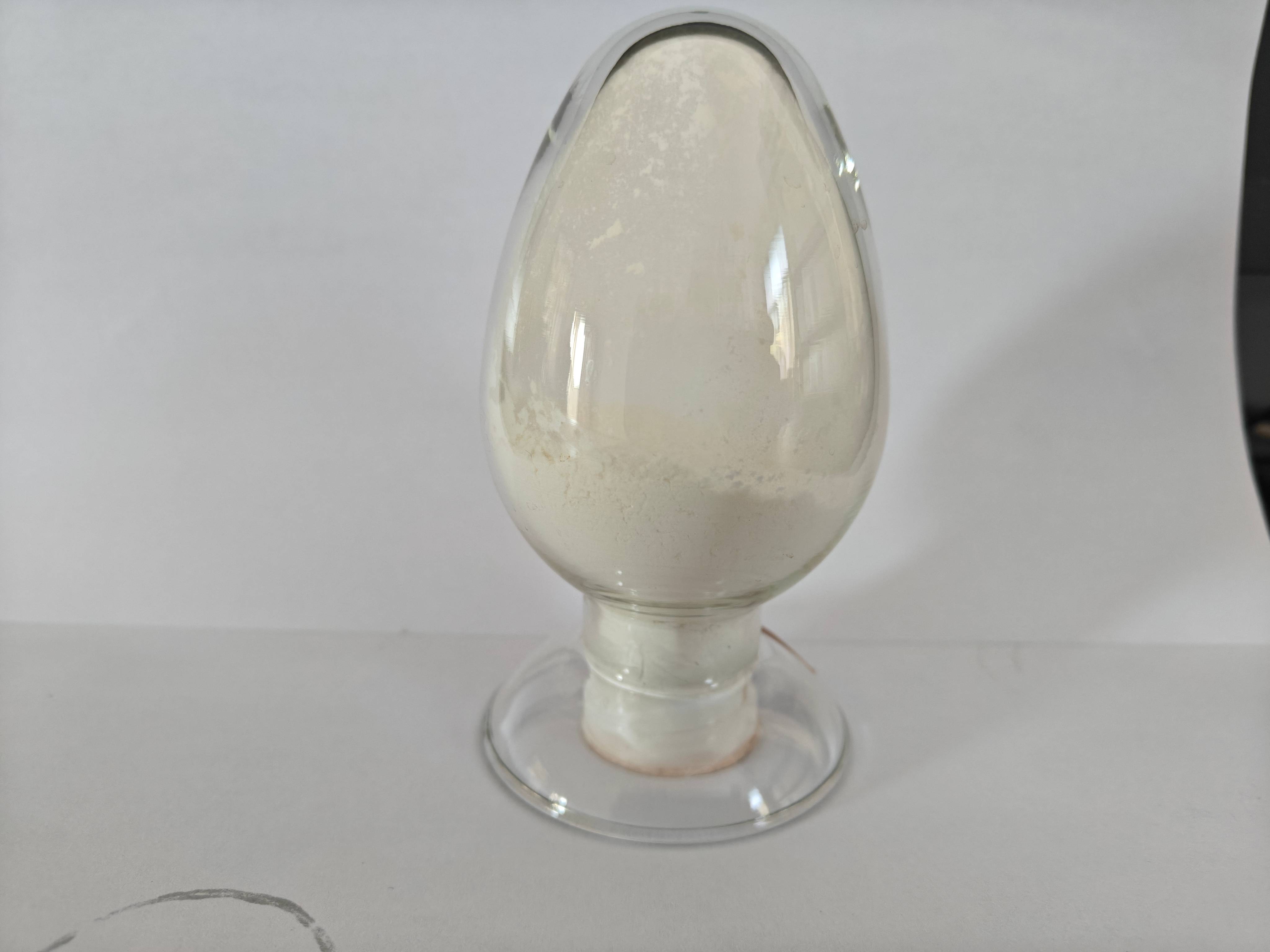
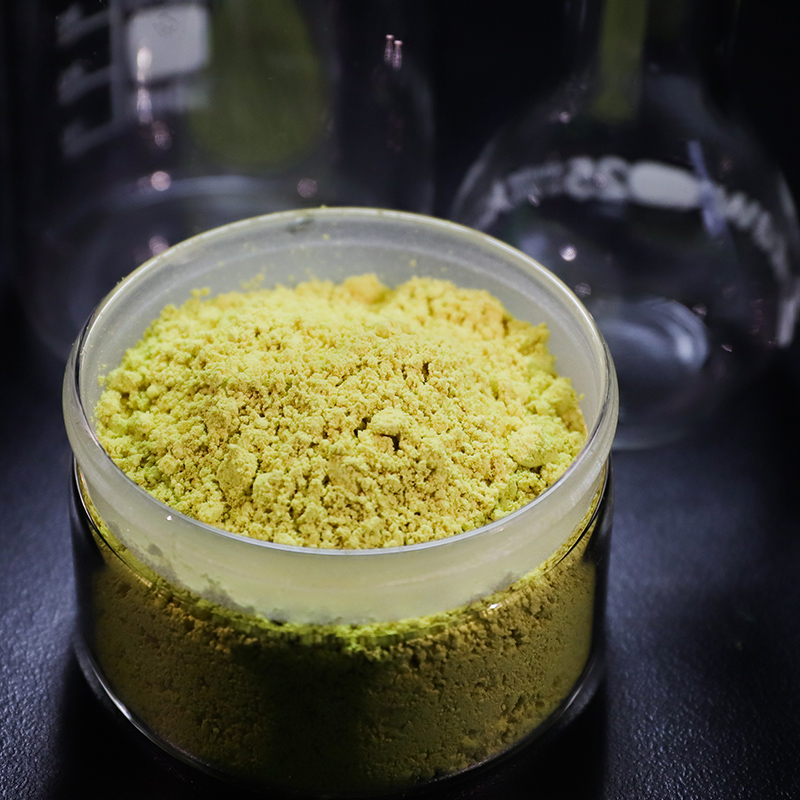
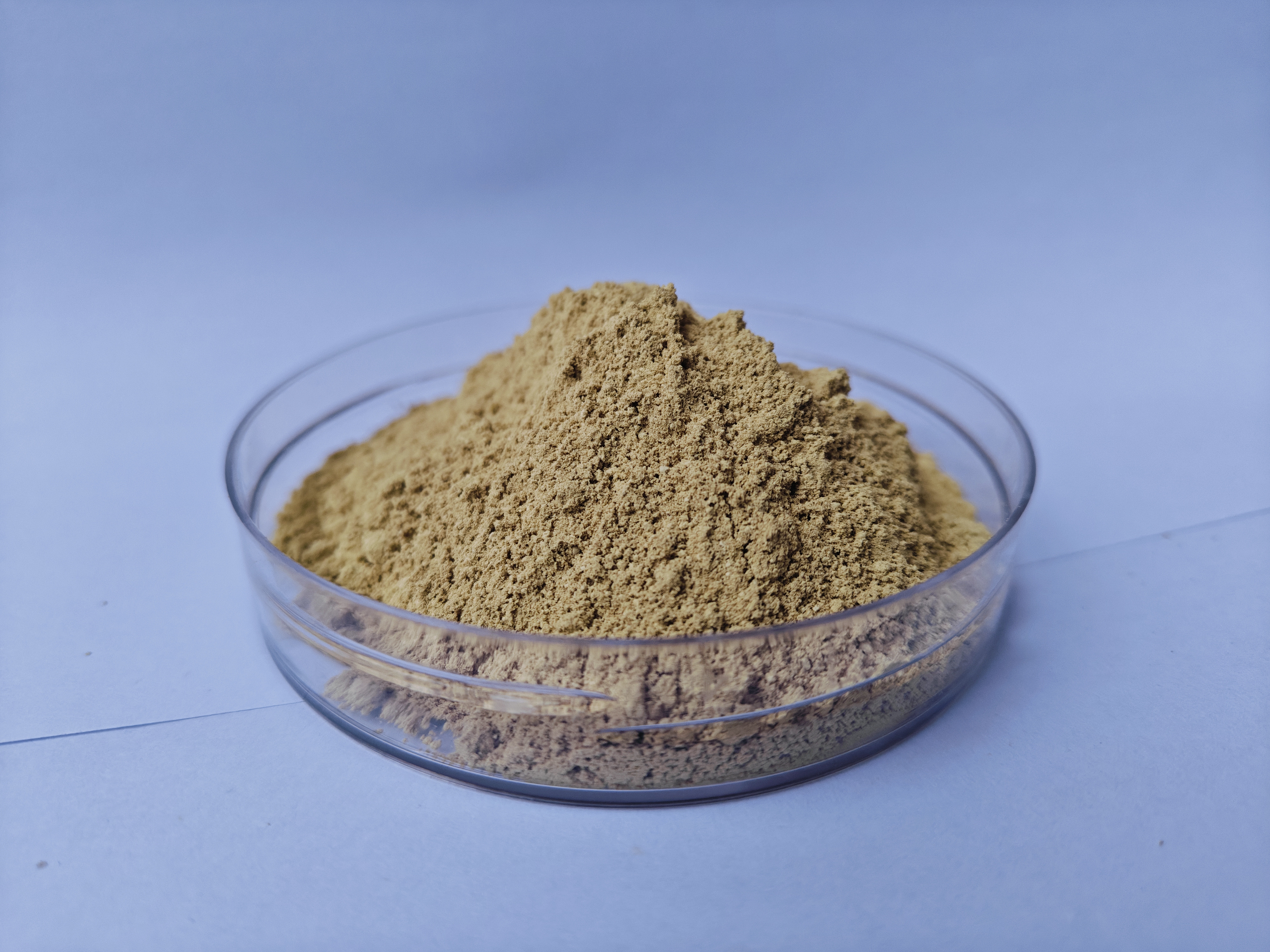
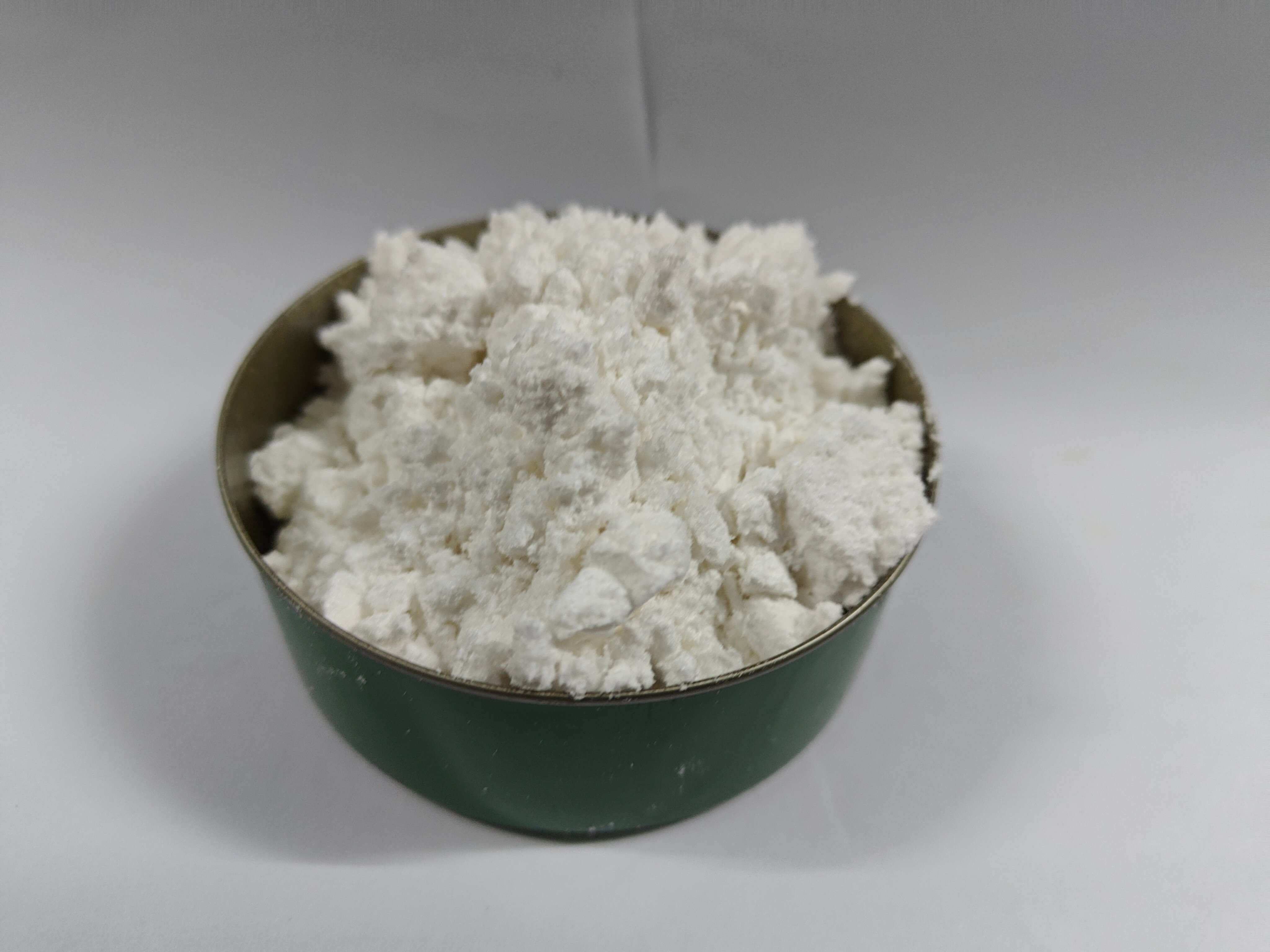
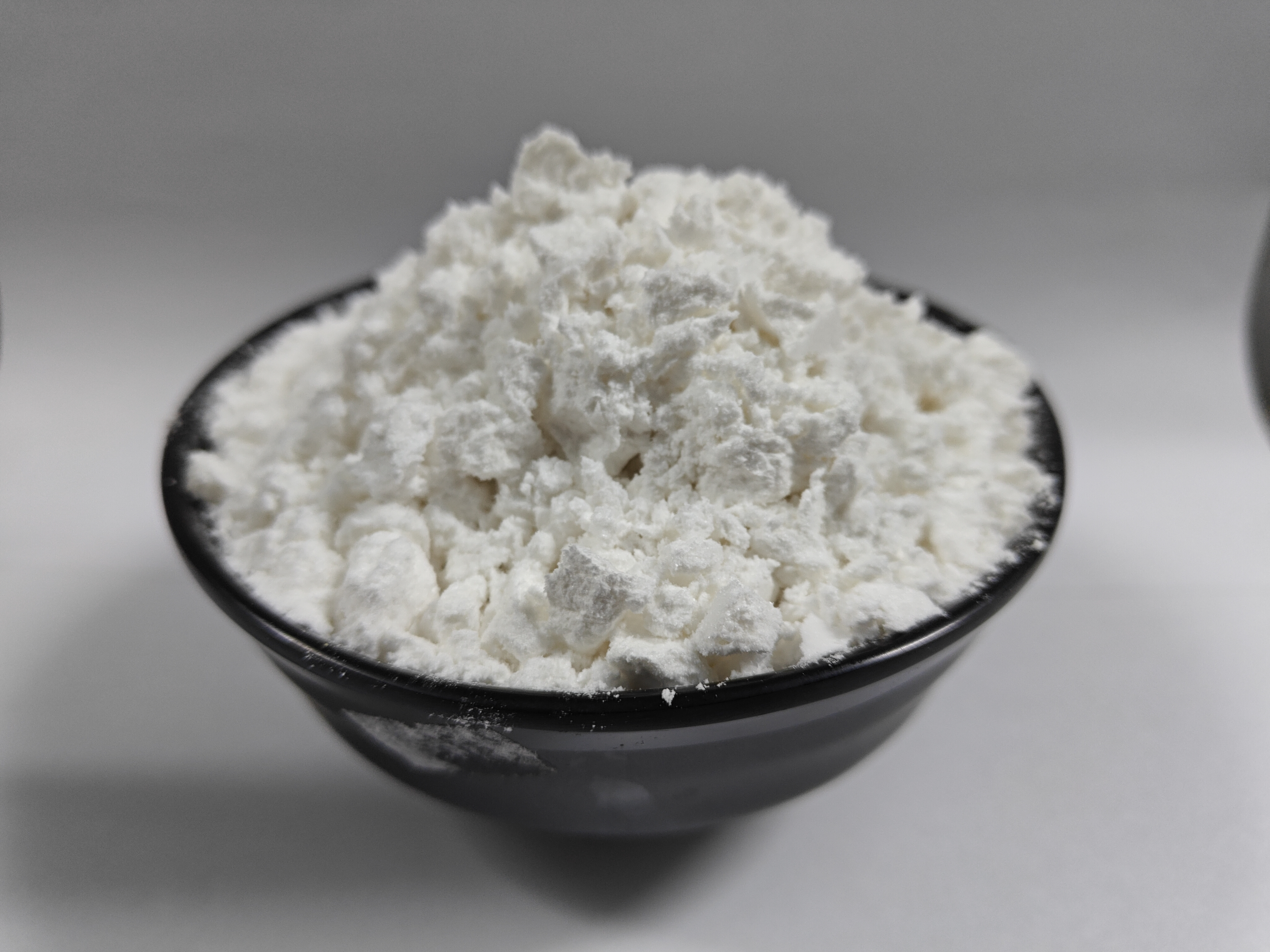
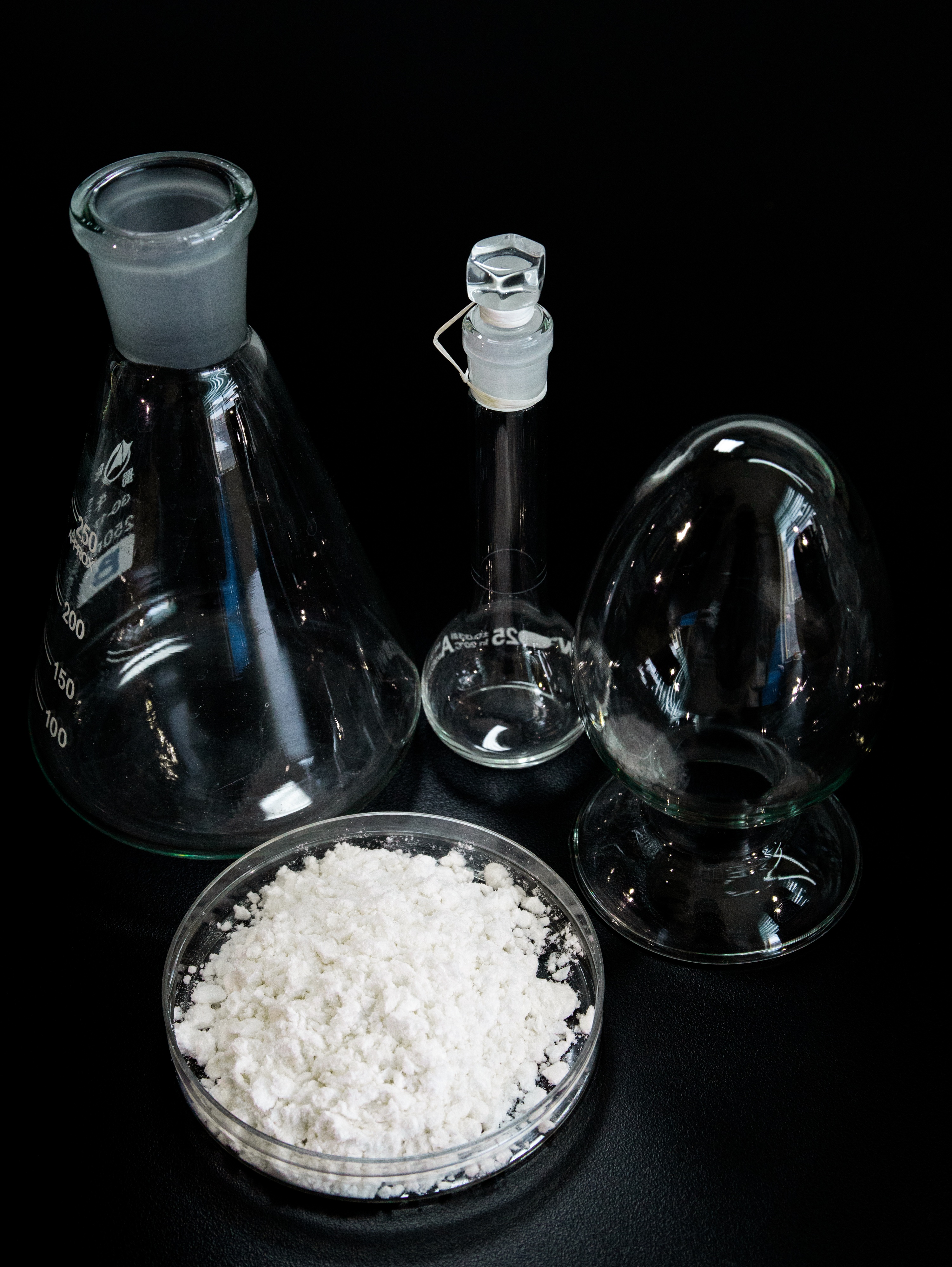
The cas530-62-1 cdi coupling reagent, also known as 1,1'-carbonyldiimidazole (CDI), is a highly efficient chemical compound widely used in organic synthesis and pharmaceutical research. This versatile reagent serves as an exceptional activating agent for carboxylic acids, enabling the formation of various chemical bonds including amides, esters, anhydrides, and peptides. The cas530-62-1 cdi coupling reagent operates through a straightforward mechanism where it reacts with carboxylic acids to form reactive acylimidazole intermediates, which subsequently undergo nucleophilic substitution with amines or alcohols. This coupling reagent demonstrates superior performance in synthesizing complex molecular structures with minimal side reactions. Unlike traditional coupling methods, the cas530-62-1 cdi coupling reagent offers mild reaction conditions that preserve sensitive functional groups during synthesis. Its technological features include excellent solubility in common organic solvents such as dichloromethane, tetrahydrofuran, and dimethylformamide, making it compatible with diverse synthetic protocols. The reagent displays remarkable stability when stored properly, maintaining its reactivity over extended periods. Applications of the cas530-62-1 cdi coupling reagent span multiple industries including pharmaceutical manufacturing, biotechnology research, agrochemical development, and materials science. Researchers particularly value this reagent for peptide synthesis, nucleotide modifications, and polymer chemistry applications where high yields and product purity are essential requirements for successful outcomes.

Popular Products

Choosing the cas530-62-1 cdi coupling reagent delivers substantial practical benefits that directly impact your research efficiency and cost-effectiveness. This reagent eliminates the need for harsh acidic or basic conditions typically required in conventional coupling reactions, protecting delicate molecular structures from degradation during synthesis. Users experience significantly higher yields compared to alternative coupling methods, translating to reduced material waste and lower operational costs over time. The cas530-62-1 cdi coupling reagent operates effectively at room temperature, eliminating expensive heating or cooling requirements that consume energy and increase laboratory overhead expenses. Its clean reaction profile produces imidazole as the primary byproduct, which is easily removed through simple aqueous workup procedures, streamlining purification processes and saving valuable time. The operational advantages extend to enhanced reproducibility across multiple reaction batches, ensuring consistent results that meet quality control standards in regulated environments. Pharmaceutical chemists benefit from the reagent's compatibility with diverse substrates including amino acids, nucleosides, and complex natural products, expanding synthetic possibilities without requiring multiple coupling agents. The cas530-62-1 cdi coupling reagent demonstrates exceptional selectivity, preferentially activating carboxylic acids without interfering with other reactive functional groups present in multifunctional molecules. This selectivity reduces unwanted side reactions and simplifies product isolation, accelerating project timelines from concept to completion. For industrial applications, the reagent's scalability allows seamless transition from laboratory development to commercial manufacturing without compromising reaction efficiency or product quality. The decision to implement the cas530-62-1 cdi coupling reagent represents a strategic investment in reliable, efficient synthetic methodology that enhances competitive advantage through improved productivity and superior product outcomes.

Latest News

How Do Organophosphine Based Catalysts Enhance EMC Curing Performance?

12

Dec

How Do Organophosphine Based Catalysts Enhance EMC Curing Performance?

The electronics manufacturing industry has witnessed remarkable advancements in encapsulation materials, particularly in the realm of epoxy molding compounds (EMC). As semiconductor devices become increasingly sophisticated and miniaturized, the dema...
View More
What Should Manufacturers Look for When Choosing Thermally Latent Catalysts?

12

Dec

What Should Manufacturers Look for When Choosing Thermally Latent Catalysts?

Manufacturing processes across industries rely heavily on precise chemical reactions, and selecting the right thermally latent catalysts can determine the success or failure of production outcomes. These specialized catalytic compounds remain inactiv...
View More
How is CDI coupling reagent used in large-scale manufacturing

07

Jan

How is CDI coupling reagent used in large-scale manufacturing

The pharmaceutical and chemical manufacturing industries increasingly rely on efficient coupling reagents to facilitate complex synthesis reactions at scale. Among these powerful chemical tools, cdi coupling reagent stands out as a versatile and reli...
View More
How Can CDI Coupling Reagents Be Optimized for Lab-Scale and Industrial Use?

12

Feb

How Can CDI Coupling Reagents Be Optimized for Lab-Scale and Industrial Use?

CDI coupling reagents have revolutionized the way researchers and industrial chemists approach amide bond formation and esterification reactions. These versatile compounds, particularly N,N'-carbonyldiimidazole, offer exceptional efficiency in activa...
View More

Get a Free Quote

Our representative will contact you soon.
Email
Name
Company Name
Message
0/1000

cas530-62-1 cdi coupling reagent

Superior Activation Efficiency and Rapid Reaction Kinetics

Superior Activation Efficiency and Rapid Reaction Kinetics

The cas530-62-1 cdi coupling reagent delivers exceptional activation efficiency that accelerates synthetic workflows and increases laboratory productivity. Upon contact with carboxylic acids, this reagent forms highly reactive acylimidazole intermediates within minutes, dramatically reducing reaction times compared to conventional activation methods. The rapid kinetics enable researchers to complete complex multi-step syntheses in compressed timeframes, facilitating faster project completion and accelerated time-to-market for new compounds. This efficiency proves particularly valuable in high-throughput screening environments where processing numerous compounds quickly is essential. The reagent's powerful activating capability works effectively with sterically hindered carboxylic acids that resist activation by weaker coupling agents, expanding the scope of accessible molecular structures. Scientists working with complex natural product synthesis appreciate how the cas530-62-1 cdi coupling reagent overcomes challenging substrate limitations that would otherwise halt synthetic progress. The resulting productivity gains translate directly to increased research output and enhanced return on investment for organizations prioritizing innovation and competitive differentiation in their respective markets.
Exceptional Chemoselectivity for Complex Molecular Environments

Exceptional Chemoselectivity for Complex Molecular Environments

The cas530-62-1 cdi coupling reagent exhibits remarkable chemoselectivity that enables precise control in syntheses involving multifunctional molecules. This selectivity allows carboxylic acid activation without disturbing sensitive functional groups such as hydroxyl, thiol, or secondary amine moieties present elsewhere in the molecule. Researchers conducting peptide synthesis particularly benefit from this selective behavior, as the reagent activates C-terminal carboxylic acids while preserving side-chain protecting groups and preventing racemization of chiral centers. The controlled reactivity minimizes formation of unwanted byproducts, significantly simplifying downstream purification steps and improving final product purity. Medicinal chemists developing pharmaceutical candidates value how the cas530-62-1 cdi coupling reagent maintains stereochemical integrity throughout synthesis, ensuring that therapeutic compounds retain their intended three-dimensional configurations essential for biological activity. This chemoselectivity reduces troubleshooting time and material consumption during method development, allowing scientists to focus resources on innovation rather than addressing technical complications. The reagent's predictable behavior across diverse substrate classes builds confidence in experimental design and supports reliable project planning timelines.
Cost-Effective Solution with Minimal Environmental Impact

Cost-Effective Solution with Minimal Environmental Impact

Implementing the cas530-62-1 cdi coupling reagent represents a cost-effective synthetic strategy that reduces both financial expenditure and environmental footprint. The reagent's high reactivity allows use of stoichiometric or near-stoichiometric quantities rather than large excesses required by less efficient alternatives, directly lowering raw material costs per reaction. Its compatibility with common laboratory solvents eliminates the need to invest in specialized reaction equipment or exotic solvents that increase operational expenses. The clean reaction profile generating primarily imidazole byproduct simplifies waste disposal requirements and reduces environmental remediation costs compared to coupling methods producing hazardous waste streams. Organizations committed to sustainable chemistry practices appreciate how the cas530-62-1 cdi coupling reagent aligns with green chemistry principles through efficient atom economy and reduced solvent consumption during workup procedures. The reagent's room-temperature operation eliminates energy costs associated with heating or cryogenic cooling, contributing to lower carbon emissions and supporting corporate sustainability objectives. Long-term stability during storage prevents material degradation and waste from expired reagents, maximizing utilization rates and improving budget predictability for procurement planning purposes.

Get a Free Quote

Our representative will contact you soon.
Email
Name
Company Name
Message
0/1000