C10H10N2: Advanced Molecular Innovation in Chemical Applications

All Categories

c10h10n2

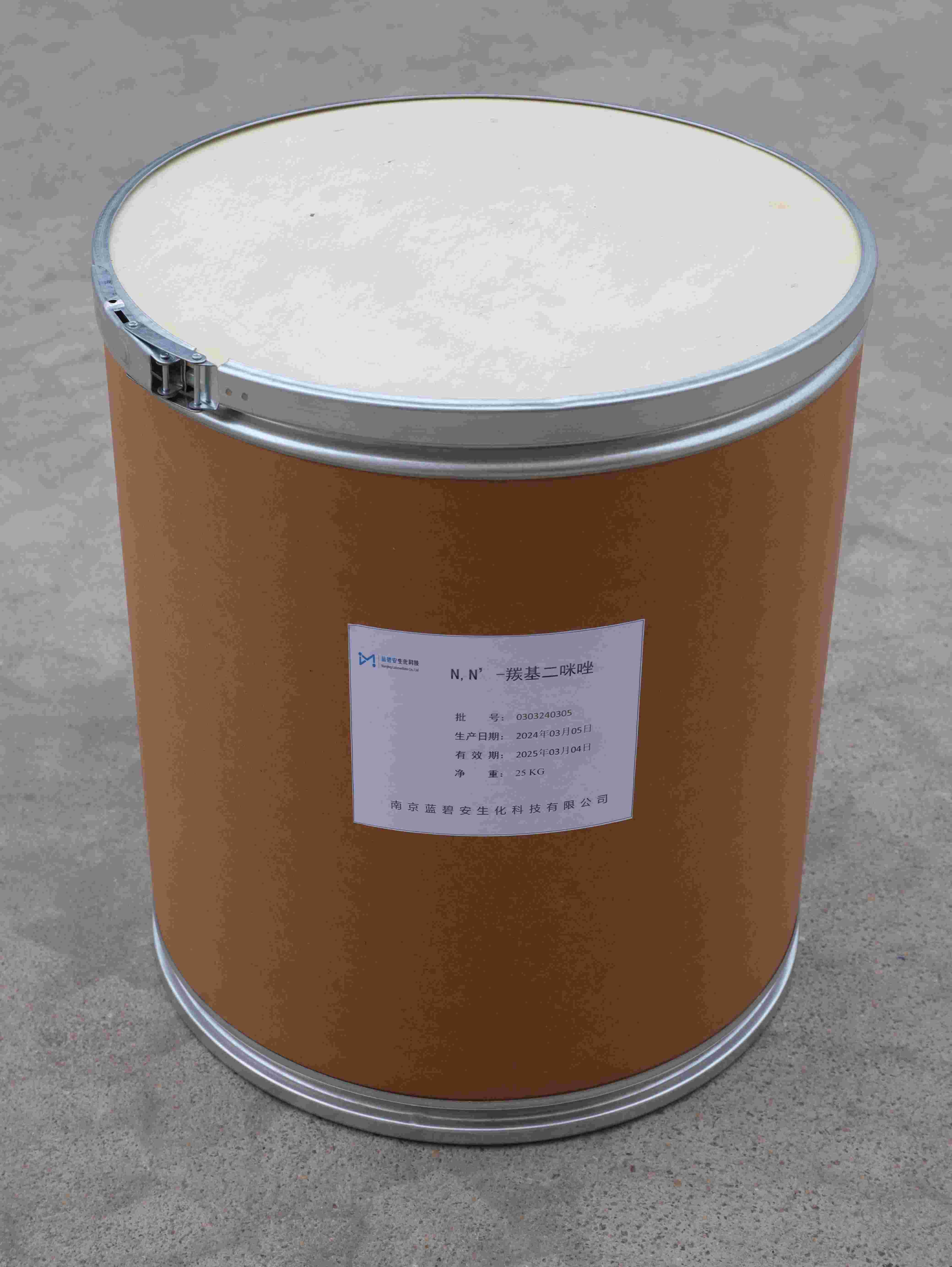
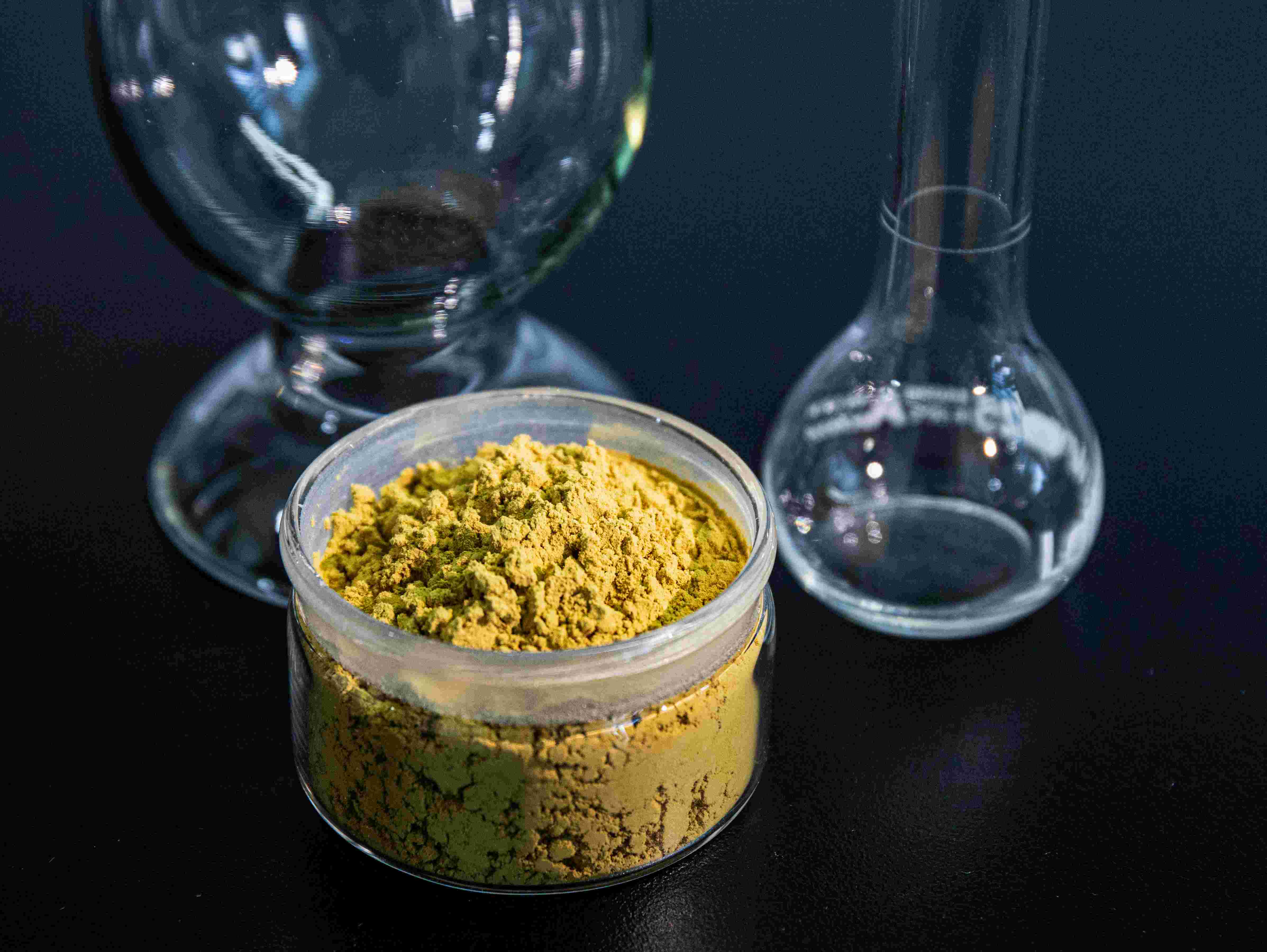
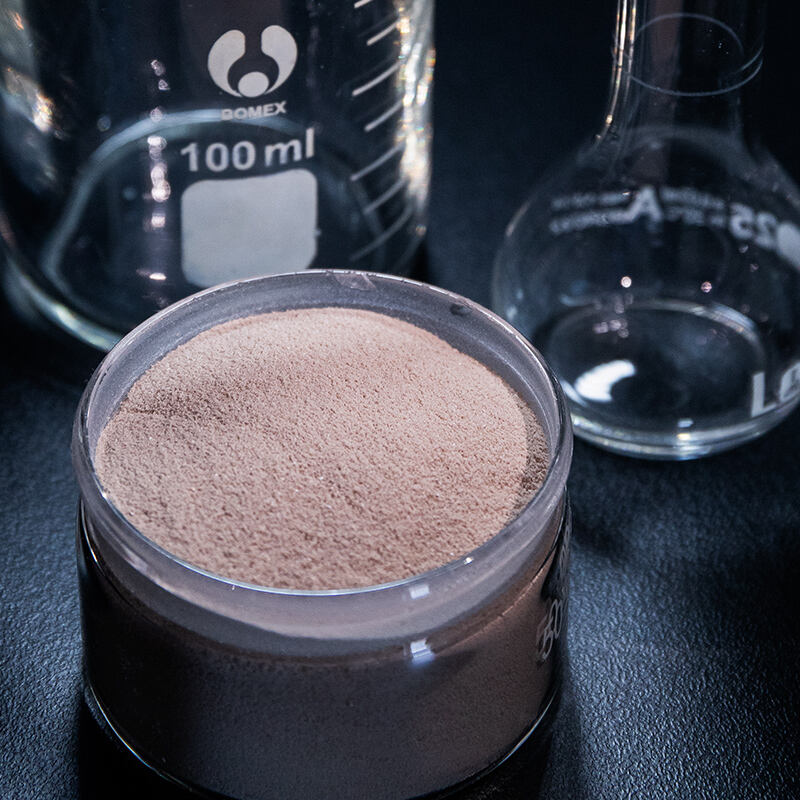
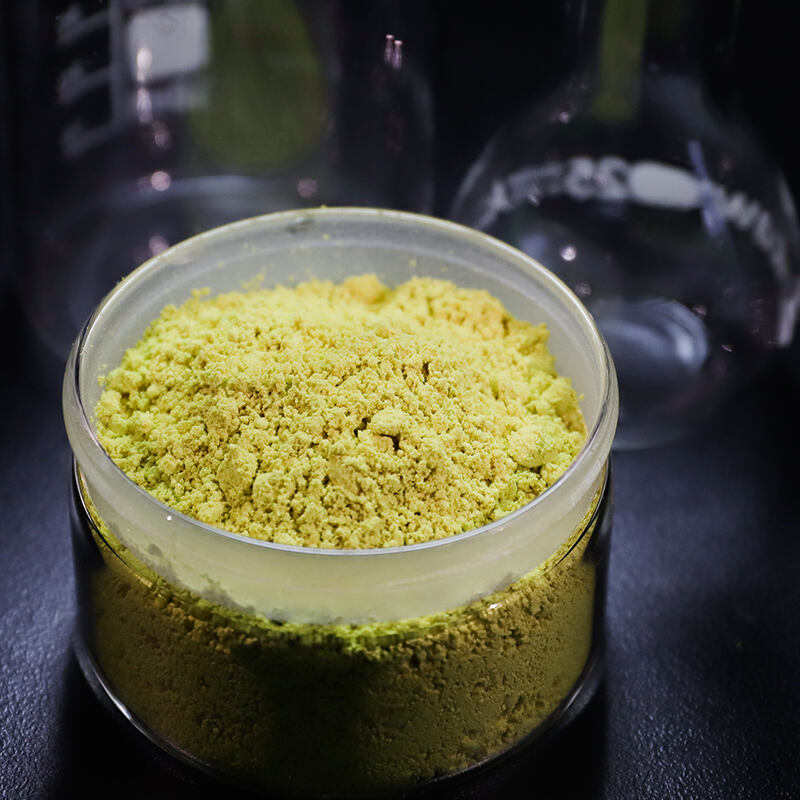
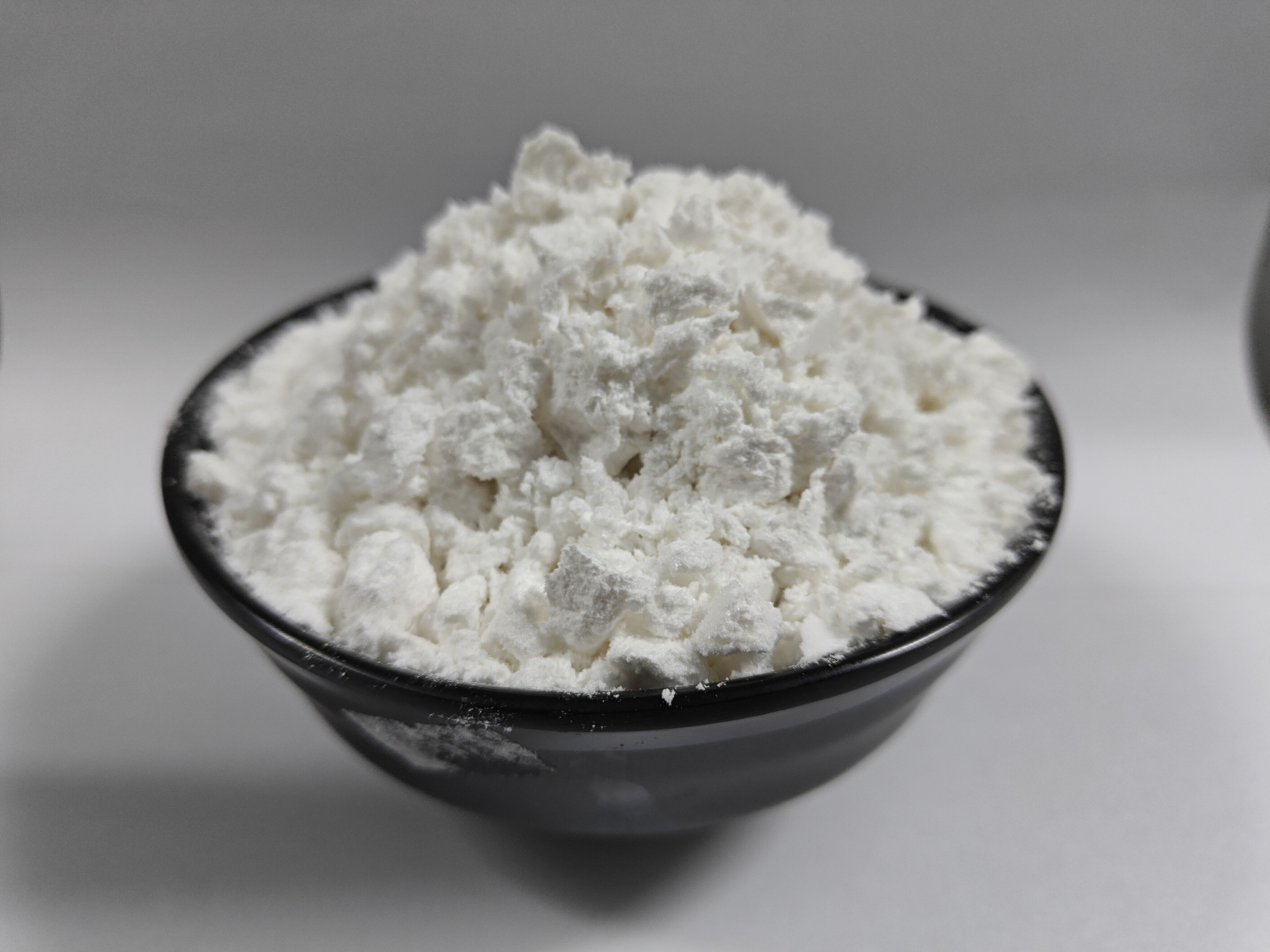
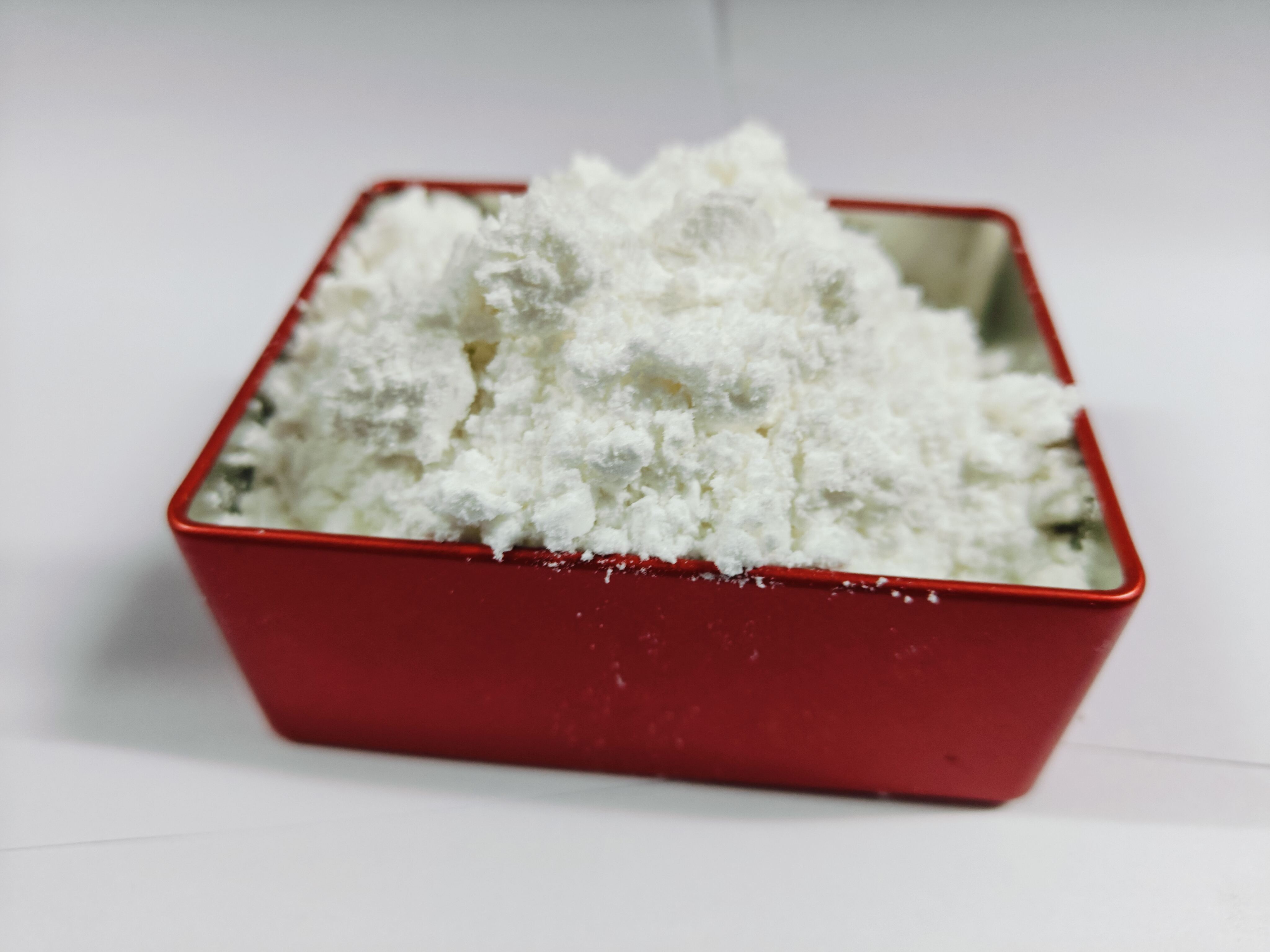
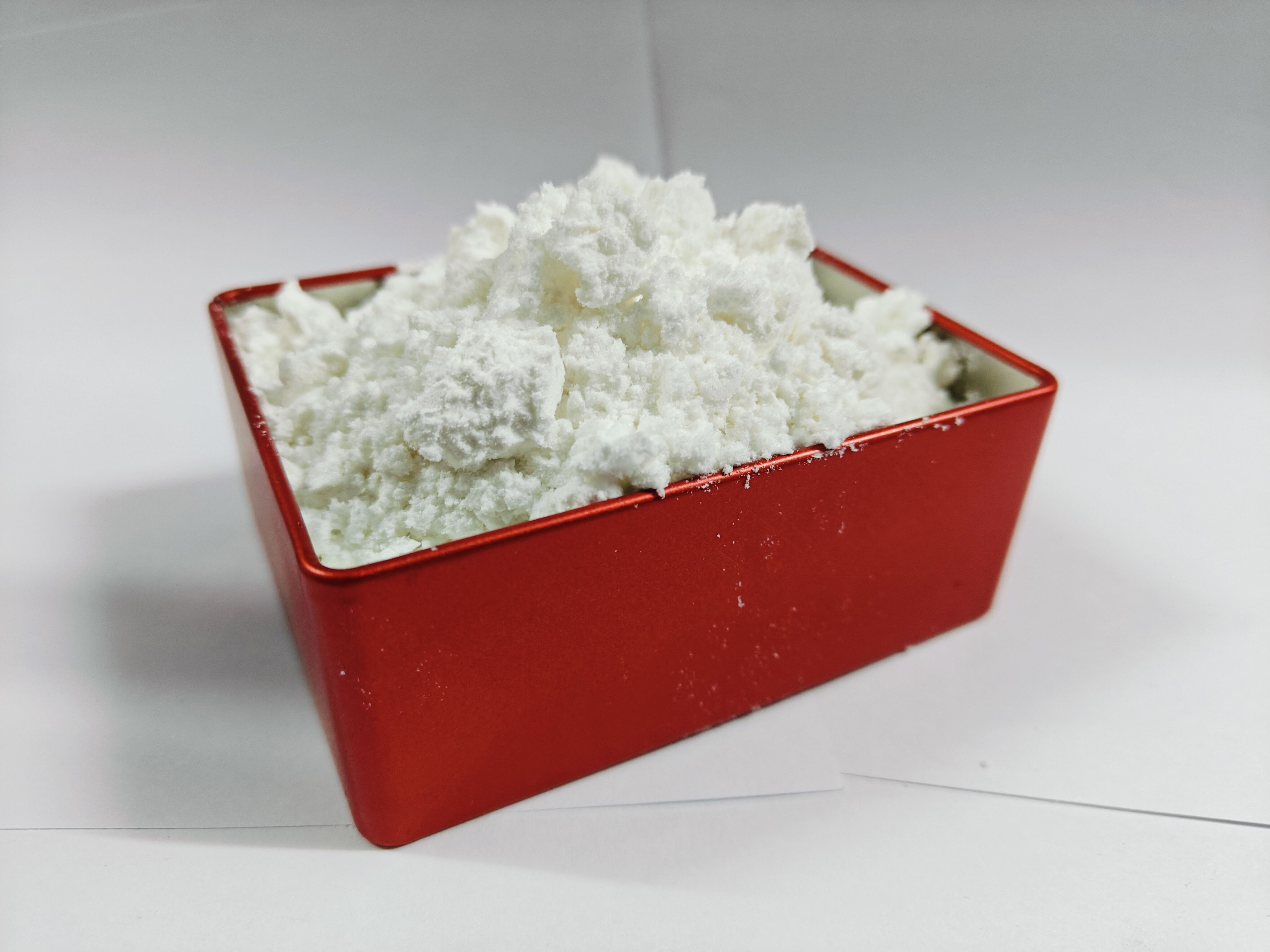
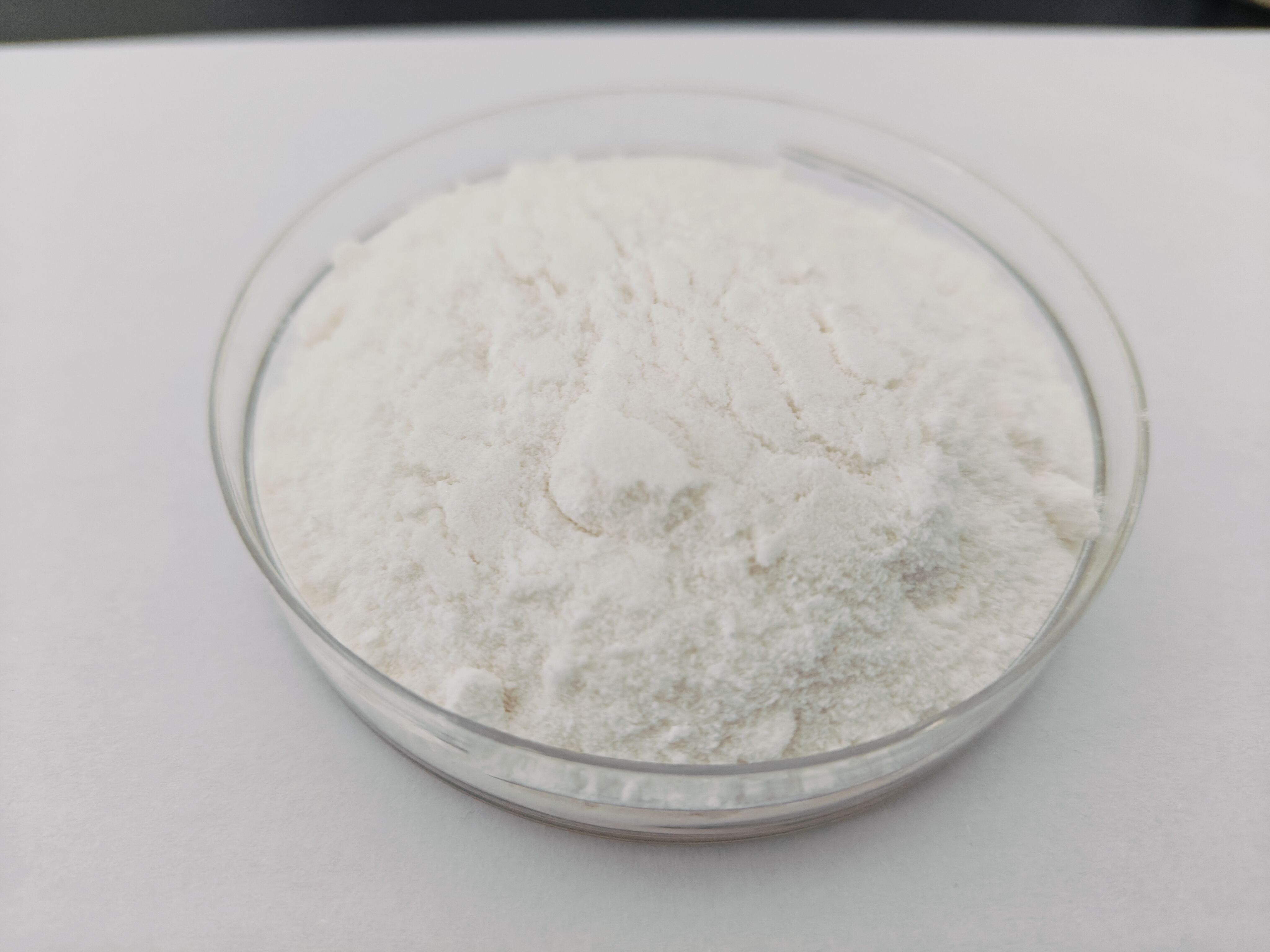
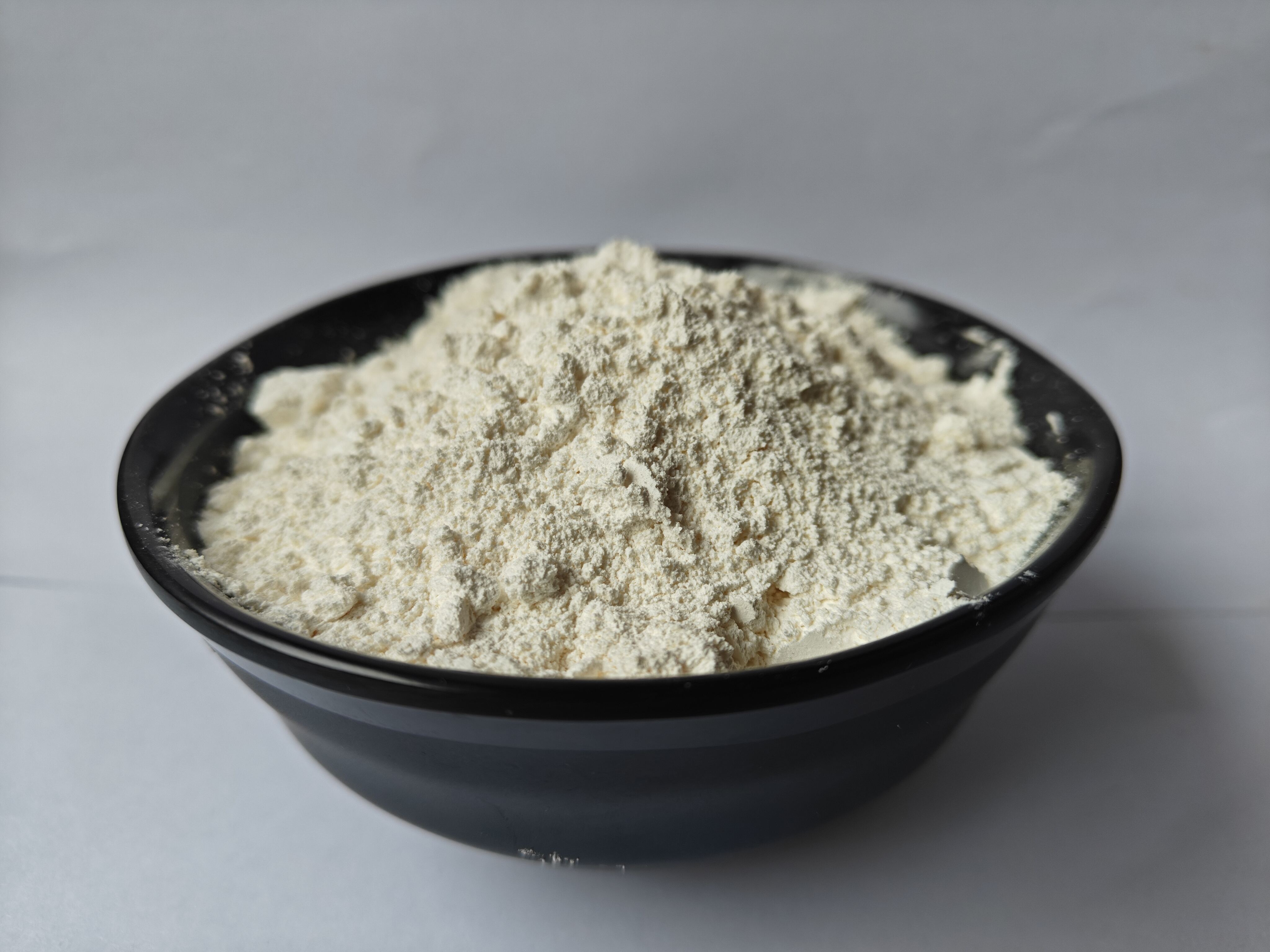
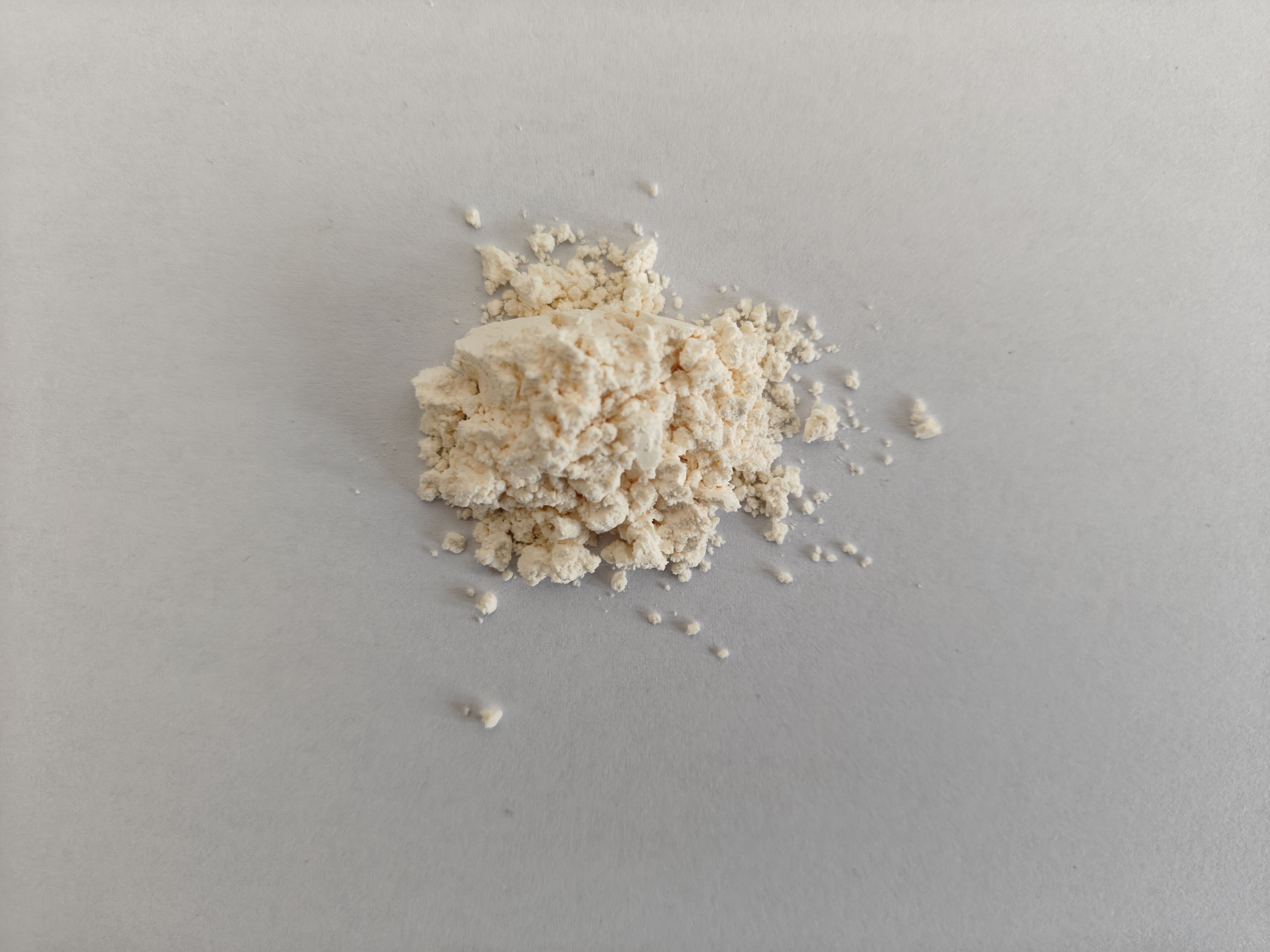
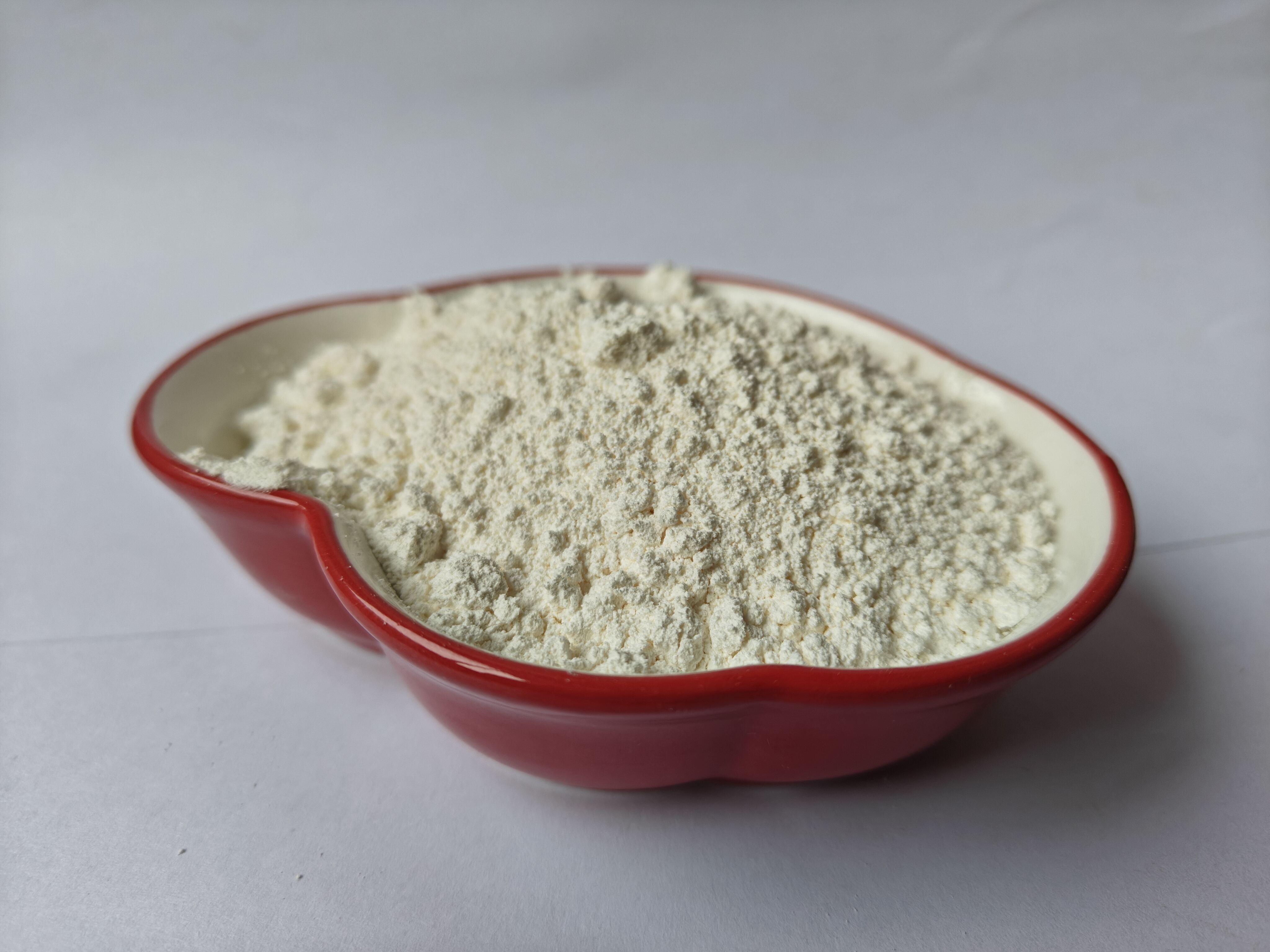
C10H10N2, also known as nicotine, is a naturally occurring alkaloid primarily found in the nightshade family of plants, most notably in tobacco. This complex organic compound plays a significant role in both agricultural and pharmaceutical applications. The molecular structure consists of 10 carbon atoms, 10 hydrogen atoms, and 2 nitrogen atoms, forming a distinctive pyridine and pyrrolidine ring system. In its pure form, it appears as a colorless to pale yellow liquid that turns brown when exposed to air. The compound exhibits strong binding affinity to nicotinic acetylcholine receptors in the brain, making it both a stimulant and a relaxant depending on the dose and individual response. Its technological applications extend beyond traditional tobacco products, finding use in agricultural pesticides, pharmaceutical research, and therapeutic developments. The compound's unique chemical properties allow it to be readily absorbed through various delivery systems, including transdermal patches, oral administration, and inhalation methods. Recent advances in extraction and synthesis techniques have enabled more precise control over purity levels and delivery mechanisms, expanding its potential applications in both research and commercial settings.


New Product Recommendations

The versatility of C10H10N2 presents several significant advantages across multiple applications. In agricultural settings, it serves as an effective natural pesticide, offering farmers an organic alternative to synthetic chemicals. Its water solubility and rapid biodegradability make it environmentally friendly compared to many conventional pesticides. In pharmaceutical applications, the compound's ability to cross the blood-brain barrier efficiently makes it valuable for developing targeted therapeutic treatments. The molecule's stable structure allows for long-term storage and consistent potency when properly preserved. Its natural occurrence and well-understood pharmacological profile contribute to easier regulatory approval processes for various applications. The compound's rapid absorption rate and predictable metabolism patterns make it particularly useful in medical research and drug development. Additionally, modern purification techniques have significantly improved the ability to produce high-grade C10H10N2 with minimal impurities, enhancing its reliability in both research and commercial applications. The compound's versatility in delivery methods, from patches to solutions, provides flexibility in product development and application methods. Its cost-effective synthesis and readily available precursor materials make it commercially viable for large-scale production. The established safety protocols and handling procedures make it accessible for both industrial and research purposes.

Tips And Tricks

How Do CDI Amide Bonds Improve Reaction Efficiency in Organic Chemistry?

17

Jul

How Do CDI Amide Bonds Improve Reaction Efficiency in Organic Chemistry?

Unlocking Greater Efficiency in Amide Bond Formation In organic synthesis, amide bond formation remains a fundamental reaction, especially in pharmaceutical, polymer, and peptide chemistry. Chemists are constantly seeking reliable and effective reag...
View More
What Are the Key Advantages of CDI Amide Bonds in Protein Engineering?

17

Jul

What Are the Key Advantages of CDI Amide Bonds in Protein Engineering?

Transforming Protein Engineering With Modern Bonding Chemistry Protein engineering has undergone revolutionary changes in recent years, particularly through the integration of novel chemical methods that improve stability, efficiency, and specificit...
View More
What Are the Best Practices for Storing and Handling CDI Coupling Reagents?

17

Jul

What Are the Best Practices for Storing and Handling CDI Coupling Reagents?

Ensuring Stability and Safety in Reagent Storage In synthetic organic chemistry, precision and reliability hinge upon the quality and integrity of reagents used. Among the most widely utilized are CDI coupling reagents, known for their versatil...
View More
What Are the Latest Advances in EMC Curing Accelerator Technology

24

Sep

What Are the Latest Advances in EMC Curing Accelerator Technology

Revolutionizing Electronic Manufacturing Through Advanced Curing Solutions The landscape of electronic manufacturing has witnessed remarkable transformations, particularly in the realm of EMC curing accelerator technology. As electronic devices becom...
View More

Get a Free Quote

Our representative will contact you soon.
Email
Name
Company Name
Message
0/1000

c10h10n2

Advanced Molecular Stability and Purity

Advanced Molecular Stability and Purity

The molecular stability of C10H10N2 represents a significant advancement in chemical compound reliability. Through sophisticated purification processes, modern manufacturing techniques can achieve purity levels exceeding 99.9%, ensuring consistent performance across applications. This high purity standard minimizes unwanted side reactions and increases the predictability of compound behavior in various environments. The stable molecular structure maintains its integrity under normal storage conditions, with a shelf life of several years when properly stored. Advanced quality control measures, including chromatography and spectroscopic analysis, ensure batch-to-batch consistency. This reliability is crucial for research applications where precise concentrations and pure samples are essential for accurate results.
Versatile Application Methods

Versatile Application Methods

C10H10N2's versatility in application methods sets it apart from many similar compounds. Its unique chemical properties allow for integration into various delivery systems, from water-based solutions to solid-state applications. The compound's molecular structure enables effective binding with different carrier materials, creating stable formulations for diverse uses. This adaptability extends to both industrial and laboratory settings, where different application methods may be required. The compound's solubility profile allows for easy incorporation into both aqueous and organic systems, providing flexibility in formulation development. These characteristics make it particularly valuable in research and development, where different delivery methods may need to be explored.
Environmental and Economic Efficiency

Environmental and Economic Efficiency

The environmental profile of C10H10N2 demonstrates remarkable efficiency in terms of both ecological impact and economic viability. Its natural biodegradability ensures minimal environmental persistence, reducing long-term ecological concerns. The compound's efficient synthesis process requires relatively low energy input compared to similar molecular compounds, resulting in reduced production costs. Its high potency means smaller quantities are needed to achieve desired effects, leading to more economical usage rates. The compound's stability during storage and transport reduces waste from degradation, contributing to cost-effective inventory management. These combined factors make C10H10N2 an environmentally responsible and economically sound choice for various applications.

Get a Free Quote

Our representative will contact you soon.
Email
Name
Company Name
Message
0/1000