
 EN
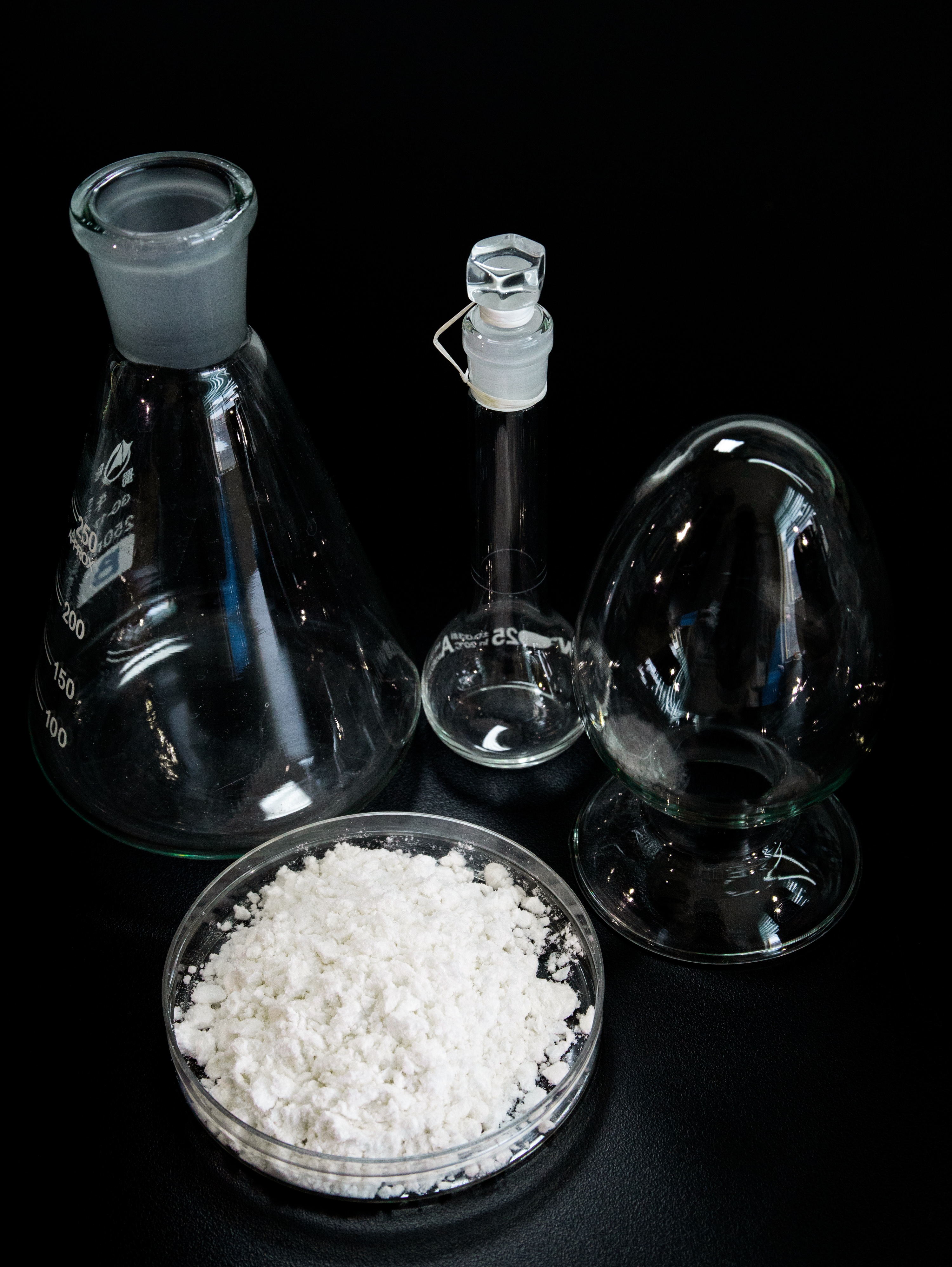
Proper storage of CAS 530-62-1 is essential for maintaining the chemical's activity and effectiveness over extended periods. Without appropriate handling and environmental controls, this compound can degrade, losing its potency and becoming unsuitable for research, industrial, or pharmaceutical applications. Understanding the specific requirements for preserving CAS 530-62-1 ensures that organizations protect their investment while maintaining consistent results in their workflows. This comprehensive guide outlines the critical factors that determine how long CAS 530-62-1 remains viable and active under real-world storage conditions.
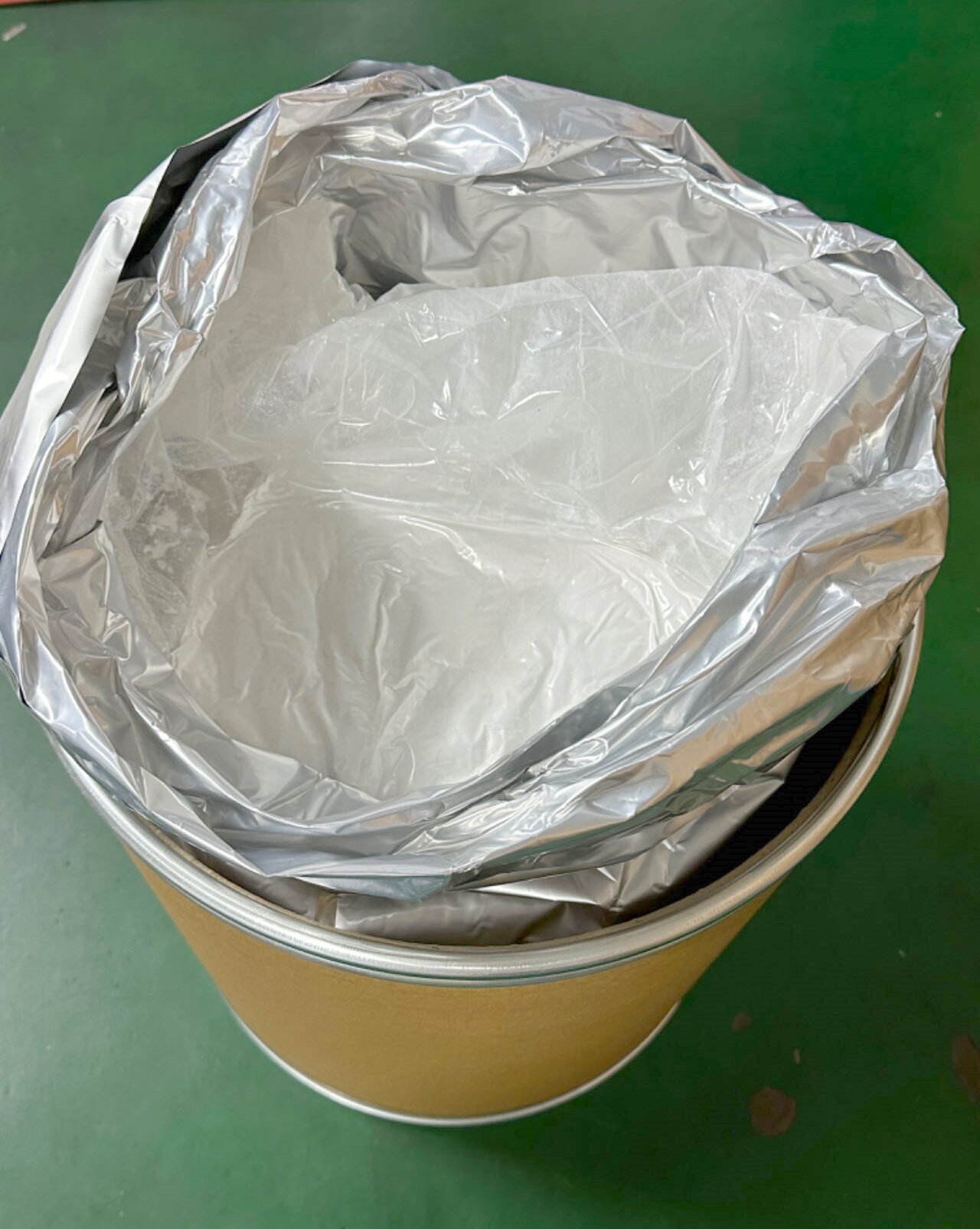
The longevity of CAS 530-62-1 depends on multiple interconnected storage variables, including temperature stability, moisture exposure, light conditions, container selection, and atmospheric composition. When these elements are controlled precisely, CAS 530-62-1 can maintain full activity and potency for well beyond two years, often extending to three, four, or more years depending on initial purity and specific formulation. This article examines each storage variable in detail, providing actionable strategies that laboratories, manufacturers, and research facilities can implement immediately to extend the shelf life of their CAS 530-62-1 inventory.
Temperature Control and Stability for CAS 530-62-1
Optimal Temperature Range
Temperature is one of the most critical factors affecting CAS 530-62-1 stability and activity preservation. Most CAS 530-62-1 formulations require storage between 2 and 8 degrees Celsius, though some variants may tolerate room temperature ranges of 15 to 25 degrees Celsius. Maintaining consistent temperature is equally important as achieving the correct range; fluctuations cause molecular stress and accelerate degradation pathways that reduce CAS 530-62-1 potency. Investing in dedicated refrigeration units with temperature monitoring systems ensures that your CAS 530-62-1 inventory remains within the target zone continuously, even during power disruptions or equipment malfunctions.
Temperature Fluctuation Mitigation
Temperature cycling—repeated warming and cooling—dramatically shortens the active lifespan of CAS 530-62-1. Each cycle introduces stress to the molecular structure, particularly if CAS 530-62-1 is stored in liquid formulations susceptible to crystallization and separation. Implement buffer systems, insulated storage cabinets, or climate-controlled storage rooms to minimize natural temperature swings. When transporting CAS 530-62-1, use insulated shipping containers with phase-change materials to maintain stable temperatures throughout transit, preventing degradation that would otherwise begin before the compound even reaches your facility.
Moisture and Humidity Control for CAS 530-62-1 Storage
Preventing Moisture Absorption
Moisture is a primary catalyst for CAS 530-62-1 degradation, particularly in hygroscopic formulations that naturally absorb water from the air. Storage environments should maintain relative humidity below 40 percent to protect CAS 530-62-1 from hydration reactions that compromise its chemical structure and biological activity. Use desiccant-equipped storage containers, silica gel packs, or molecular sieves inside sealed packaging to create a dry microenvironment around your CAS 530-62-1 supply. Regular inspection and replacement of desiccant materials ensure consistent moisture control throughout the extended storage period.
Container Selection and Sealing
The container holding your CAS 530-62-1 must provide an airtight seal that prevents atmospheric moisture from penetrating the packaging over months and years of storage. Amber glass vials with PTFE-lined caps offer superior protection compared to plastic containers, which can permit slow vapor transmission and absorb trace moisture over extended timescales. Glass containers also provide inert storage, preventing chemical interactions between CAS 530-62-1 and container materials that might otherwise accelerate degradation. When opening CAS 530-62-1 containers, use minimal exposure techniques and reseal quickly to limit moisture reabsorption between uses.
Light Protection and Chemical Stability of CAS 530-62-1
Light Exposure Impact on CAS 530-62-1
Ultraviolet and visible light can initiate photodegradation pathways in CAS 530-62-1, especially in formulations containing light-sensitive functional groups or chromophoric structures. Storage in complete darkness or amber-colored amber glass containers shields CAS 530-62-1 from photochemical reactions that reduce activity and create unwanted byproducts. This protection is particularly critical for CAS 530-62-1 stored in liquid solutions, which transmit more light than solid powders and undergo faster photodegradation. Position storage units away from windows, laboratory lighting, and UV sterilization equipment to eliminate unnecessary light exposure that could compromise your CAS 530-62-1 stability.
Inert Atmosphere and Oxygen Exclusion
Oxidation is a significant pathway for CAS 530-62-1 degradation, particularly when stored in contact with atmospheric oxygen or at elevated temperatures that accelerate oxidative reactions. Purging storage vials with inert gases like nitrogen or argon creates a protected microenvironment that minimizes oxidative stress on CAS 530-62-1 molecules. For large-scale storage, consider using vacuum-sealed containers or specialized glove boxes with inert atmosphere maintenance to provide maximum protection. Inert gas blankets above liquid CAS 530-62-1 solutions prevent surface oxidation and volatile loss that would otherwise compromise the compound's stability and activity over extended storage periods.
Storage Facility Best Practices and Monitoring Systems
Dedicated Storage Infrastructure
Establishing a dedicated storage area specifically designed for CAS 530-62-1 and similar sensitive compounds ensures that environmental conditions remain optimized throughout the storage period. This facility should include temperature-controlled refrigeration units, humidity monitoring systems, emergency backup power, and restricted access protocols that prevent unauthorized handling. Documentation systems tracking CAS 530-62-1 lot numbers, storage dates, environmental conditions, and expiration estimates provide critical traceability and support regulatory compliance. Segregating CAS 530-62-1 from incompatible chemicals, oxidizing agents, and reactive materials prevents cross-contamination that could accelerate degradation.
Monitoring and Documentation Protocols
Continuous environmental monitoring ensures that storage conditions remain within acceptable parameters for maintaining CAS 530-62-1 activity. Install temperature and humidity sensors with data logging capabilities that record readings at regular intervals, providing objective evidence of storage quality. Establish routine inspection protocols where trained personnel verify container integrity, check for signs of leakage or crystallization, and confirm that desiccant materials remain effective. These monitoring systems and documentation practices not only maintain CAS 530-62-1 stability but also satisfy regulatory requirements and support quality assurance audits that may be required by your organization or end customers.
FAQ
What is the typical shelf life of CAS 530-62-1 under ideal storage conditions?
When stored under optimal conditions including proper temperature control, humidity management, light protection, and inert atmosphere, CAS 530-62-1 typically maintains full activity for two to four years or longer. Initial purity, formulation type, and container quality influence the exact duration, so establishing baseline stability data through accelerated aging studies helps predict shelf life more accurately. Proper storage of CAS 530-62-1 ensures that you can confidently use material throughout this extended period without activity loss or quality degradation.
Can CAS 530-62-1 be stored at room temperature?
Some CAS 530-62-1 formulations may be stable at room temperature between 15 and 25 degrees Celsius, but refrigerated storage between 2 and 8 degrees Celsius is generally recommended for maximum longevity. Room temperature storage of CAS 530-62-1 significantly reduces shelf life and may only be suitable for short-term use or specific variants rated for ambient conditions. Always consult the manufacturer's documentation for your specific CAS 530-62-1 formulation to determine whether refrigeration is required or whether room temperature is acceptable for maintaining activity beyond two years.
How should CAS 530-62-1 be handled when opened for use?
When accessing your CAS 530-62-1 supply, minimize air exposure by working quickly and resealing containers immediately after removing the required amount. Use sterile techniques and dedicated pipetting tools to prevent contamination, which accelerates degradation of CAS 530-62-1 and reduces the remaining shelf life. Allow CAS 530-62-1 containers to equilibrate to room temperature before opening if they are stored at refrigerated temperatures, preventing moisture condensation that would compromise the inert atmosphere and protective environment inside the sealed container.