
 EN
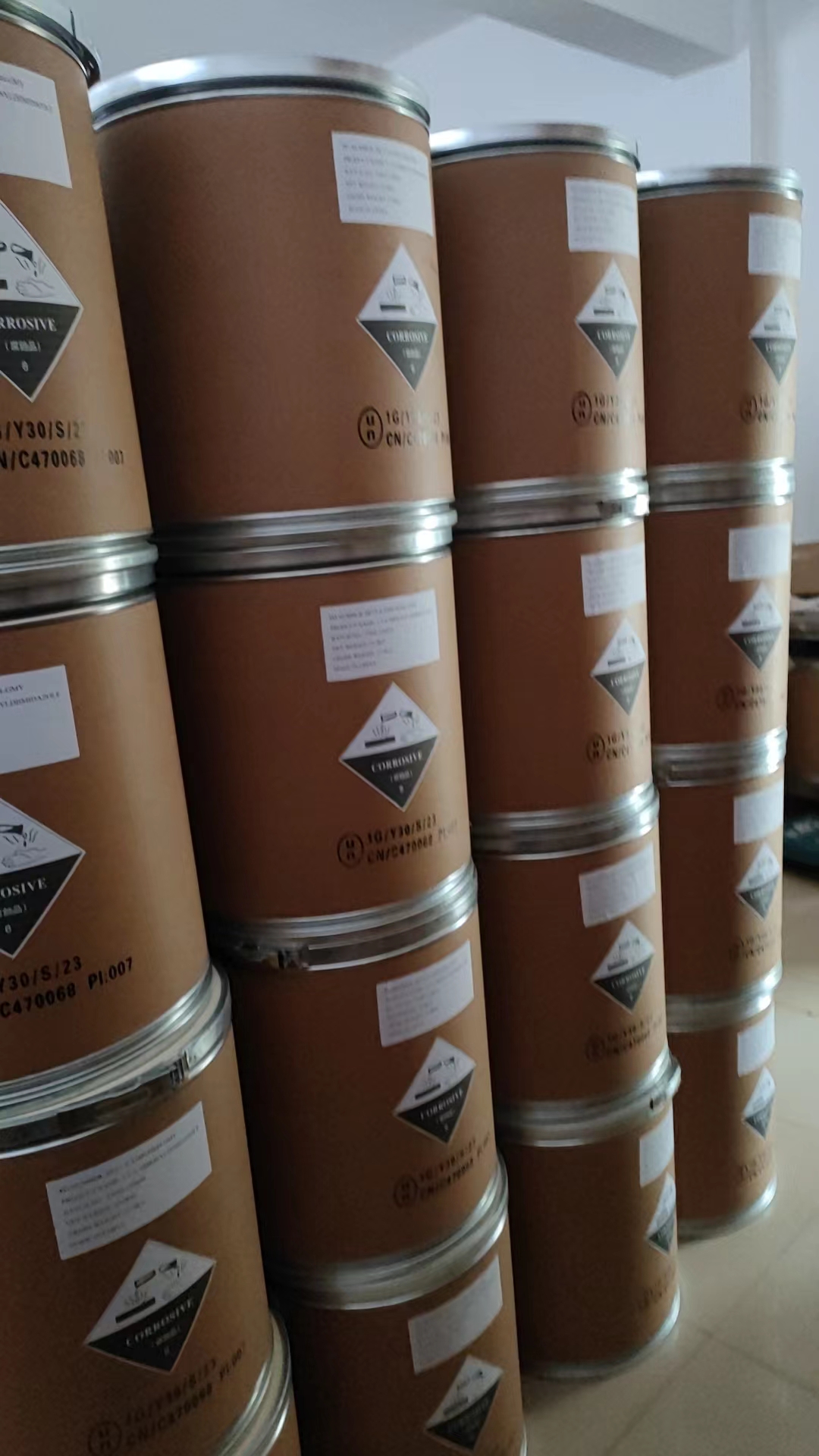
Carboxylic acid activation is a fundamental transformation in organic synthesis, and nn-carbonyldiimidazole cdi has become an indispensable reagent for this purpose. However, one of the most significant challenges when using nn-carbonyldiimidazole cdi is the unwanted formation of imidazolide dimer byproducts, which can drastically reduce reaction efficiency and complicate product isolation. Understanding how to activate a carboxylic acid with nn-carbonyldiimidazole cdi while minimizing or completely preventing dimer formation is essential for synthetic chemists seeking to achieve reproducible, high-yielding transformations.
The mechanism of how nn-carbonyldiimidazole cdi activates carboxylic acids involves nucleophilic acyl substitution, where the imidazole nitrogen attacks the carbonyl carbon of the coupling reagent. When nn-carbonyldiimidazole cdi is employed under suboptimal conditions, the resulting acyl-imidazole intermediate can undergo self-condensation, generating unwanted dimeric species that waste reagent and lower product yields. This article explores practical strategies to activate carboxylic acid with nn-carbonyldiimidazole cdi while maintaining control over dimer formation and achieving superior reaction outcomes.
Understanding Imidazolide Dimer Formation and Its Root Causes
Why Dimer Formation Occurs with nn-carbonyldiimidazole cdi
When activating a carboxylic acid with nn-carbonyldiimidazole cdi, the initial coupling step produces an acyl-imidazole intermediate. This intermediate possesses significant electrophilic character and can react with a second molecule of nucleophile or another acyl-imidazole species, triggering unwanted side reactions. The formation of imidazolide dimer occurs most readily when the reaction medium contains excess moisture, elevated temperatures, or weak nucleophiles that fail to intercept the activated species promptly. Understanding these root causes is critical for selecting the right protocol when using nn-carbonyldiimidazole cdi for carboxylic acid activation.
Reaction Conditions That Promote Dimer Formation
Several key factors increase the likelihood of dimer formation when nn-carbonyldiimidazole cdi is applied to activate a carboxylic acid. High reaction temperatures accelerate self-condensation pathways, while prolonged reaction times allow acyl-imidazole intermediates to compete for limited nucleophile equivalents. The presence of trace water or poorly dried solvents can hydrolyze the activated intermediate, generating carboxylic acid that subsequently reacts with excess nn-carbonyldiimidazole cdi, creating a cycle that produces dimeric and oligomeric side products. Additionally, when the nucleophile is added slowly or in insufficient quantity, the activated carboxylic acid remains in solution longer, increasing opportunities for self-coupling and dimer formation.
Proven Strategies to Minimize Dimer Formation
Optimizing Solvent Selection and Drying Protocols
The solvent environment profoundly influences how nn-carbonyldiimidazole cdi activates a carboxylic acid and whether dimer formation proceeds. Aprotic, polar solvents such as N,N-dimethylformamide (DMF), dimethyl sulfoxide (DMSO), or acetonitrile provide excellent environments for carboxylic acid activation while limiting hydrolysis. Dichloromethane and chloroform are also suitable but less ideal for hindering dimer pathways. Before attempting any carboxylic acid activation with nn-carbonyldiimidazole cdi, all glassware must be flame-dried or oven-heated at 120 °C overnight. The solvent itself should be fresh, high-purity grade, and stored over molecular sieves to ensure moisture is removed. Using carefully dried solvents when activating a carboxylic acid with nn-carbonyldiimidazole cdi dramatically reduces the probability of competing hydrolysis and dimer formation.
Temperature and Reaction Time Management
Maintaining low temperatures is one of the most effective means to suppress imidazolide dimer formation when using nn-carbonyldiimidazole cdi. The initial activation step, where nn-carbonyldiimidazole cdi couples with the carboxylic acid, should proceed at 0 to 25 °C to favor rapid, irreversible acyl-imidazole formation while discouraging self-condensation. Many protocols recommend performing the carboxylic acid activation at 0 °C for 15 to 30 minutes before warming, which allows the intermediate to form cleanly and reduces competing side reactions. Keeping reaction times short (typically under 4 hours total) further limits dimer buildup. Once the nucleophile is added to the activated carboxylic acid intermediate, allowing the mixture to warm gradually to room temperature enables efficient product formation without giving dimer pathways sufficient energy or time to dominate.
Controlling Stoichiometry and Addition Order
Precise control of nn-carbonyldiimidazole cdi stoichiometry is essential when activating a carboxylic acid while preventing dimer formation. Using exactly 1.0 to 1.2 equivalents of nn-carbonyldiimidazole cdi (rather than excess) ensures that once the carboxylic acid is activated, remaining reagent cannot couple with generated acyl-imidazole to form dimers. The addition sequence is equally critical: dissolve the carboxylic acid in dry solvent at 0 °C, then add nn-carbonyldiimidazole cdi dropwise or in one portion. After confirming complete activation (typically 15–30 minutes), introduce the nucleophile swiftly and in at least 2.0 equivalents to rapidly trap the acyl-imidazole intermediate. This approach ensures that the activated carboxylic acid encounters a high local concentration of nucleophile, outcompeting any self-coupling pathway and substantially reducing dimer formation.
Advanced Techniques for Dimer-Free Activation
In Situ Activation and One-Pot Procedures
In situ activation protocols represent a powerful strategy to activate a carboxylic acid with nn-carbonyldiimidazole cdi while virtually eliminating dimer formation. Rather than pre-forming and storing the acyl-imidazole, combine the carboxylic acid, nn-carbonyldiimidazole cdi, and nucleophile in a single vessel under controlled conditions. The nucleophile's immediate availability ensures rapid capture of the acyl-imidazole intermediate before it can self-condense or form dimer species. For reactions using amine nucleophiles, performing the carboxylic acid activation with nn-carbonyldiimidazole cdi in the presence of a mild base (such as triethylamine or N-methylmorpholine) at low temperature promotes efficient, clean coupling. In situ procedures are particularly advantageous for peptide synthesis and large-scale industrial applications where dimer formation would significantly impact yield and purity.
Use of Additives to Suppress Self-Condensation
Certain additives can be incorporated when activating a carboxylic acid with nn-carbonyldiimidazole cdi to suppress imidazolide dimer pathways. Imidazole itself, added at 0.1 to 0.5 equivalents, can competitively bind to the activated intermediate, reducing its self-coupling tendency. Alternatively, including dimethyl sulfoxide (DMSO) as a co-solvent with your primary solvent can alter the reaction's polarity and nucleophilicity, favoring direct amidation over dimer formation. Some researchers employ phase-transfer catalysts or hindered bases (such as 2,6-di-tert-butyl-4-methylphenol) to modulate the microenvironment around the activated carboxylic acid species. When using nn-carbonyldiimidazole cdi for large-scale synthesis, pilot testing with these additives can yield significant improvements in product purity and yield while reducing waste and byproduct elimination costs.
FAQ
What is the primary advantage of using nn-carbonyldiimidazole cdi for carboxylic acid activation?
The nn-carbonyldiimidazole cdi reagent is highly selective, stable in dry conditions, and generates a leaving group (imidazole) that is an excellent nucleofuge. When a carboxylic acid is activated with nn-carbonyldiimidazole cdi, the resulting acyl-imidazole intermediate reacts efficiently with a wide range of nucleophiles—including amines, alcohols, and thiols—under mild conditions. The synthetic versatility and functional group tolerance of nn-carbonyldiimidazole cdi make it superior to many older activation methods.
Can imidazolide dimer formation be completely eliminated?
While complete elimination of dimer formation is difficult without careful protocol optimization, dimer byproducts can be reduced to trace levels through rigorous solvent drying, precise stoichiometry control, low-temperature activation, and rapid nucleophile addition. When using nn-carbonyldiimidazole cdi with a methodical in situ procedure, dimer content typically remains below 2–5% of the desired product, which is acceptable for most synthetic applications.
How long can an acyl-imidazole intermediate be stored before nucleophile addition?
Acyl-imidazole intermediates generated by activating a carboxylic acid with nn-carbonyldiimidazole cdi are most stable when kept at low temperature (0 °C) in absolutely anhydrous conditions. Storage beyond 30 minutes at 0 °C or brief warming to room temperature increases the risk of self-condensation and dimer formation. Best practice dictates adding the nucleophile immediately after confirming complete activation, rather than attempting extended storage of the activated intermediate.
Conclusion and Best Practices Summary
Activating a carboxylic acid with nn-carbonyldiimidazole cdi remains one of the most powerful techniques in organic synthesis, provided that reaction conditions are carefully controlled to prevent imidazolide dimer formation. The key parameters—solvent dryness, low temperature, precise stoichiometry, rapid nucleophile addition, and in situ protocols—work synergistically to ensure clean, efficient transformations. By implementing these evidence-based strategies, synthetic chemists can reliably use nn-carbonyldiimidazole cdi for high-yielding carboxylic acid activations across peptide synthesis, fine chemical manufacturing, and advanced pharmaceutical production. Rigorous attention to detail and methodical execution of optimized protocols will consistently deliver superior outcomes while minimizing troublesome byproducts and reducing overall synthesis time and cost.