
 EN
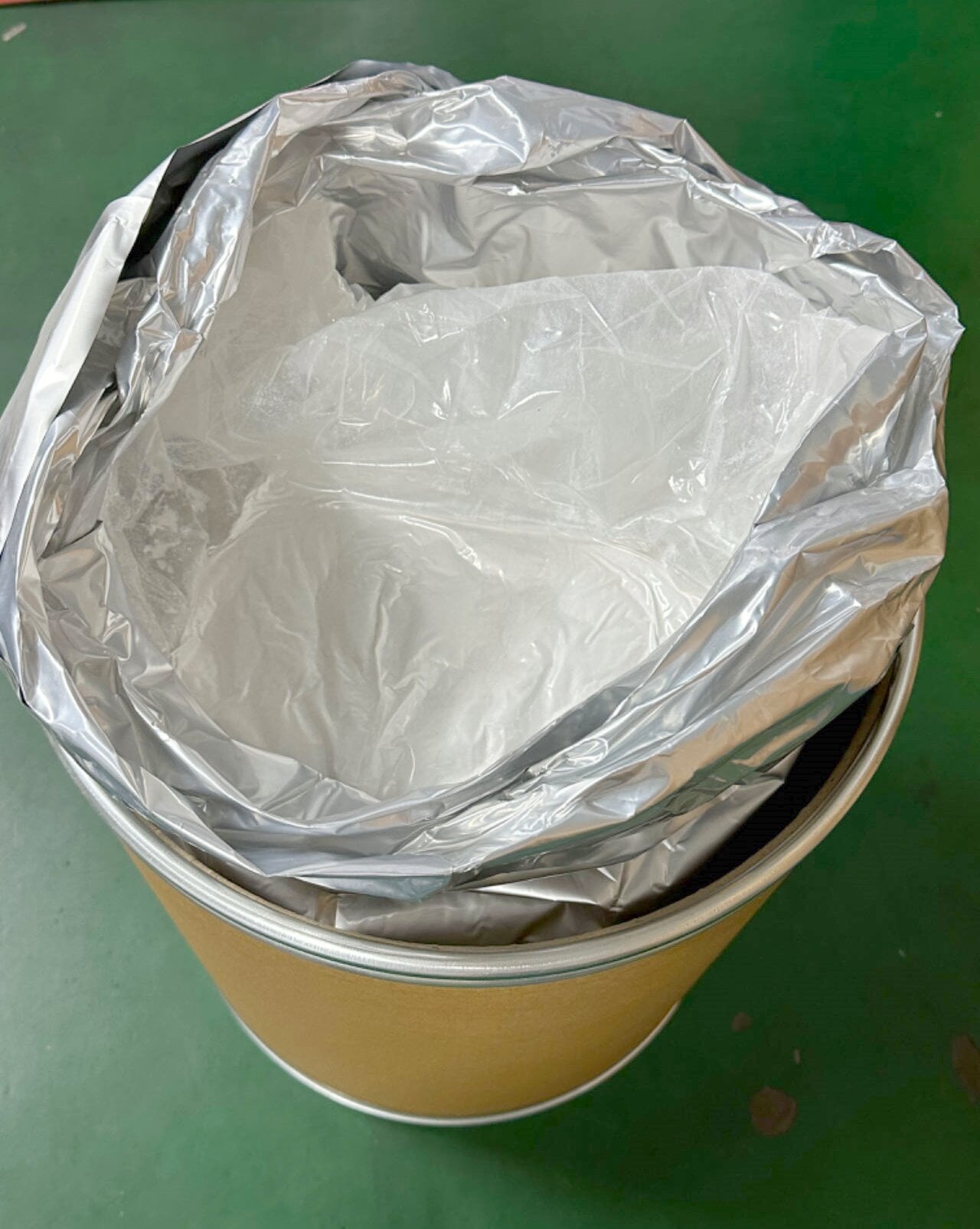
N,N-carbonyldiimidazole CDI is a widely used coupling reagent in pharmaceutical synthesis, biochemistry, and materials science applications. During commercial manufacturing and storage, N,N-carbonyldiimidazole CDI frequently contains solvent residues that can compromise product quality, reaction efficiency, and downstream application success. Understanding which solvents remain in commercial N,N-carbonyldiimidazole CDI batches and how to effectively remove them is critical for laboratories and manufacturers seeking consistent, high-purity reagents.
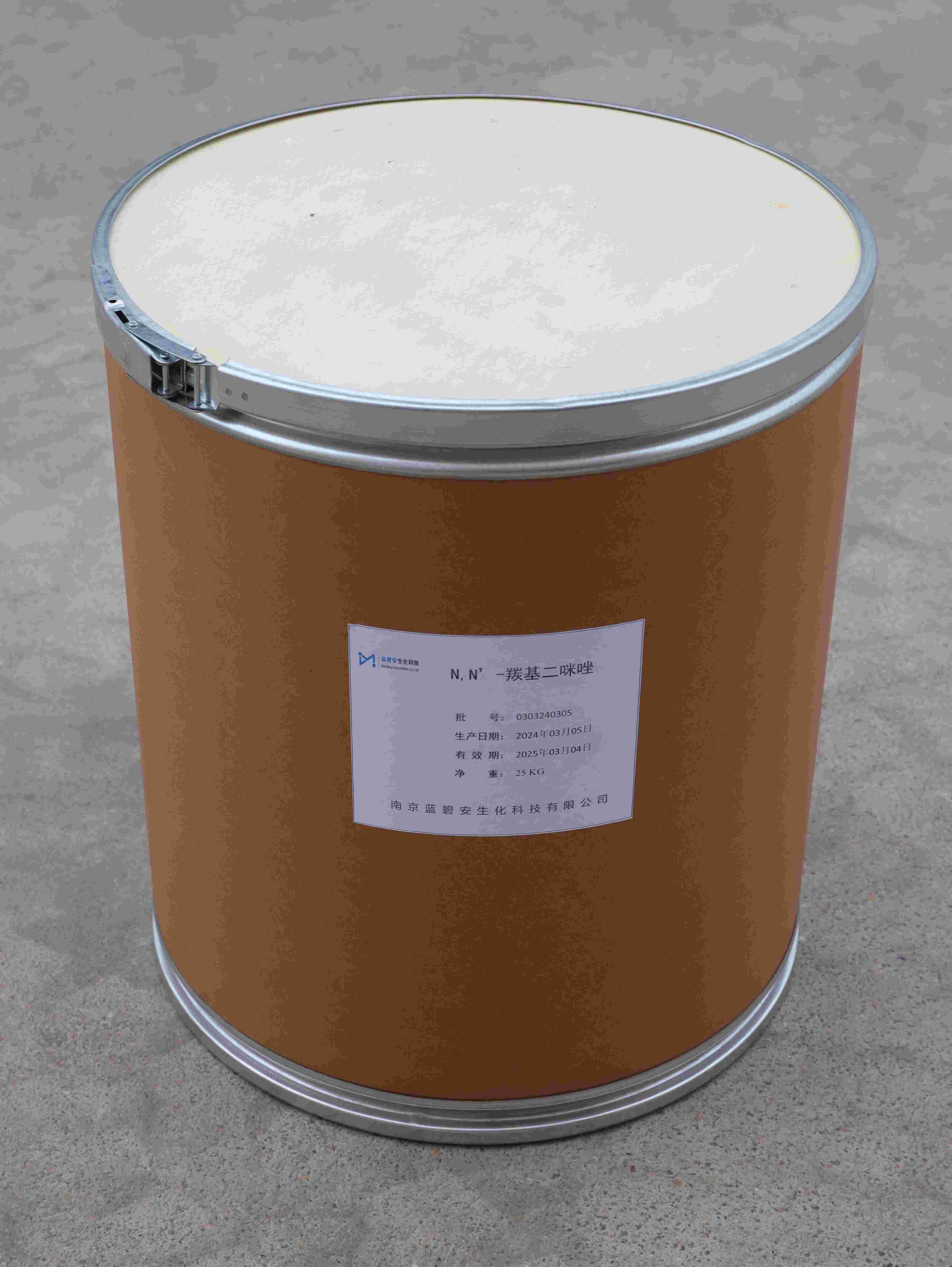
Solvent residues present a genuine technical challenge in the supply chain for N,N-carbonyldiimidazole CDI. These residues originate from the synthesis process, crystallization steps, and drying procedures used during production. The presence of residual solvents in N,N-carbonyldiimidazole CDI can interfere with coupling reactions, reduce reagent potency, introduce water, and create batch-to-batch variability. This article explores the most common solvent residues found in commercial N,N-carbonyldiimidazole CDI and provides practical removal strategies to restore reagent quality.
Common Solvent Residues Found in Commercial N,N-Carbonyldiimidazole CDI
Dichloromethane and Chlorinated Solvents in N,N-Carbonyldiimidazole CDI
Dichloromethane (DCM) is one of the most frequently encountered solvent residues in commercial N,N-carbonyldiimidazole CDI batches. This solvent is widely used during synthesis and recrystallization because it dissolves N,N-carbonyldiimidazole CDI efficiently and allows formation of high-purity crystals. However, dichloromethane has a relatively high boiling point and tends to remain in solid material even after standard drying procedures. When N,N-carbonyldiimidazole CDI contains dichloromethane residues, the reagent may appear slightly wet or have an oily texture, and reaction kinetics can be significantly impaired.
Chloroform is another chlorinated solvent occasionally found in N,N-carbonyldiimidazole CDI. Both dichloromethane and chloroform residues in N,N-carbonyldiimidazole CDI are problematic because they can interfere with water-sensitive coupling reactions. These solvents also contribute to environmental and regulatory concerns, making their removal from N,N-carbonyldiimidazole CDI a compliance and safety priority for many facilities.
Acetone and Ketone Residues in N,N-Carbonyldiimidazole CDI
Acetone is frequently used in wash steps during N,N-carbonyldiimidazole CDI manufacturing because it readily dissolves impurities while allowing N,N-carbonyldiimidazole CDI crystals to remain stable. Acetone has a lower boiling point than dichloromethane, so acetone residues in N,N-carbonyldiimidazole CDI are generally easier to remove through heating. However, acetone can still persist in significant concentrations in N,N-carbonyldiimidazole CDI if drying is rushed or conducted under humid conditions. Acetone residues in N,N-carbonyldiimidazole CDI may absorb ambient moisture, leading to increased water content that directly degrades reagent performance.
Impact of Solvent Residues on N,N-Carbonyldiimidazole CDI Quality and Performance
Water Absorption and Hydrolysis Risk in N,N-Carbonyldiimidazole CDI
Solvent residues in N,N-carbonyldiimidazole CDI act as hygroscopic agents, actively absorbing moisture from the surrounding air during storage and handling. When N,N-carbonyldiimidazole CDI absorbs water, the imidazole rings become susceptible to hydrolysis, which converts active N,N-carbonyldiimidazole CDI molecules into inactive byproducts. This hydrolysis mechanism is particularly aggressive in the presence of trace acids or bases in the batch. The result is that N,N-carbonyldiimidazole CDI with high solvent residue levels often shows lower effective titer and shorter shelf life compared to ultra-dry materials.
Reaction Efficiency and Coupling Yield Reduction
Solvent residues in N,N-carbonyldiimidazole CDI directly reduce reaction efficiency by competing with substrates for the reactive carbonyl group. When researchers use N,N-carbonyldiimidazole CDI that contains acetone or dichloromethane residues, coupling yields typically decrease by 10–30% compared to ultra-pure N,N-carbonyldiimidazole CDI. This efficiency loss translates to higher reagent consumption per gram of product, increased reaction times, and lower overall process yield. For pharmaceutical and specialty chemical applications, solvent residues in N,N-carbonyldiimidazole CDI represent an unacceptable source of variability and cost.
Practical Methods to Remove Solvent Residues from N,N-Carbonyldiimidazole CDI
Vacuum Drying Procedures for N,N-Carbonyldiimidazole CDI
Vacuum drying is the most effective single method for removing solvent residues from N,N-carbonyldiimidazole CDI. This technique involves placing N,N-carbonyldiimidazole CDI under reduced pressure at controlled temperature, typically 40–60 degrees Celsius for 8–16 hours. The reduced pressure lowers the boiling point of residual solvents, allowing dichloromethane, acetone, and other volatiles to evaporate rapidly from the N,N-carbonyldiimidazole CDI without requiring higher temperatures that could degrade the reagent. Modern vacuum ovens designed for sensitive chemicals can reduce solvent residues in N,N-carbonyldiimidazole CDI by 85–95% through this method.
For optimal results when processing N,N-carbonyldiimidazole CDI under vacuum, maintain pressure below 50 millibars and monitor weight loss over time to confirm solvent removal. When residual solvent concentration in N,N-carbonyldiimidazole CDI stabilizes and weight loss plateaus, the material has reached effective dryness. Store the processed N,N-carbonyldiimidazole CDI immediately in inert gas or desiccated containers to prevent reabsorption of moisture.
Solvent Exchange and Recrystallization for N,N-Carbonyldiimidazole CDI
Solvent exchange is a secondary purification method that removes problematic solvent residues from N,N-carbonyldiimidazole CDI by dissolving the reagent in a clean solvent with lower boiling point, then evaporating that replacement solvent under controlled conditions. For example, transferring N,N-carbonyldiimidazole CDI into anhydrous ethyl ether or n-heptane and allowing evaporation under nitrogen stream effectively replaces high-boiling dichloromethane with a more volatile solvent that can be easily removed. Recrystallization of N,N-carbonyldiimidazole CDI from anhydrous solvents followed by vacuum drying provides the highest purity material, though this approach requires additional time and equipment investment.
Inert Gas Flow Drying for N,N-Carbonyldiimidazole CDI
Flowing dry nitrogen or argon gas through a column of N,N-carbonyldiimidazole CDI at ambient or mildly elevated temperature provides a gentle alternative to vacuum drying. This method is particularly effective for removing acetone and other ketone residues from N,N-carbonyldiimidazole CDI because the flowing gas continuously carries away evaporated solvents. Inert gas flow drying typically requires 4–6 hours to achieve substantial reduction in solvent residues within N,N-carbonyldiimidazole CDI, making it slower than vacuum drying but more suitable for delicate batches or facilities without vacuum equipment access.
FAQ
What is the typical range of solvent residue concentration in commercial N,N-carbonyldiimidazole CDI?
Commercial N,N-carbonyldiimidazole CDI batches typically contain 0.5–5.0% (w/w) residual solvent, with dichloromethane and acetone comprising the majority. Pharmaceutical-grade N,N-carbonyldiimidazole CDI should contain less than 0.2% residual solvent, while research-grade material may tolerate up to 1.0%. Always request a solvent residue analysis report from your supplier when purchasing N,N-carbonyldiimidazole CDI for critical applications.
How do I know if my N,N-carbonyldiimidazole CDI contains excessive solvent residues?
Signs of high solvent residue concentration in N,N-carbonyldiimidazole CDI include oily or wet appearance, unpleasant chemical odor, reduced coupling efficiency in test reactions, lower than expected melting point, and rapid moisture absorption during storage. A simple screening test involves weighing a small sample of N,N-carbonyldiimidazole CDI, heating it under vacuum for 2 hours at 50 degrees Celsius, then reweighing to estimate solvent content. Karl Fischer titration provides the most accurate quantification of water and residual solvent within N,N-carbonyldiimidazole CDI.
Can solvent residues in N,N-carbonyldiimidazole CDI be completely eliminated without specialized equipment?
Partial solvent removal from N,N-carbonyldiimidazole CDI is possible through gentle heating under a fume hood in a desiccator for 24–48 hours, but this method typically reduces solvent content by only 50–70%. Complete removal of solvent residues from N,N-carbonyldiimidazole CDI requires either vacuum drying equipment or professional recrystallization services. For critical applications, always source ultra-pure, pre-dried N,N-carbonyldiimidazole CDI from reputable chemical suppliers rather than attempting extensive in-house recovery of compromised material.