
 EN
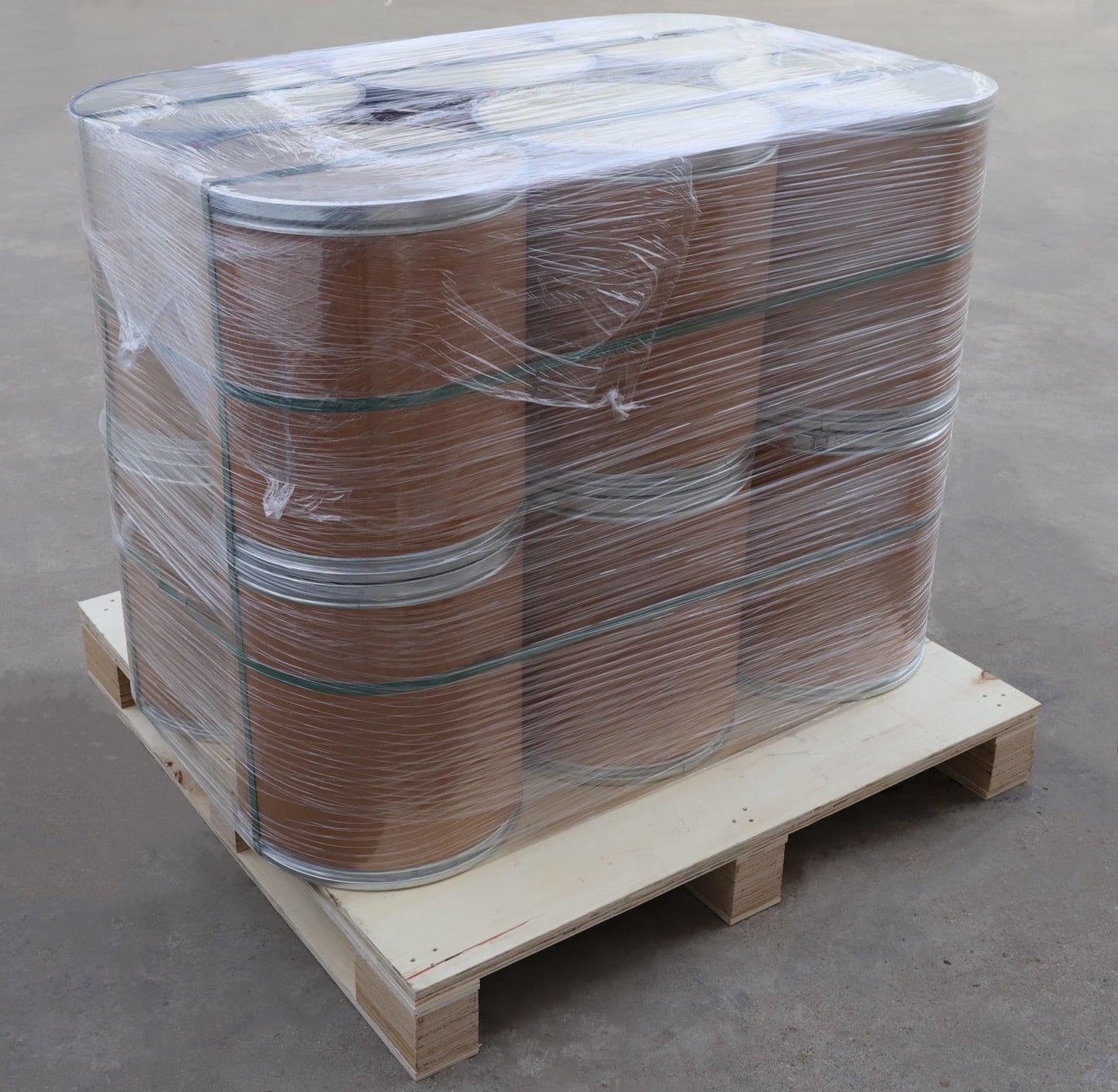
The synthesis of amides represents one of the most fundamental transformations in organic chemistry, and the selection of an appropriate coupling reagent is critical to achieving high yields and selectivity. CAS 530-62-1, commonly known as carbonyldiimidazole or CDI, has emerged as one of the most versatile and reliable coupling reagents available to synthetic chemists. Understanding how CAS 530-62-1 functions mechanistically and practically in amide synthesis enables chemists to optimize reaction conditions, scale processes efficiently, and produce complex peptides and pharmaceutical intermediates with confidence. This comprehensive guide explores the chemistry, methodology, and industrial applications of CAS 530-62-1 in amide bond formation.
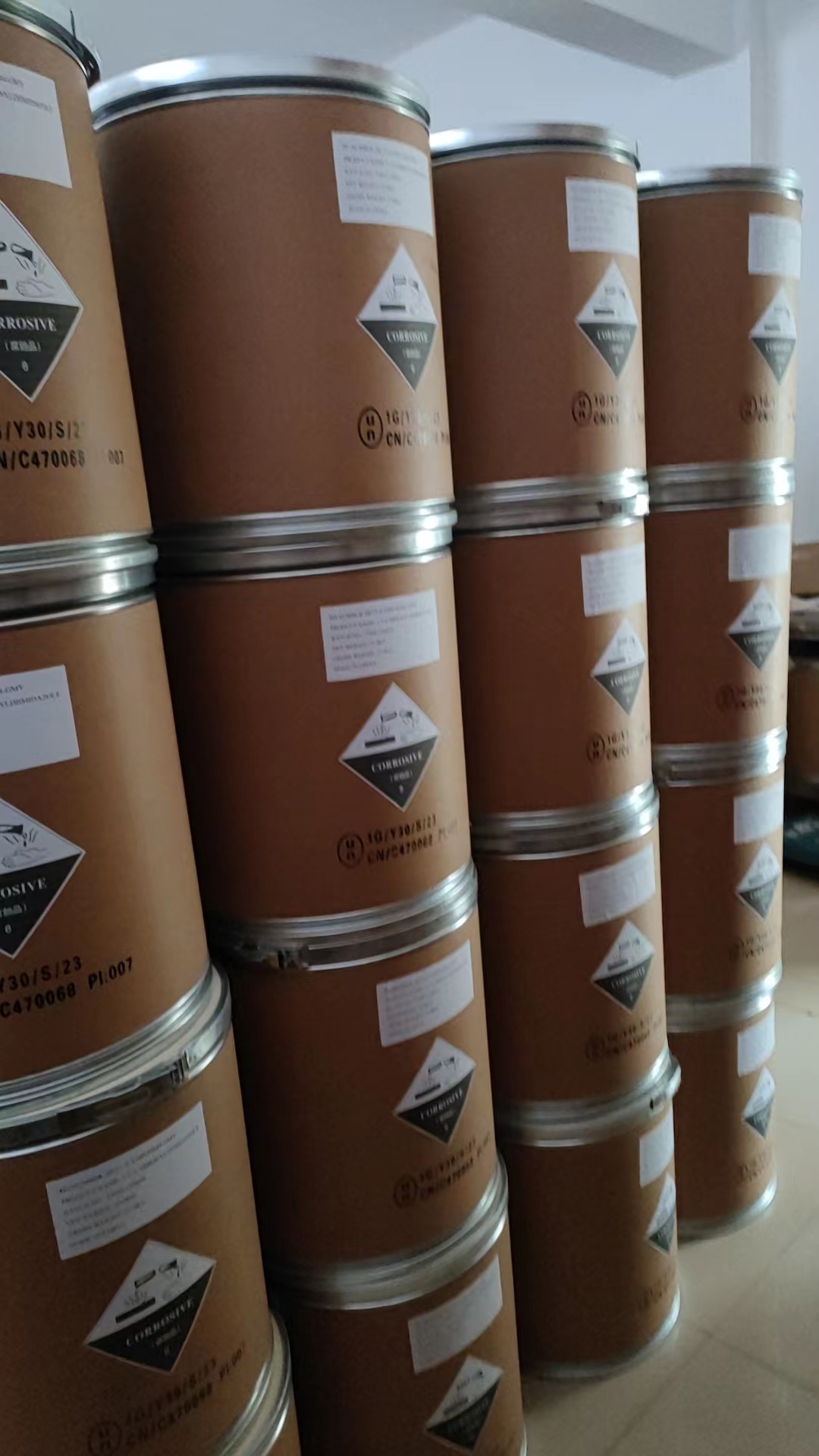
CAS 530-62-1 operates through a well-defined mechanistic pathway that activates carboxylic acids into highly reactive intermediates, making amide bond formation efficient and reproducible. The reagent's ability to function across a broad substrate scope, from simple primary amines to complex secondary amines and hindered nucleophiles, makes it an indispensable tool in both academic laboratories and industrial synthesis. Whether you are developing a new pharmaceutical compound, scaling a peptide synthesis, or exploring novel coupling strategies, understanding the nuances of how CAS 530-62-1 works provides the foundation for successful amide synthesis campaigns.
Mechanistic Foundation of CAS 530-62-1 in Amide Formation
Carboxylic Acid Activation by CAS 530-62-1
The mechanism of CAS 530-62-1 begins with the activation of a carboxylic acid substrate. When CAS 530-62-1 encounters a carboxylic acid in the presence of a base such as triethylamine or N-methylmorpholine, the imidazole rings of CAS 530-62-1 are activated through deprotonation at the carboxylic acid proton. This step generates a highly electrophilic mixed anhydride intermediate, sometimes referred to as the acyl-imidazole species. The electrophilicity of this intermediate is substantially higher than that of the original carboxylic acid, making it far more susceptible to nucleophilic attack by amine substrates. The formation of this activated intermediate occurs rapidly and irreversibly under mild conditions, which contributes to the efficiency and reliability of CAS 530-62-1 as a coupling reagent.
Amine Attack and Amide Bond Formation
Following activation by CAS 530-62-1, the electrophilic acyl-imidazole intermediate is attacked by the amine nucleophile. This nucleophilic substitution displaces one imidazole leaving group and forms the carbon-nitrogen amide bond. CAS 530-62-1 is particularly effective because the imidazole moiety is an excellent leaving group, possessing both good resonance stability and favorable kinetic properties. The imidazole leaving group departs readily, driving the reaction to completion and generating the desired amide product. Unlike some alternative coupling reagents that generate bulky or persistent byproducts, the imidazole byproducts from CAS 530-62-1 are small, often volatile or easily removable, and do not interfere with downstream purification steps.
Reaction Conditions and Optimization with CAS 530-62-1
Solvent Selection for CAS 530-62-1 Couplings
The choice of solvent significantly influences the reactivity and selectivity of CAS 530-62-1 coupling reactions. Aprotic solvents such as dichloromethane, N,N-dimethylformamide, dimethyl sulfoxide, and tetrahydrofuran are preferred because they facilitate both carboxylic acid activation and amine nucleophilicity without competing nucleophilic reactions. CAS 530-62-1 demonstrates good solubility in these solvents, ensuring homogeneous reaction conditions. Protic solvents such as water or alcohols generally decrease reactivity because they can protonate the activated intermediate and interfere with the coupling mechanism. In industrial settings, CAS 530-62-1 is often employed in a single solvent or in solvent mixtures that balance cost, environmental considerations, safety, and reactivity. The selection of solvent also impacts the physical properties of the coupling reaction, including exothermicity, crystallization behavior, and ease of product isolation.
Base Stoichiometry and Temperature Control
The base employed in CAS 530-62-1 couplings serves multiple roles: it deprotonates the carboxylic acid, facilitates the formation of the reactive acyl-imidazole intermediate, and maintains the amine nucleophile in its free, reactive form. Commonly used bases include triethylamine, N-methylmorpholine, pyridine, and cesium carbonate, each offering different advantages in terms of reactivity, cost, and solubility. Stoichiometric ratios typically require one equivalent of base per carboxylic acid substrate, though excess base may be employed to drive reactions to completion or to compensate for competing side reactions. Temperature control is essential when using CAS 530-62-1 because elevated temperatures can accelerate not only the desired coupling reaction but also potential epimerization of alpha-amino acid derivatives or decomposition of sensitive substrates. Most CAS 530-62-1 couplings proceed efficiently at room temperature, though some sluggish substrates benefit from modest heating to 40–60 degrees Celsius.
Practical Applications and Advantages of CAS 530-62-1
Peptide and Protein Synthesis Using CAS 530-62-1
In peptide synthesis, both solution-phase and solid-phase approaches benefit significantly from the coupling efficiency of CAS 530-62-1. The reagent's ability to couple carboxylic acids rapidly and with minimal racemization makes it particularly valuable in synthetic campaigns targeting complex peptides, cyclic peptides, and peptide-protein conjugates. Many laboratories have adopted CAS 530-62-1 as a standard coupling reagent for solid-phase peptide synthesis on resins, where the high reactivity and complete coupling efficiency reduce cycle times and improve final product purity. Furthermore, CAS 530-62-1 demonstrates excellent compatibility with common protecting groups employed in peptide chemistry, including benzyl esters, tert-butyl esters, trityl protecting groups, and Fmoc or Boc amine-protecting groups. The mild reaction conditions associated with CAS 530-62-1 minimize side reactions such as aspartimide formation or threonine-derived oxazolines, which can compromise the quality of complex peptide structures.
Pharmaceutical Intermediate and Fine Chemical Synthesis
Pharmaceutical manufacturers and contract research organizations utilize CAS 530-62-1 extensively in the synthesis of drug candidates, active pharmaceutical ingredients, and structural intermediates. The reliability and reproducibility of CAS 530-62-1 coupling reactions make it ideal for manufacturing scale-up, where consistent product quality and high atom economy are paramount. Many marketed pharmaceuticals contain amide bonds that were originally formed using CAS 530-62-1 or similar coupling chemistry during their original discovery and development. The reagent's effectiveness with secondary amines and sterically hindered nucleophiles makes it particularly useful for forming complex amide linkages that might be difficult to achieve with alternative coupling methods. Additionally, because CAS 530-62-1 produces minimal waste and does not require extended reaction times, its use often reduces overall manufacturing costs and environmental impact compared to alternative coupling strategies.
Comparison to Alternative Coupling Reagents
While CAS 530-62-1 is highly effective, the landscape of coupling reagents includes other notable alternatives such as EDC (ethyl-3-dimethylaminopropylcarbodiimide), DCC (dicyclohexylcarbodiimide), HBTU, and PyBOP. CAS 530-62-1 offers distinct advantages: it is stable as a solid under ambient conditions without requiring dry storage, it does not generate explosive byproducts upon decomposition, and it produces imidazole leaving groups that are readily removable in most purification strategies. EDC and DCC require hydroxybenzotriazole or similar additives to prevent rearrangements and form stable intermediates, whereas CAS 530-62-1 functions effectively without such additives. The imidazole byproducts from CAS 530-62-1 are also less likely to persist on product surfaces or interfere with spectroscopic characterization compared to some alternative coupling byproducts. For many applications, chemists select CAS 530-62-1 when they prioritize simplicity, safety, and reliability over cost considerations, since CAS 530-62-1 commands a moderate price point relative to some specialty reagents.
FAQ
What is the standard safety protocol when handling CAS 530-62-1 in a laboratory?
CAS 530-62-1 should be stored in a tightly sealed container under inert atmosphere or in a dry, cool environment to prevent hydrolysis from atmospheric moisture. The reagent is generally regarded as non-toxic in standard laboratory quantities, but practitioners should avoid inhalation of dust and skin contact. Safety equipment including nitrile gloves, lab coats, and safety glasses should be worn during handling. Disposal of CAS 530-62-1 and its byproducts should follow institutional chemical waste protocols; imidazole byproducts are generally water-soluble and can be managed as aqueous organic waste in many facilities. Organizations using CAS 530-62-1 should maintain safety data sheets and consult their safety officer regarding proper storage, handling, and disposal procedures.
Can CAS 530-62-1 be used for coupling amines without carboxylic acids?
CAS 530-62-1 is specifically designed to activate carboxylic acids for subsequent amide bond formation with amine nucleophiles. It is not typically employed to couple amines directly with other electrophilic species. However, creative chemists have explored the use of CAS 530-62-1 in reverse, such as activating amines through N-carboxyl intermediates, though these applications remain less common and more niche compared to traditional carboxylic acid activation. The primary and most effective role of CAS 530-62-1 remains the conversion of carboxylic acids into reactive intermediates for amide synthesis.
How does scale influence the use of CAS 530-62-1 in manufacturing?
At manufacturing scale, CAS 530-62-1 coupling reactions benefit from precise control of temperature, stoichiometry, addition rate, and mixing intensity to ensure consistent batch quality and high yields. Large-scale reactors facilitate heat dissipation, which is important because CAS 530-62-1 reactions are generally exothermic. The bulk pricing of CAS 530-62-1 becomes more favorable at kilogram quantities, making it economically attractive for industrial synthesis. Automated or semi-automated feeding systems can be employed to optimize the coupling reaction kinetics. Process validation studies confirm that CAS 530-62-1 coupling reactions scale predictably from laboratory to pilot to manufacturing scale, though parameters such as reactor jacket temperature, agitation speed, and feed timing may require adjustment to maintain desired reaction rates and product purity.