Thermally Latent Catalyst Solutions Overview

All Categories

thermally latent catalyst

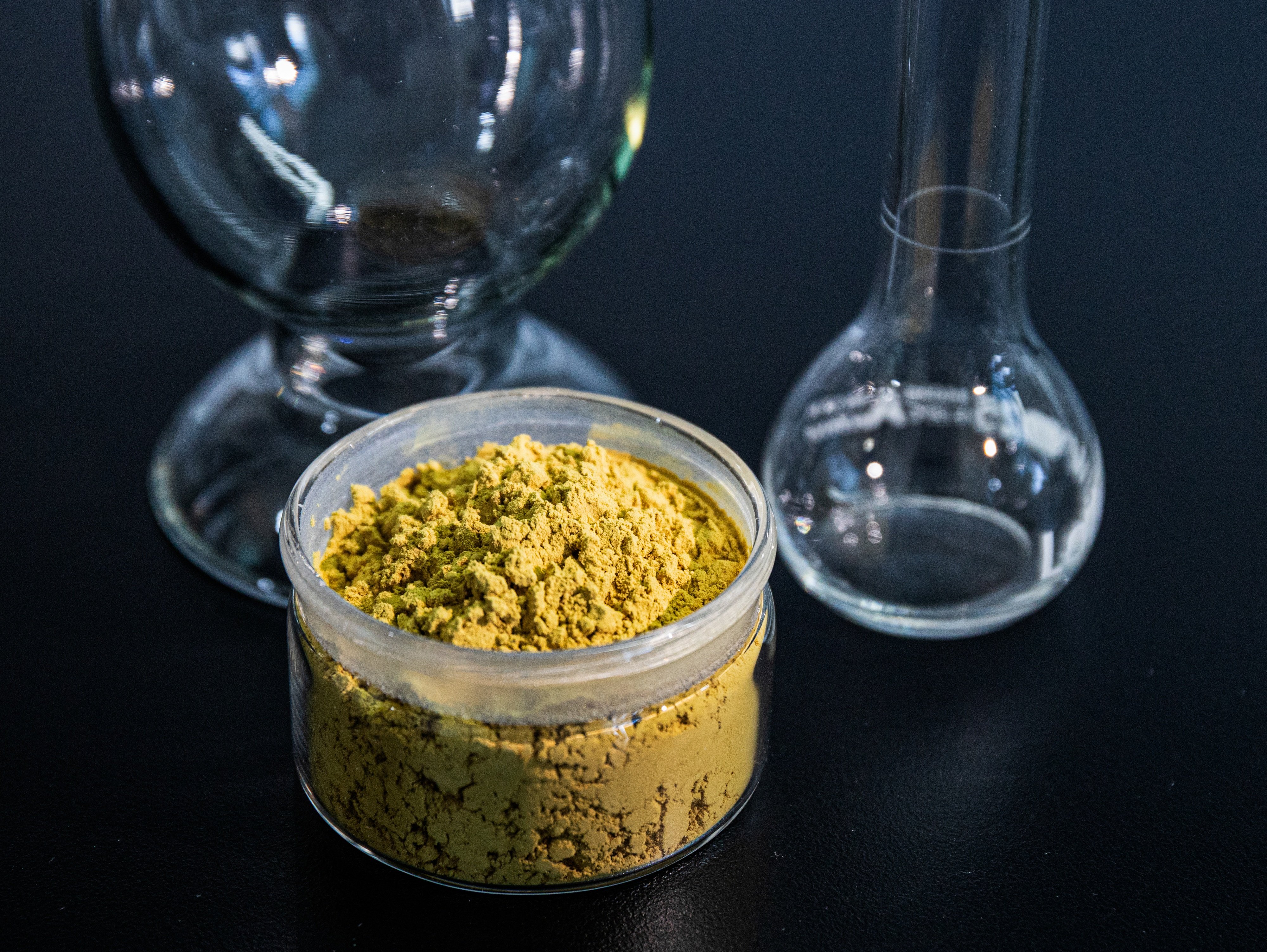
A thermally latent catalyst represents an innovative chemical agent designed to remain inactive at room temperature and activate only when exposed to elevated temperatures. This specialized catalyst provides manufacturers with unprecedented control over curing processes in various applications, from adhesives to coatings and composite materials. The thermally latent catalyst functions by remaining dormant during storage and handling, preventing premature reactions that could compromise product quality or shelf life. When heat is applied during processing, the catalyst triggers polymerization or crosslinking reactions with precision and consistency. This technology eliminates the need for separate mixing steps and reduces waste associated with pot life limitations. The main technological feature of a thermally latent catalyst lies in its temperature-sensitive activation mechanism, which ensures reactions occur only at predetermined thermal thresholds. This characteristic enables single-component formulations that offer extended storage stability while delivering rapid curing performance when needed. Applications span multiple industries including aerospace composites, automotive coatings, electronics encapsulation, and construction adhesives. The thermally latent catalyst technology supports manufacturing efficiency by simplifying production workflows and enabling automated processes. These catalysts are engineered to provide consistent activation temperatures, predictable reaction kinetics, and compatibility with various resin systems. Their unique properties make them essential for applications requiring precise timing, controlled reaction rates, and high-performance final properties in demanding environments.

New Products

The thermally latent catalyst delivers significant practical benefits that directly impact your production efficiency and product quality. By remaining inactive during storage, this catalyst extends shelf life considerably, reducing material waste and inventory costs while eliminating concerns about premature curing. You gain complete control over when reactions begin, allowing for flexible production scheduling and longer working times without compromising final performance. This catalyst enables single-component formulations that simplify your supply chain, reduce mixing errors, and streamline manufacturing operations. Your production teams benefit from safer handling procedures since the catalyst remains stable at ambient temperatures, minimizing exposure risks and reducing special storage requirements. The thermally latent catalyst activates rapidly and predictably when heated, ensuring consistent curing across batches and reducing quality control variations. This reliability translates into fewer rejected parts and lower rework costs. For applications requiring precise placement or complex assembly steps, the extended working time provides operators with adequate opportunity to position components accurately before heat activation initiates curing. The technology supports automated manufacturing processes where temperature control triggers reactions at optimal moments in production sequences. Energy efficiency improves because curing occurs quickly once activation temperature is reached, reducing oven times and throughput bottlenecks. Your finished products achieve superior mechanical properties, chemical resistance, and durability compared to conventional catalyst systems. The thermally latent catalyst suits applications ranging from high-performance aerospace components to cost-sensitive consumer products, offering scalability across production volumes. Decision-makers appreciate how this technology reduces total cost of ownership through decreased waste, improved yield rates, simplified logistics, and enhanced product consistency that strengthens customer satisfaction and brand reputation.

Practical Tips

How do manufacturers optimize CDI amide bonds for production use

07

Jan

How do manufacturers optimize CDI amide bonds for production use

Chemical manufacturing processes rely heavily on efficient bond formation techniques to create stable molecular structures for various industrial applications. Among the most significant developments in organic synthesis, cdi amide bonds represent a ...
View More
How Can Selecting the Right Curing Agent for Epoxy Resins Improve Yield?

12

Feb

How Can Selecting the Right Curing Agent for Epoxy Resins Improve Yield?

The selection of an appropriate curing agent for epoxy resins represents one of the most critical decisions in industrial manufacturing processes, directly impacting product quality, processing efficiency, and overall production yield. Industrial man...
View More
How Do Curing Agents Influence Thermal and Mechanical Properties in Epoxy Resins?

12

Feb

How Do Curing Agents Influence Thermal and Mechanical Properties in Epoxy Resins?

Epoxy resins have become indispensable materials across aerospace, automotive, electronics, and construction industries due to their exceptional adhesive properties, chemical resistance, and mechanical strength. However, the performance characteristi...
View More
How Can Organophosphine Based Catalysts Reduce Defects in Chip Encapsulation?

05

Mar

How Can Organophosphine Based Catalysts Reduce Defects in Chip Encapsulation?

Semiconductor manufacturing faces increasing demands for precision and reliability, particularly in chip encapsulation processes where defects can compromise entire electronic devices. Organophosphine based catalysts have emerged as critical componen...
View More

Get a Free Quote

Our representative will contact you soon.
Email
Name
Company Name
Message
0/1000

thermally latent catalyst

Temperature-Controlled Activation for Enhanced Process Control

Temperature-Controlled Activation for Enhanced Process Control

The thermally latent catalyst provides manufacturers with exceptional process control through its temperature-dependent activation mechanism. This feature allows you to store formulated products indefinitely at room temperature without any risk of premature curing or hardening. The catalyst remains completely dormant until your production process applies the specific activation temperature, which can be precisely engineered to match your equipment capabilities and workflow requirements. This controlled activation eliminates the time pressure associated with traditional two-component systems where mixed materials must be used within limited pot life windows. Your operators gain flexibility to prepare materials in advance, perform complex assembly operations, and ensure proper component positioning before initiating the curing cycle. The predictable activation behavior of the thermally latent catalyst supports consistent quality across production runs, as each batch experiences identical curing conditions when subjected to the same thermal profile. This reliability reduces variability in final product properties and minimizes the risk of defects caused by timing errors or incomplete curing. For manufacturers seeking to optimize production efficiency while maintaining stringent quality standards, the temperature-controlled activation of a thermally latent catalyst represents a transformative advantage.
Extended Shelf Life and Single-Component Convenience

Extended Shelf Life and Single-Component Convenience

The thermally latent catalyst revolutionizes formulation stability by enabling true single-component systems with exceptional shelf life characteristics. Unlike conventional catalysts that begin reactions immediately upon mixing, the thermally latent catalyst remains inactive when combined with resins, hardeners, and other formulation components at ambient temperatures. This stability allows you to manufacture ready-to-use products that can be stored for months or even years without degradation, significantly reducing inventory management complexity and material waste. Single-component formulations eliminate the need for on-site mixing equipment, reduce opportunities for formulation errors, and simplify training requirements for production personnel. Your customers benefit from convenient application processes that require only heating to initiate curing, making the thermally latent catalyst ideal for products distributed through retail channels or used in field applications. The extended working time supports applications requiring intricate assembly, precise alignment, or staged construction processes. Transportation and storage become more cost-effective since single-component systems require less packaging and reduce the risk of ratio errors during mixing. For businesses seeking to differentiate products through user convenience while maintaining professional-grade performance, the thermally latent catalyst delivers compelling value through its combination of stability and simplicity.
Superior Final Properties and Application Versatility

Superior Final Properties and Application Versatility

The thermally latent catalyst enables formulations that achieve outstanding final performance characteristics across diverse application requirements. When activated, this catalyst promotes complete and uniform curing throughout the material, resulting in superior mechanical strength, chemical resistance, and thermal stability compared to room-temperature curing systems. The rapid reaction kinetics following thermal activation allow for shorter curing cycles, improving manufacturing throughput without sacrificing product quality. This catalyst technology demonstrates exceptional versatility, functioning effectively with epoxy resins, polyurethane systems, acrylic formulations, and other polymer chemistries commonly used in industrial applications. The thermally latent catalyst supports applications ranging from structural adhesives in aerospace assemblies to protective coatings for harsh chemical environments and encapsulants for sensitive electronic components. Material scientists can tailor activation temperatures to match specific processing requirements, enabling co-curing with other manufacturing steps or sequential curing in multi-layer constructions. The resulting products exhibit excellent adhesion to various substrates, minimal shrinkage during curing, and long-term durability in demanding service conditions. For industries where performance cannot be compromised, the thermally latent catalyst delivers the reliability and consistency required to meet stringent specifications while offering the processing advantages that reduce manufacturing costs and improve operational efficiency.

Get a Free Quote

Our representative will contact you soon.
Email
Name
Company Name
Message
0/1000