EMC Catalyst Factory Solutions & Manufacturing

All Categories

EMC catalyst factory

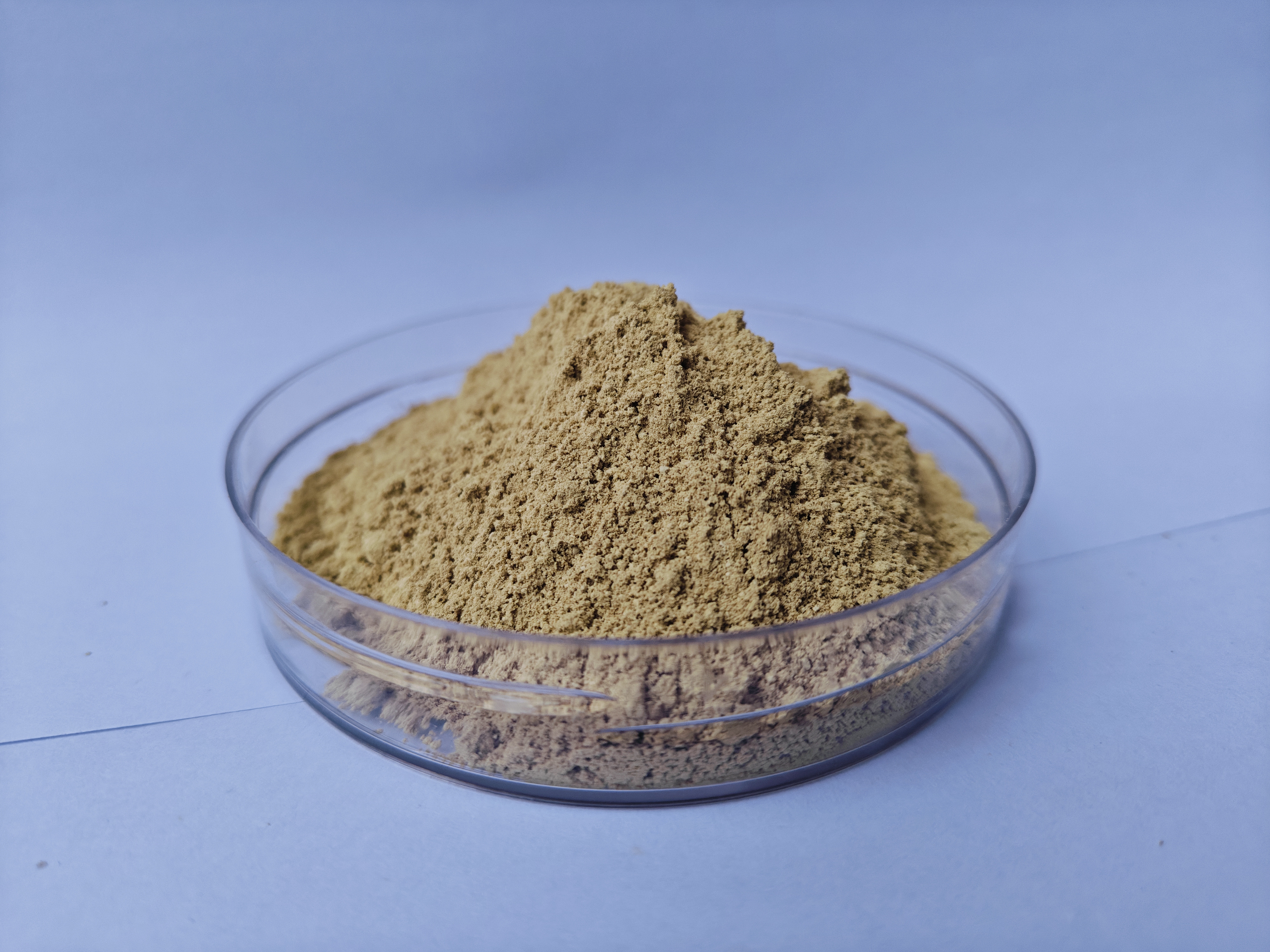
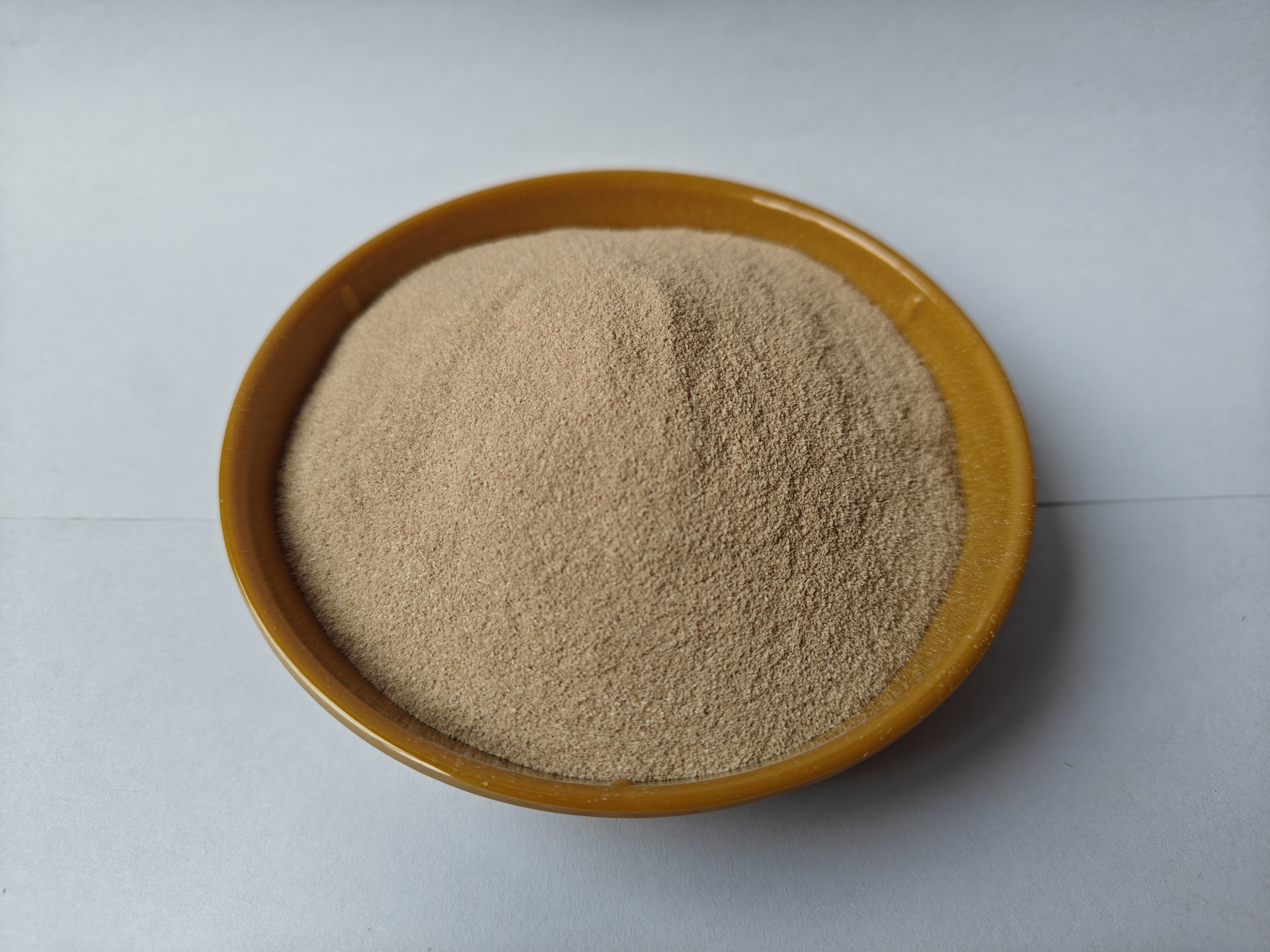
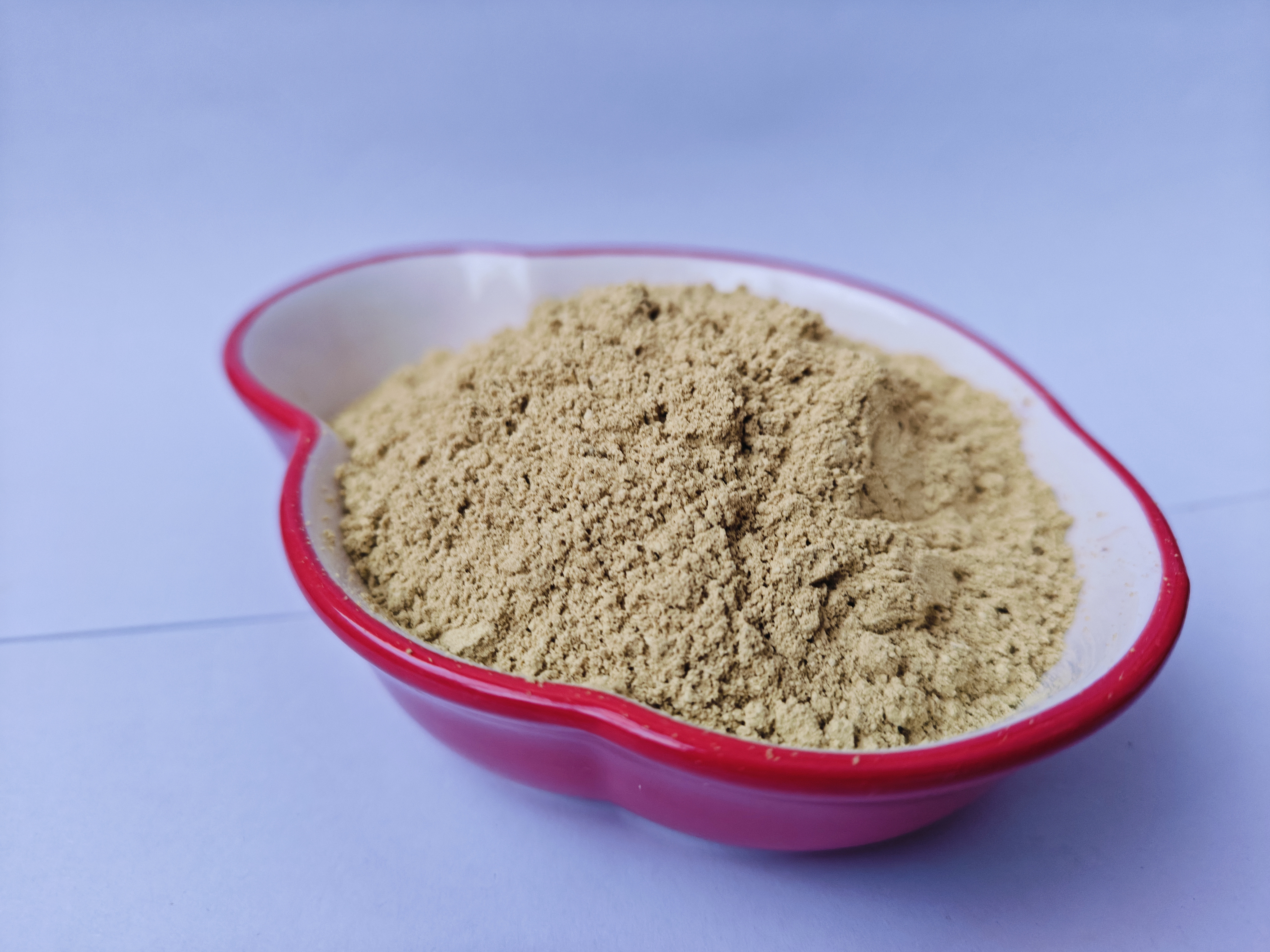
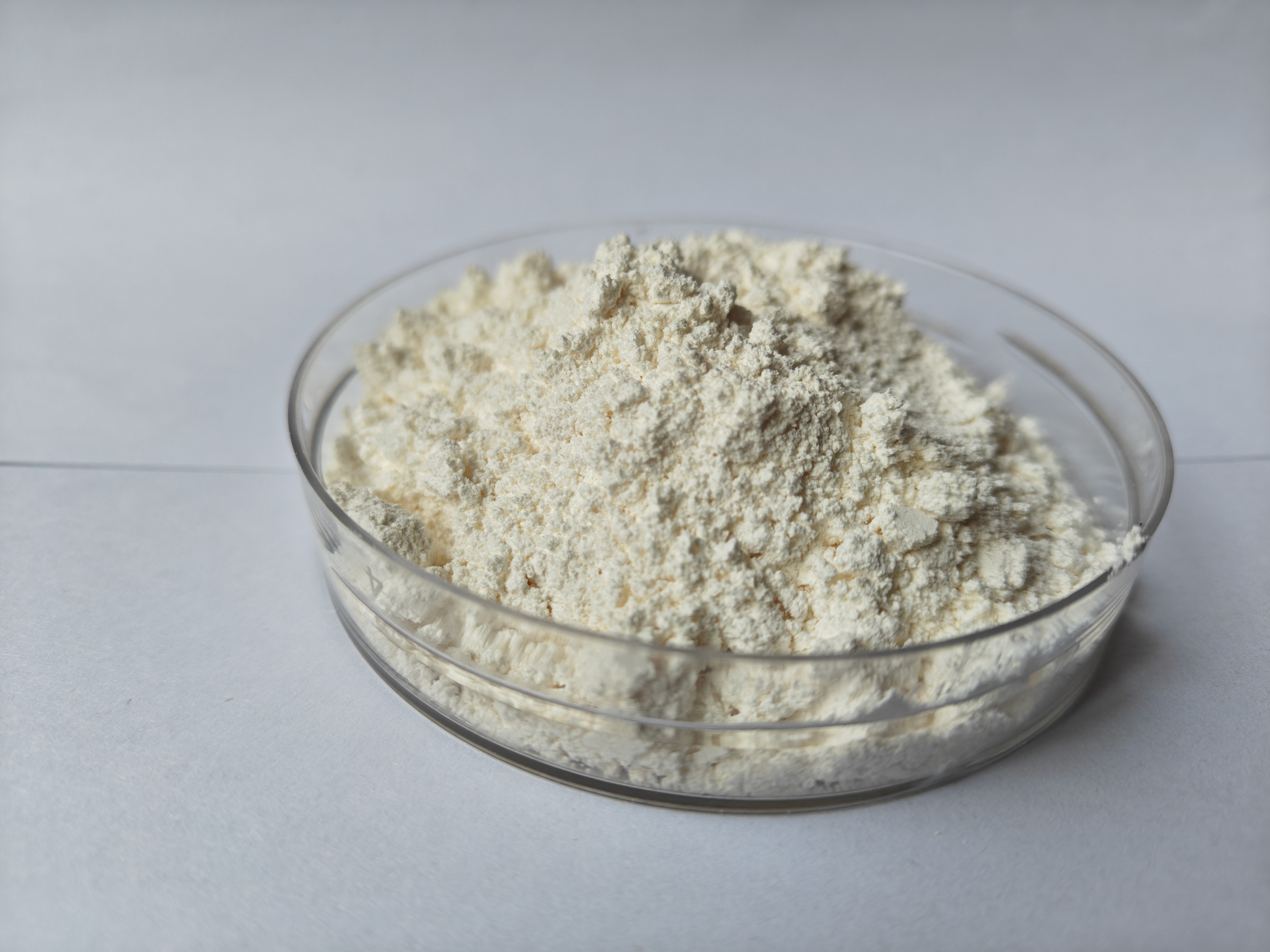
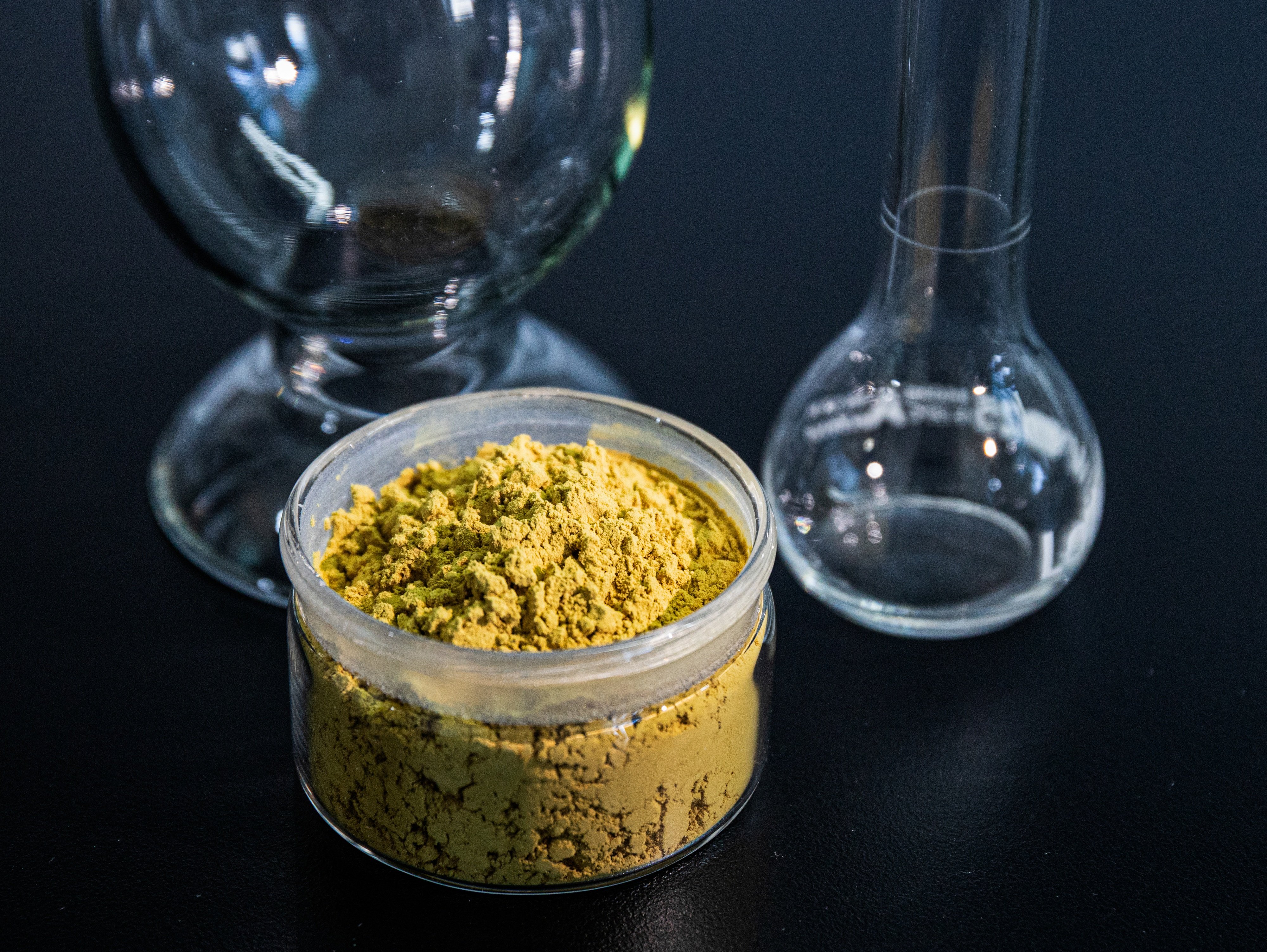
An EMC catalyst factory specializes in the production of advanced catalytic materials designed for electromagnetic compatibility applications and electronic manufacturing compound processes. These facilities manufacture catalysts that enable crucial chemical reactions in the production of electronic encapsulation materials, semiconductor packaging compounds, and various EMC formulations used throughout the electronics industry. The EMC catalyst factory operates with precision-controlled environments where raw materials undergo sophisticated processing to create catalysts with specific surface areas, pore structures, and active sites tailored for polymerization and curing reactions. Modern production lines integrate automated quality control systems that monitor catalyst performance characteristics including activity levels, selectivity ratios, and thermal stability parameters. These factories typically produce multiple catalyst grades to serve different application requirements, from high-speed curing catalysts for mass production environments to specialty formulations for advanced packaging technologies. The manufacturing process encompasses raw material purification, chemical synthesis, calcination procedures, surface modification treatments, and final product formulation. An EMC catalyst factory must maintain strict quality standards and regulatory compliance, ensuring that every batch meets specifications for purity, particle size distribution, and catalytic performance. The facility infrastructure includes specialized reactor systems, drying equipment, milling machinery, and packaging lines designed specifically for catalyst production, all operating under stringent safety protocols to handle reactive chemical substances while minimizing environmental impact through waste treatment and emission control systems.

New Product Releases

Choosing an EMC catalyst factory provides manufacturers with reliable access to high-performance catalytic materials that directly improve production efficiency and product quality. These specialized facilities deliver catalysts with consistent batch-to-batch performance, eliminating variability that can disrupt manufacturing schedules and compromise product specifications. The technical expertise concentrated within an EMC catalyst factory ensures that customers receive materials optimized for their specific processing conditions, whether they require fast-curing formulations for high-throughput production or controlled-release catalysts for complex molding operations. Buyers benefit from reduced material waste because properly formulated catalysts enable complete polymer conversion with minimal residual unreacted components, translating to cost savings and improved product reliability. An established EMC catalyst factory typically offers technical support services that help customers troubleshoot processing challenges, optimize curing cycles, and adapt formulations to new equipment or materials, adding value beyond the physical product. The operational advantages include shorter production cycles due to catalysts engineered for rapid activation and efficient curing, which increases equipment utilization and manufacturing capacity without capital investment. Quality control protocols implemented at an EMC catalyst factory ensure traceability and documentation that supports customer compliance requirements for automotive, aerospace, medical, and consumer electronics applications. The factory's research capabilities enable continuous product improvement and customization opportunities, allowing customers to gain competitive advantages through proprietary catalyst formulations. Supply chain reliability from a dedicated EMC catalyst factory reduces procurement risks and inventory costs while ensuring material availability that matches production planning needs, preventing costly line stoppages or expedited shipping expenses that erode profit margins.

Practical Tips

How Do Organophosphine Based Catalysts Enhance EMC Curing Performance?

12

Dec

How Do Organophosphine Based Catalysts Enhance EMC Curing Performance?

The electronics manufacturing industry has witnessed remarkable advancements in encapsulation materials, particularly in the realm of epoxy molding compounds (EMC). As semiconductor devices become increasingly sophisticated and miniaturized, the dema...
View More
Why Are Organophosphine Based Catalysts Essential for Semiconductor Packaging?

12

Dec

Why Are Organophosphine Based Catalysts Essential for Semiconductor Packaging?

The semiconductor industry relies on precise chemical processes that demand exceptional purity and reliability. Among the various catalyst systems employed in semiconductor packaging applications, organophosphine based catalysts have emerged as indis...
View More
How Can Organophosphine Based Catalysts Reduce Defects in Chip Encapsulation?

05

Mar

How Can Organophosphine Based Catalysts Reduce Defects in Chip Encapsulation?

Semiconductor manufacturing faces increasing demands for precision and reliability, particularly in chip encapsulation processes where defects can compromise entire electronic devices. Organophosphine based catalysts have emerged as critical componen...
View More
Why Are Thermally Latent Catalysts Preferred by Leading EMC Producers?

05

Mar

Why Are Thermally Latent Catalysts Preferred by Leading EMC Producers?

Electronic manufacturing companies worldwide have increasingly turned to advanced chemical solutions to optimize their production processes and enhance product reliability. Among these innovative solutions, thermally latent catalysts have emerged as ...
View More

Get a Free Quote

Our representative will contact you soon.
Email
Name
Company Name
Message
0/1000

EMC catalyst factory

Advanced Manufacturing Capabilities

Advanced Manufacturing Capabilities

The EMC catalyst factory employs state-of-the-art production technologies that ensure superior catalyst quality and performance consistency across all product batches. Sophisticated reactor systems enable precise control over synthesis conditions including temperature profiles, pressure parameters, and reaction atmospheres, which directly influence the catalyst's microstructure and active site distribution. This manufacturing precision translates into catalysts with predictable behavior in customer applications, reducing the trial-and-error typically associated with material changes. The factory utilizes advanced characterization equipment such as surface area analyzers, electron microscopy, and spectroscopic instruments to verify that every production lot meets rigorous specifications before shipment. Automated process controls minimize human error and maintain reproducibility even when scaling between different batch sizes or transitioning between product grades. The infrastructure includes cleanroom environments for sensitive formulations and contamination-free handling systems that preserve catalyst purity from synthesis through final packaging. Investment in continuous improvement programs ensures that manufacturing methods evolve with industry requirements, incorporating emerging technologies that enhance product performance or reduce environmental footprint. This commitment to manufacturing excellence provides customers with a dependable materials source that supports their own quality objectives and production targets.
Comprehensive Technical Support

Comprehensive Technical Support

An experienced EMC catalyst factory provides extensive application engineering support that helps customers achieve optimal results with catalytic materials in their specific production environments. Technical teams work directly with customers to understand their processing equipment, substrate materials, curing conditions, and performance requirements, then recommend catalyst grades and usage levels tailored to those parameters. This collaborative approach accelerates new product development and process optimization while reducing the risk of formulation failures or production delays. The factory maintains application laboratories equipped with industry-standard processing equipment where customers can conduct trials under controlled conditions before committing to full-scale production changes. Detailed technical documentation including safety data sheets, application guides, and troubleshooting resources empowers customer teams to handle routine operations independently while knowing expert assistance remains available for complex challenges. Regular training programs and workshops offered by the EMC catalyst factory keep customer personnel updated on best practices, new product capabilities, and industry trends that may affect their operations. This technical partnership extends product value far beyond the catalyst itself, effectively providing customers with an extension of their own research and development capabilities without the overhead costs of maintaining specialized catalyst expertise in-house.
Customization and Innovation Focus

Customization and Innovation Focus

The EMC catalyst factory maintains robust research and development capabilities dedicated to creating customized catalyst solutions that address unique customer requirements and emerging industry challenges. Rather than offering only standard catalog products, the facility can modify existing formulations or develop entirely new catalyst systems to match specific performance criteria such as accelerated cure rates, extended pot life, reduced processing temperatures, or compatibility with novel resin systems. This flexibility proves invaluable when customers develop proprietary EMC formulations or adopt advanced packaging technologies that demand catalyst characteristics unavailable from conventional products. The innovation pipeline within the factory continuously explores next-generation catalyst technologies including nanostructured materials, hybrid organic-inorganic systems, and environmentally sustainable alternatives to traditional formulations containing heavy metals or volatile organic compounds. Collaborative development agreements allow customers to participate in defining product roadmaps and gaining early access to breakthrough technologies that provide competitive differentiation in their markets. Intellectual property management practices protect customer proprietary information while enabling the factory to leverage its expertise across multiple development projects. This innovation orientation ensures that the EMC catalyst factory remains a forward-looking partner capable of supporting customer growth into new applications and markets rather than simply supplying commodity materials for existing processes.

Get a Free Quote

Our representative will contact you soon.
Email
Name
Company Name
Message
0/1000