Solder Mask Ink Curing Agent Solutions

All Categories

solder mask ink curing agent

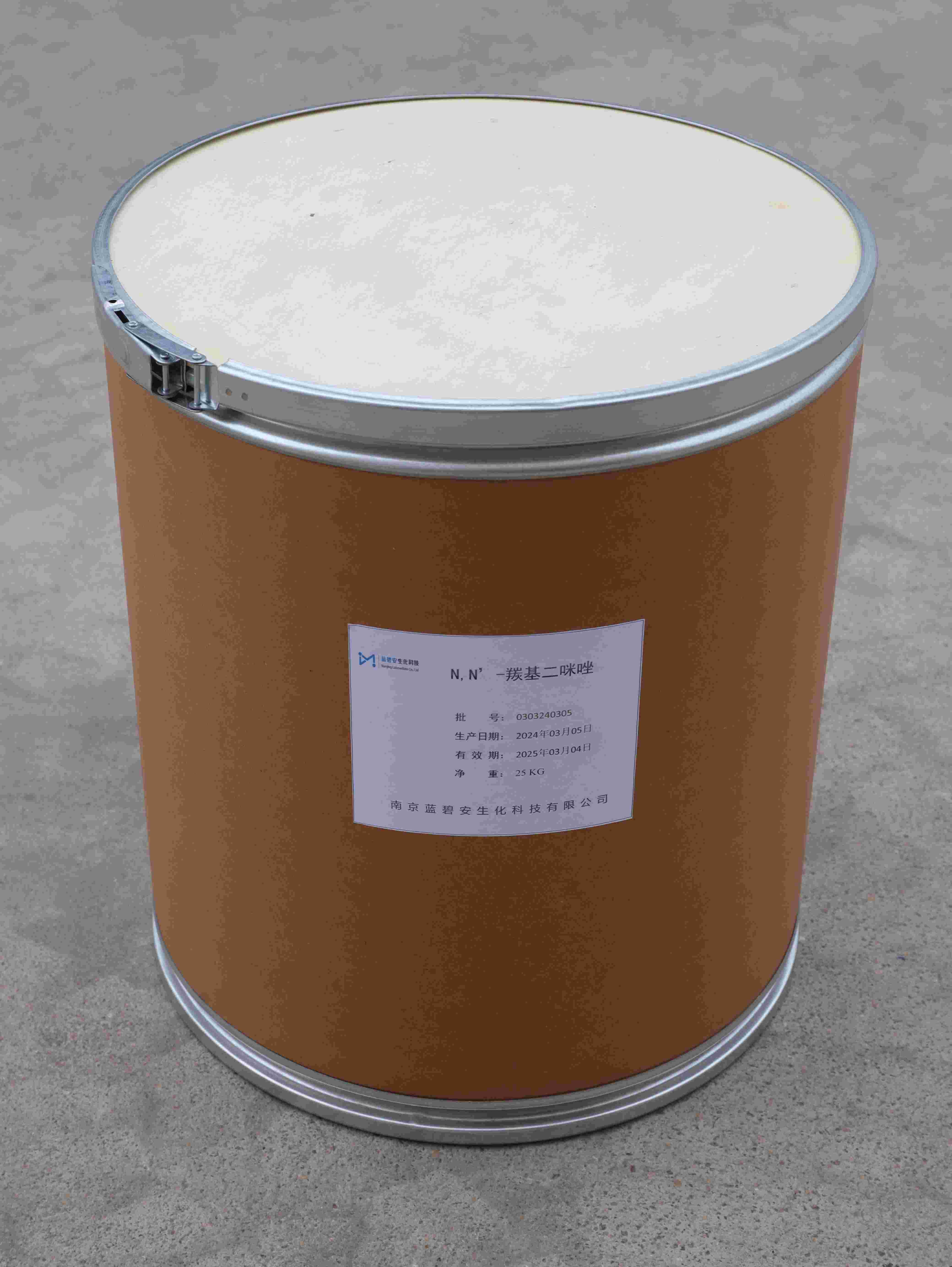
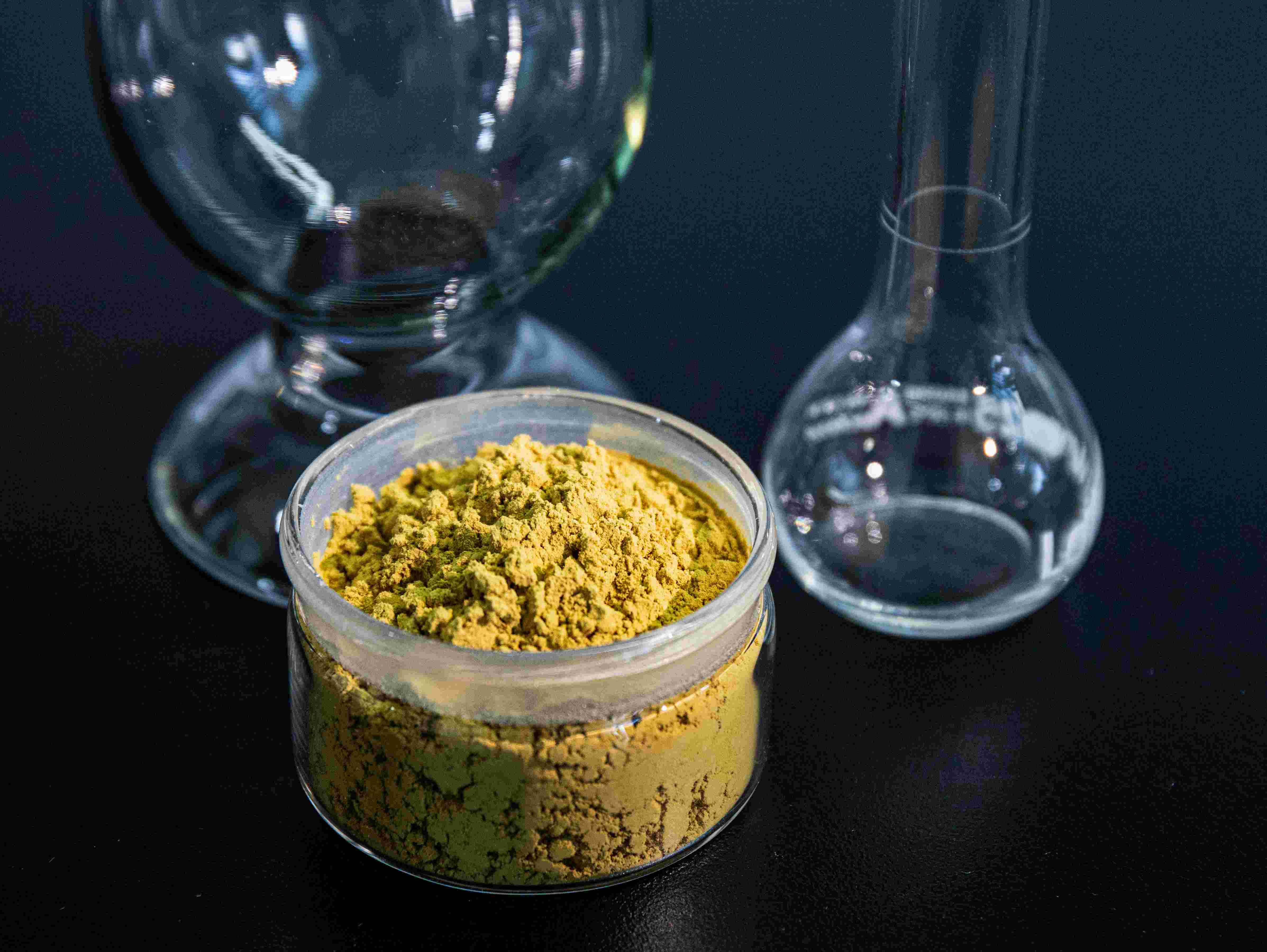
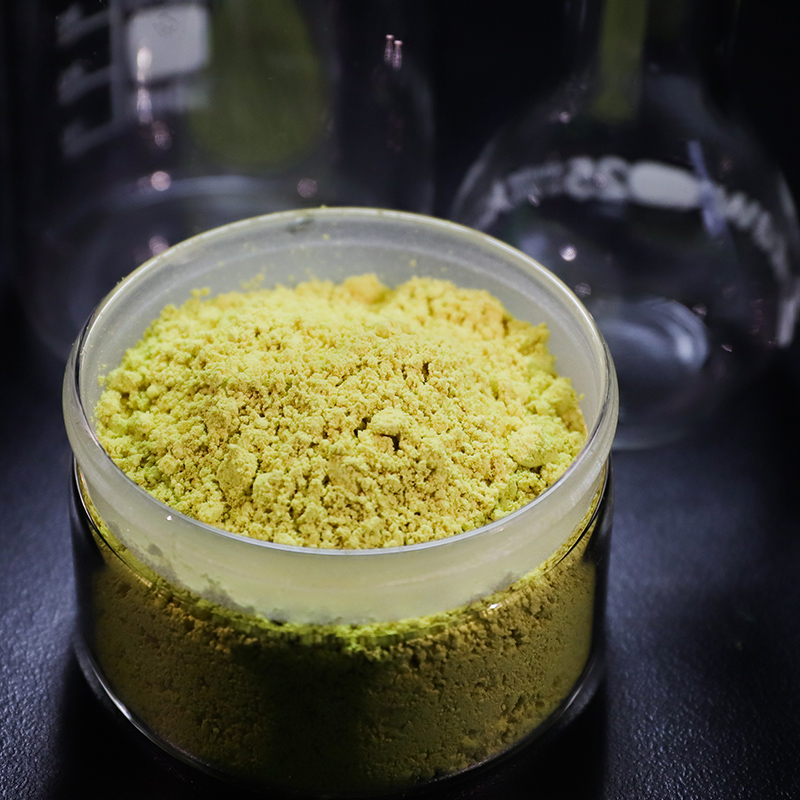
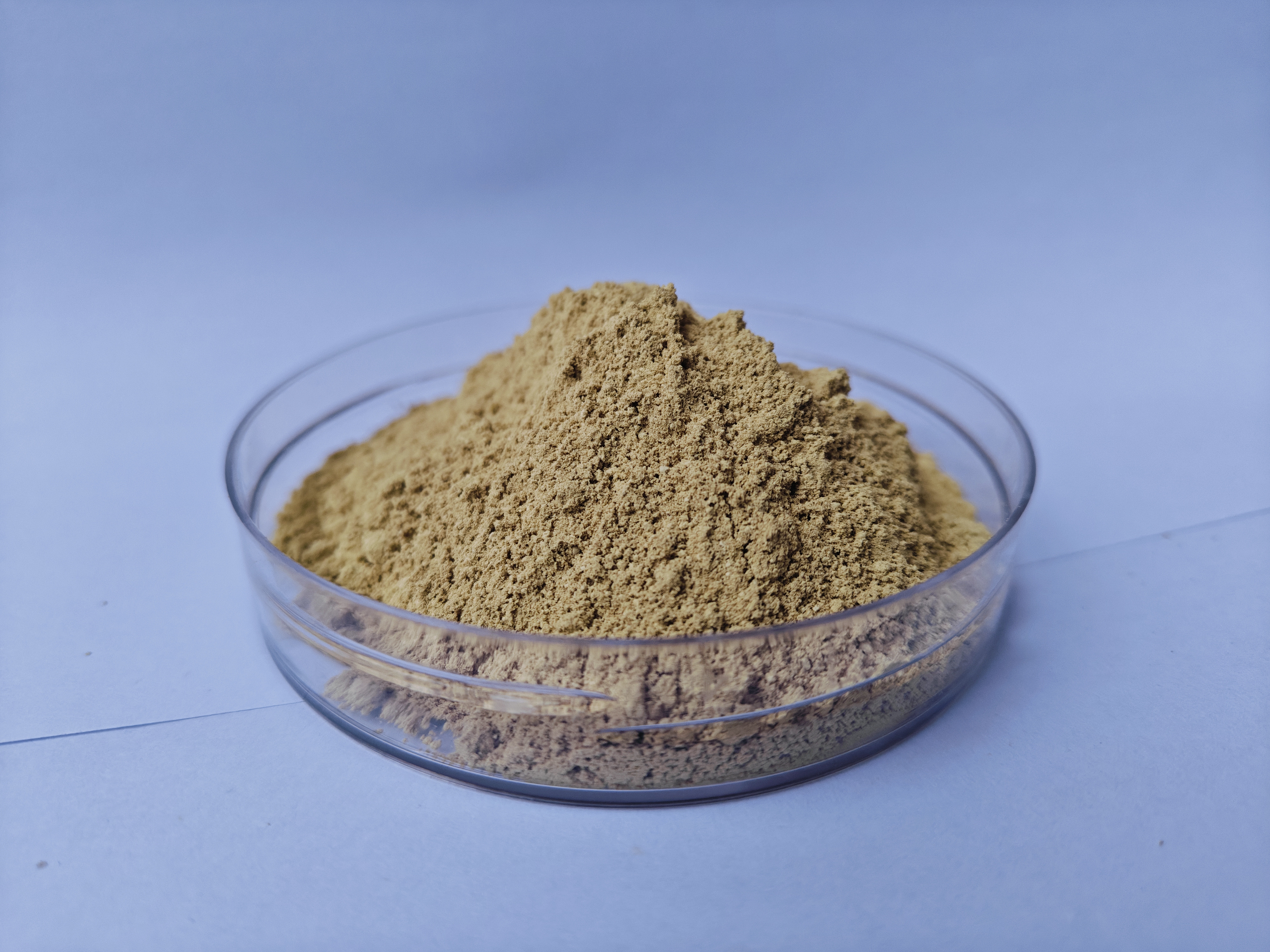
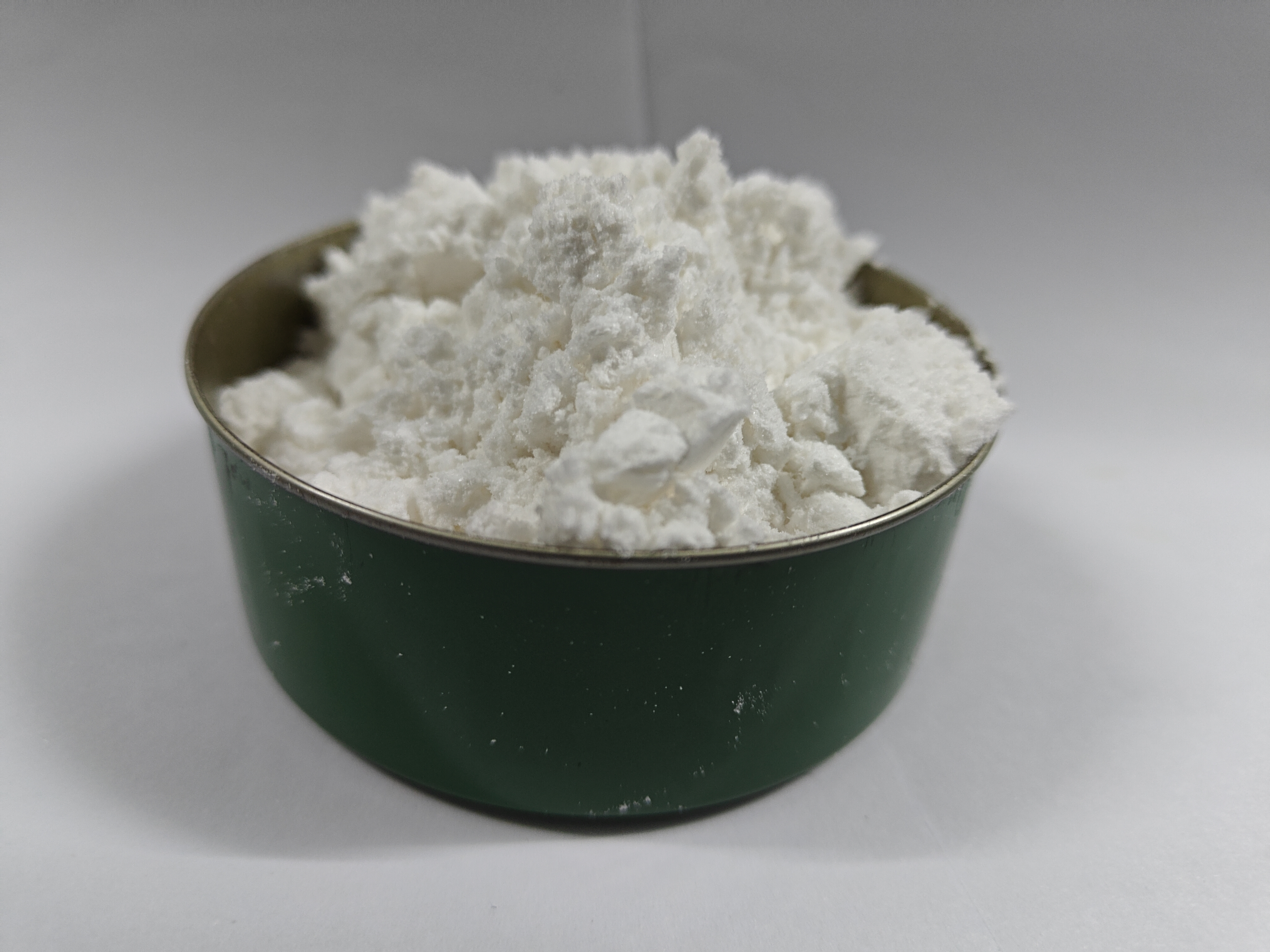
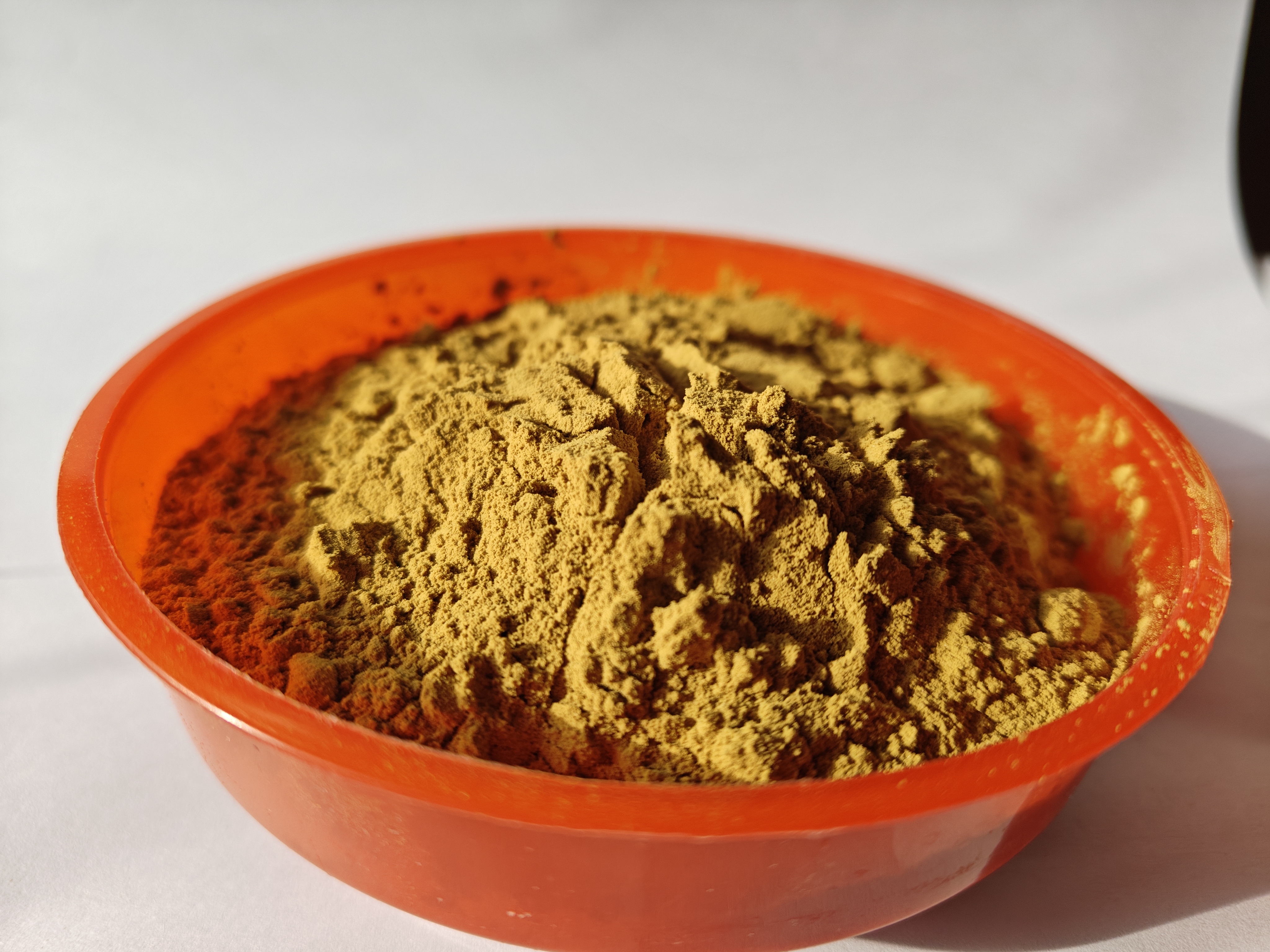
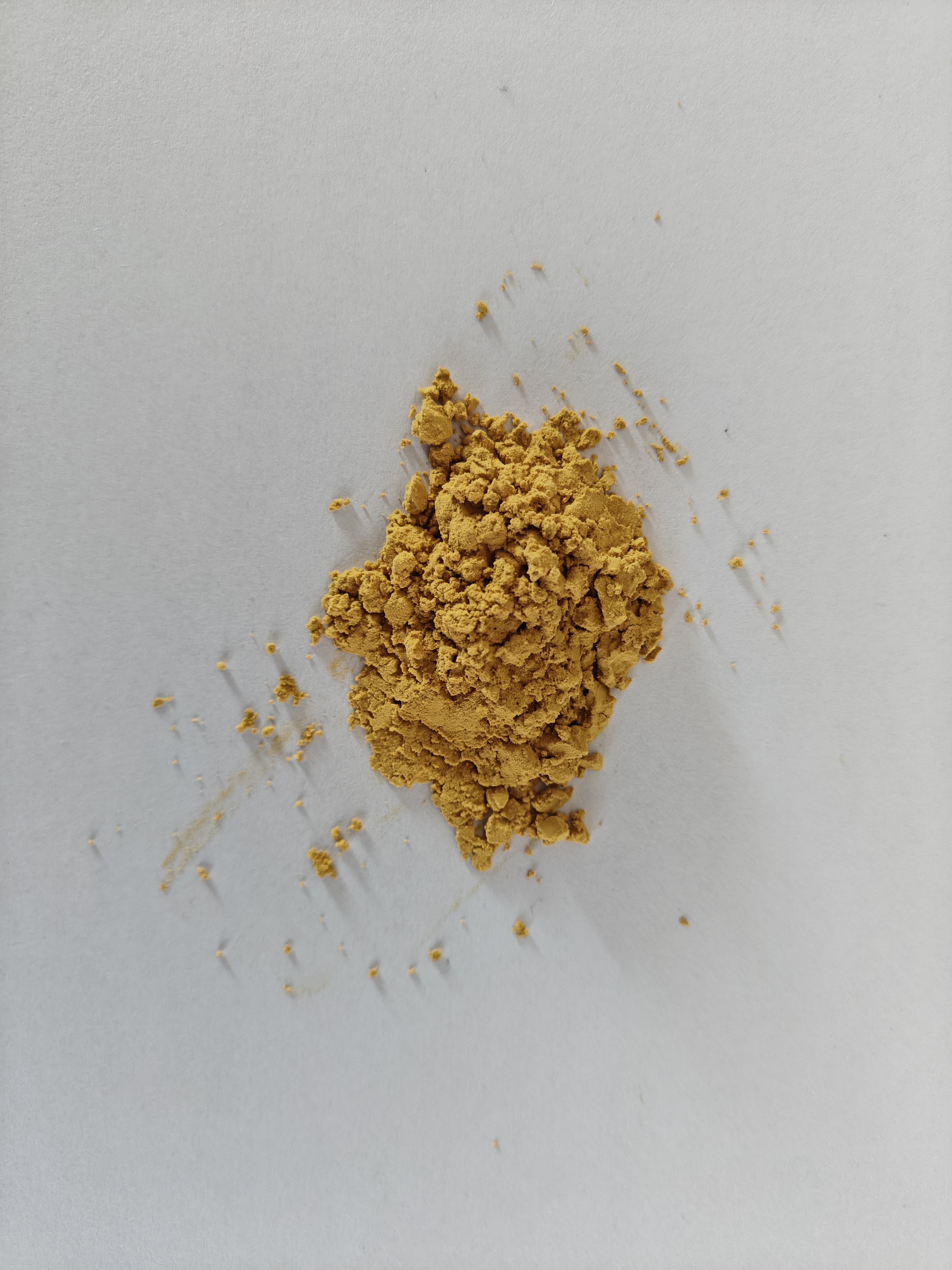
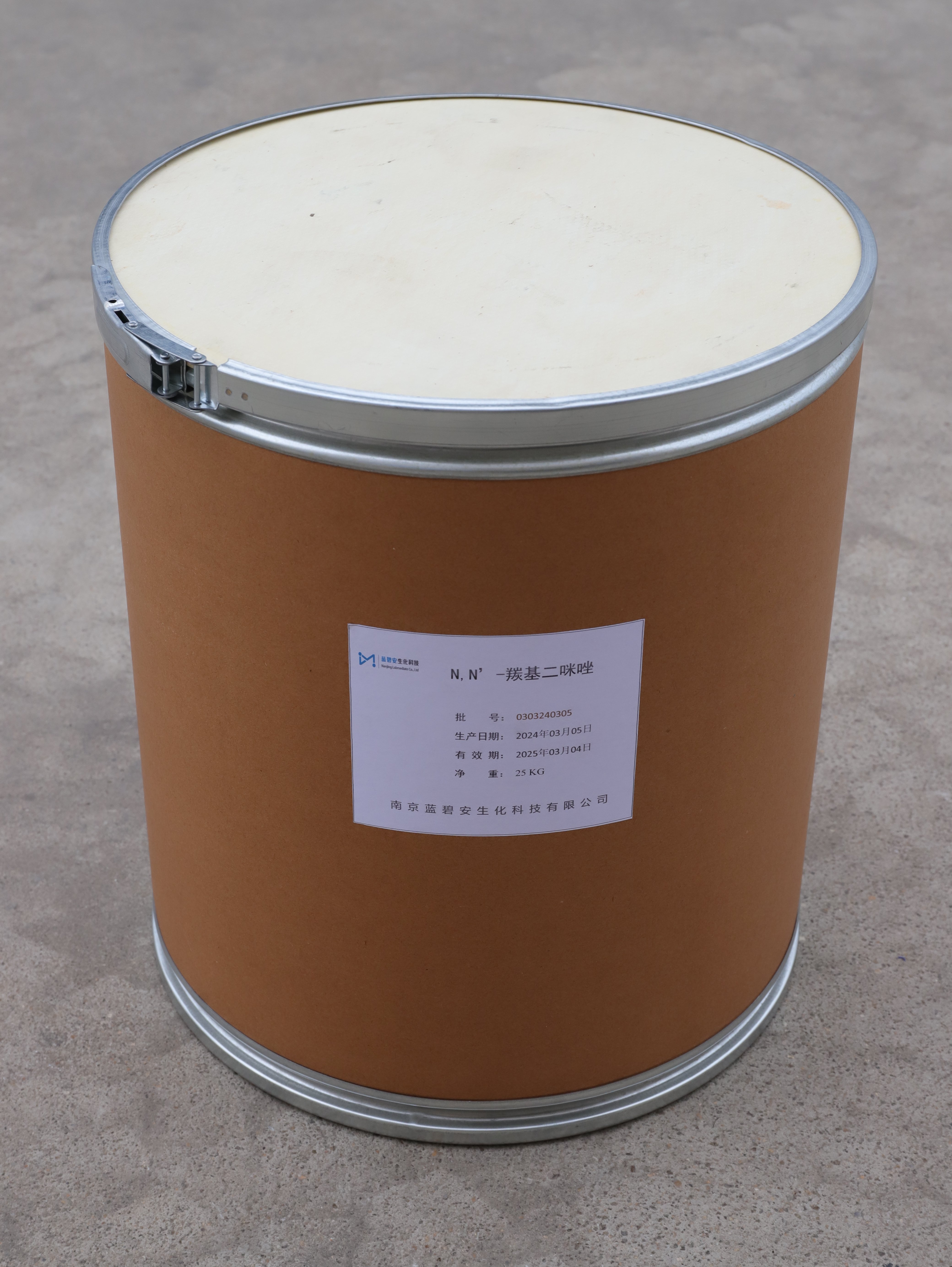
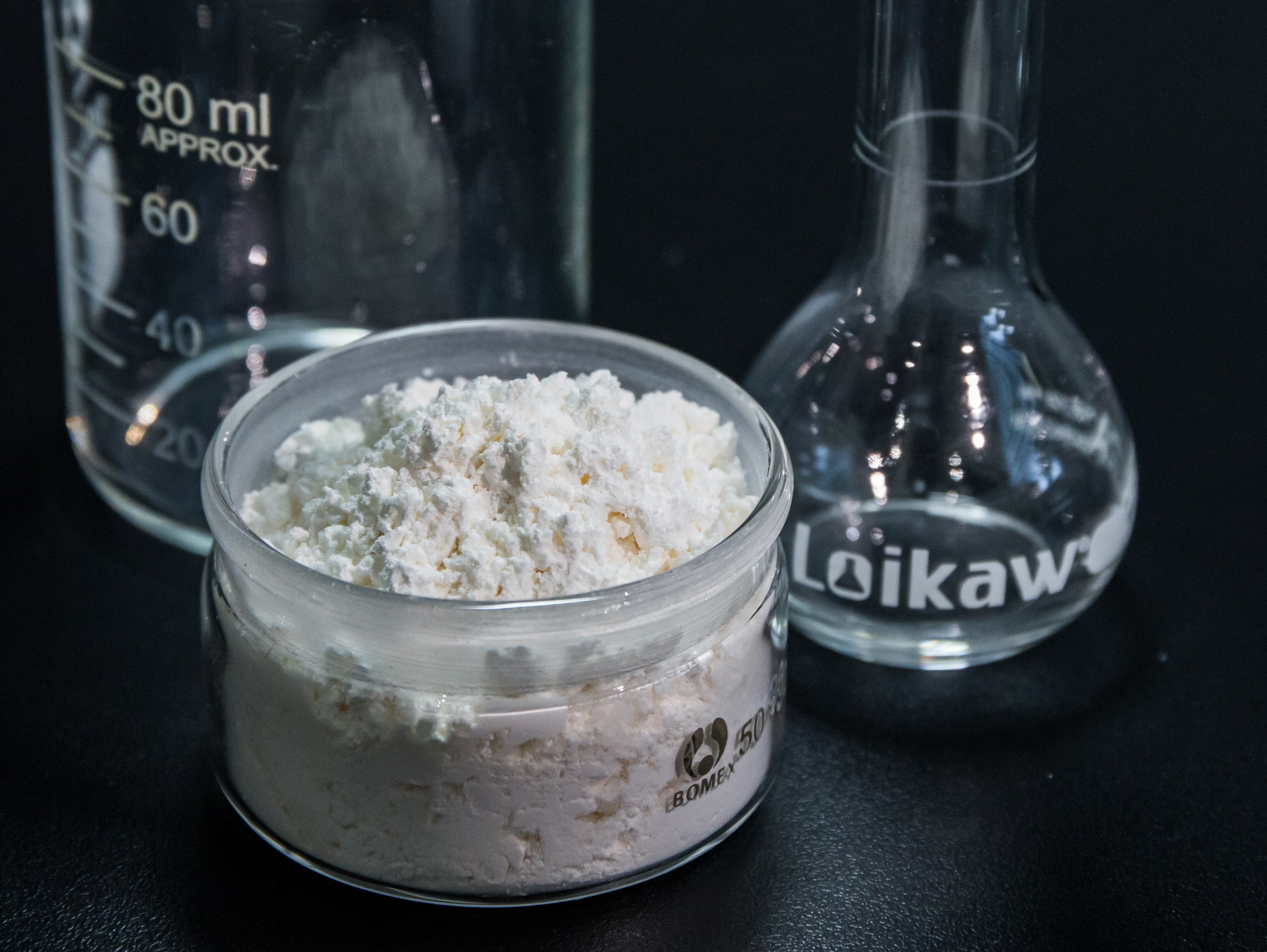
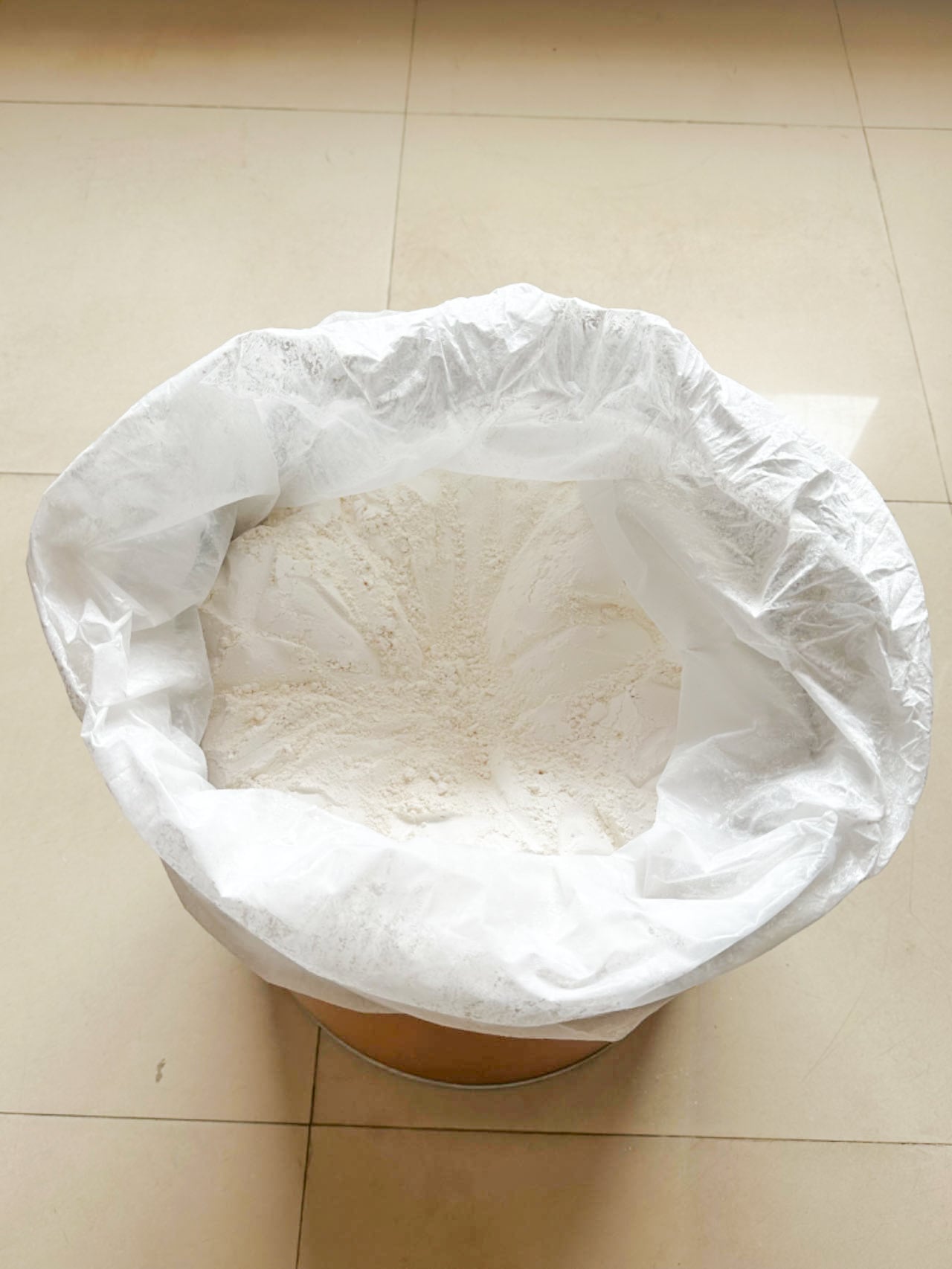
A solder mask ink curing agent is a specialized chemical component that plays a crucial role in the printed circuit board manufacturing process. This essential additive is formulated to initiate and accelerate the polymerization reaction of solder mask inks, transforming them from liquid coatings into durable, solid protective layers on PCB surfaces. The solder mask ink curing agent works by triggering cross-linking reactions within the resin system, ensuring complete hardening and optimal performance characteristics. Its main functions include promoting adhesion between the solder mask layer and the copper substrate, enhancing chemical resistance against harsh processing environments, and improving thermal stability during subsequent manufacturing steps. Technologically, these curing agents are engineered with precise reactivity profiles to match specific ink formulations, whether UV-curable, thermal-curable, or dual-cure systems. They contain carefully balanced catalytic compounds that control curing speed, prevent premature gelation during storage, and ensure uniform hardness across the entire coated surface. Applications span across various PCB types, from consumer electronics and automotive systems to aerospace and medical devices. The solder mask ink curing agent enables manufacturers to achieve consistent quality standards, meeting stringent industry requirements for insulation resistance, solder resist properties, and long-term reliability. By optimizing the curing process, these agents contribute to reduced production defects, improved manufacturing efficiency, and enhanced final product performance in demanding operational conditions.

New Product Releases

Choosing the right solder mask ink curing agent delivers tangible benefits that directly impact your production quality and operational efficiency. First, you gain superior curing consistency that eliminates common defects like under-cured or over-cured areas, reducing rejection rates and saving material costs. This consistency means your production line runs smoother with fewer interruptions for quality corrections, translating to higher throughput and better resource utilization. The enhanced adhesion properties ensure your solder mask layers remain firmly bonded to copper traces even after multiple thermal cycles, preventing delamination failures that could compromise product reliability. Your customers receive more dependable circuit boards that withstand demanding operating conditions without premature failure. From an operational perspective, modern curing agents offer flexible processing windows that accommodate varying production speeds and equipment capabilities, making them suitable for both high-volume automated lines and specialized low-volume manufacturing. This adaptability reduces the need for frequent formula adjustments when switching between different product types. The improved chemical resistance protects your PCBs during subsequent processes like tin plating, gold finishing, and cleaning operations, maintaining surface integrity throughout the entire manufacturing chain. You also benefit from extended shelf life of prepared inks, as quality curing agents include stabilizers that prevent premature reaction during storage, reducing waste from expired materials. The thermal stability achieved through proper curing ensures your finished boards can withstand reflow soldering temperatures without discoloration, blistering, or performance degradation. These practical advantages combine to lower your total production costs while simultaneously improving product quality, giving you a competitive edge in meeting customer expectations and industry standards.

Tips And Tricks

How Do Organophosphine Based Catalysts Enhance EMC Curing Performance?

12

Dec

How Do Organophosphine Based Catalysts Enhance EMC Curing Performance?

The electronics manufacturing industry has witnessed remarkable advancements in encapsulation materials, particularly in the realm of epoxy molding compounds (EMC). As semiconductor devices become increasingly sophisticated and miniaturized, the dema...
View More
How do procurement teams compare CDI coupling reagent suppliers

07

Jan

How do procurement teams compare CDI coupling reagent suppliers

Procurement teams in pharmaceutical and biotechnology companies face a complex decision when selecting suppliers for specialized chemical reagents. The evaluation of cdi coupling reagent suppliers requires a comprehensive understanding of product spe...
View More
How Can Curing Agents for Epoxy Resins Be Customized for Specific Applications?

12

Feb

How Can Curing Agents for Epoxy Resins Be Customized for Specific Applications?

The versatility and performance of epoxy resins largely depend on the selection and customization of appropriate curing agents for epoxy resins. These chemical compounds, also known as hardeners, play a crucial role in transforming liquid epoxy resin...
View More
How Do Curing Agents Influence Thermal and Mechanical Properties in Epoxy Resins?

12

Feb

How Do Curing Agents Influence Thermal and Mechanical Properties in Epoxy Resins?

Epoxy resins have become indispensable materials across aerospace, automotive, electronics, and construction industries due to their exceptional adhesive properties, chemical resistance, and mechanical strength. However, the performance characteristi...
View More

Get a Free Quote

Our representative will contact you soon.
Email
Name
Company Name
Message
0/1000

solder mask ink curing agent

Accelerated Production Efficiency

Accelerated Production Efficiency

The solder mask ink curing agent significantly reduces processing time through optimized reaction kinetics that speed up the curing cycle without compromising quality. Traditional curing processes often require extended exposure times or elevated temperatures that slow down production throughput and increase energy consumption. Advanced curing agents incorporate catalytic systems that work efficiently at moderate temperatures, enabling faster line speeds and shorter cycle times. This acceleration means you can produce more boards per shift, improving capacity utilization without capital investment in additional equipment. The controlled reactivity also minimizes the risk of thermal damage to sensitive components or substrates, particularly important when working with thin laminates or heat-sensitive materials. Furthermore, faster curing translates to quicker turnaround times for customer orders, enhancing your responsiveness in competitive markets. The energy savings from reduced curing time and lower temperature requirements contribute to sustainable manufacturing practices while cutting operational expenses. This efficiency advantage becomes especially valuable in high-mix production environments where quick changeovers between different board designs are essential for maintaining profitability and meeting diverse customer needs.
Enhanced Mechanical and Chemical Durability

Enhanced Mechanical and Chemical Durability

A premium solder mask ink curing agent creates a robust cross-linked polymer network that delivers exceptional mechanical strength and chemical resistance essential for long-term PCB reliability. The molecular structure formed during curing determines how well the solder mask withstands physical stress, chemical exposure, and environmental factors throughout the product lifecycle. Quality curing agents promote dense cross-linking that results in superior hardness, scratch resistance, and flexibility, preventing cracking or peeling during handling, assembly, and field use. This durability is particularly critical in automotive, industrial, and outdoor applications where boards face vibration, temperature fluctuations, and moisture exposure. The enhanced chemical resistance protects against flux residues, cleaning solvents, and environmental contaminants that could otherwise degrade the protective layer and cause electrical failures. Your finished products maintain their insulation properties and surface appearance even after years of service, reducing warranty claims and enhancing brand reputation. The improved mechanical properties also facilitate automated assembly processes, as durable solder masks better withstand the mechanical stress of pick-and-place equipment and component insertion operations without surface damage.
Consistent Quality Across Production Batches

Consistent Quality Across Production Batches

Implementing a reliable solder mask ink curing agent ensures reproducible results batch after batch, eliminating the frustrating variability that leads to quality control challenges and customer complaints. Consistency begins with the agent's stable chemical composition that maintains predictable reactivity despite variations in ambient conditions, storage duration, or slight differences in mixing procedures. This stability means your process parameters remain constant, reducing the need for frequent adjustments and simplifying operator training. The uniform curing characteristics across the entire board surface prevent common defects like uneven gloss, color variations, or localized soft spots that compromise both aesthetics and functionality. Quality assurance becomes more straightforward when you can confidently predict outcomes based on established process controls rather than dealing with unpredictable results. This consistency also simplifies qualification processes for new products or customers, as initial testing accurately represents ongoing production capabilities. For manufacturers pursuing industry certifications or serving regulated markets like medical devices or aerospace, the documented repeatability provided by quality curing agents supports compliance requirements and audit processes. The reduced variability directly translates to lower scrap rates, fewer customer returns, and stronger relationships built on consistent delivery of specification-compliant products.

Get a Free Quote

Our representative will contact you soon.
Email
Name
Company Name
Message
0/1000