Imidazole Latent Curing Agent Solutions

All Categories

imidazole latent curing agent

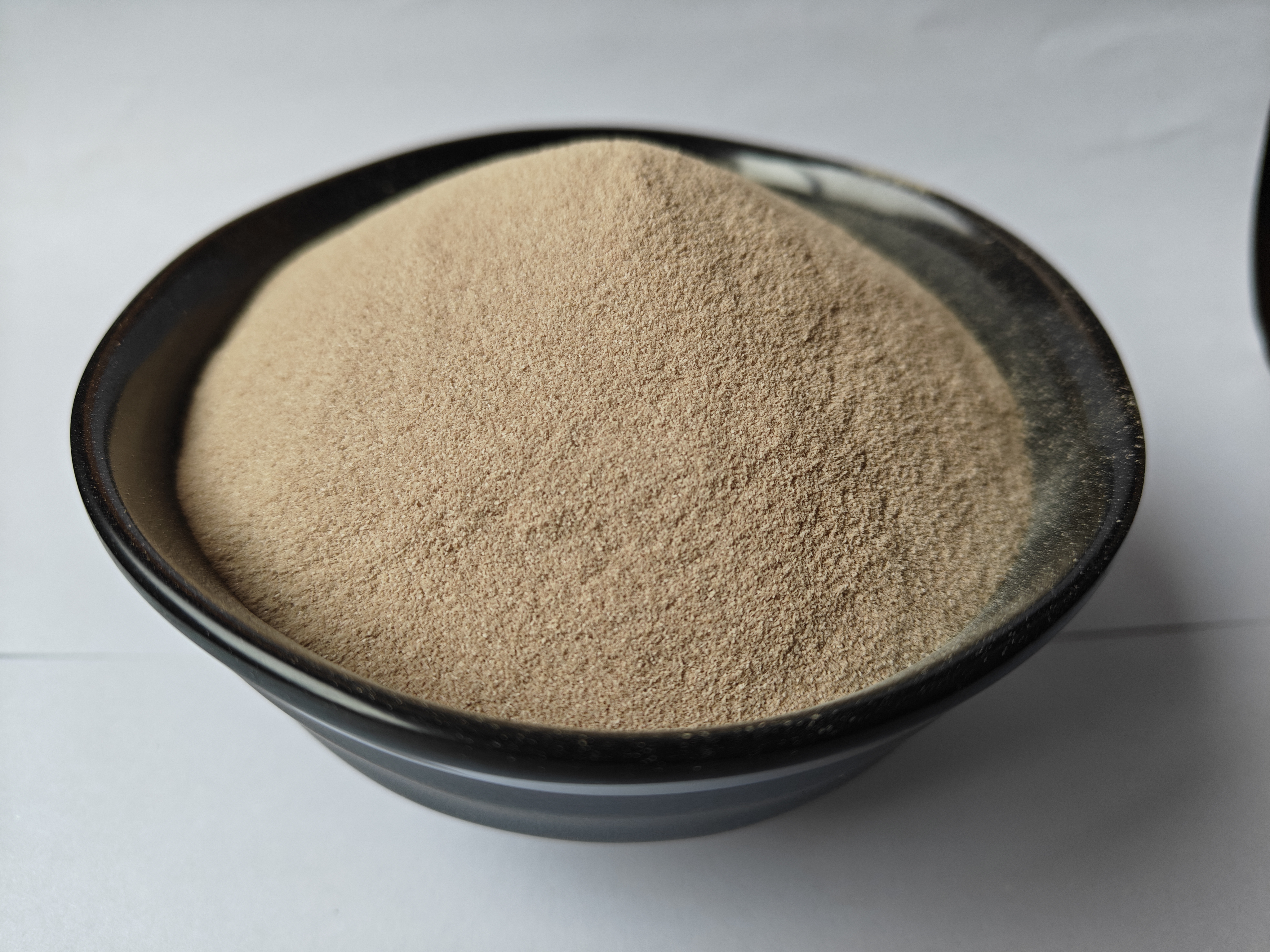
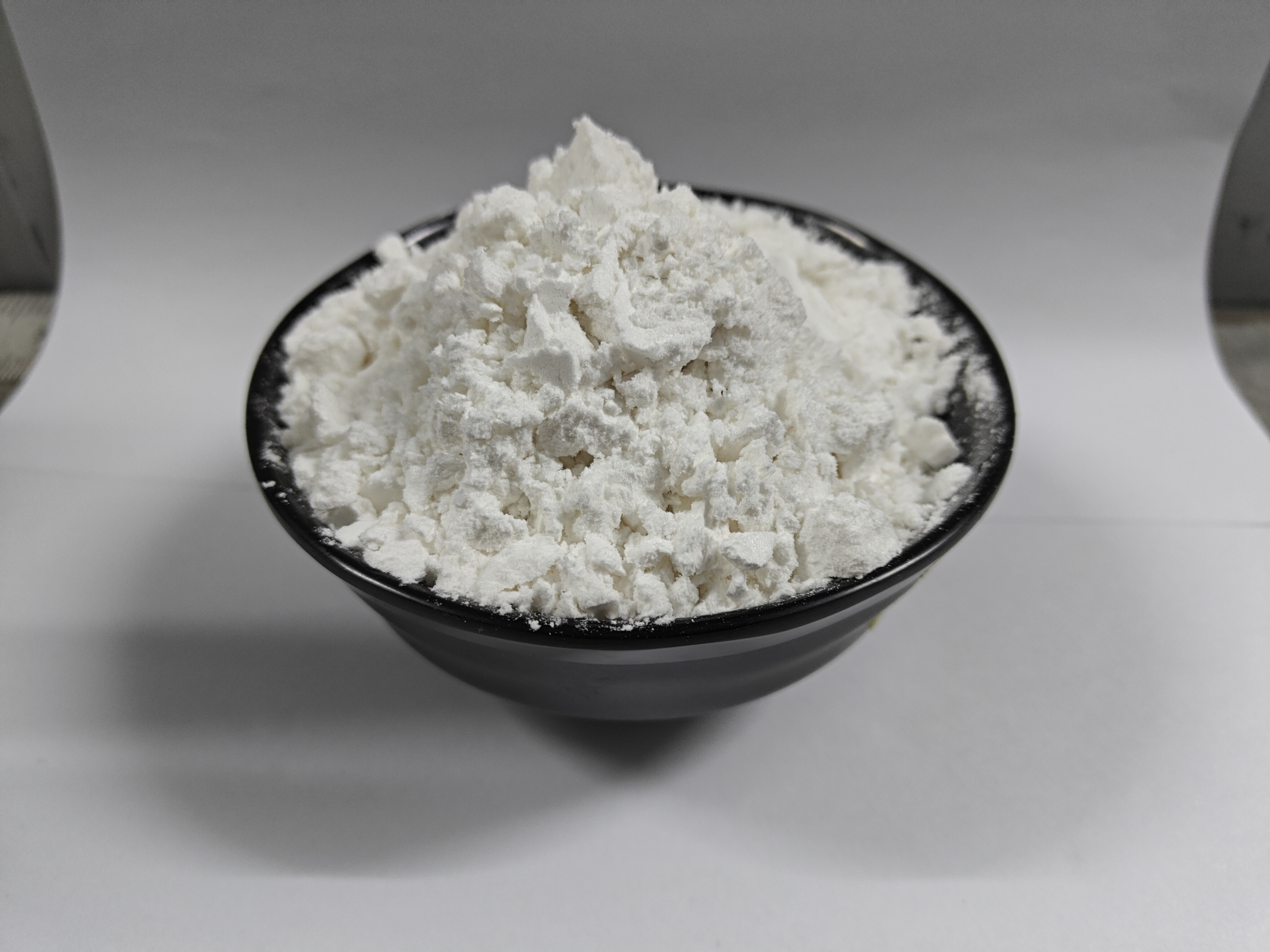
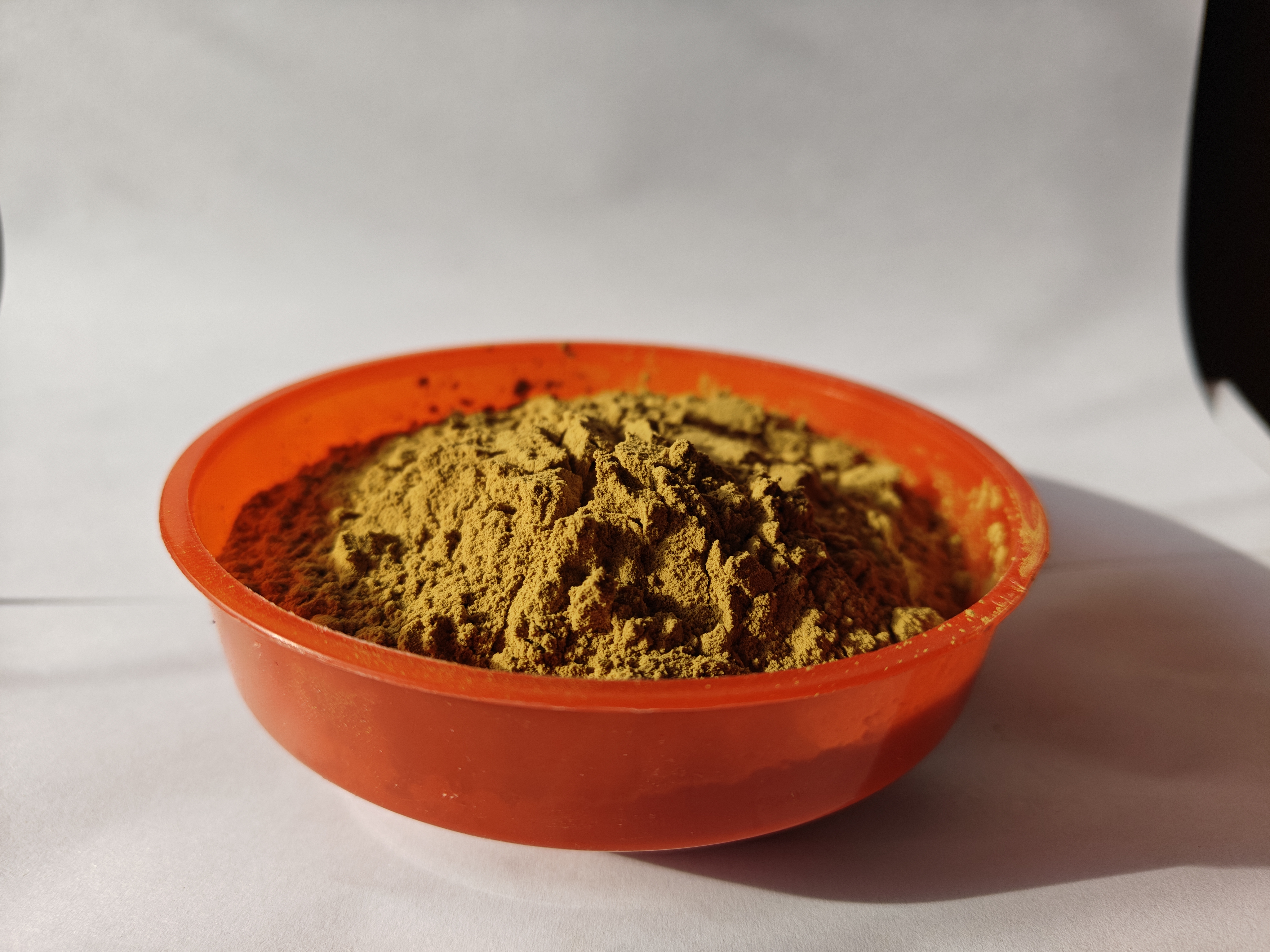
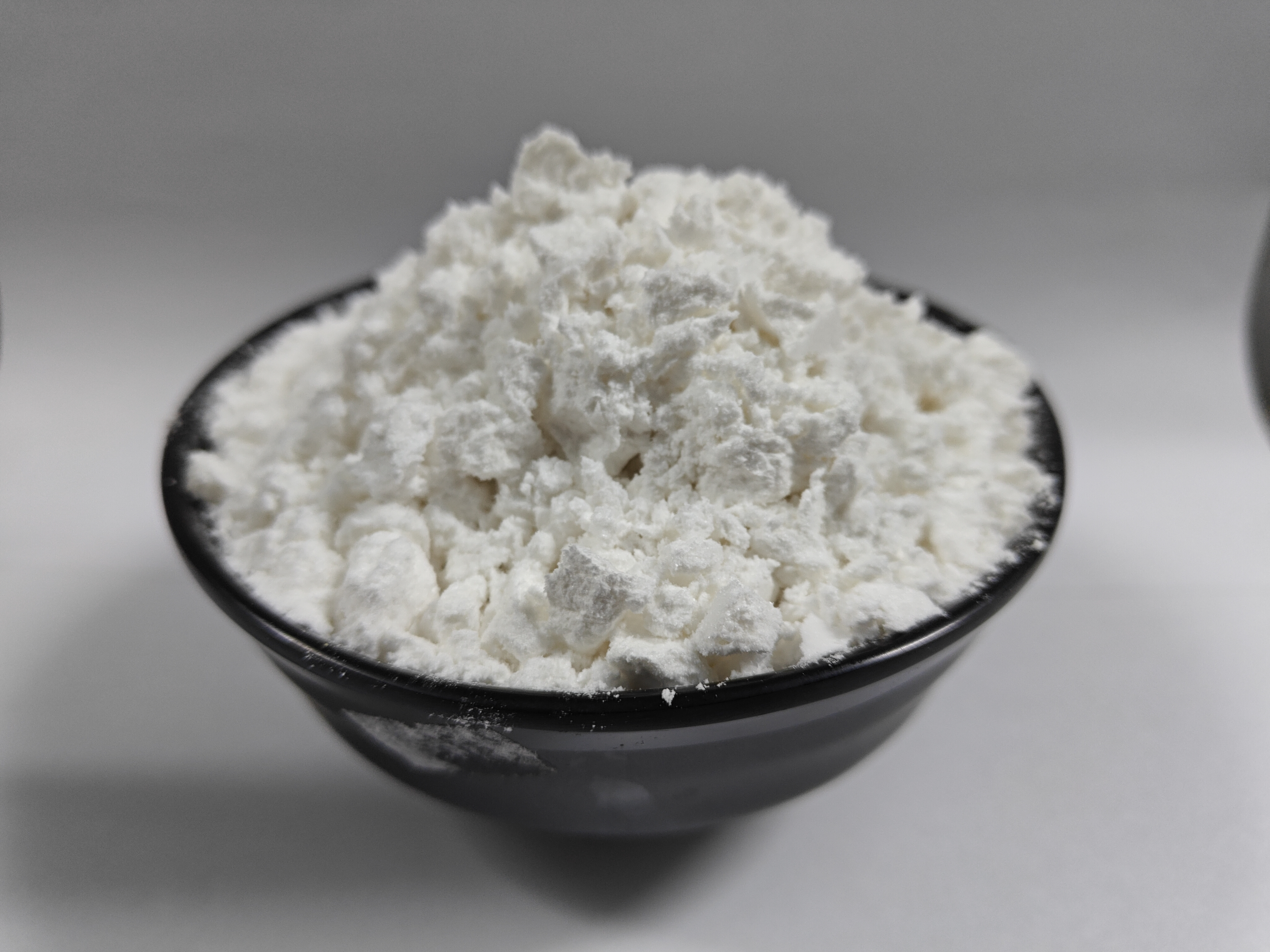
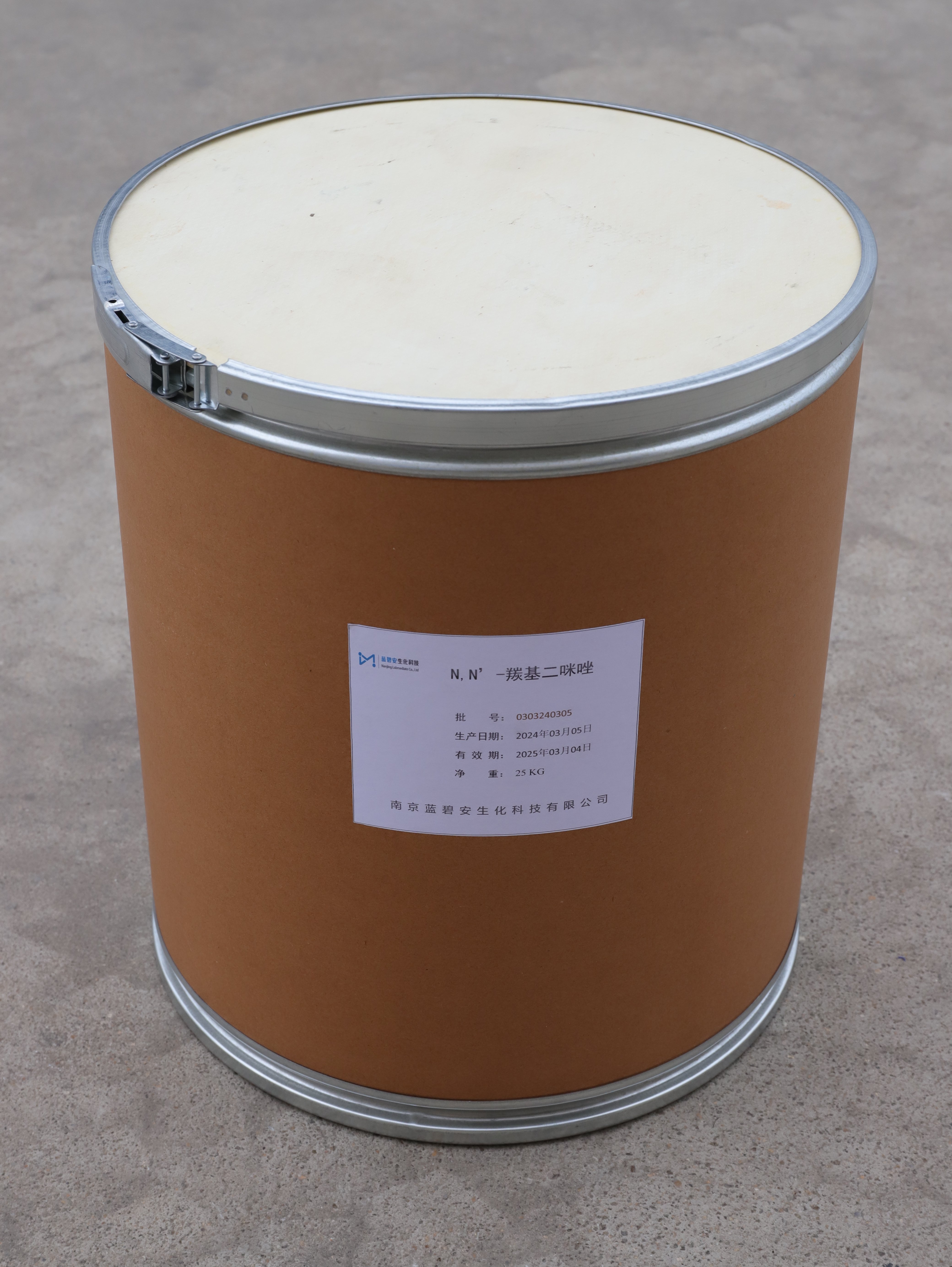
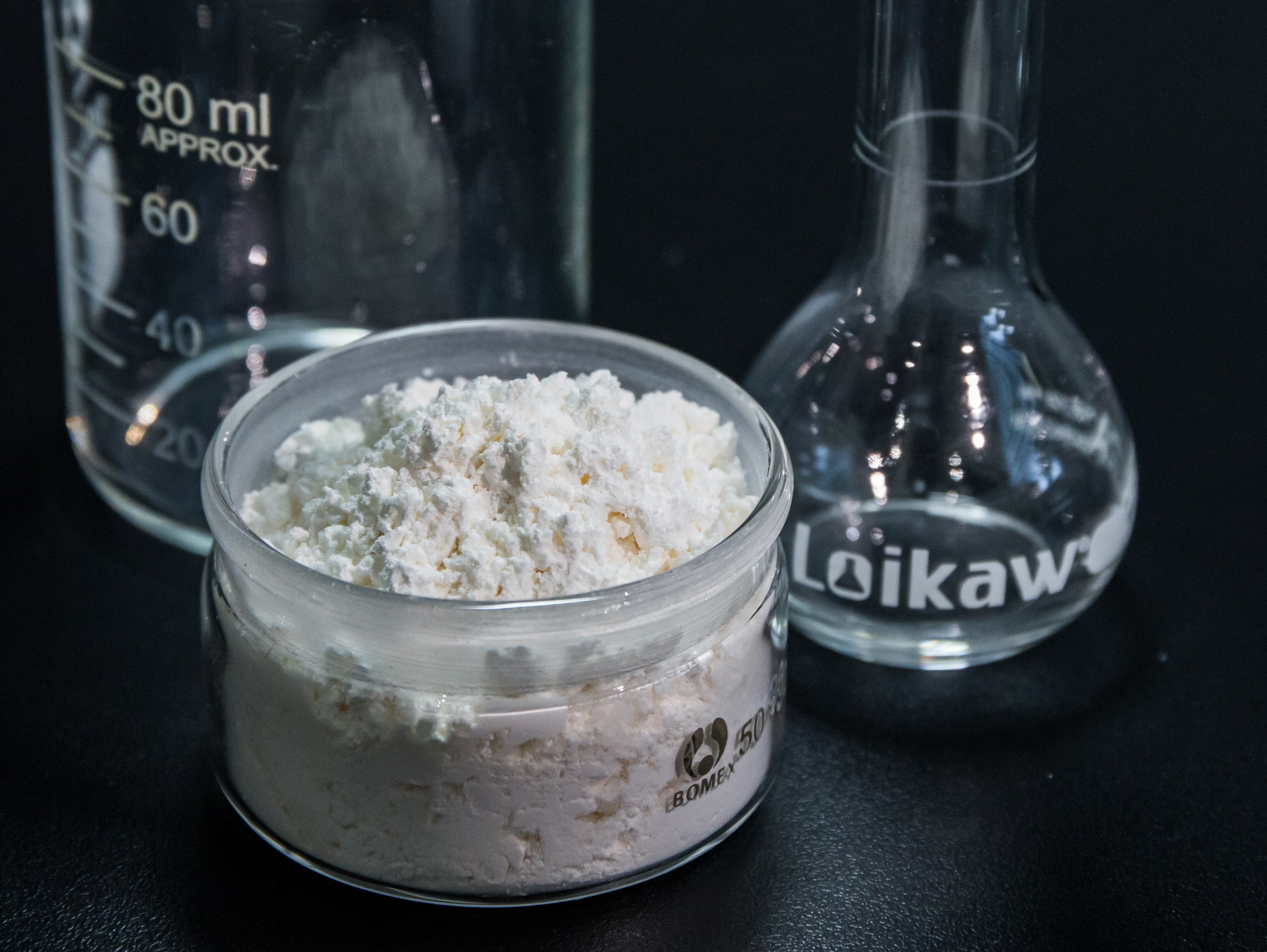
An imidazole latent curing agent represents an advanced class of epoxy resin hardeners designed to remain inactive at ambient temperatures while rapidly initiating the curing process when exposed to elevated heat. This specialized chemical compound contains imidazole rings that provide exceptional control over curing reactions, making it ideal for applications requiring extended working time combined with rapid processing capabilities. The imidazole latent curing agent functions by remaining dormant during storage and handling, preventing premature crosslinking that would compromise material properties or reduce shelf life. Once activated through thermal energy, typically between 100-180 degrees Celsius, these agents facilitate complete polymerization within minutes, creating high-performance thermoset materials. Technological features include outstanding storage stability, single-component system compatibility, and minimal volatile organic compound emissions during processing. The molecular structure of the imidazole latent curing agent allows for precise control over gel time, cure speed, and final mechanical properties of the cured resin. Applications span diverse industries including electronics manufacturing for encapsulation and potting compounds, aerospace composites requiring precise cure scheduling, automotive structural adhesives demanding reliability, and powder coatings where prolonged shelf stability is essential. The versatility of the imidazole latent curing agent enables manufacturers to formulate systems that balance practical handling requirements with production efficiency, delivering consistent results across batch operations while maintaining stringent quality standards in demanding industrial environments.

Popular Products

Choosing an imidazole latent curing agent delivers significant practical benefits that directly impact manufacturing efficiency and product quality. The primary advantage lies in extended pot life, allowing formulators to create single-component epoxy systems that remain stable for months at room temperature without refrigeration requirements, reducing storage costs and simplifying logistics. When production begins, the imidazole latent curing agent responds predictably to heat activation, enabling precise control over assembly operations and eliminating concerns about premature gelation during component mixing or application. This characteristic proves invaluable when complex assemblies require extended positioning time before final cure. Manufacturers benefit from faster production cycles since the imidazole latent curing agent initiates rapid polymerization once heated, reducing oven time and increasing throughput without compromising mechanical strength or thermal resistance of finished parts. The operational simplicity of working with these agents minimizes training requirements and reduces material waste from expired batches or mixing errors common with traditional two-component systems. Environmental and workplace safety improve because the imidazole latent curing agent generates fewer harmful emissions compared to conventional hardeners, contributing to healthier working conditions and easier regulatory compliance. For buyers evaluating curing technologies, the imidazole latent curing agent offers exceptional value through reduced inventory complexity, elimination of mixing equipment, and consistent batch-to-batch performance that translates to lower defect rates and warranty claims. Application suitability extends across temperature-sensitive substrates and intricate geometries where controlled cure progression prevents warping or internal stress development. Decision-makers appreciate the total cost advantages when considering reduced labor, minimized scrap rates, improved yield percentages, and the flexibility to adjust production schedules without material degradation concerns that plague conventional reactive systems.

Practical Tips

How Can Thermally Latent Catalysts Optimize Curing Control in Semiconductor Packaging?

12

Dec

How Can Thermally Latent Catalysts Optimize Curing Control in Semiconductor Packaging?

The semiconductor packaging industry faces increasingly complex challenges as device miniaturization demands precise material control and processing conditions. Among the critical technologies enabling advanced packaging solutions, thermally latent c...
View More
How do manufacturers optimize CDI amide bonds for production use

07

Jan

How do manufacturers optimize CDI amide bonds for production use

Chemical manufacturing processes rely heavily on efficient bond formation techniques to create stable molecular structures for various industrial applications. Among the most significant developments in organic synthesis, cdi amide bonds represent a ...
View More
Which Factors Affect the Efficiency of Curing Agents in Epoxy Resin Systems?

12

Feb

Which Factors Affect the Efficiency of Curing Agents in Epoxy Resin Systems?

The efficiency of curing agents in epoxy resin systems depends on numerous interconnected factors that directly influence the polymerization process and final material properties. Understanding these variables is crucial for optimizing epoxy formulat...
View More
How Can CDI Coupling Reagents Be Optimized for Lab-Scale and Industrial Use?

12

Feb

How Can CDI Coupling Reagents Be Optimized for Lab-Scale and Industrial Use?

CDI coupling reagents have revolutionized the way researchers and industrial chemists approach amide bond formation and esterification reactions. These versatile compounds, particularly N,N'-carbonyldiimidazole, offer exceptional efficiency in activa...
View More

Get a Free Quote

Our representative will contact you soon.
Email
Name
Company Name
Message
0/1000

imidazole latent curing agent

Superior Storage Stability and Handling Convenience

Superior Storage Stability and Handling Convenience

The imidazole latent curing agent provides exceptional storage stability that fundamentally transforms how manufacturers manage inventory and production workflows. Unlike conventional curing systems requiring refrigeration or strict expiration monitoring, formulations incorporating this advanced agent maintain full reactivity for extended periods at ambient temperatures, often exceeding twelve months without performance degradation. This stability eliminates costly cold chain logistics and reduces material waste from expired inventory, directly improving operational economics. The single-component nature enabled by the imidazole latent curing agent simplifies quality control protocols since there are no mixing ratios to verify or pot life windows to monitor during application. Production teams can prepare materials in advance without rushing through assembly steps, accommodating complex manufacturing sequences that demand flexibility. This convenience extends to field applications where mixing equipment may be impractical or environmental conditions make traditional two-part systems unreliable. Manufacturers gain strategic advantages through simplified supply chains, reduced training requirements for production staff, and greater scheduling flexibility that responds to fluctuating demand without material spoilage concerns. The practical impact translates to lower overhead costs, improved operational agility, and consistent product quality that builds customer confidence in delivered components.
Precision Thermal Activation for Process Control

Precision Thermal Activation for Process Control

The thermal activation mechanism of the imidazole latent curing agent delivers unprecedented process control that optimizes manufacturing efficiency while ensuring consistent material properties. This agent remains completely inactive below specific temperature thresholds, typically 80-100 degrees Celsius, providing unlimited working time for positioning, alignment, and assembly operations without concern for premature curing. Once components reach the activation temperature through controlled heating, the imidazole latent curing agent initiates rapid and complete polymerization within a predictable timeframe, enabling precise production scheduling and equipment utilization planning. This controlled activation proves particularly valuable in automated manufacturing environments where timing precision directly impacts throughput and quality outcomes. The sharp transition from dormant to active states eliminates the gradual viscosity increase characteristic of conventional systems, preventing issues like incomplete filling of intricate molds or poor adhesive flow into joint interfaces. Engineers can design cure cycles that match specific substrate requirements, preventing thermal damage to sensitive components while achieving full crosslink density for maximum mechanical performance. The predictable behavior of the imidazole latent curing agent across repeated thermal cycles ensures batch-to-batch consistency that meets stringent aerospace, automotive, and electronics industry specifications, reducing rejection rates and supporting lean manufacturing initiatives focused on first-pass yield improvement.
Enhanced Performance in Demanding Applications

Enhanced Performance in Demanding Applications

The imidazole latent curing agent enables superior performance characteristics that address the most challenging requirements in advanced materials applications. Cured systems exhibit excellent thermal stability with glass transition temperatures often exceeding 150 degrees Celsius, making them suitable for high-temperature service environments in automotive under-hood components, power electronics assemblies, and aerospace structures. The chemical resistance of materials formulated with this specialized agent surpasses conventional epoxy systems, providing long-term durability when exposed to fuels, solvents, hydraulic fluids, and aggressive chemicals common in industrial settings. Electrical insulation properties remain stable across wide temperature ranges, making the imidazole latent curing agent ideal for potting compounds and encapsulants protecting sensitive electronic circuits from moisture ingress and mechanical shock. Mechanical strength characteristics including tensile properties, flexural modulus, and impact resistance meet demanding structural requirements while maintaining dimensional stability under thermal cycling conditions. The low shrinkage during cure minimizes internal stress development, preventing delamination in composite laminates and maintaining precise tolerances in molded components. For applications requiring flame retardancy, formulations incorporating the imidazole latent curing agent readily accept additives without compromising cure kinetics or final properties, supporting compliance with UL94 and similar safety standards essential for consumer electronics and transportation applications.

Get a Free Quote

Our representative will contact you soon.
Email
Name
Company Name
Message
0/1000