semiconductor encapsulation catalyst
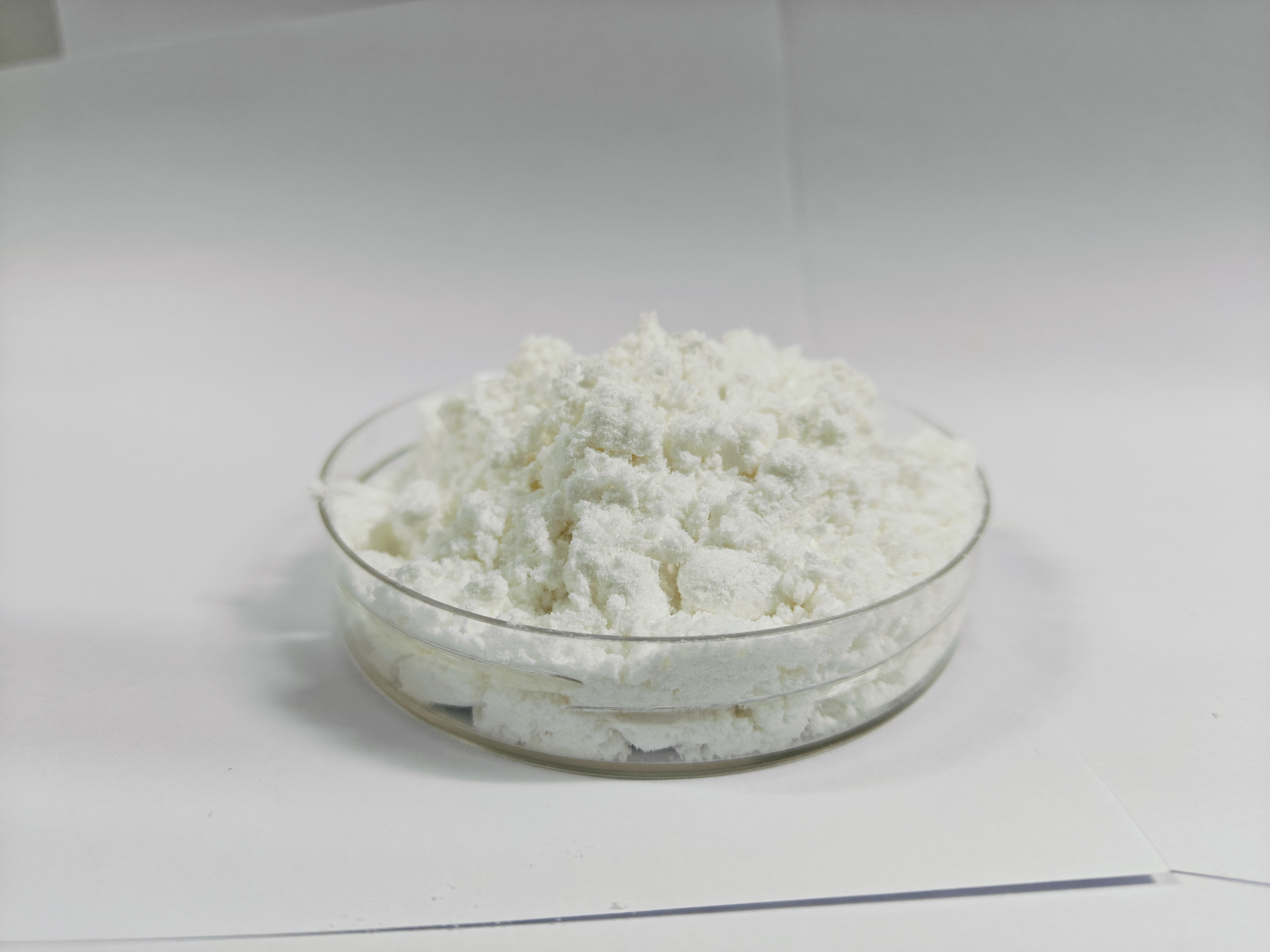
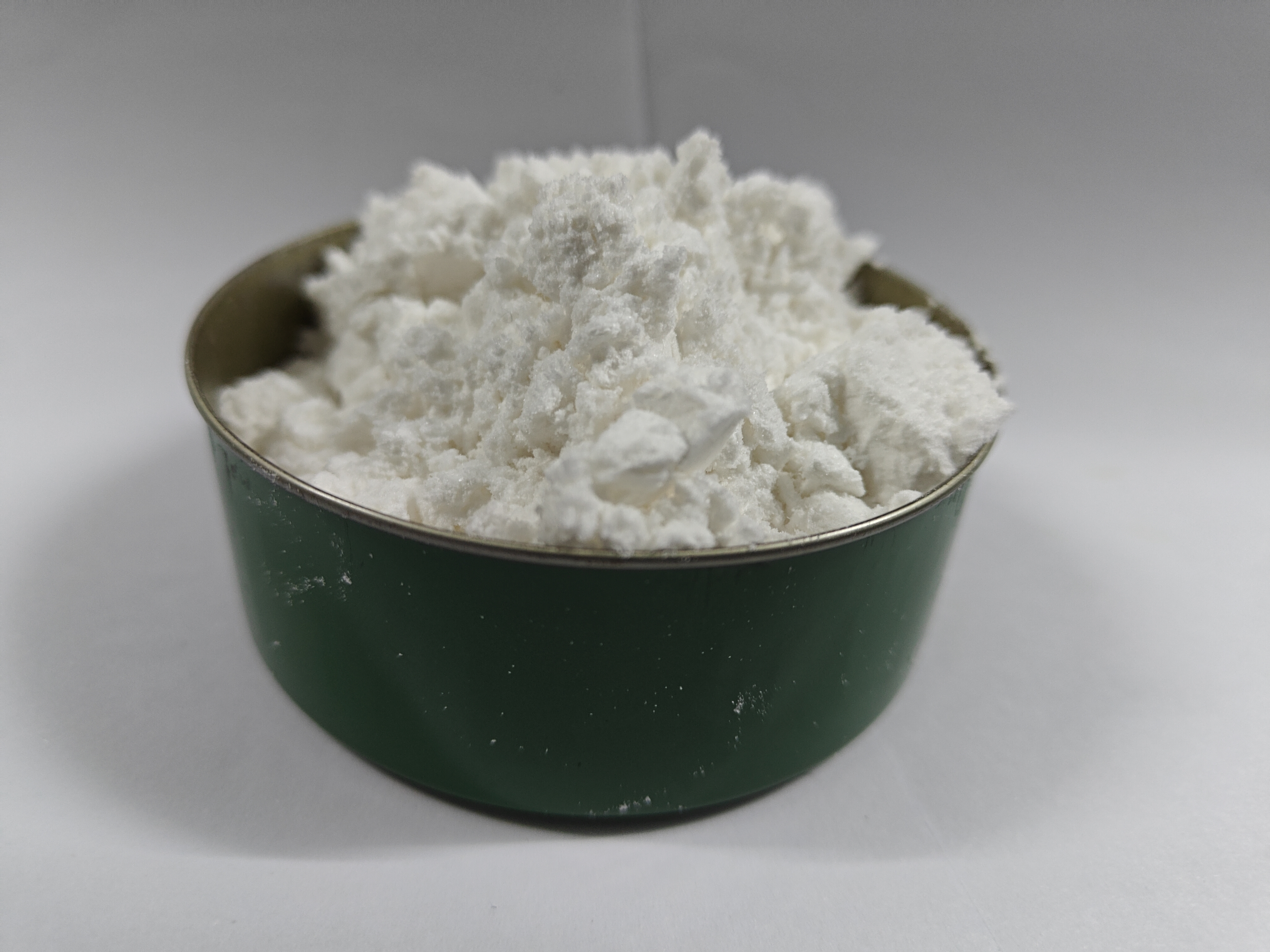
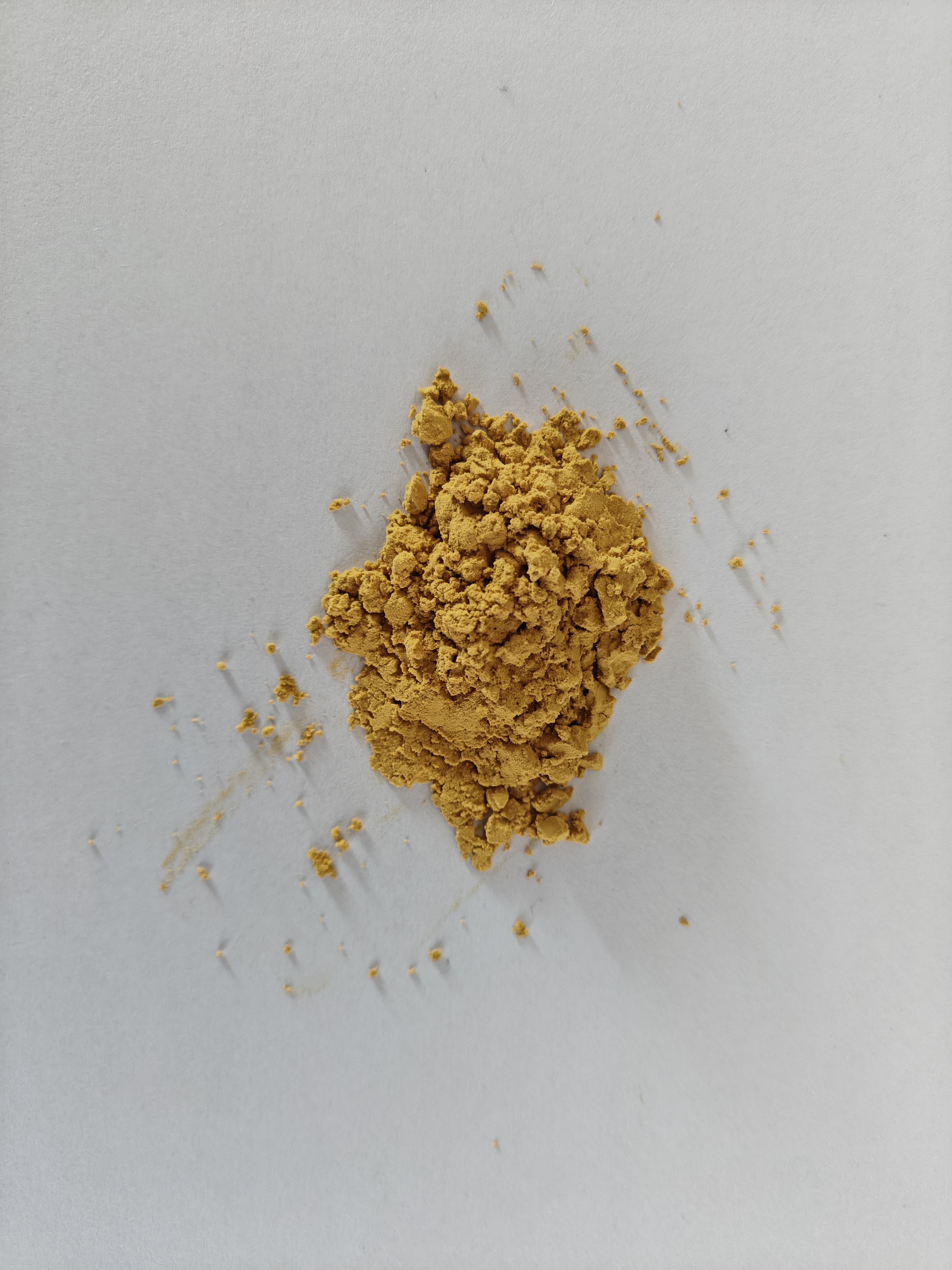
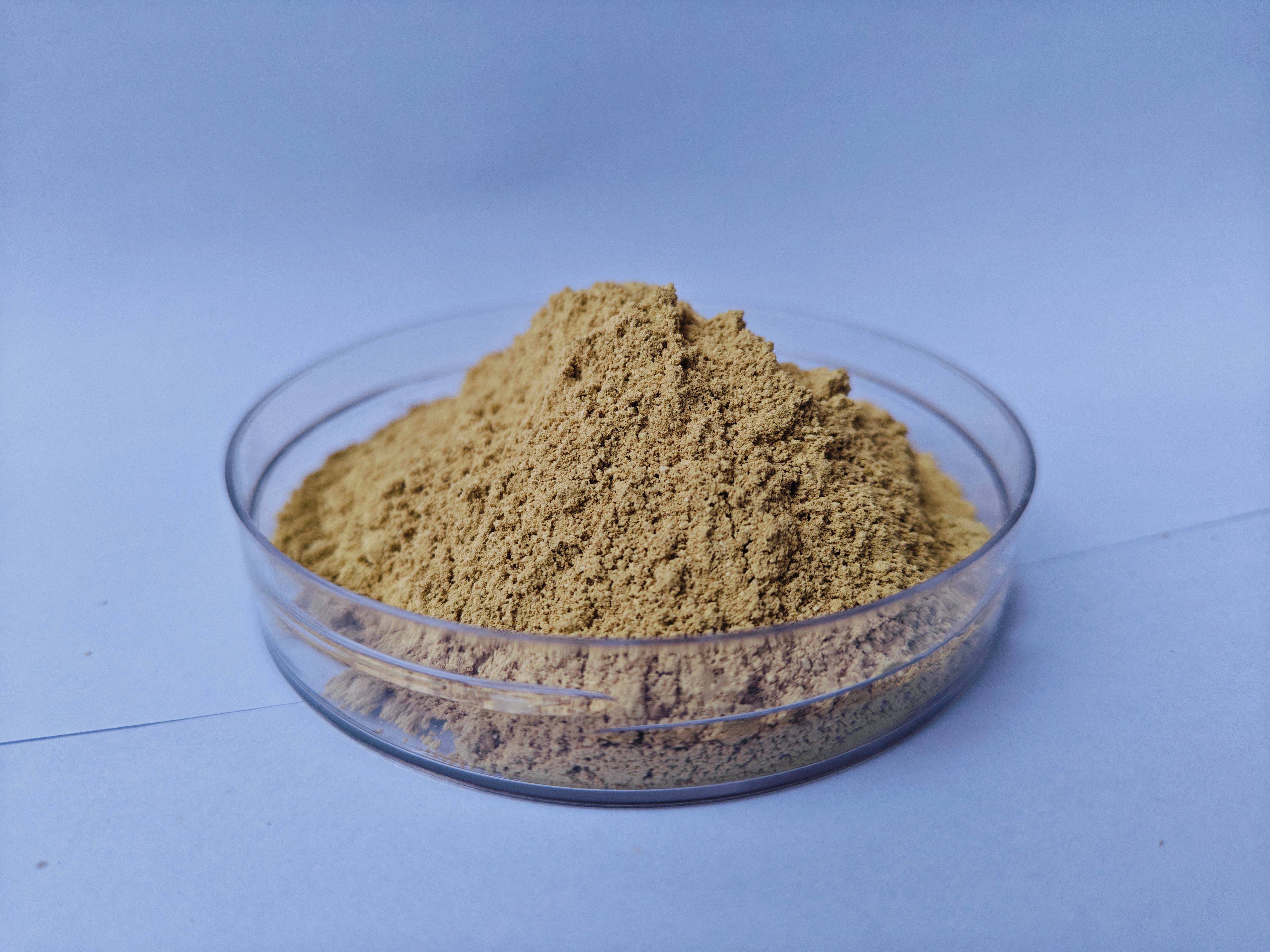
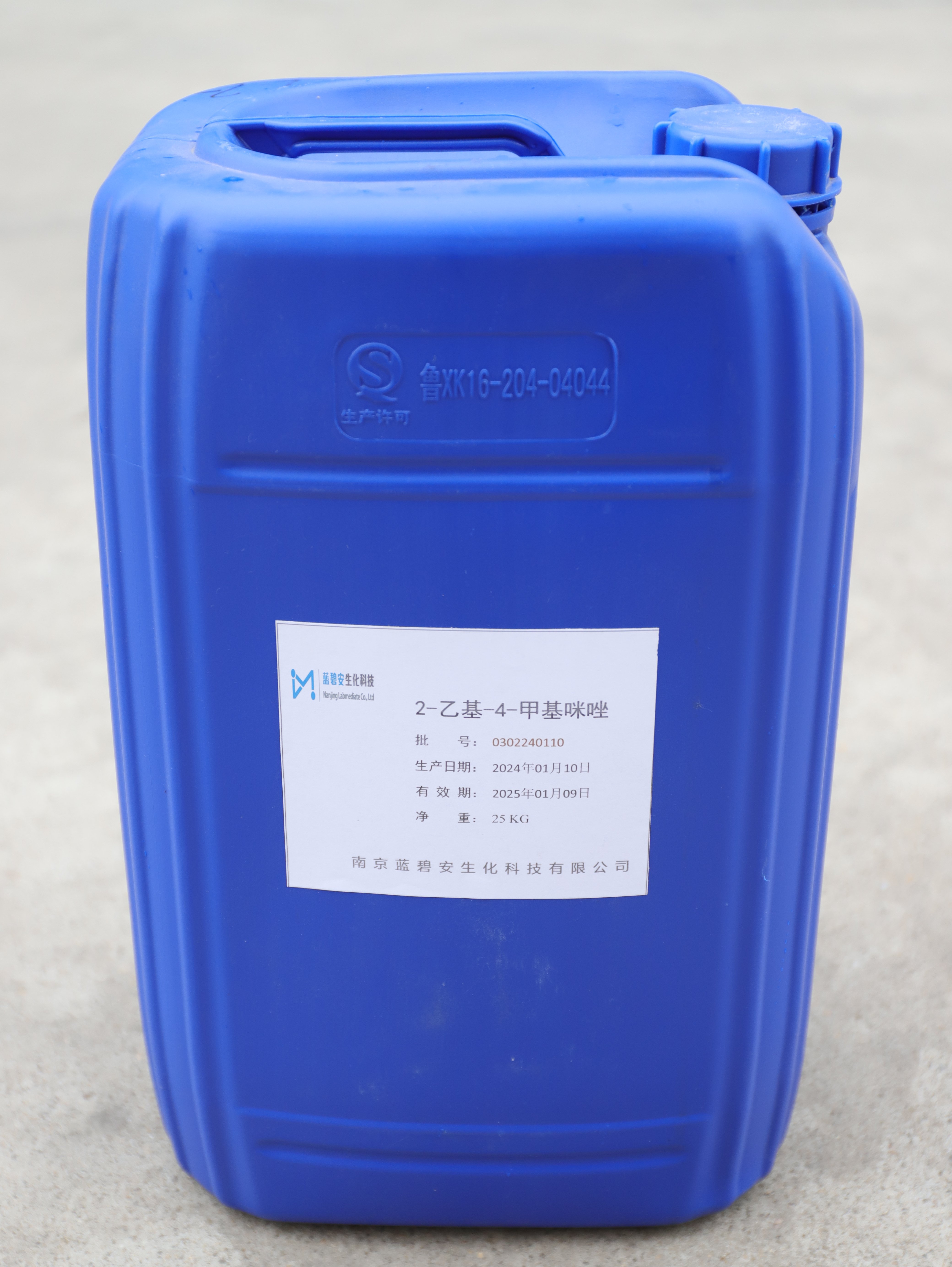
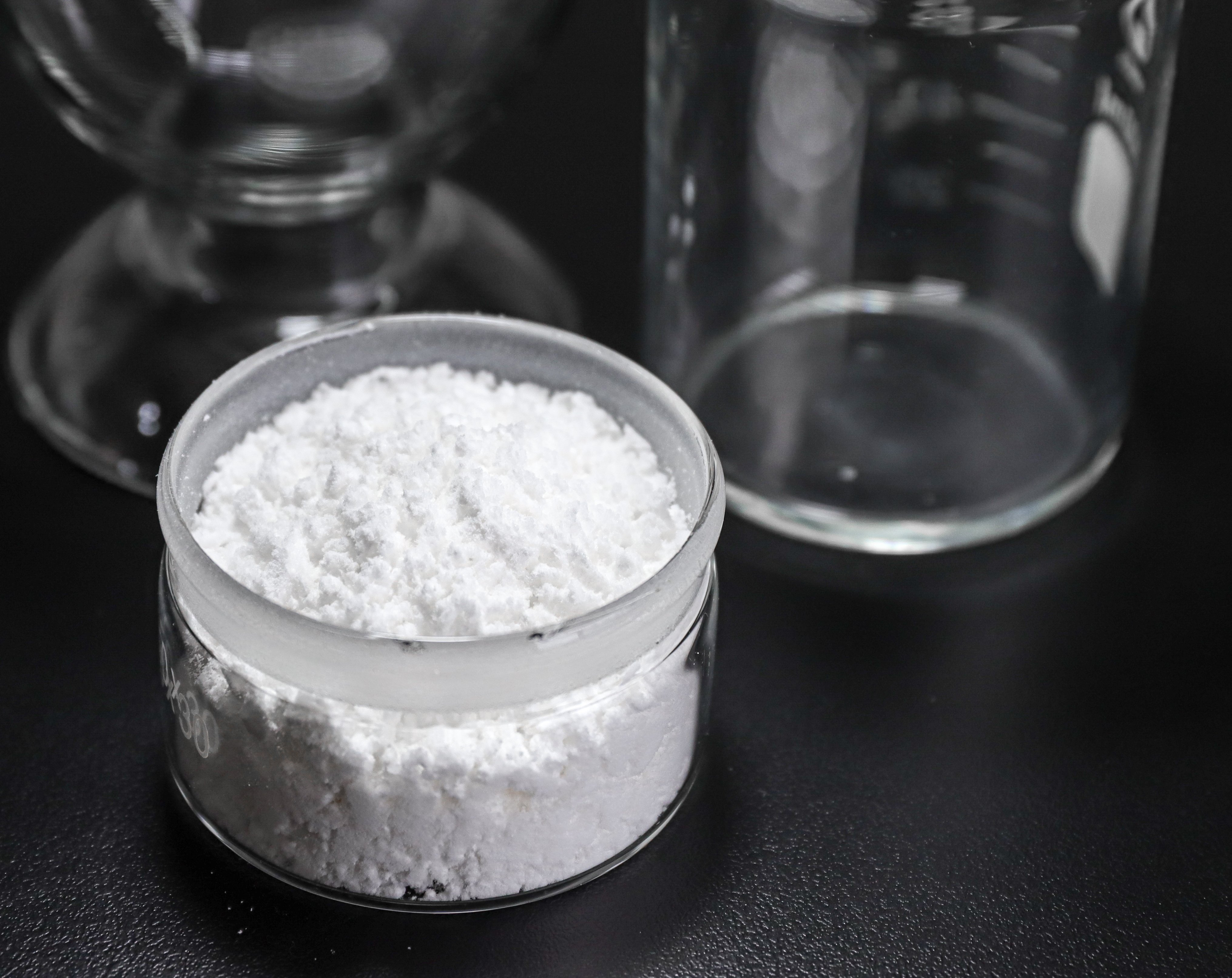
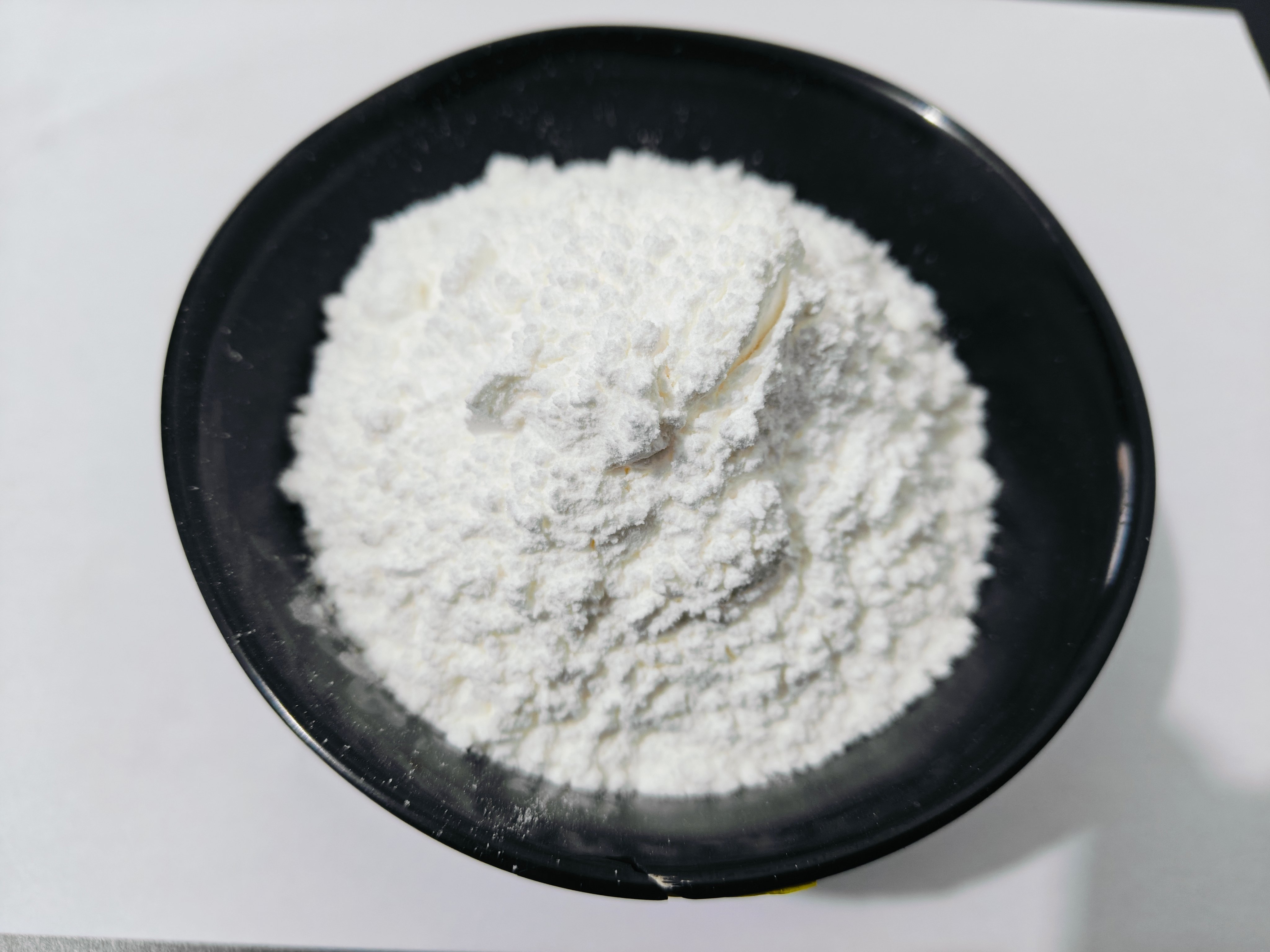
A semiconductor encapsulation catalyst is a specialized chemical agent designed to accelerate the curing process of epoxy molding compounds used in semiconductor packaging applications. This essential material plays a critical role in protecting delicate semiconductor chips from environmental damage, mechanical stress, and moisture infiltration. The semiconductor encapsulation catalyst functions by initiating and controlling the cross-linking reactions within epoxy resins, transforming liquid or semi-solid compounds into solid protective layers. These catalysts are engineered to operate within specific temperature ranges, typically between 150 to 180 degrees Celsius, ensuring optimal curing speeds without compromising the integrity of sensitive electronic components. Modern semiconductor encapsulation catalyst formulations incorporate advanced chemistry that provides precise control over reaction kinetics, pot life, and final product properties. The technology behind these catalysts has evolved significantly to meet the demanding requirements of miniaturized electronics, high-density packaging, and advanced semiconductor architectures. Key technological features include low moisture absorption, excellent thermal stability, minimal outgassing during curing, and compatibility with various epoxy resin systems. Applications span across multiple semiconductor packaging types, including ball grid arrays, chip scale packages, quad flat packages, and system-in-package configurations. The semiconductor encapsulation catalyst ensures uniform curing throughout the encapsulation material, preventing defects such as voids, delamination, or incomplete polymerization that could compromise device reliability and performance in consumer electronics, automotive systems, telecommunications equipment, and industrial applications.

 EN
EN