Manufactured Latent Epoxy Hardener Solutions

All Categories

manufactured latent epoxy hardener

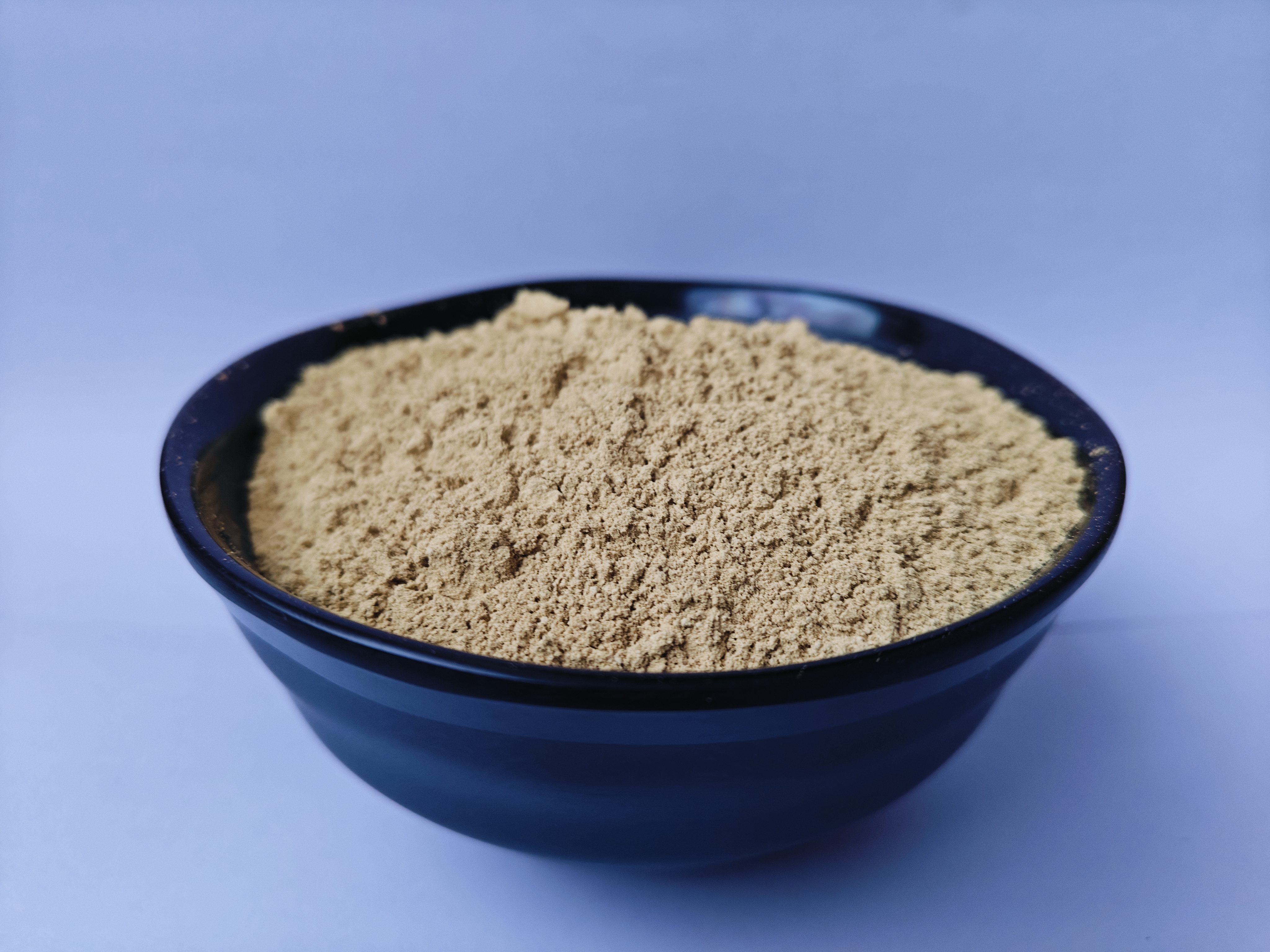
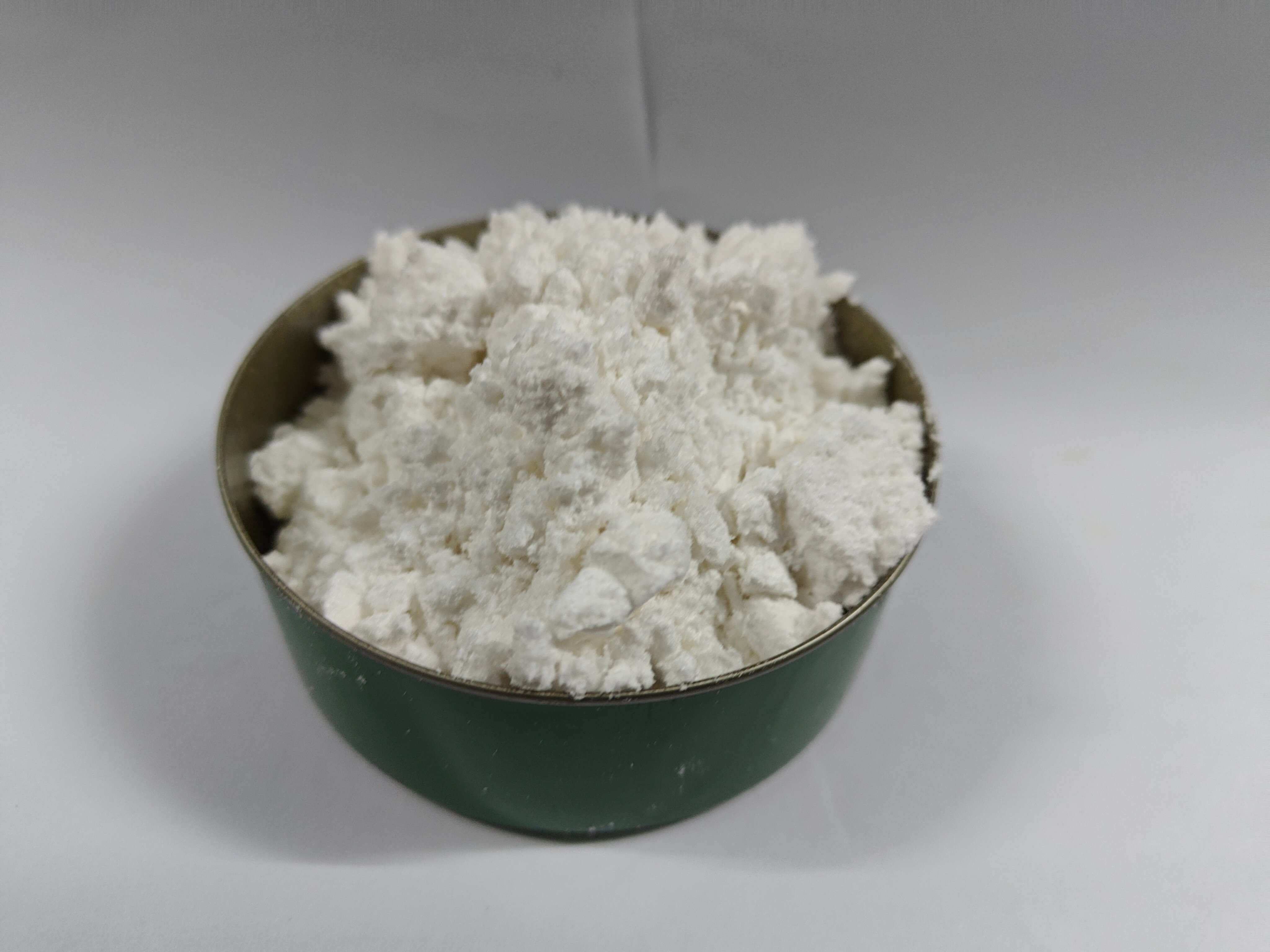
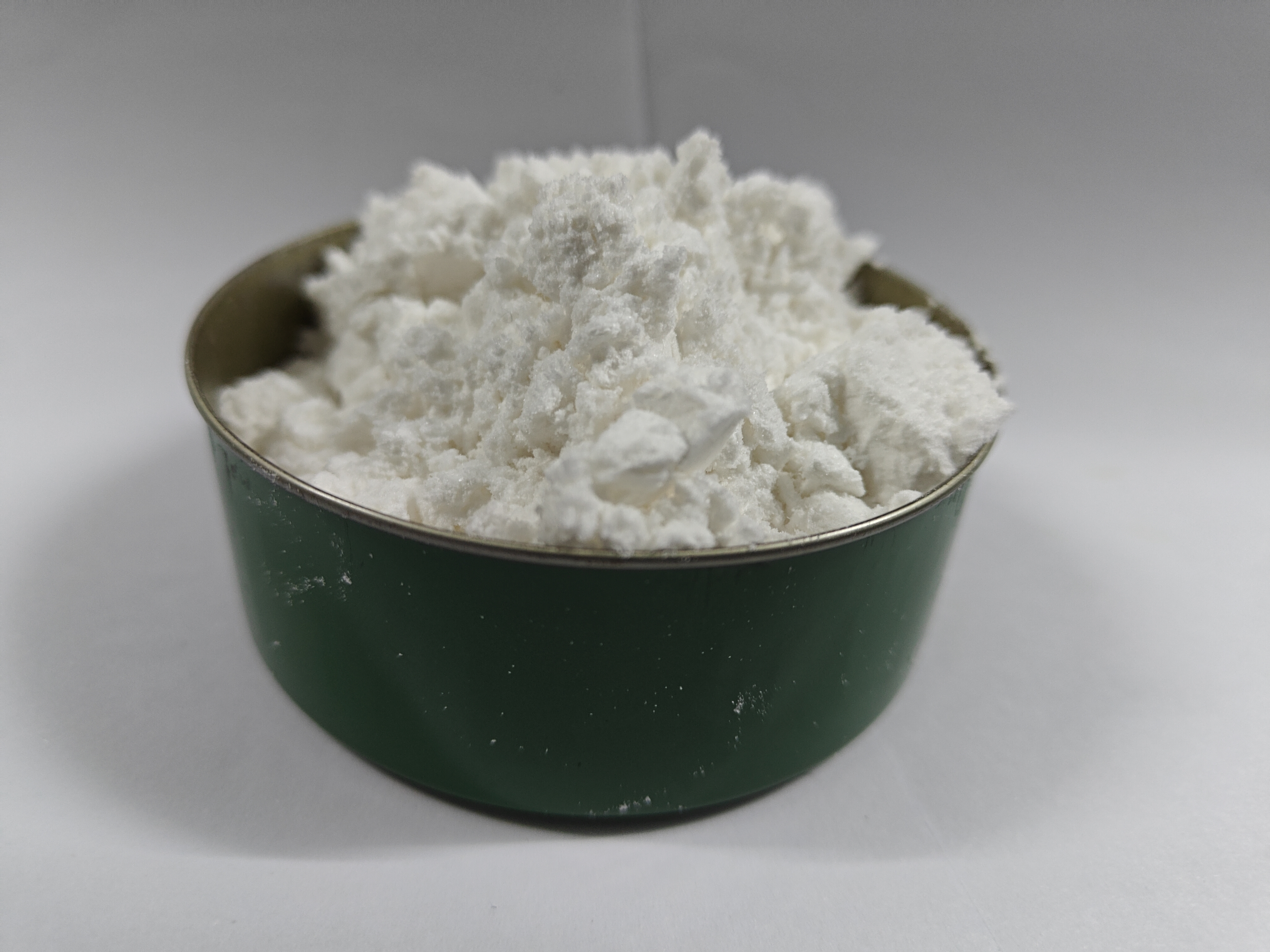
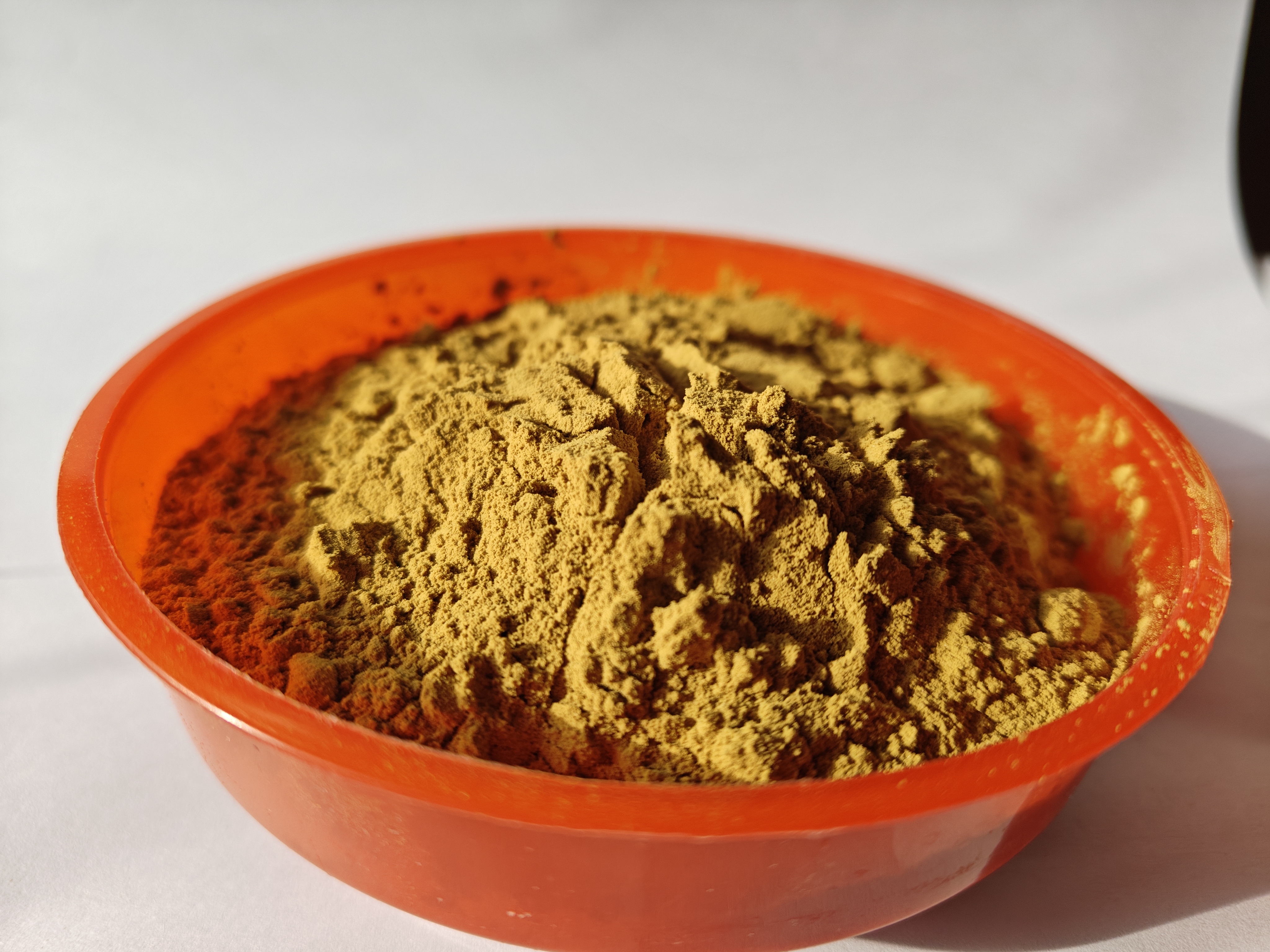
A manufactured latent epoxy hardener is a specialized curing agent designed to remain inactive at room temperature and activate only when exposed to specific conditions such as elevated heat or UV light. This innovative hardening component allows epoxy resin systems to maintain extended working times and storage stability while delivering reliable curing performance when triggered. The manufactured latent epoxy hardener serves as a critical ingredient in one-component epoxy formulations, eliminating the need for immediate mixing of separate resin and hardener components. Its main function is to provide controlled curing, enabling manufacturers to pre-mix epoxy systems that remain stable until the curing process is deliberately initiated. Technological features include temperature-activated mechanisms, encapsulated chemistry, and precisely engineered molecular structures that prevent premature reaction. These hardeners are produced through advanced manufacturing processes that ensure consistent quality, uniform particle size distribution, and predictable activation temperatures. Applications span across aerospace composites, automotive coatings, electronics encapsulation, adhesive formulations, and powder coating systems. The manufactured latent epoxy hardener proves particularly valuable in industrial settings where extended pot life, simplified processing, and reliable cure schedules are essential. By incorporating this technology, manufacturers gain the ability to produce ready-to-use epoxy products with long shelf life, reduce waste from premature curing, and streamline production workflows. The versatility of manufactured latent epoxy hardener systems makes them indispensable for modern composite manufacturing, protective coatings, and advanced bonding applications where precision timing and consistent results are paramount.

New Product Recommendations

The manufactured latent epoxy hardener delivers substantial practical benefits that directly impact your production efficiency and product quality. First, it extends working time significantly, allowing you to handle larger batches without rushing through application processes. You can pre-mix epoxy formulations weeks or even months in advance, storing them at ambient temperatures without worrying about premature curing or material waste. This translates to better inventory management and reduced material costs. Second, the one-component nature simplifies your mixing operations, eliminating errors from incorrect resin-to-hardener ratios that often plague traditional two-part systems. Your workers spend less time on preparation and achieve more consistent results across production runs. Third, the controlled activation gives you predictable cure schedules, enabling precise process planning and quality control. When you apply heat or trigger the curing mechanism, the reaction proceeds reliably, producing uniform mechanical properties throughout your finished products. Fourth, operational benefits include reduced labor costs, minimized equipment cleaning, and fewer rejected parts due to mixing errors. The manufactured latent epoxy hardener suits applications requiring complex part geometries, extended layup times in composites, or situations where field application demands simplicity. Fifth, you gain flexibility in production scheduling since materials remain stable until you decide to cure them. This is particularly valuable for custom orders or variable production volumes. Sixth, the technology supports automation and continuous processing systems, improving throughput and reducing handling steps. For decision-making purposes, choosing a manufactured latent epoxy hardener means investing in process reliability, material efficiency, and operational simplicity that collectively lower your total cost of ownership while enhancing product consistency and customer satisfaction.

Latest News

What Should Manufacturers Look for When Choosing Thermally Latent Catalysts?

12

Dec

What Should Manufacturers Look for When Choosing Thermally Latent Catalysts?

Manufacturing processes across industries rely heavily on precise chemical reactions, and selecting the right thermally latent catalysts can determine the success or failure of production outcomes. These specialized catalytic compounds remain inactiv...
View More
How is CDI coupling reagent used in large-scale manufacturing

07

Jan

How is CDI coupling reagent used in large-scale manufacturing

The pharmaceutical and chemical manufacturing industries increasingly rely on efficient coupling reagents to facilitate complex synthesis reactions at scale. Among these powerful chemical tools, cdi coupling reagent stands out as a versatile and reli...
View More
How do procurement teams compare CDI coupling reagent suppliers

07

Jan

How do procurement teams compare CDI coupling reagent suppliers

Procurement teams in pharmaceutical and biotechnology companies face a complex decision when selecting suppliers for specialized chemical reagents. The evaluation of cdi coupling reagent suppliers requires a comprehensive understanding of product spe...
View More
How Can Curing Agents for Epoxy Resins Be Customized for Specific Applications?

12

Feb

How Can Curing Agents for Epoxy Resins Be Customized for Specific Applications?

The versatility and performance of epoxy resins largely depend on the selection and customization of appropriate curing agents for epoxy resins. These chemical compounds, also known as hardeners, play a crucial role in transforming liquid epoxy resin...
View More

Get a Free Quote

Our representative will contact you soon.
Email
Name
Company Name
Message
0/1000

manufactured latent epoxy hardener

Extended Shelf Life and Storage Stability

Extended Shelf Life and Storage Stability

The manufactured latent epoxy hardener revolutionizes inventory management by offering exceptional shelf life that far surpasses conventional two-part epoxy systems. This advanced curing technology remains completely dormant at standard storage temperatures, preventing any cross-linking reactions that would otherwise compromise material usability. Your pre-mixed epoxy formulations can be stored for six months to over a year depending on specific product variants, maintaining full reactivity and performance characteristics throughout their shelf life. This stability eliminates the common problem of hardener crystallization, resin thickening, or partial curing that wastes materials and disrupts production schedules. For manufacturers managing multiple product lines or seasonal demand variations, this extended stability translates directly to reduced material waste, lower inventory carrying costs, and greater supply chain flexibility. You can purchase materials in economical bulk quantities without risking expiration, and maintain ready-to-use formulations that respond instantly to production needs. The storage stability also supports global distribution networks, allowing products to withstand extended shipping times and variable climate conditions without degradation. This reliability proves essential for industries where material consistency directly affects safety certifications, structural performance, or aesthetic quality in finished products.
Simplified Application and Processing Efficiency

Simplified Application and Processing Efficiency

The manufactured latent epoxy hardener transforms complex multi-step epoxy application into streamlined single-component processing that dramatically improves operational efficiency. Unlike traditional systems requiring precise measurement, mixing, and immediate use within limited pot life windows, these advanced hardeners arrive fully incorporated into ready-to-use formulations. Your production teams simply apply the material and trigger curing through controlled heating, eliminating mixing errors that cause inconsistent cure, mechanical property variations, or complete system failure. This simplification reduces training requirements for operators, minimizes quality control checkpoints, and accelerates production cycles. In automated manufacturing environments, the manufactured latent epoxy hardener enables continuous flow processes, robotic application systems, and precision dispensing equipment that would struggle with two-part mixing logistics. The extended working time before heat activation allows complex part assembly, intricate layup procedures in composite fabrication, and detailed surface preparation without time pressure. You gain the flexibility to pause operations, reposition components, or perform quality inspections before committing to the curing cycle. This processing advantage proves particularly valuable in aerospace applications, large-scale composite structures, and precision electronic assembly where rushed application compromises final product integrity and performance.
Precise Cure Control and Consistent Performance

Precise Cure Control and Consistent Performance

The manufactured latent epoxy hardener provides unmatched control over curing kinetics, enabling manufacturers to achieve consistent mechanical properties and optimize production schedules with scientific precision. The activation temperature can be precisely specified during formulation development, allowing you to select curing profiles that match your specific processing equipment and production requirements. Once the designated temperature threshold is reached, the curing reaction proceeds predictably according to well-characterized kinetic models, producing uniform cross-link density throughout the entire part geometry. This predictability eliminates common defects such as under-cured regions, exothermic spikes that damage substrates, or differential cure rates between thick and thin sections. Your quality assurance processes become more reliable because every batch cures identically when exposed to the same thermal profile, reducing statistical variation in mechanical testing and performance validation. The manufactured latent epoxy hardener also supports staged curing protocols where initial low-temperature steps establish part geometry before final high-temperature post-cure develops ultimate mechanical properties. This flexibility accommodates delicate substrates, complex tooling removal sequences, and multi-material assemblies requiring carefully orchestrated thermal management. For industries subject to stringent regulatory compliance such as aerospace, medical devices, or automotive safety components, the reproducible cure behavior documented through thermal analysis provides essential validation data for certification processes and long-term reliability predictions.

Get a Free Quote

Our representative will contact you soon.
Email
Name
Company Name
Message
0/1000