Epoxy Molding Compound Catalyst Solutions

All Categories

epoxy molding compound catalyst

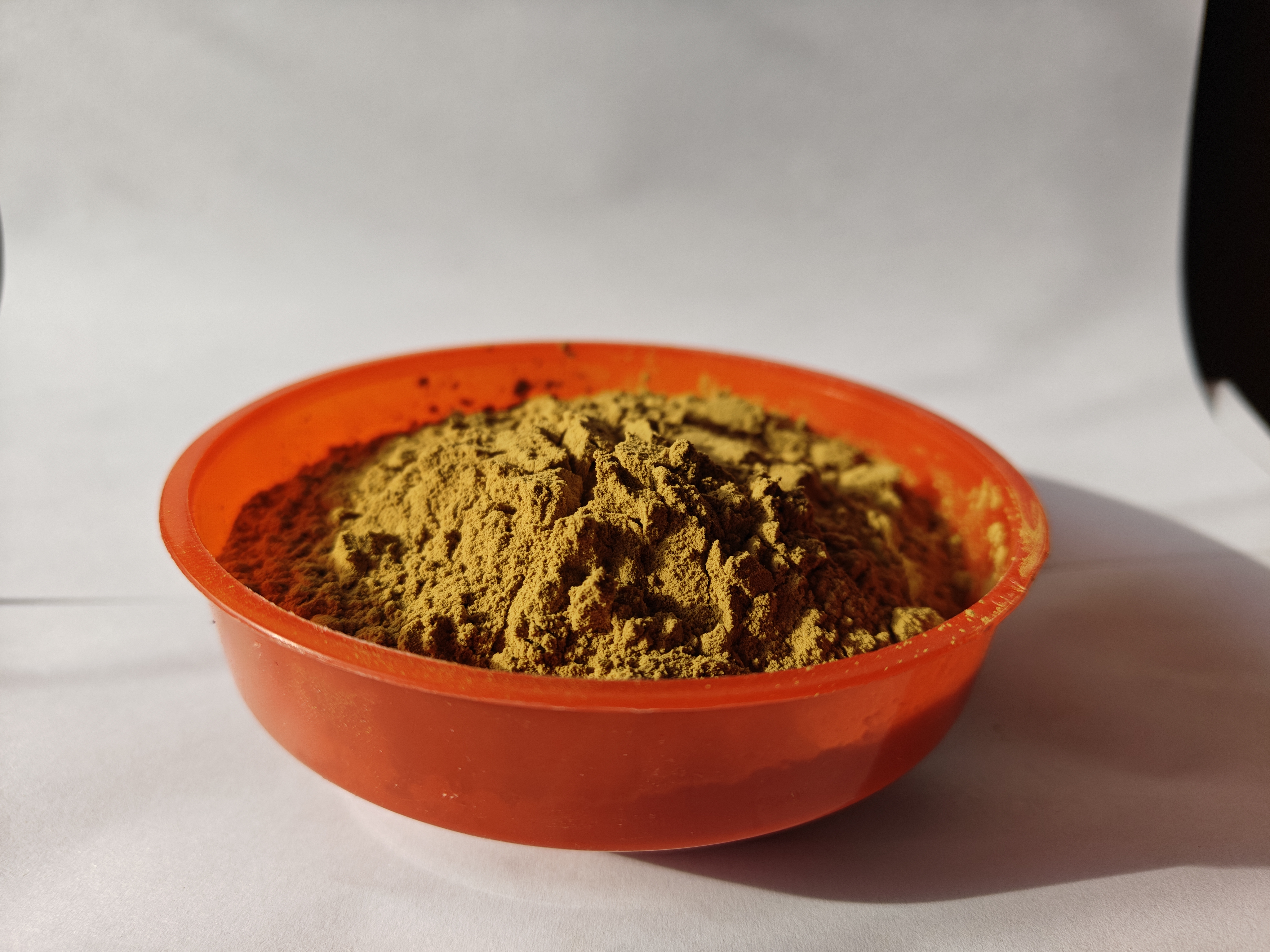
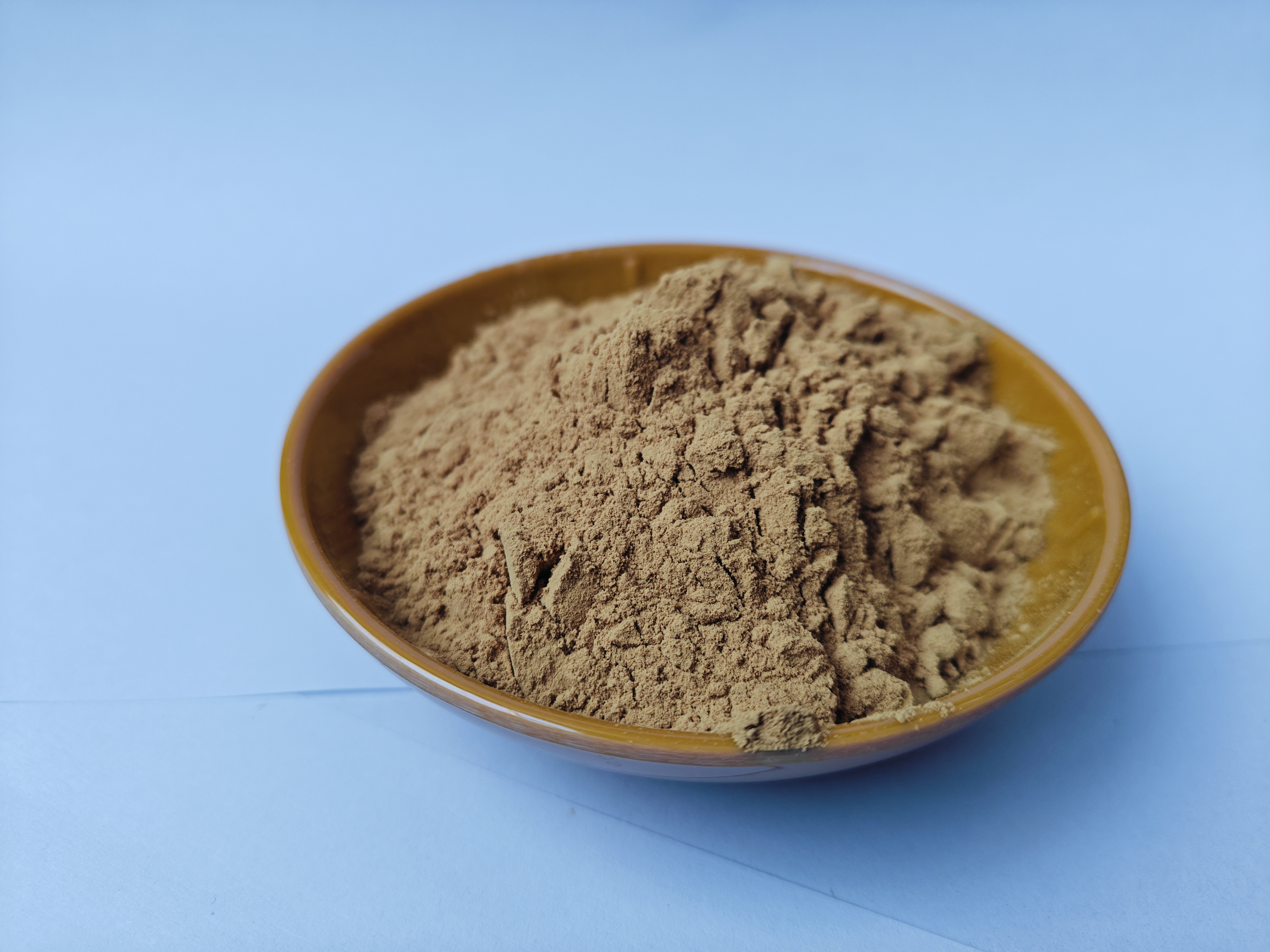
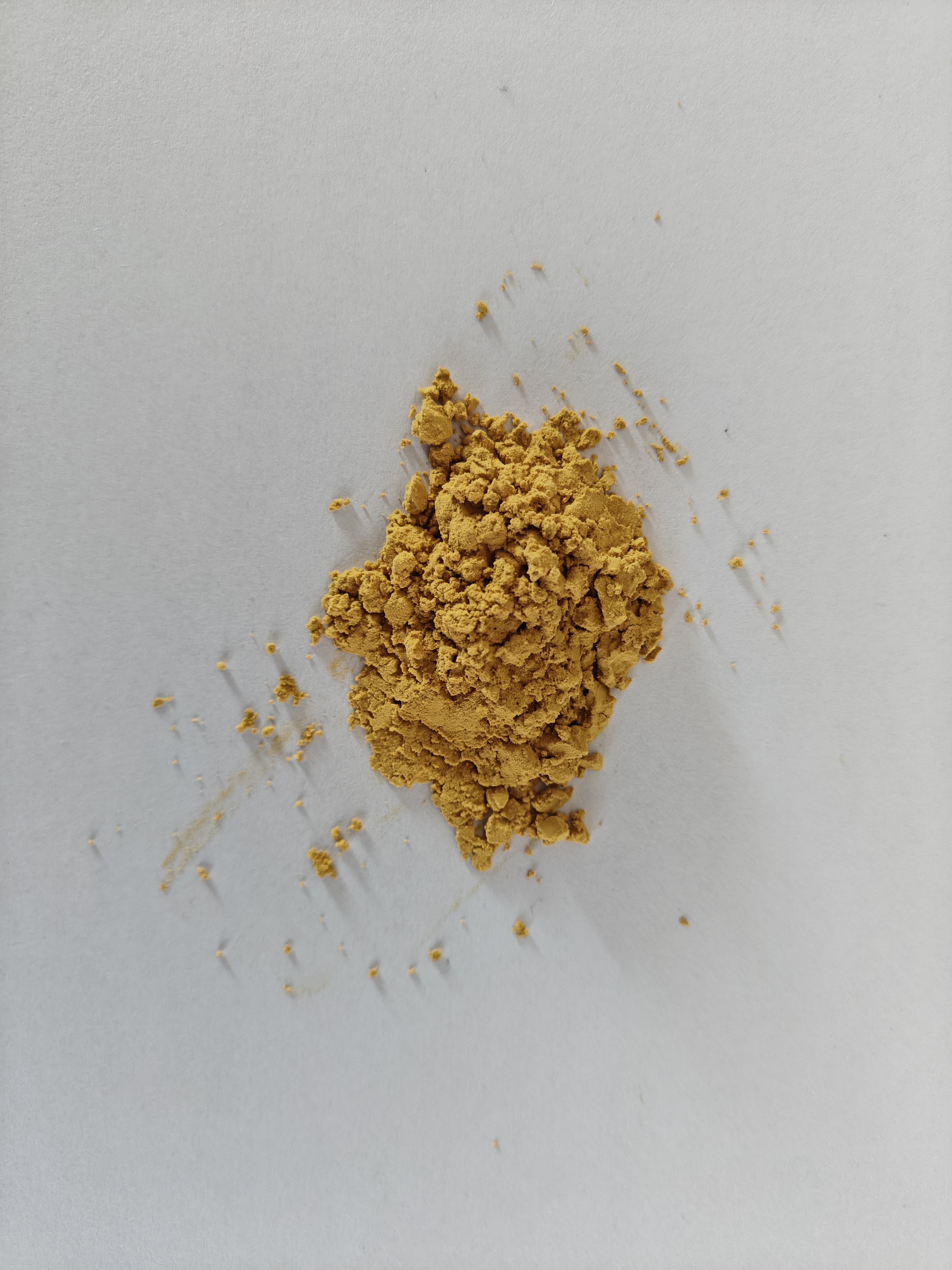
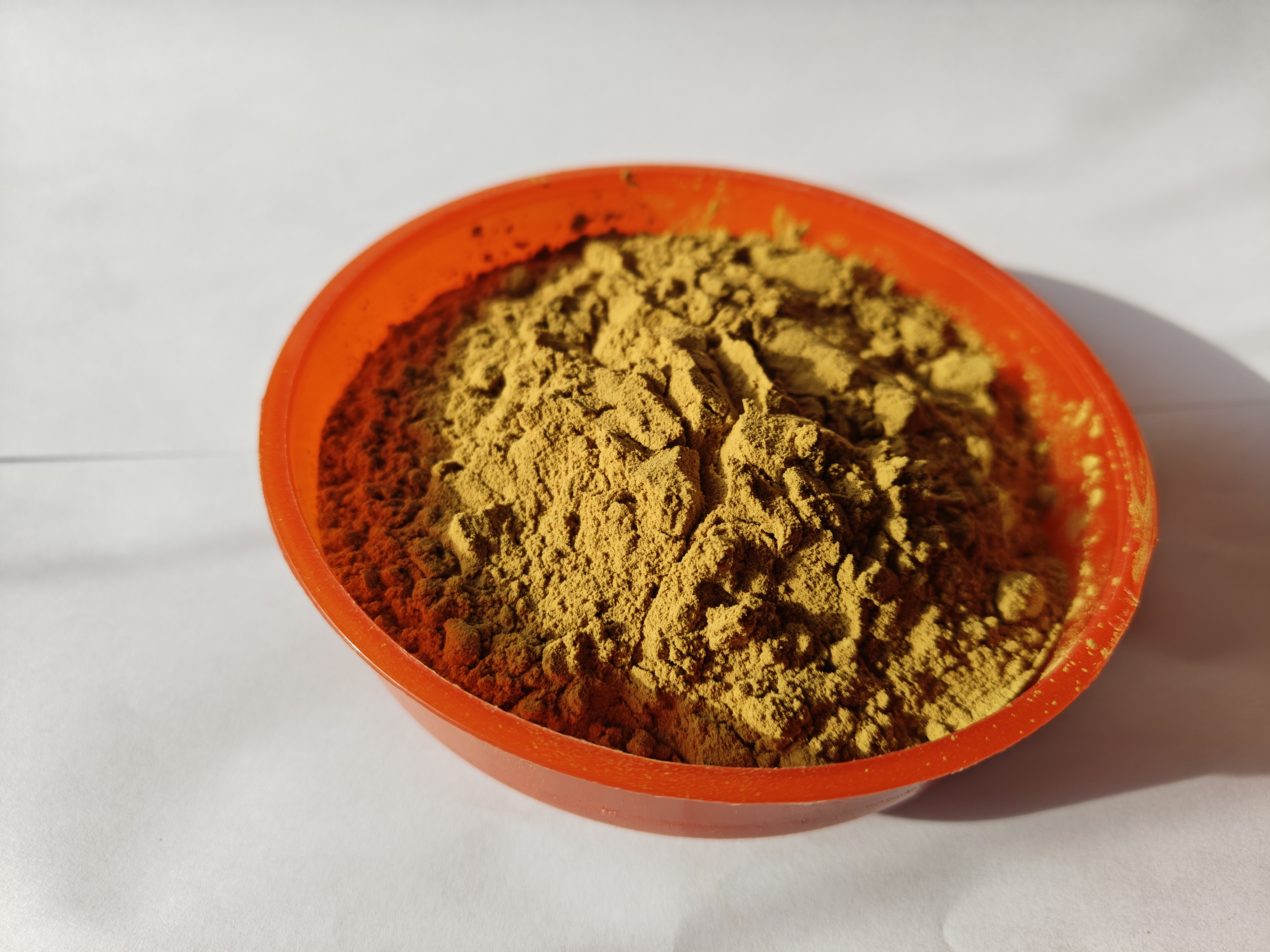
An epoxy molding compound catalyst is a specialized chemical additive designed to accelerate the curing process of epoxy resins used in semiconductor and electronics packaging applications. This essential component plays a critical role in controlling the reaction speed and cross-linking density of epoxy molding compounds, directly influencing the final product's mechanical strength, thermal stability, and overall performance. The epoxy molding compound catalyst functions by lowering the activation energy required for the polymerization reaction, enabling manufacturers to achieve optimal curing at lower temperatures or shorter cycle times. Modern formulations typically incorporate latent catalysts that remain inactive at room temperature but activate rapidly when exposed to specific heat levels during the molding process. These catalysts are engineered to provide precise control over gel time, flow characteristics, and final cure properties, making them indispensable for high-volume production environments. The technology features exceptional compatibility with various epoxy resin systems, fillers, and additives commonly used in electronic packaging. Applications span across integrated circuit encapsulation, power module packaging, LED component protection, and automotive electronics manufacturing. The epoxy molding compound catalyst ensures consistent product quality while enabling manufacturers to optimize production efficiency, reduce energy consumption, and meet stringent industry standards for reliability and environmental compliance in advanced electronics manufacturing operations.

Popular Products

Selecting the right epoxy molding compound catalyst delivers measurable benefits that directly impact your production efficiency and product quality. First, you gain precise control over curing speed, allowing you to tailor cycle times to your specific manufacturing requirements without compromising final product integrity. This flexibility translates to higher throughput and better equipment utilization across your production lines. The catalyst enables lower processing temperatures, which reduces energy costs and minimizes thermal stress on sensitive electronic components during encapsulation. You will experience improved flow properties of the molding compound, ensuring complete mold cavity filling and reducing defects such as voids or incomplete coverage that could compromise device reliability. The enhanced cross-linking achieved through proper catalyst selection results in superior mechanical strength, moisture resistance, and thermal stability in finished products, extending device lifespan and reducing warranty claims. Your quality control becomes more predictable because the epoxy molding compound catalyst provides consistent reaction kinetics batch after batch, minimizing variability in production outcomes. You also benefit from better inventory management since properly catalyzed compounds maintain stable shelf life under appropriate storage conditions. The technology supports your sustainability goals by enabling faster production cycles that consume less energy and generate fewer rejected parts. For manufacturers serving automotive, telecommunications, or consumer electronics markets, using an optimized epoxy molding compound catalyst means meeting rigorous performance specifications while maintaining competitive pricing through operational efficiency gains that lower per-unit production costs.

Latest News

Which Factors Affect the Efficiency of Curing Agents in Epoxy Resin Systems?

12

Feb

Which Factors Affect the Efficiency of Curing Agents in Epoxy Resin Systems?

The efficiency of curing agents in epoxy resin systems depends on numerous interconnected factors that directly influence the polymerization process and final material properties. Understanding these variables is crucial for optimizing epoxy formulat...
View More
How Can Selecting the Right Curing Agent for Epoxy Resins Improve Yield?

12

Feb

How Can Selecting the Right Curing Agent for Epoxy Resins Improve Yield?

The selection of an appropriate curing agent for epoxy resins represents one of the most critical decisions in industrial manufacturing processes, directly impacting product quality, processing efficiency, and overall production yield. Industrial man...
View More
How Do Curing Agents Influence Thermal and Mechanical Properties in Epoxy Resins?

12

Feb

How Do Curing Agents Influence Thermal and Mechanical Properties in Epoxy Resins?

Epoxy resins have become indispensable materials across aerospace, automotive, electronics, and construction industries due to their exceptional adhesive properties, chemical resistance, and mechanical strength. However, the performance characteristi...
View More
How Do Organophosphine Based Catalysts Affect Thermal Stability of EMCs?

05

Mar

How Do Organophosphine Based Catalysts Affect Thermal Stability of EMCs?

Thermal stability represents a critical performance parameter for electronic materials and components (EMCs), particularly in high-temperature industrial applications where reliability cannot be compromised. The integration of organophosphine based c...
View More

Get a Free Quote

Our representative will contact you soon.
Email
Name
Company Name
Message
0/1000

epoxy molding compound catalyst

Accelerated Production Efficiency

Accelerated Production Efficiency

The epoxy molding compound catalyst fundamentally transforms your manufacturing speed without sacrificing quality standards. By precisely controlling the curing reaction, this catalyst technology enables significantly shorter molding cycles compared to uncatalyzed or poorly optimized systems. Manufacturers typically achieve cycle time reductions of twenty to forty percent, directly increasing daily production capacity without additional capital investment in equipment. The catalyst activates at predetermined temperatures, creating a predictable processing window that allows operators to optimize press utilization and scheduling. This acceleration occurs through enhanced molecular mobility and more efficient cross-linking pathways that complete the polymerization process faster. The faster curing also means reduced work-in-progress inventory and shorter lead times for customer orders. Energy consumption per molded unit decreases substantially since heating periods are shortened, contributing to lower operating costs and improved environmental footprint. The technology proves especially valuable in high-volume production environments where even small cycle time improvements generate substantial annual savings and competitive advantages in markets demanding quick turnaround times.
Superior Product Reliability

Superior Product Reliability

Product performance and longevity depend critically on the cross-linking density and uniformity achieved during curing, which the epoxy molding compound catalyst directly influences. This catalyst ensures complete and homogeneous polymerization throughout the molded part, eliminating weak zones that could fail under thermal cycling or mechanical stress. The resulting encapsulated components exhibit exceptional resistance to moisture ingress, a primary failure mechanism in electronic devices operating in humid or outdoor environments. Thermal stability improves markedly, with glass transition temperatures and decomposition thresholds meeting the demanding requirements of automotive under-hood applications and industrial equipment exposed to elevated operating temperatures. The catalyst enables tighter control over coefficient of thermal expansion, reducing interface stresses between the molding compound and semiconductor die or substrate materials that cause delamination failures. Enhanced adhesion properties protect sensitive circuits from contamination and physical damage throughout product lifetime. Testing data consistently shows that properly catalyzed epoxy molding compounds achieve higher reliability scores in accelerated life testing, temperature humidity bias testing, and thermal shock protocols. For manufacturers, this translates to fewer field failures, reduced warranty costs, and stronger brand reputation in quality-sensitive markets.
Processing Flexibility and Compatibility

Processing Flexibility and Compatibility

The epoxy molding compound catalyst offers remarkable versatility across different resin systems, filler packages, and processing equipment configurations. This compatibility allows formulators to optimize compounds for specific application requirements without being constrained by catalyst limitations. The technology works effectively with both standard and halogen-free flame retardant systems, supporting industry transitions toward more environmentally responsible materials. Latent catalyst formulations provide excellent storage stability, maintaining consistent activity levels over extended periods when stored under recommended conditions, which simplifies inventory management and reduces material waste from expired products. The catalyst accommodates various molding technologies including transfer molding, compression molding, and injection molding processes used across the electronics packaging industry. Formulators can adjust catalyst loading levels to fine-tune cure profiles for different component geometries, from thin packages requiring rapid heat transfer to thick modules needing slower curing to prevent internal stress development. This adaptability extends product development timelines since manufacturers can respond quickly to new customer specifications by modifying catalyst concentrations rather than reformulating entire compound systems, accelerating time-to-market for new electronic products and maintaining responsiveness to evolving industry needs.

Get a Free Quote

Our representative will contact you soon.
Email
Name
Company Name
Message
0/1000