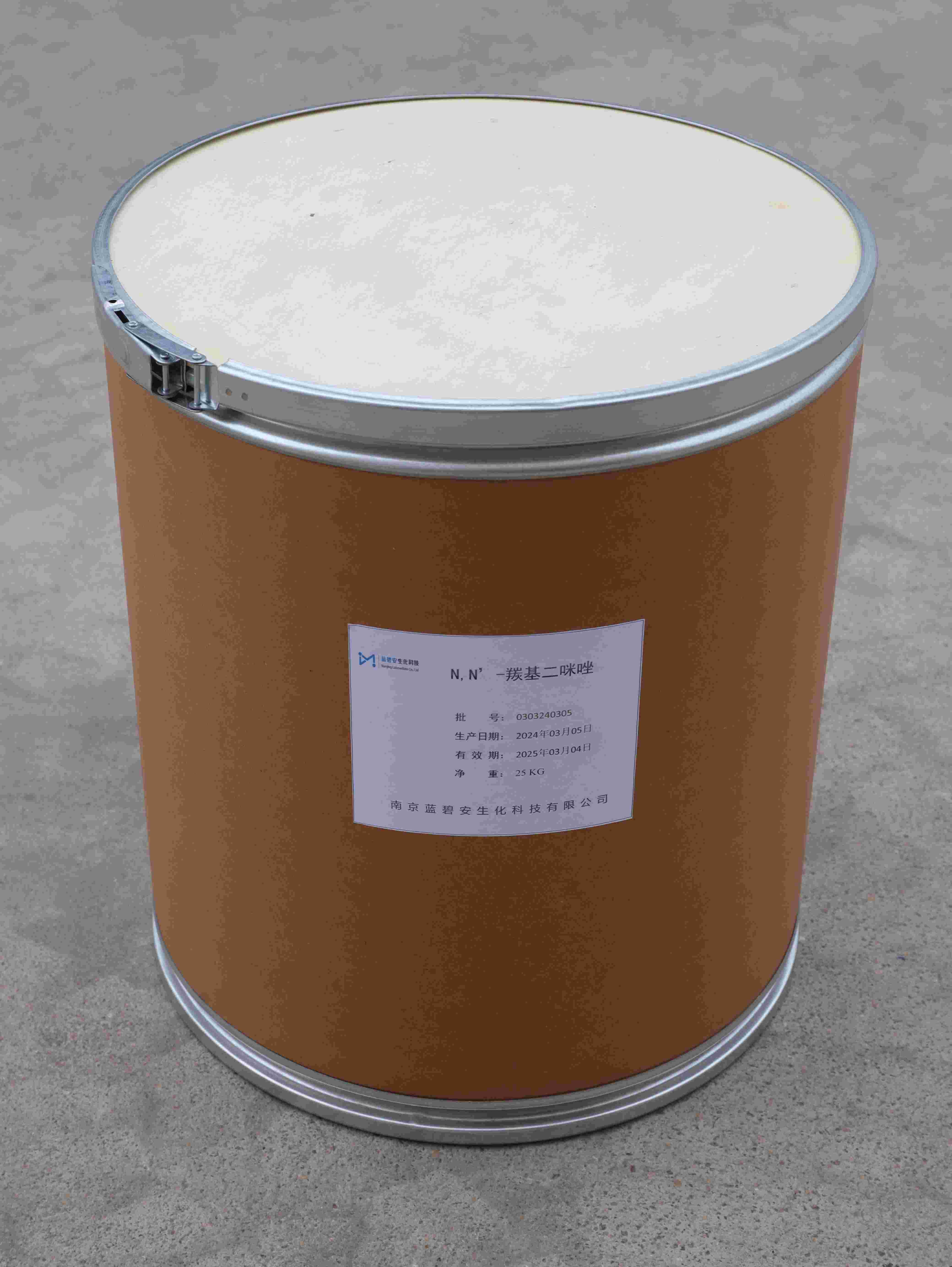
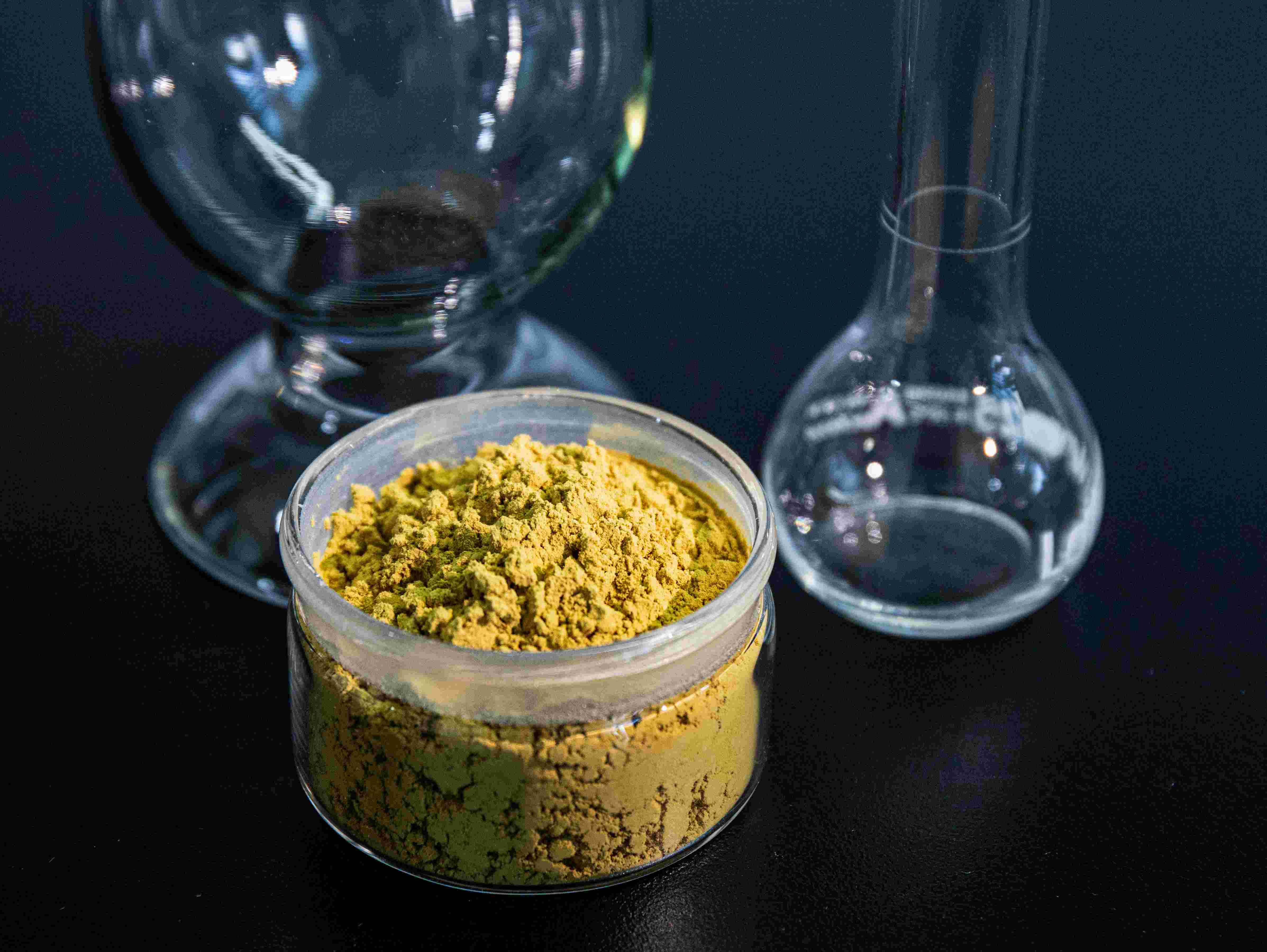
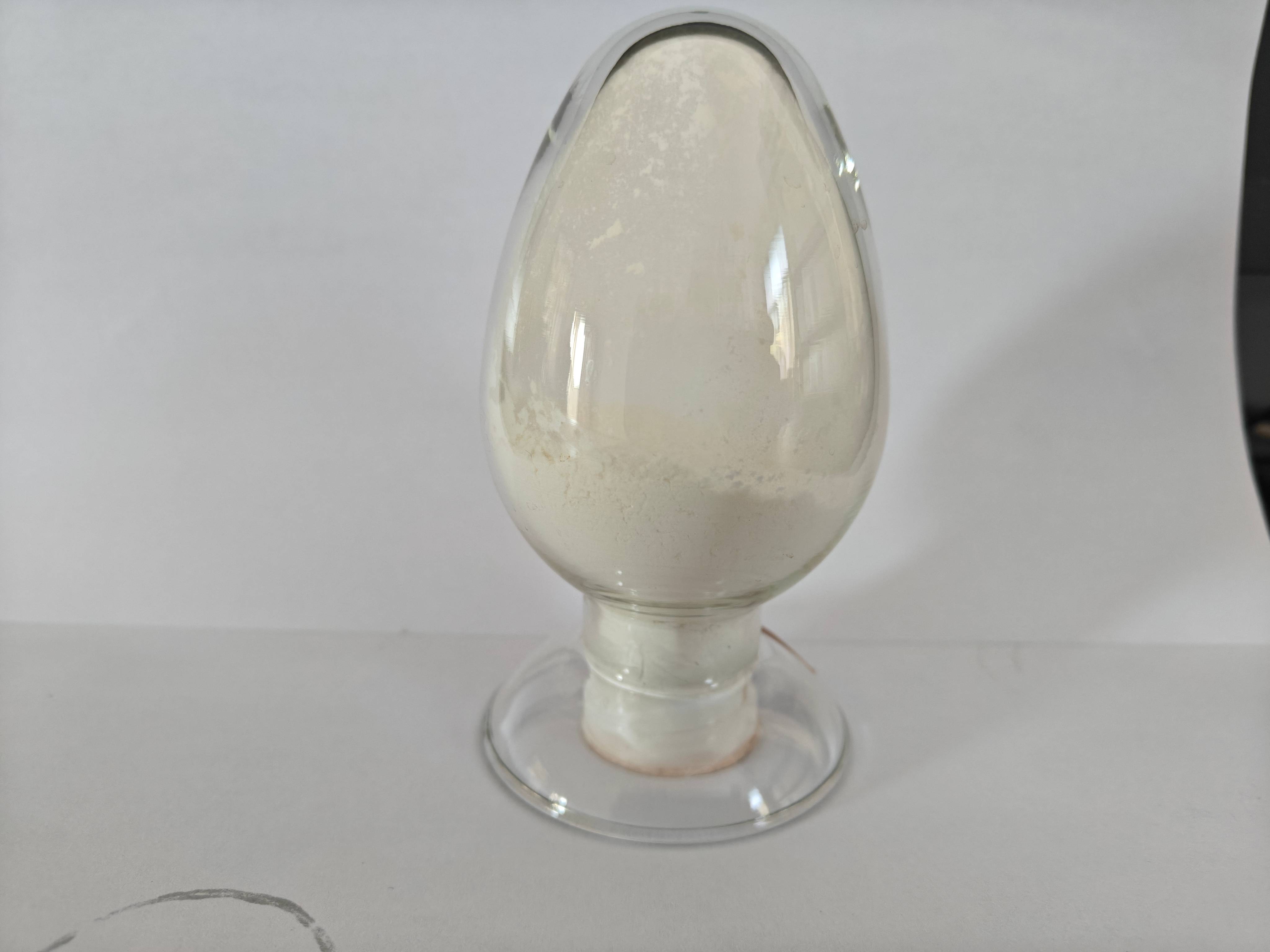
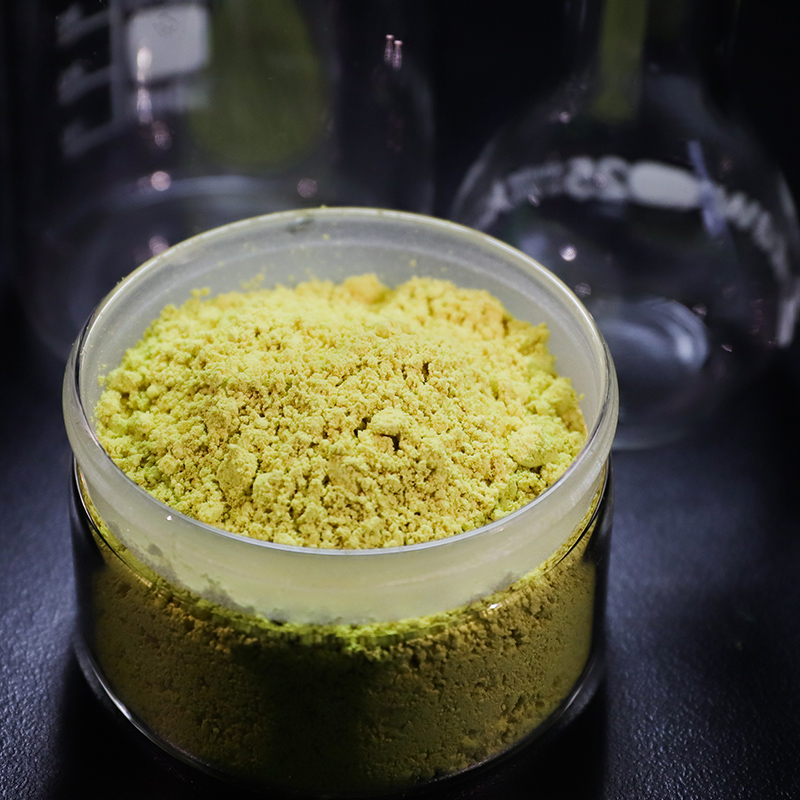
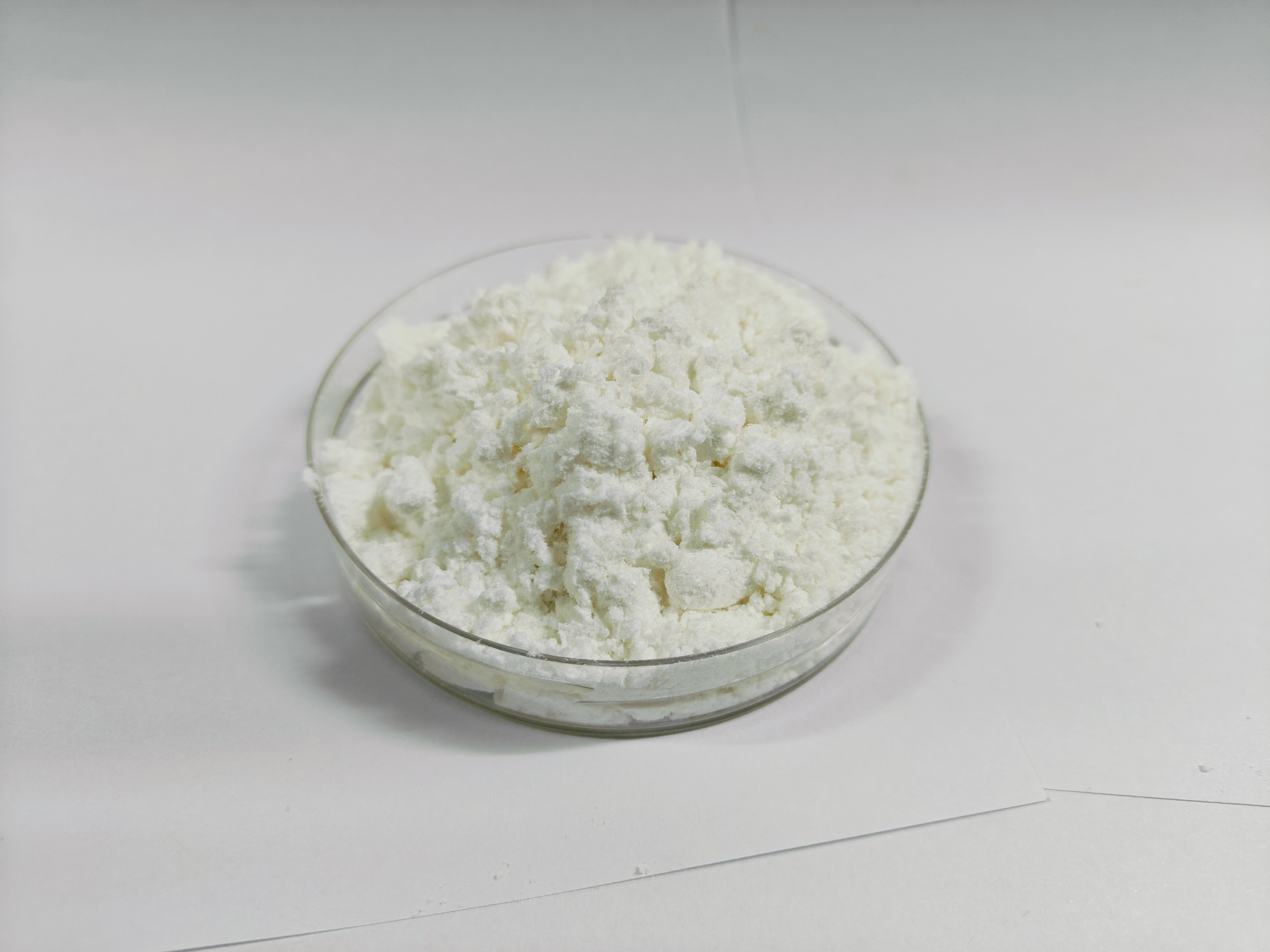
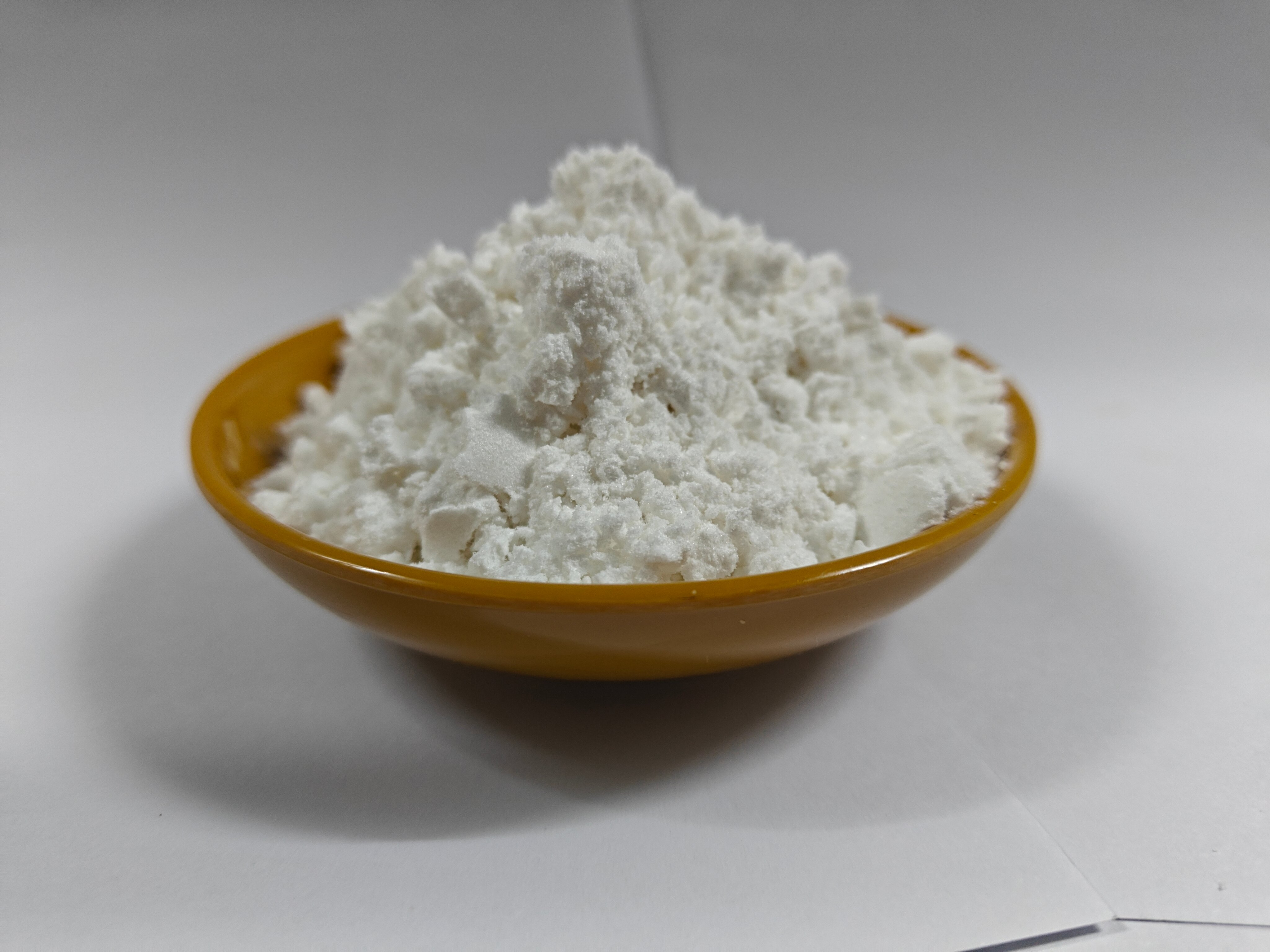
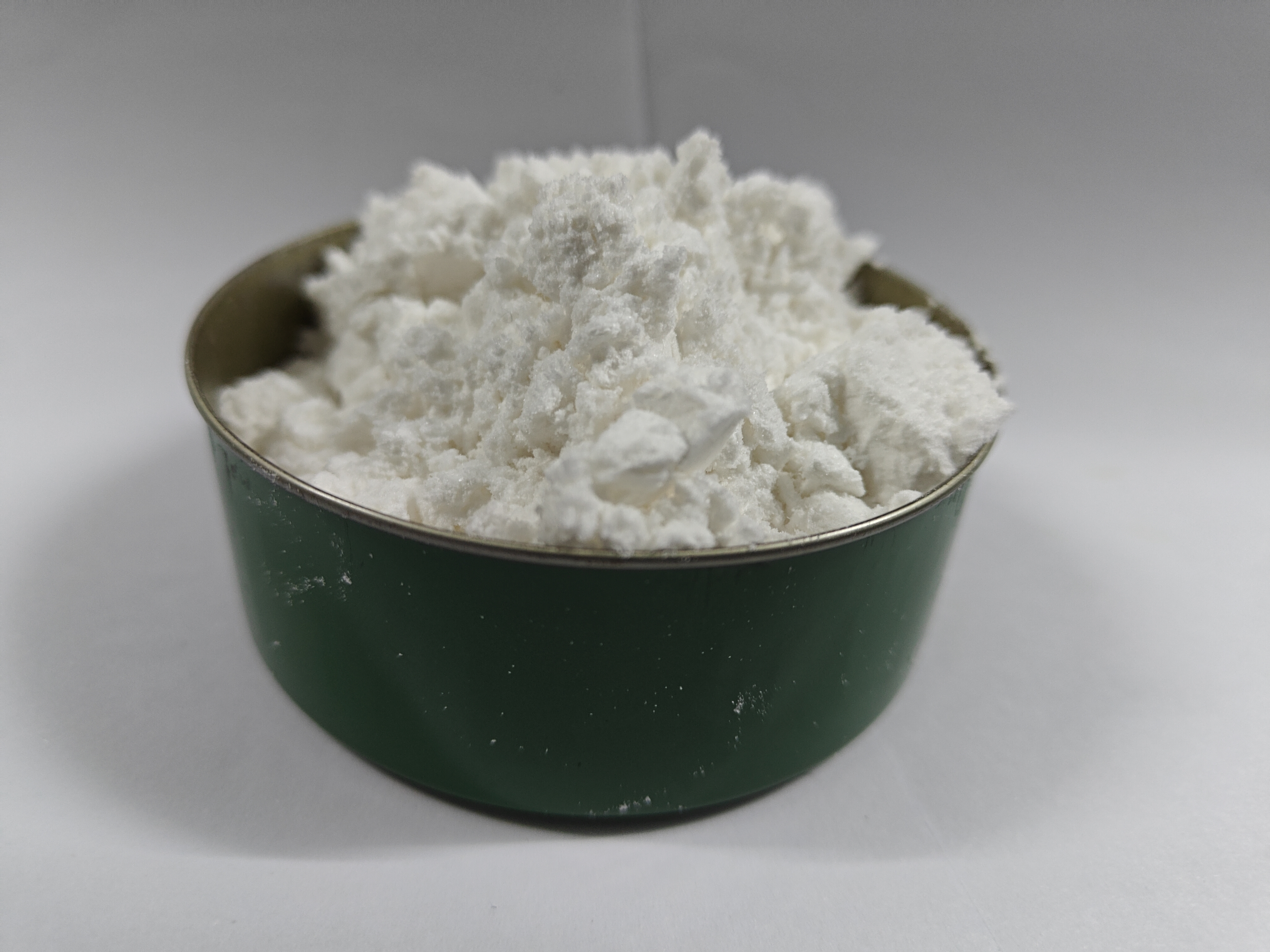
cdi coupling reagent for pharmaceutical intermediates
The CDI coupling reagent for pharmaceutical intermediates has emerged as a versatile and efficient tool in modern pharmaceutical synthesis. CDI, or 1,1'-carbonyldiimidazole, serves as a powerful coupling agent that facilitates the formation of amide, ester, carbamate, and urea bonds in pharmaceutical intermediate production. This CDI coupling reagent for pharmaceutical intermediates operates through a unique activation mechanism where carboxylic acids react with CDI to form acylimidazole intermediates, which then readily couple with various nucleophiles. The reagent demonstrates exceptional performance in peptide synthesis, protecting group chemistry, and the preparation of complex pharmaceutical intermediates. Its technological features include mild reaction conditions, typically proceeding at room temperature or slightly elevated temperatures, and compatibility with a wide range of functional groups commonly encountered in pharmaceutical molecules. The CDI coupling reagent for pharmaceutical intermediates exhibits remarkable selectivity, minimizing side reactions and unwanted by-products. It works efficiently in various solvent systems, including DMF, THF, and dichloromethane, providing flexibility in process design. Applications span across multiple therapeutic areas, from synthesizing antibiotics and antiviral agents to producing cardiovascular and oncology drug intermediates. The reagent's ability to activate carboxylic acids without generating hazardous leaving groups makes it particularly suitable for pharmaceutical manufacturing environments. Its stability during storage and predictable reactivity patterns enable reliable scale-up from laboratory to production settings, making the CDI coupling reagent for pharmaceutical intermediates an indispensable component in contemporary pharmaceutical intermediate synthesis.

 EN
EN