TPTP-BQ EMC Curing Catalyst Solutions

All Categories

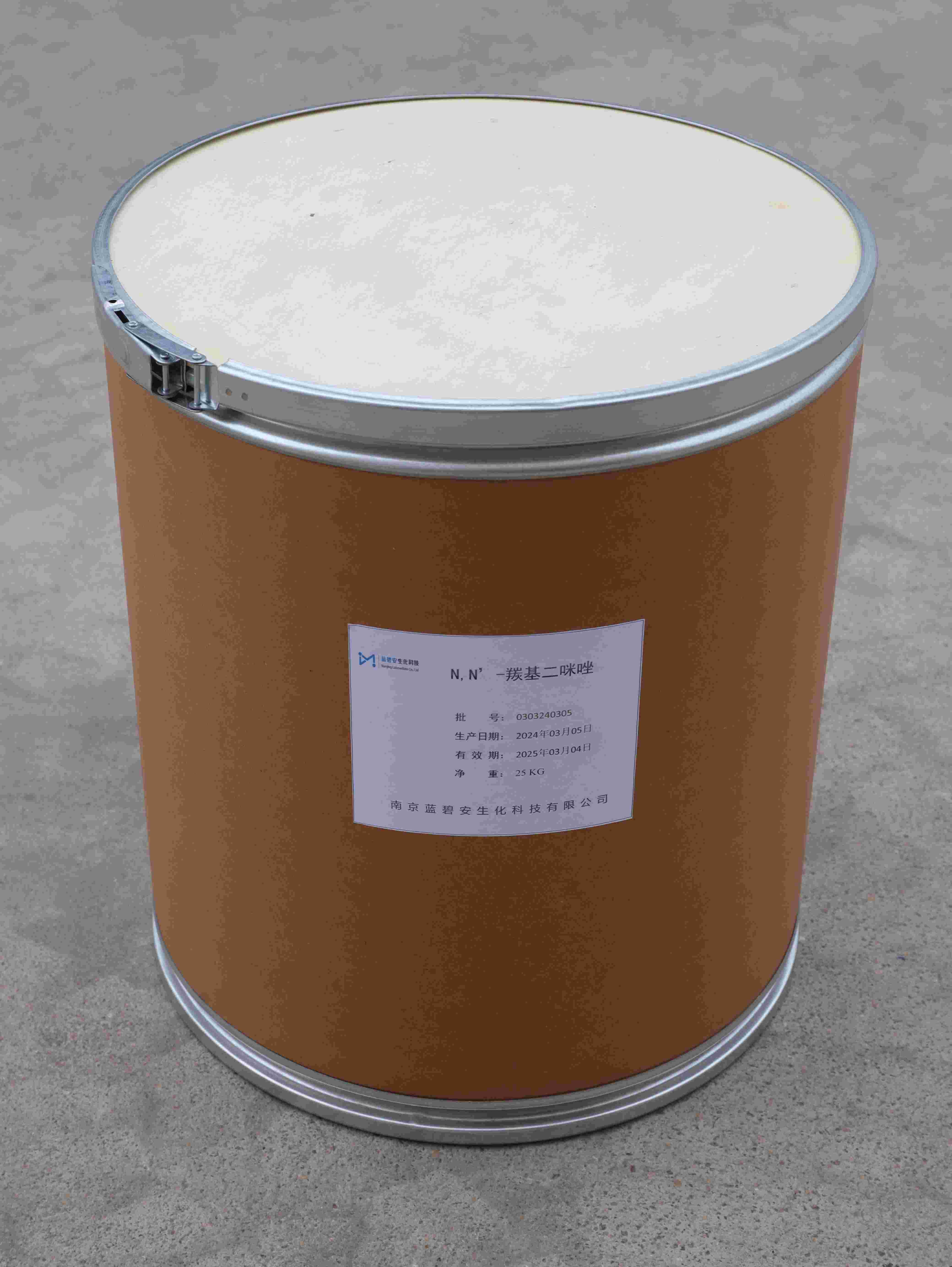
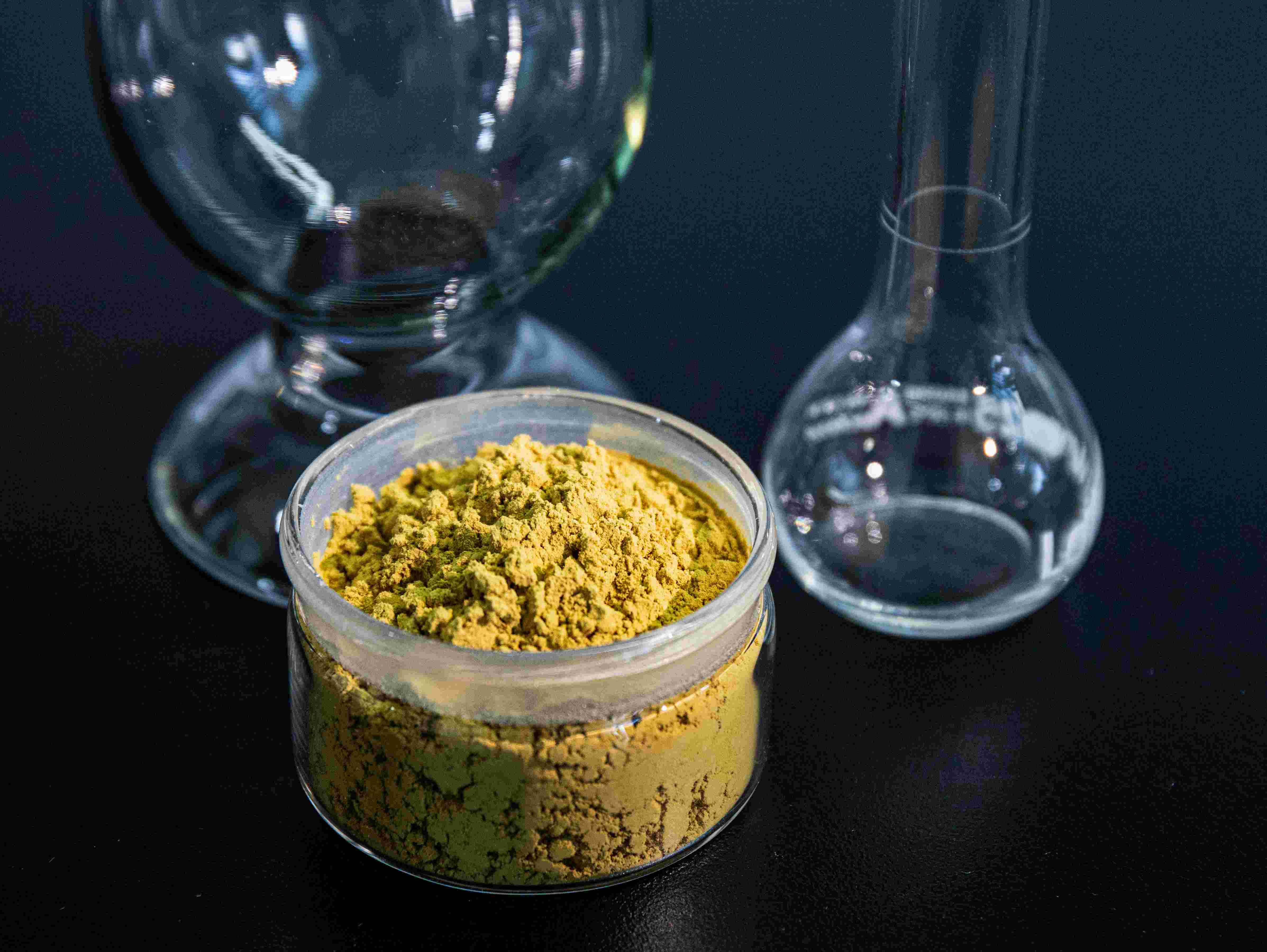
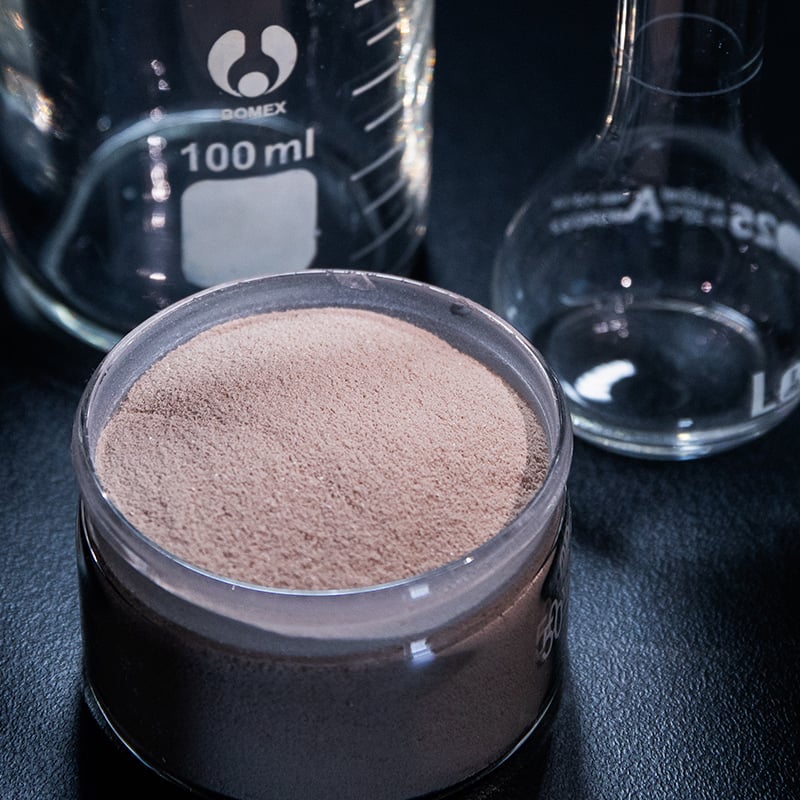
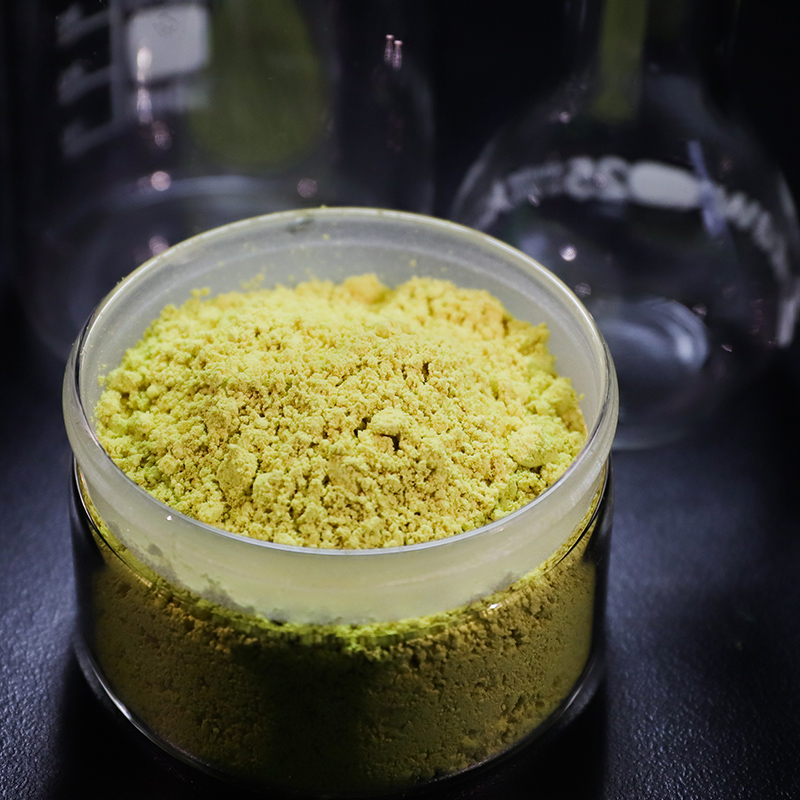
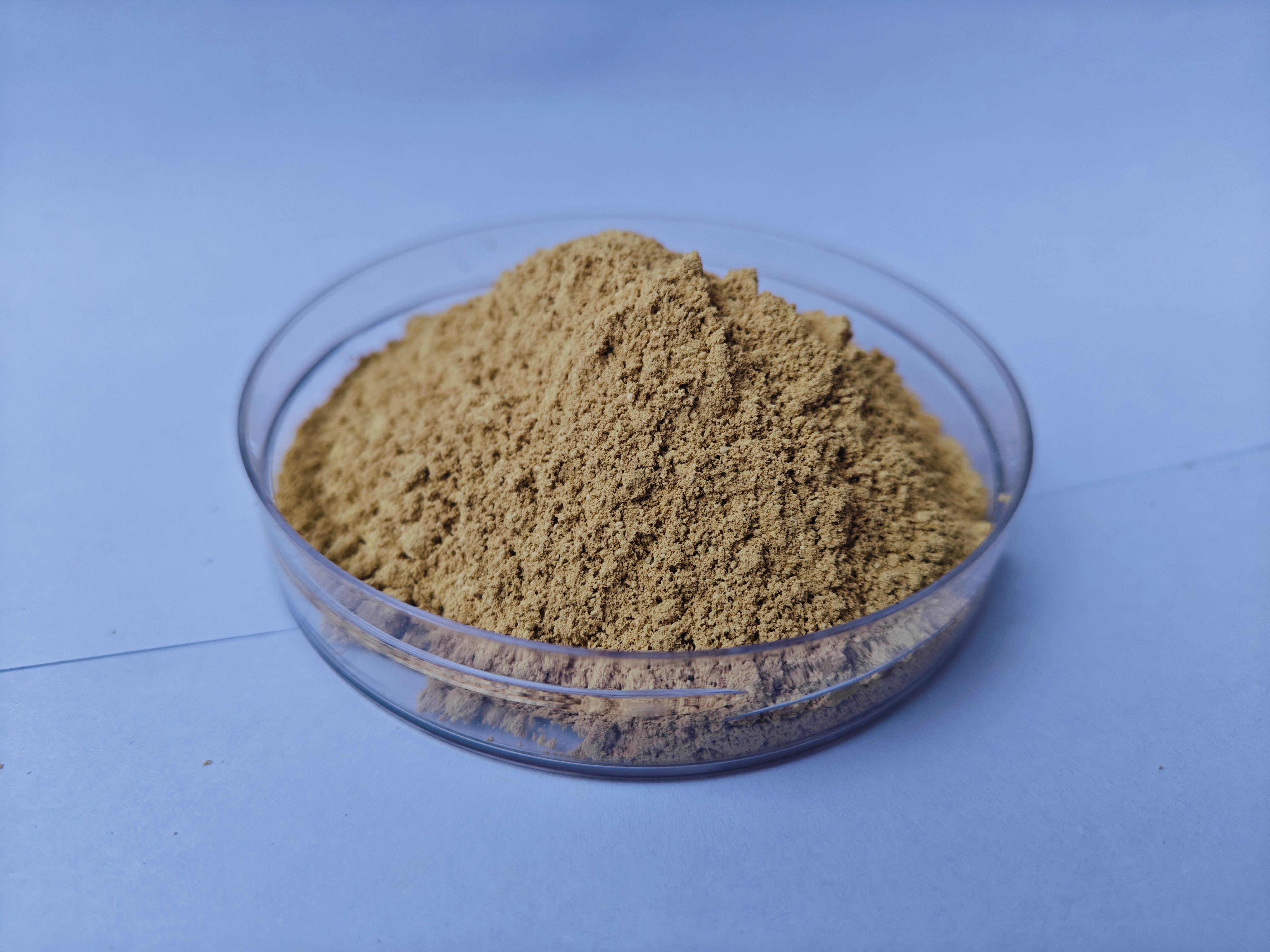
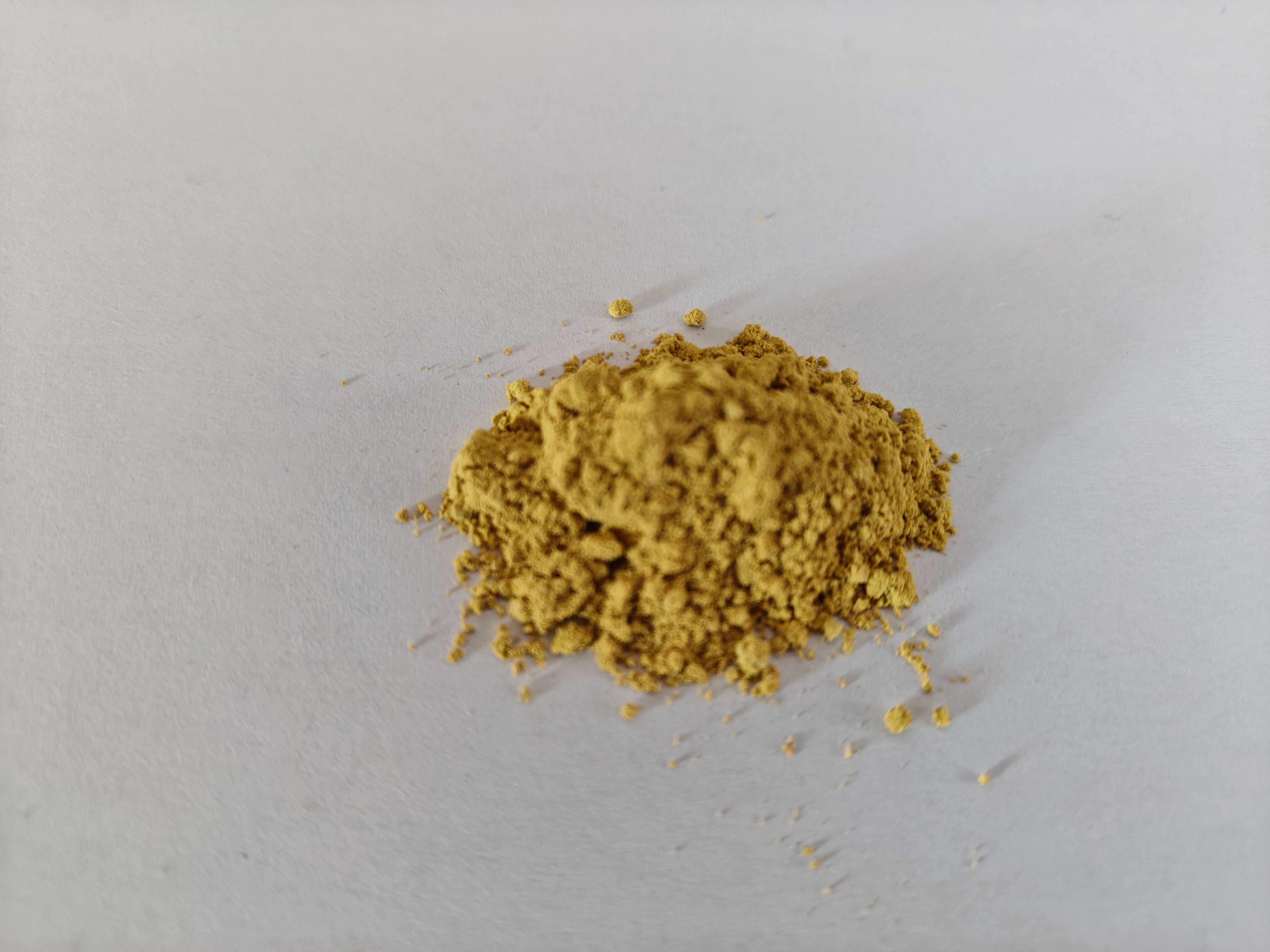
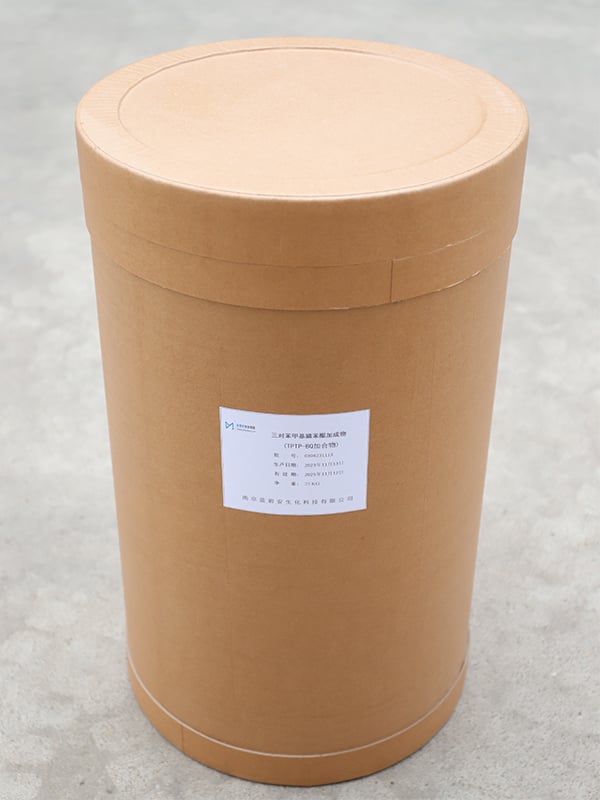
TPTP-BQ EMC curing catalyst

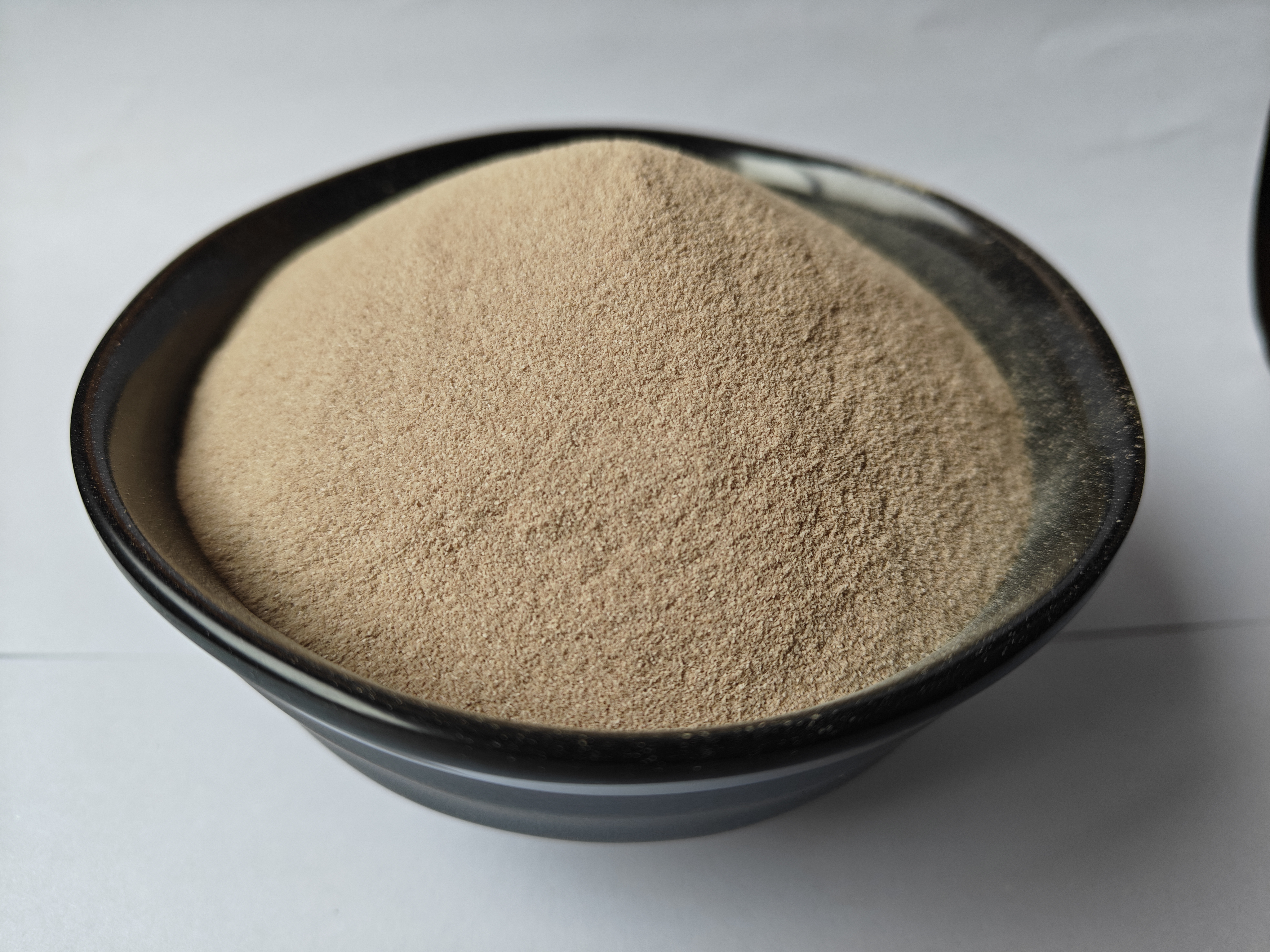
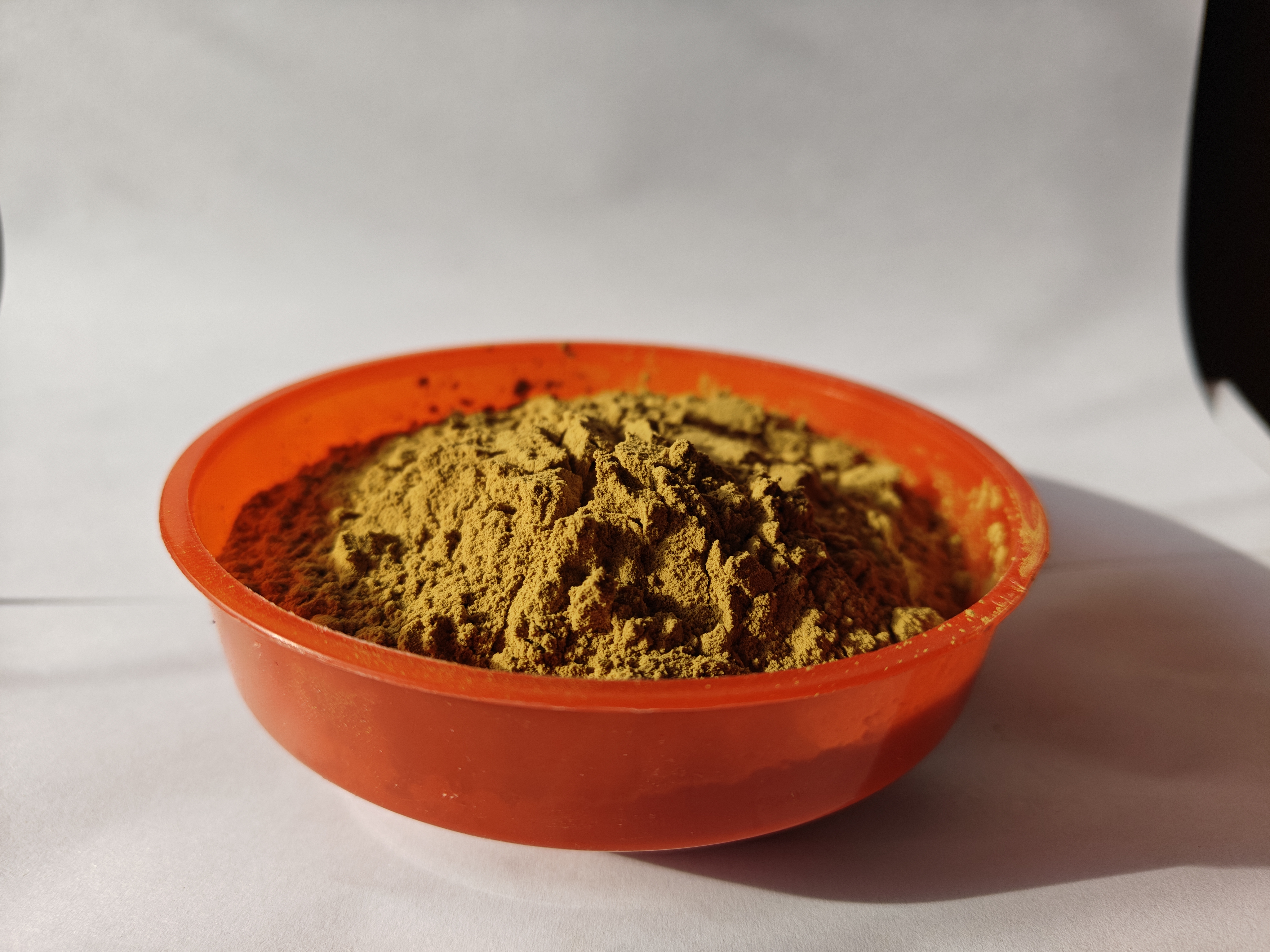
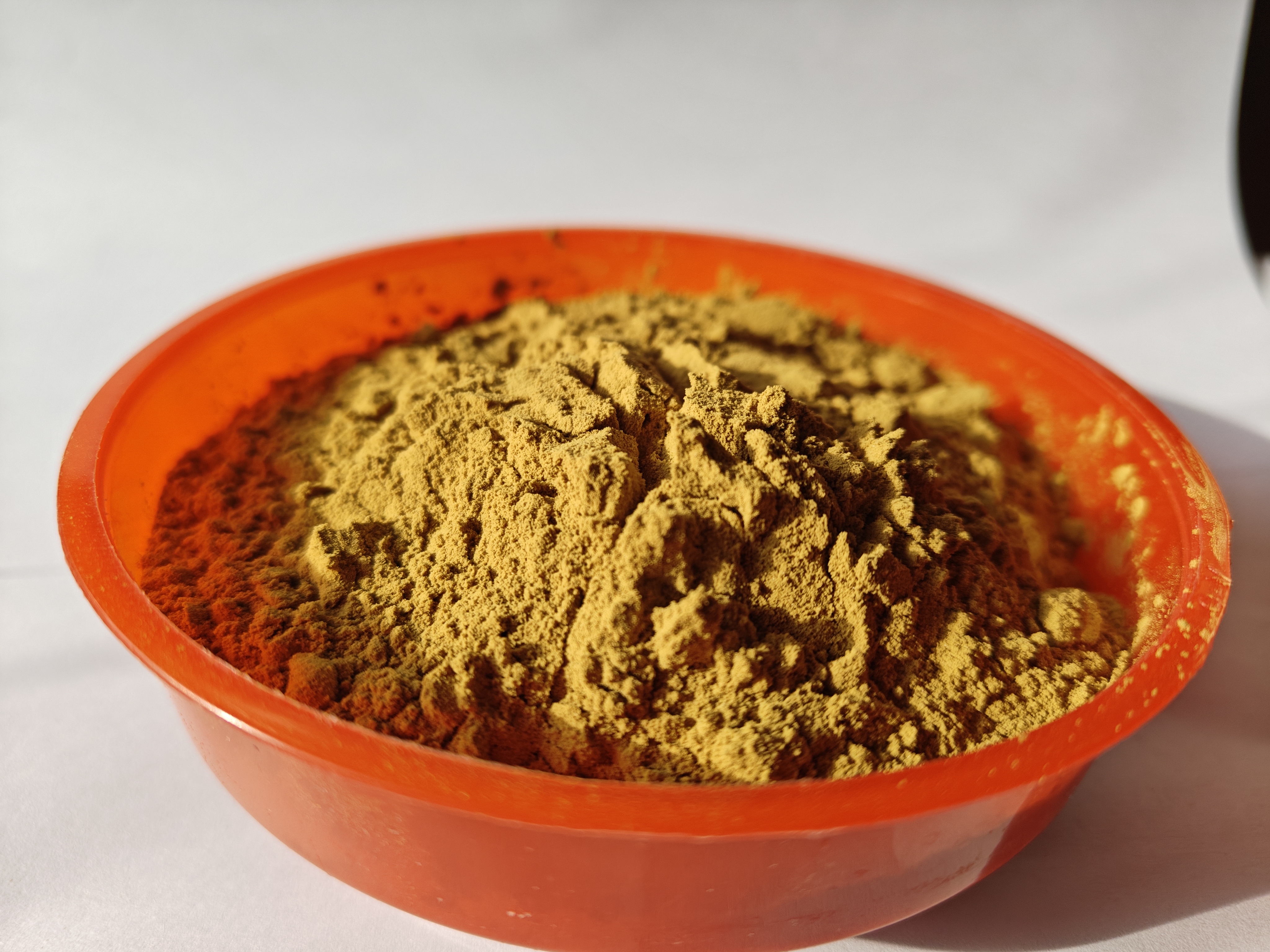
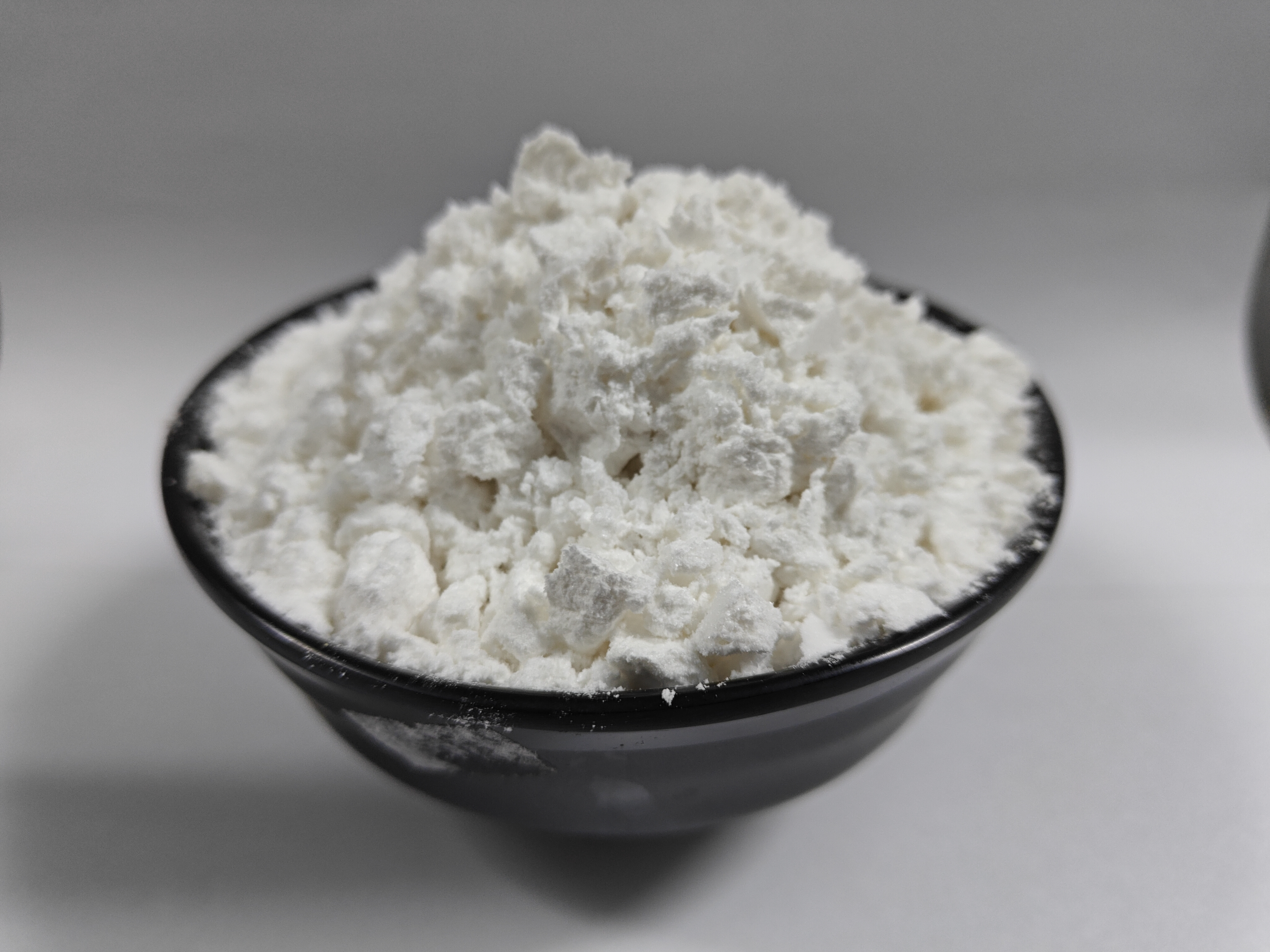
The TPTP-BQ EMC curing catalyst represents a specialized chemical formulation designed to accelerate and optimize the curing process of epoxy molding compounds used in semiconductor packaging and electronic component encapsulation. This advanced catalyst system plays a critical role in achieving precise control over the crosslinking reactions that transform liquid or semi-solid EMC materials into fully cured, protective encapsulants. The TPTP-BQ EMC curing catalyst operates by reducing activation energy requirements and promoting uniform polymerization throughout the molding compound matrix. Its main functions include shortening cure cycles, improving production throughput, and ensuring consistent mechanical and thermal properties in finished products. Technologically, this catalyst features carefully balanced reactivity profiles that enable processing flexibility across various temperature ranges and molding conditions. The formulation demonstrates excellent compatibility with standard EMC resin systems, including cycloaliphatic epoxies, multifunctional epoxies, and hybrid formulations. Its controlled activity prevents premature gelation during storage and compounding while delivering rapid cure response during actual molding operations. The TPTP-BQ EMC curing catalyst finds extensive applications in integrated circuit packaging, power module encapsulation, LED component protection, and automotive electronic assemblies. Manufacturing facilities utilize this catalyst to meet demanding production schedules while maintaining stringent quality standards for moisture resistance, thermal cycling performance, and long-term reliability. The technology supports both transfer molding and compression molding processes, making it versatile for different manufacturing workflows and equipment configurations in modern electronics production environments.

Popular Products

Implementing the TPTP-BQ EMC curing catalyst delivers substantial operational benefits that directly impact manufacturing efficiency and product quality. Production facilities experience significantly reduced cycle times, with cure speeds increasing by up to thirty percent compared to conventional catalyst systems, translating into higher equipment utilization and improved production capacity without capital investment. This acceleration advantage allows manufacturers to meet tight delivery schedules and respond quickly to market demands. The catalyst provides exceptional process stability, maintaining consistent activity across batch-to-batch production runs and minimizing rejected parts due to cure variability. This reliability reduces waste, lowers overall manufacturing costs, and simplifies quality control procedures. From an application suitability perspective, the TPTP-BQ EMC curing catalyst adapts seamlessly to diverse EMC formulations and processing conditions, eliminating the need for multiple catalyst inventories and simplifying supply chain management. Its balanced reactivity profile ensures adequate working time during material preparation and mold filling while delivering rapid cure completion once processing temperatures are reached. The resulting encapsulated components exhibit superior adhesion to lead frames and substrates, enhanced moisture resistance, and excellent thermal stability, which are critical performance attributes for reliable electronic devices. Buyers gain decision-useful advantages through improved shelf life characteristics of uncured compounds containing this catalyst, extending storage windows and reducing material waste from expired inventory. The technology supports environmentally conscious manufacturing by enabling lower curing temperatures in some applications, reducing energy consumption and workplace heat exposure. These combined benefits create compelling value propositions for electronics manufacturers seeking to optimize production economics while maintaining or improving product reliability standards in competitive markets.

Practical Tips

How Can Thermally Latent Catalysts Optimize Curing Control in Semiconductor Packaging?

12

Dec

How Can Thermally Latent Catalysts Optimize Curing Control in Semiconductor Packaging?

The semiconductor packaging industry faces increasingly complex challenges as device miniaturization demands precise material control and processing conditions. Among the critical technologies enabling advanced packaging solutions, thermally latent c...
View More
Which Factors Affect the Efficiency of Curing Agents in Epoxy Resin Systems?

12

Feb

Which Factors Affect the Efficiency of Curing Agents in Epoxy Resin Systems?

The efficiency of curing agents in epoxy resin systems depends on numerous interconnected factors that directly influence the polymerization process and final material properties. Understanding these variables is crucial for optimizing epoxy formulat...
View More
How Can Curing Agents for Epoxy Resins Be Customized for Specific Applications?

12

Feb

How Can Curing Agents for Epoxy Resins Be Customized for Specific Applications?

The versatility and performance of epoxy resins largely depend on the selection and customization of appropriate curing agents for epoxy resins. These chemical compounds, also known as hardeners, play a crucial role in transforming liquid epoxy resin...
View More
How Can CDI Coupling Reagents Be Optimized for Lab-Scale and Industrial Use?

12

Feb

How Can CDI Coupling Reagents Be Optimized for Lab-Scale and Industrial Use?

CDI coupling reagents have revolutionized the way researchers and industrial chemists approach amide bond formation and esterification reactions. These versatile compounds, particularly N,N'-carbonyldiimidazole, offer exceptional efficiency in activa...
View More

Get a Free Quote

Our representative will contact you soon.
Email
Name
Company Name
Message
0/1000

TPTP-BQ EMC curing catalyst

Superior Cure Speed and Production Efficiency

Superior Cure Speed and Production Efficiency

The TPTP-BQ EMC curing catalyst distinguishes itself through remarkable cure acceleration capabilities that fundamentally transform manufacturing economics for electronics producers. This catalyst achieves complete polymerization in significantly shorter timeframes than traditional alternatives, reducing typical molding cycle durations and enabling substantial throughput increases on existing equipment. The technology works by precisely targeting rate-limiting reaction steps in epoxy crosslinking chemistry, effectively lowering activation barriers without compromising the structural integrity of the final cured network. Manufacturing operations benefit from this speed advantage through multiple pathways: existing production lines handle greater volumes without capacity expansion, rush orders become more manageable, and equipment return on investment improves dramatically. The faster cure cycles do not sacrifice quality; instead, the rapid and uniform crosslinking promoted by this catalyst actually enhances final properties by minimizing opportunities for defect formation during extended cure windows. For semiconductor packaging facilities operating under intense cost pressures and demanding delivery schedules, these efficiency gains translate directly into competitive advantages and improved profitability while maintaining the rigorous reliability standards required for modern electronic components in automotive, telecommunications, and consumer applications.
Exceptional Storage Stability and Processing Window

Exceptional Storage Stability and Processing Window

One of the most valued characteristics of the TPTP-BQ EMC curing catalyst is its carefully engineered latency that provides extended storage stability for uncured compounds while maintaining vigorous cure response when activated. This balanced performance addresses a persistent challenge in EMC manufacturing where catalysts must remain inactive during material storage and handling yet respond rapidly during molding operations. The formulation chemistry incorporates proprietary stabilization mechanisms that prevent premature reaction initiation at ambient and moderately elevated temperatures, extending compound shelf life to several months under proper storage conditions. This stability translates into practical benefits including reduced material waste from expired inventory, greater flexibility in production scheduling, and simplified logistics for global supply chains. During actual processing, the catalyst activates predictably at molding temperatures, providing consistent working times that accommodate complex mold geometries and multi-cavity tooling without risk of premature gelation. The generous processing window reduces operator stress, minimizes scrap from flow-related defects, and supports consistent part quality across production runs. This combination of storage stability and processing reliability makes the TPTP-BQ EMC curing catalyst particularly valuable for manufacturers managing diverse product portfolios with varying production volumes and scheduling requirements.
Enhanced Final Product Performance and Reliability

Enhanced Final Product Performance and Reliability

Beyond process advantages, the TPTP-BQ EMC curing catalyst contributes significantly to the ultimate performance characteristics of encapsulated electronic components, delivering measurable reliability improvements that matter to end-use applications. The catalyst promotes exceptionally uniform crosslink density throughout the cured encapsulant matrix, eliminating weak zones that could compromise mechanical strength or create pathways for moisture ingress. This uniformity results from the catalyst's efficient distribution within the compound and its ability to maintain activity throughout the entire cure profile, ensuring complete reaction even in thick sections or geometrically complex encapsulations. Components molded with compounds containing this catalyst demonstrate superior adhesion to metallic lead frames, copper substrates, and silicon die surfaces, reducing interfacial delamination risks during thermal cycling and moisture exposure testing. The resulting encapsulants exhibit excellent dielectric properties with low ionic contamination levels, critical factors for preventing electrical leakage and ensuring long-term device functionality. Thermal stability of the cured material remains exceptional across the operating temperature ranges encountered in automotive under-hood applications and industrial control systems. For quality-conscious manufacturers and reliability-focused customers, these performance enhancements provide confidence that packaged components will survive harsh field conditions and deliver the extended service life demanded by modern electronic systems in mission-critical applications.

Get a Free Quote

Our representative will contact you soon.
Email
Name
Company Name
Message
0/1000