TPTP-BQ Phosphine Quinone Adduct Solutions

All Categories

tptp-bq phosphine quinone adduct

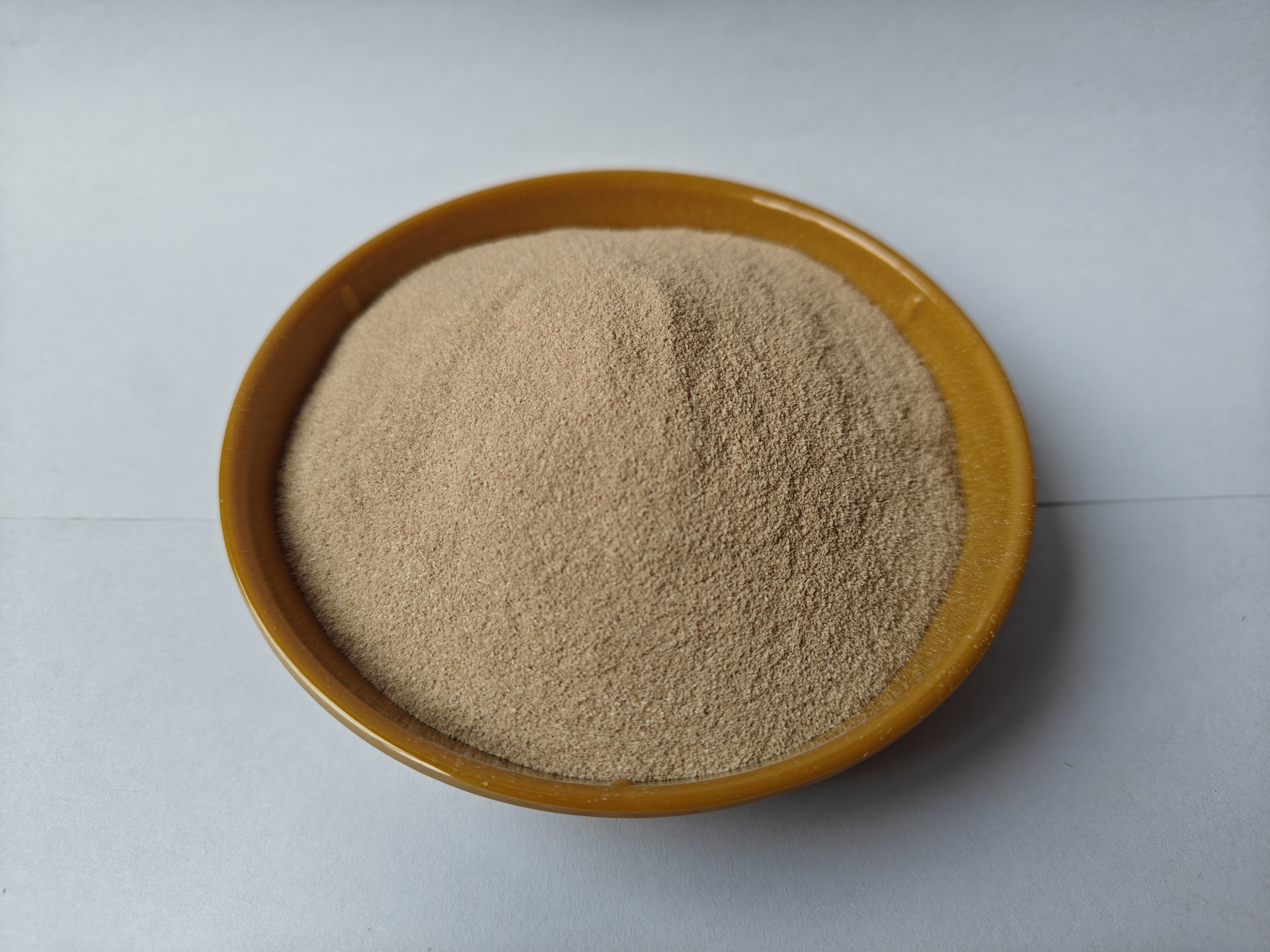
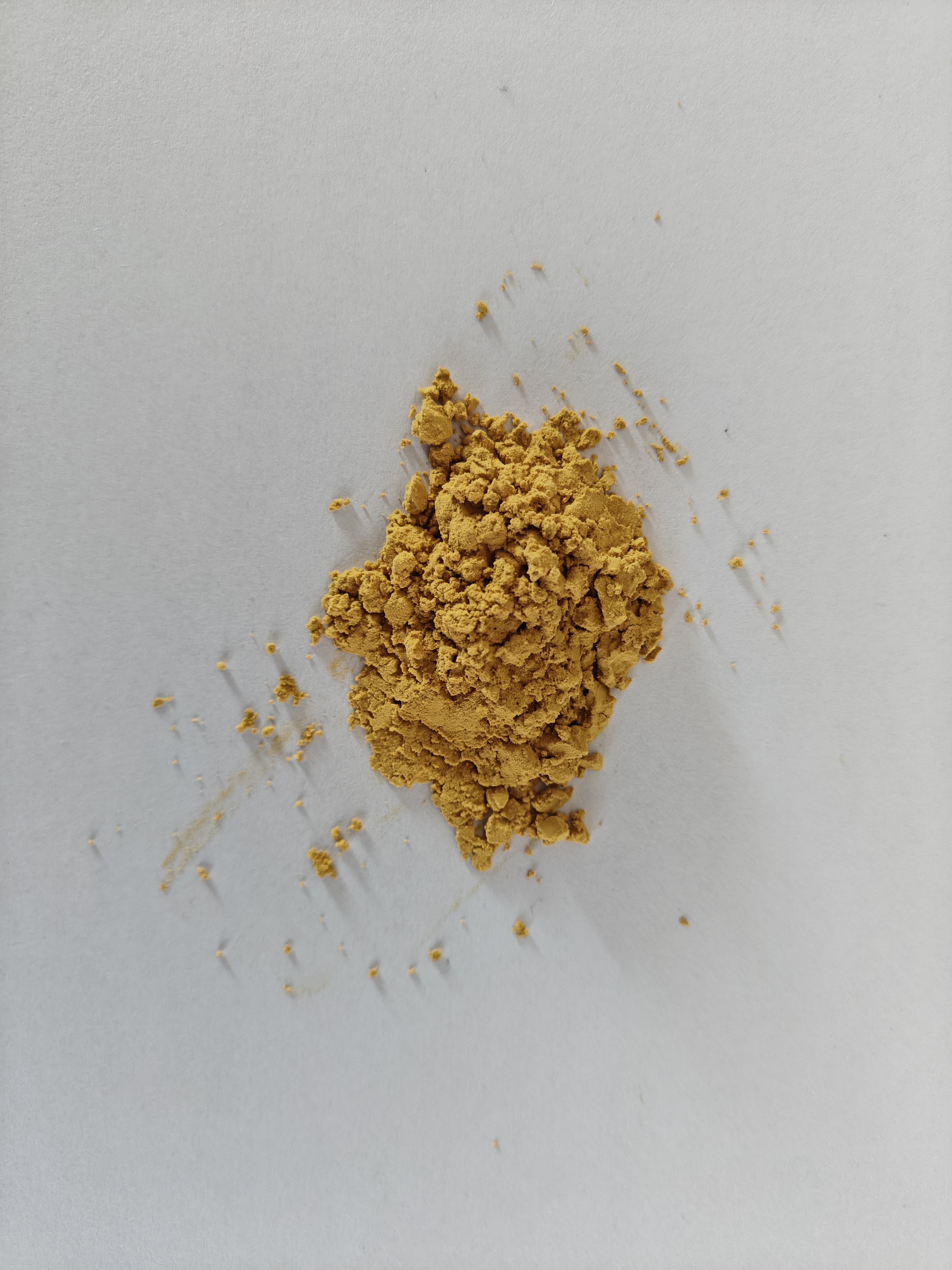
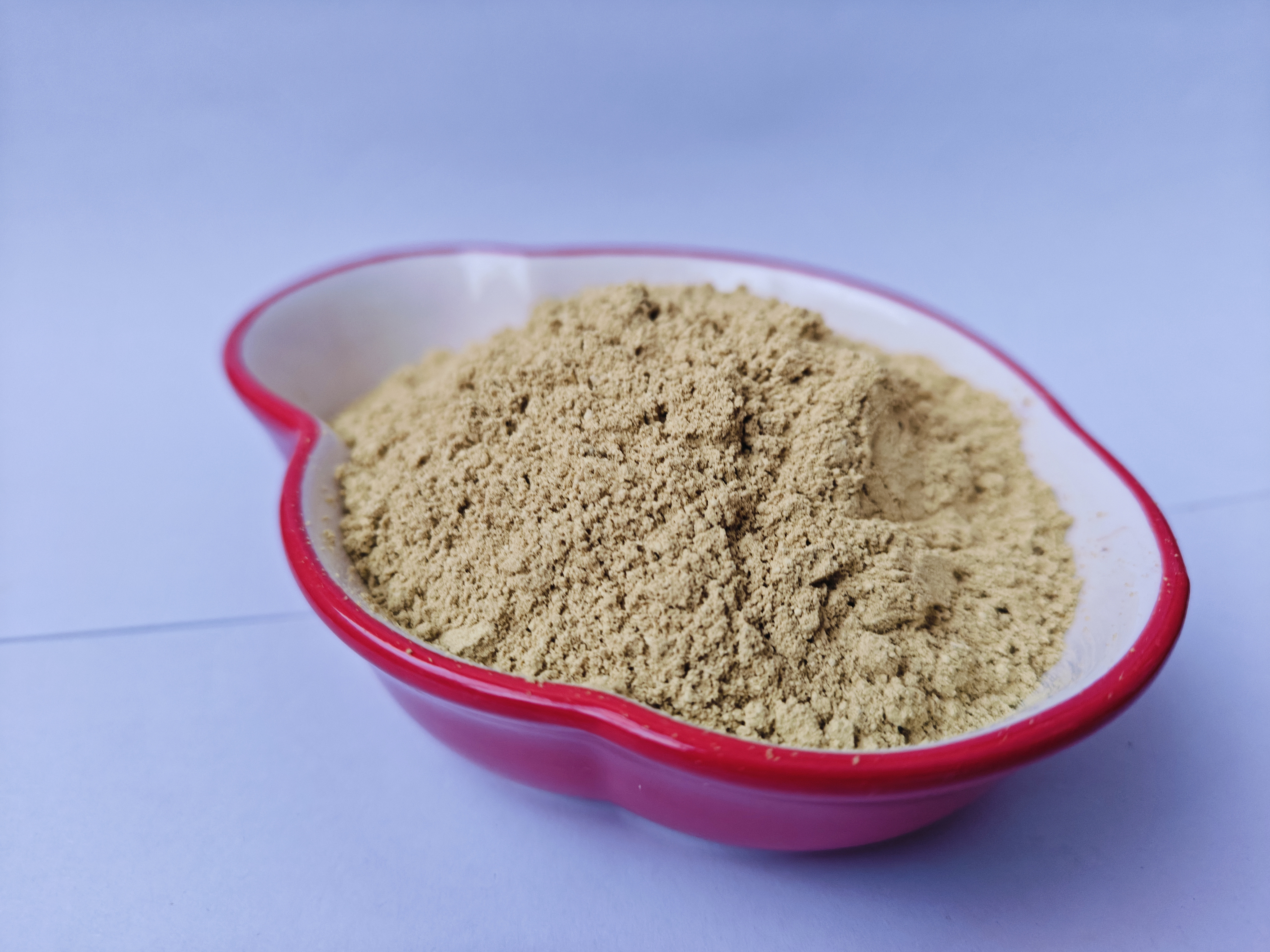
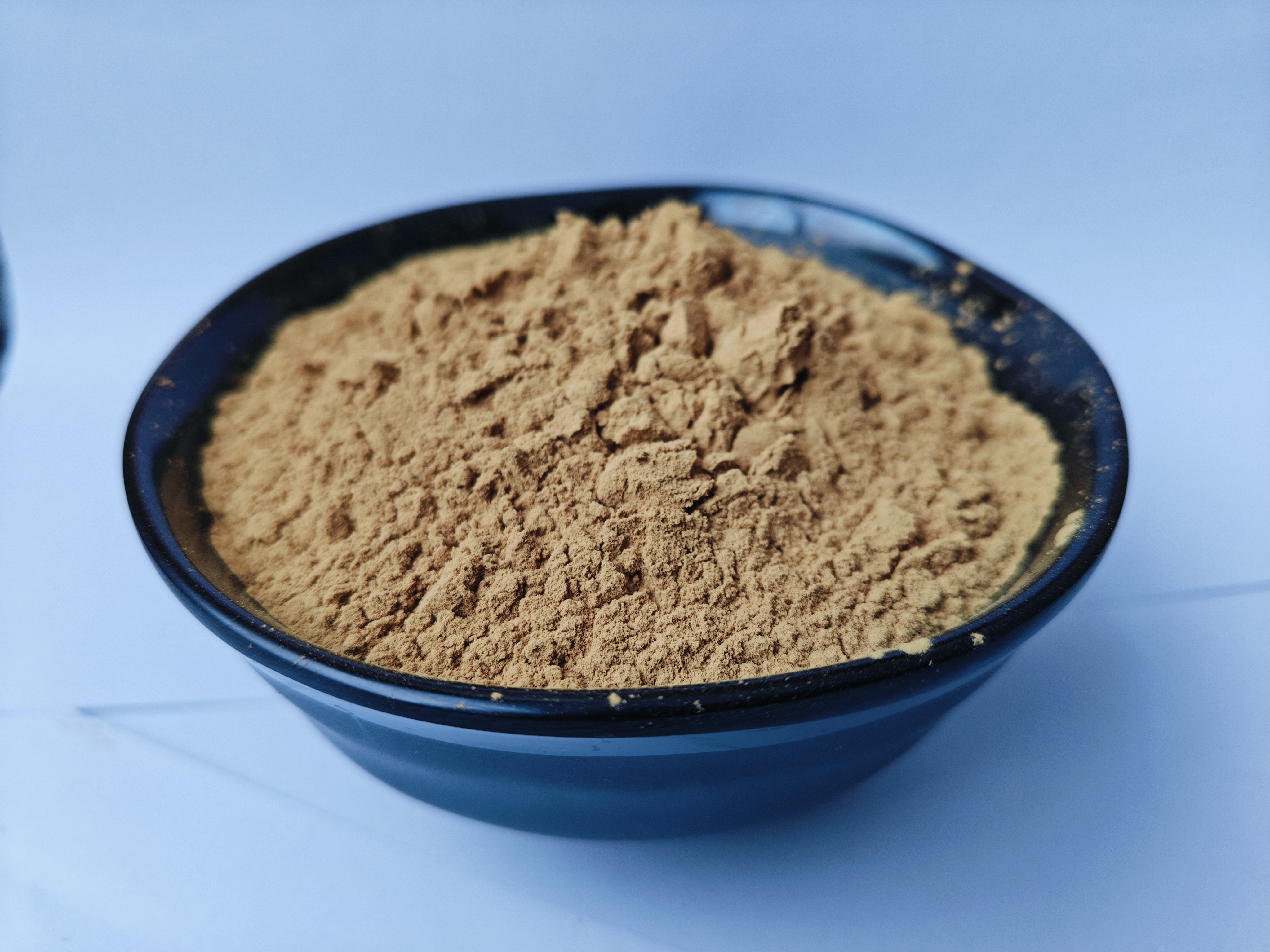
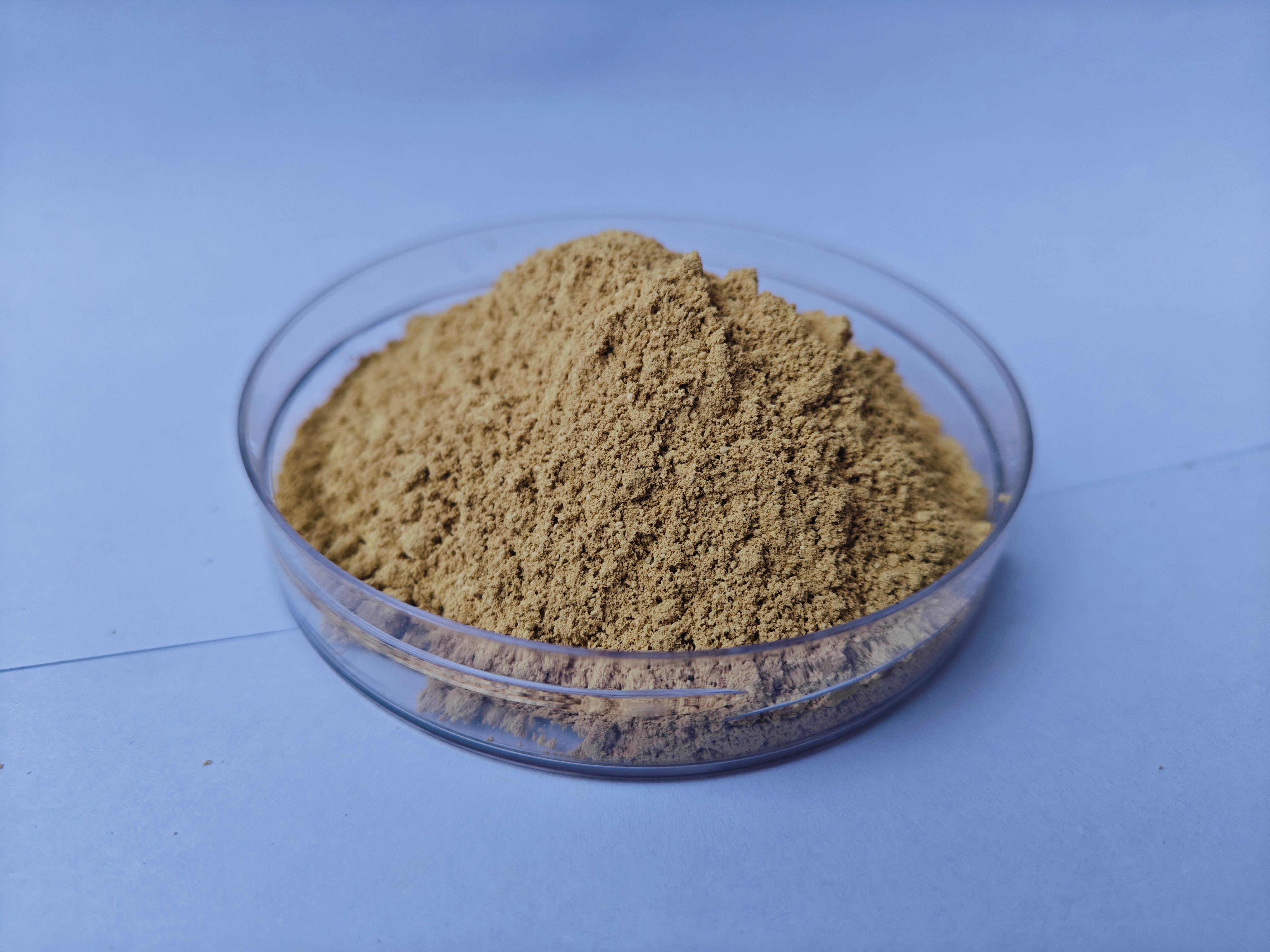
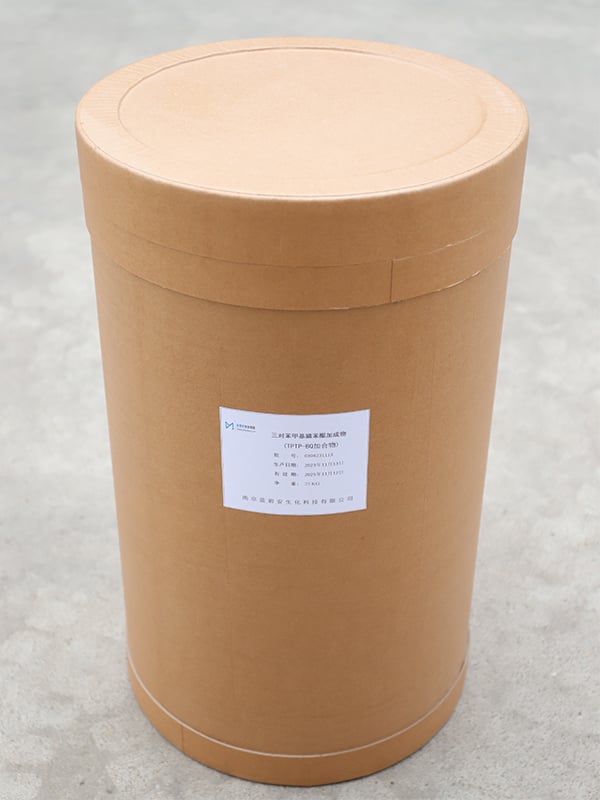
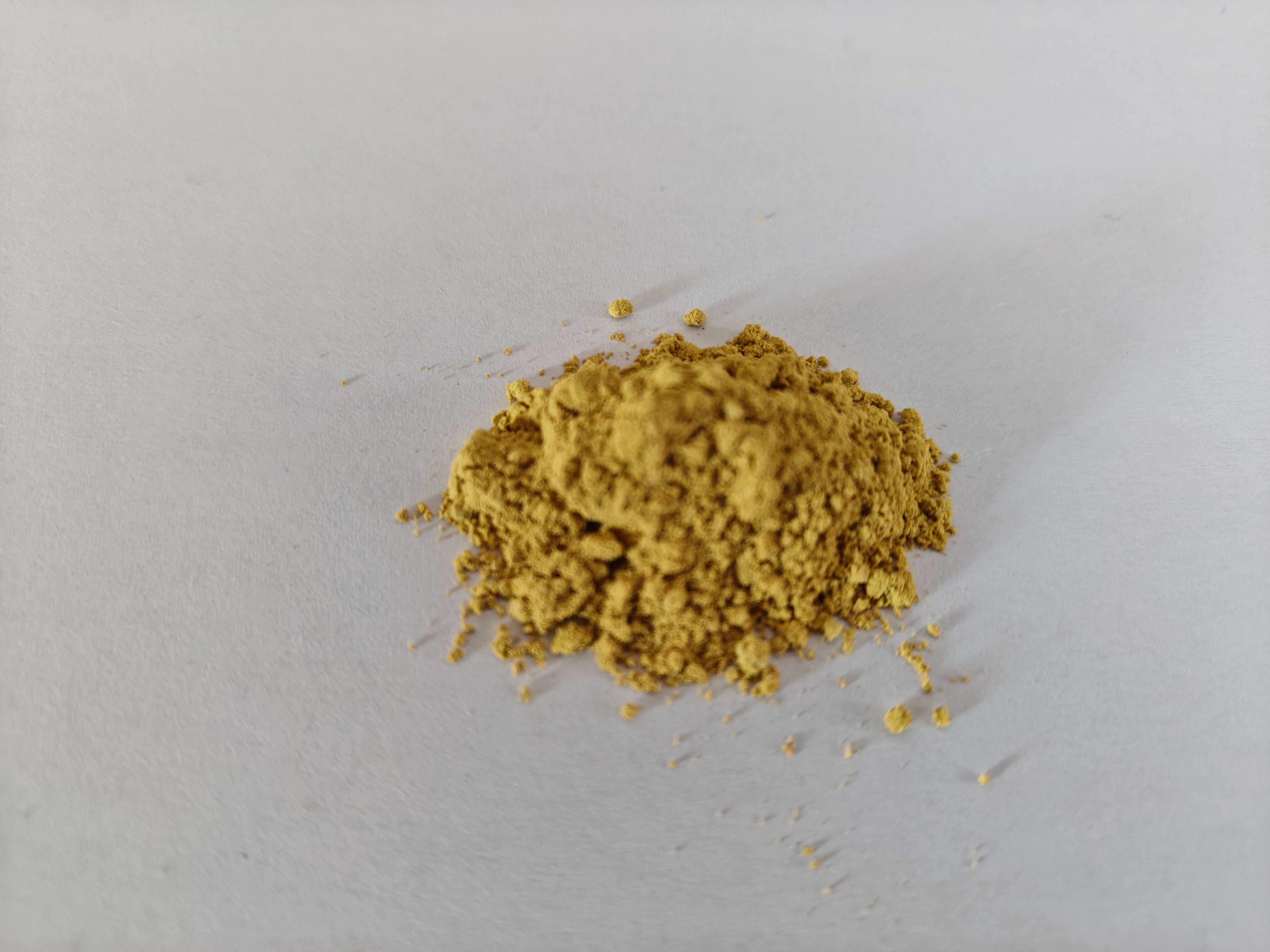
The tptp-bq phosphine quinone adduct represents an innovative chemical compound that combines phosphine and quinone functionalities to create a versatile additive for polymer processing and stabilization applications. This specialized adduct forms through the controlled reaction between triphenyl phosphine derivatives and benzoquinone structures, resulting in a stable molecular architecture with unique reactive properties. The tptp-bq phosphine quinone adduct serves primarily as an advanced stabilizer and processing aid in high-performance polymer systems, offering exceptional thermal management and oxidative resistance capabilities. Its main functions include preventing polymer degradation during melt processing, controlling polymerization reactions, and enhancing the long-term stability of finished polymer products. The technological features of the tptp-bq phosphine quinone adduct encompass its dual functionality, combining both antioxidant properties from the quinone moiety and radical scavenging capabilities from the phosphine component. This molecular design enables superior performance compared to conventional single-function additives. Applications span across engineering plastics, specialty elastomers, and high-temperature polymers where maintaining material integrity under demanding conditions is critical. The tptp-bq phosphine quinone adduct demonstrates compatibility with various polymer matrices including polyolefins, polyesters, and specialty thermoplastics, making it a flexible solution for diverse manufacturing requirements. Its controlled reactivity profile allows processors to optimize production parameters while ensuring consistent product quality and extended service life in end-use applications.

New Products

Choosing the tptp-bq phosphine quinone adduct delivers significant practical benefits that directly impact your production efficiency and product quality. The primary advantage lies in its dual-action stabilization mechanism, which simultaneously addresses both thermal degradation and oxidative breakdown during polymer processing. This means you can achieve superior material protection with a single additive rather than formulating complex blends of multiple stabilizers, simplifying your inventory management and reducing formulation costs. From an operational standpoint, the tptp-bq phosphine quinone adduct enables higher processing temperatures without compromising polymer integrity, allowing you to increase throughput and reduce cycle times in manufacturing operations. This temperature tolerance translates to improved productivity and lower energy consumption per unit of production. The compound exhibits excellent compatibility across diverse polymer systems, eliminating the need for multiple specialized additives for different product lines. This versatility streamlines your raw material procurement and reduces the complexity of managing multiple supplier relationships. For application suitability, the tptp-bq phosphine quinone adduct excels in demanding environments where conventional stabilizers fall short. Whether your products face prolonged heat exposure, outdoor weathering, or aggressive chemical environments, this adduct provides reliable long-term protection that extends product lifespan and reduces warranty claims. The decision to incorporate the tptp-bq phosphine quinone adduct into your formulations represents a strategic investment in quality and performance. You gain competitive advantages through enhanced product durability, reduced additive loading requirements, and improved processing windows that accommodate variations in raw material quality. The result is consistent output quality, minimized scrap rates, and satisfied customers who benefit from products that maintain their properties throughout extended service life under challenging conditions.

Latest News

Why Are Organophosphine Based Catalysts Essential for Semiconductor Packaging?

12

Dec

Why Are Organophosphine Based Catalysts Essential for Semiconductor Packaging?

The semiconductor industry relies on precise chemical processes that demand exceptional purity and reliability. Among the various catalyst systems employed in semiconductor packaging applications, organophosphine based catalysts have emerged as indis...
View More
How Do Curing Agents Influence Thermal and Mechanical Properties in Epoxy Resins?

12

Feb

How Do Curing Agents Influence Thermal and Mechanical Properties in Epoxy Resins?

Epoxy resins have become indispensable materials across aerospace, automotive, electronics, and construction industries due to their exceptional adhesive properties, chemical resistance, and mechanical strength. However, the performance characteristi...
View More
How Can Organophosphine Based Catalysts Reduce Defects in Chip Encapsulation?

05

Mar

How Can Organophosphine Based Catalysts Reduce Defects in Chip Encapsulation?

Semiconductor manufacturing faces increasing demands for precision and reliability, particularly in chip encapsulation processes where defects can compromise entire electronic devices. Organophosphine based catalysts have emerged as critical componen...
View More
What Makes Thermally Latent Catalysts Essential for Reliable Chip Packaging Solutions?

05

Mar

What Makes Thermally Latent Catalysts Essential for Reliable Chip Packaging Solutions?

In the rapidly evolving semiconductor industry, achieving reliable and efficient chip packaging requires advanced materials that can withstand extreme processing conditions while maintaining optimal performance. Thermally latent catalysts have emerge...
View More

Get a Free Quote

Our representative will contact you soon.
Email
Name
Company Name
Message
0/1000

tptp-bq phosphine quinone adduct

Synergistic Dual-Function Stabilization Technology

Synergistic Dual-Function Stabilization Technology

The tptp-bq phosphine quinone adduct features a unique molecular architecture that integrates both phosphine and quinone functional groups within a single compound, creating synergistic stabilization effects that surpass conventional additives. The phosphine component acts as a powerful radical scavenger, intercepting free radicals generated during high-temperature processing before they can initiate polymer chain degradation. Simultaneously, the quinone moiety provides antioxidant functionality by neutralizing peroxy radicals and preventing oxidative chain reactions that compromise material properties. This dual-action mechanism means the tptp-bq phosphine quinone adduct offers comprehensive protection throughout the entire polymer lifecycle, from initial melt processing through final product application. The synergistic interaction between these functional groups creates a multiplier effect where the combined protective capability exceeds the sum of individual components used separately. For manufacturers, this translates to lower overall additive loading levels while achieving superior stabilization performance, reducing costs without sacrificing quality. The integrated design eliminates potential compatibility issues that can arise when blending multiple discrete additives, ensuring uniform distribution and consistent performance across production batches.
Enhanced Processing Window and Productivity

Enhanced Processing Window and Productivity

Implementation of the tptp-bq phosphine quinone adduct significantly expands your processing window, providing greater operational flexibility and improved manufacturing efficiency. This compound exhibits exceptional thermal stability, maintaining its protective functionality at elevated temperatures where standard stabilizers decompose or lose effectiveness. The expanded temperature tolerance allows you to increase processing temperatures by 15-25 degrees compared to conventional systems, directly accelerating throughput without inducing polymer degradation or discoloration. Higher processing temperatures reduce melt viscosity, facilitating faster filling of complex mold geometries and improving surface finish quality in injection molding applications. For extrusion operations, the tptp-bq phosphine quinone adduct enables higher screw speeds and increased output rates while maintaining material integrity. The compound's stability under shear stress prevents additive breakdown during intensive mixing and processing, ensuring consistent protection throughout extended production runs. This reliability minimizes batch-to-batch variation and reduces the need for frequent process adjustments. Manufacturers benefit from reduced cycle times, increased equipment utilization, and lower energy consumption per kilogram of processed material, all contributing to improved bottom-line profitability while maintaining or enhancing product quality standards.
Long-Term Performance and Product Durability

Long-Term Performance and Product Durability

The tptp-bq phosphine quinone adduct delivers exceptional long-term stabilization that extends product service life and reduces field failures. Unlike conventional additives that gradually deplete through volatilization or chemical consumption, this adduct exhibits low migration characteristics and sustained activity throughout extended exposure periods. The molecular structure provides inherent resistance to extraction by water, oils, and common solvents encountered in service environments, ensuring the protective additive remains where needed within the polymer matrix. For outdoor applications, the tptp-bq phosphine quinone adduct offers superior resistance to photo-oxidative degradation caused by UV exposure and atmospheric oxygen, maintaining material properties through years of weathering. Indoor applications benefit from protection against thermal aging, preventing embrittlement and property loss during prolonged elevated temperature exposure. This longevity directly translates to extended product warranties, reduced customer complaints, and enhanced brand reputation for reliability. The compound's effectiveness across diverse environmental conditions makes it suitable for applications ranging from automotive components and electrical housings to industrial equipment and consumer products. By incorporating the tptp-bq phosphine quinone adduct, manufacturers can confidently specify extended service life expectations, differentiating their products in competitive markets where durability and reliability drive purchasing decisions.

Get a Free Quote

Our representative will contact you soon.
Email
Name
Company Name
Message
0/1000