PCB Solder Mask Curing Agent Solutions

All Categories

PCB solder mask curing agent

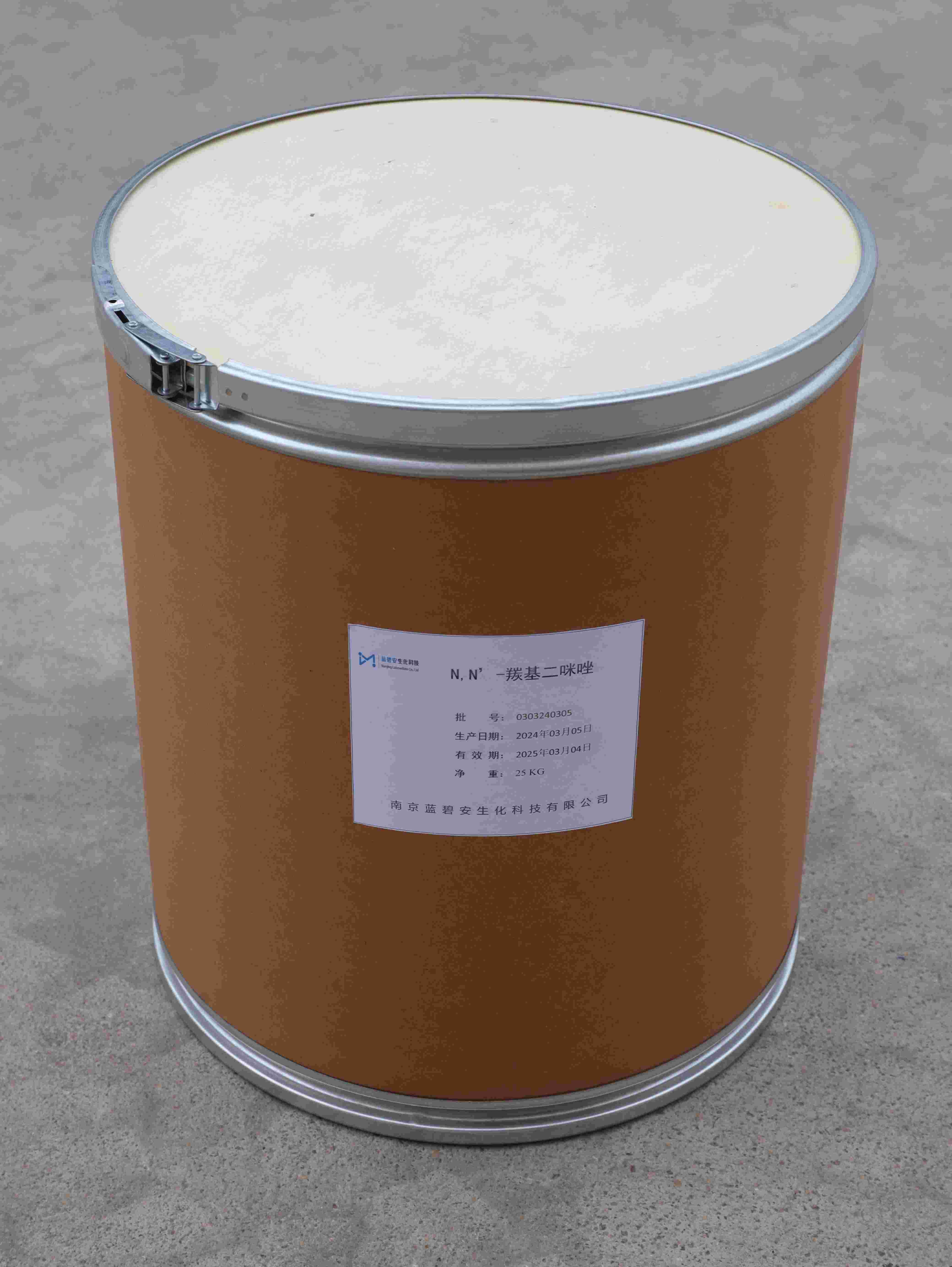
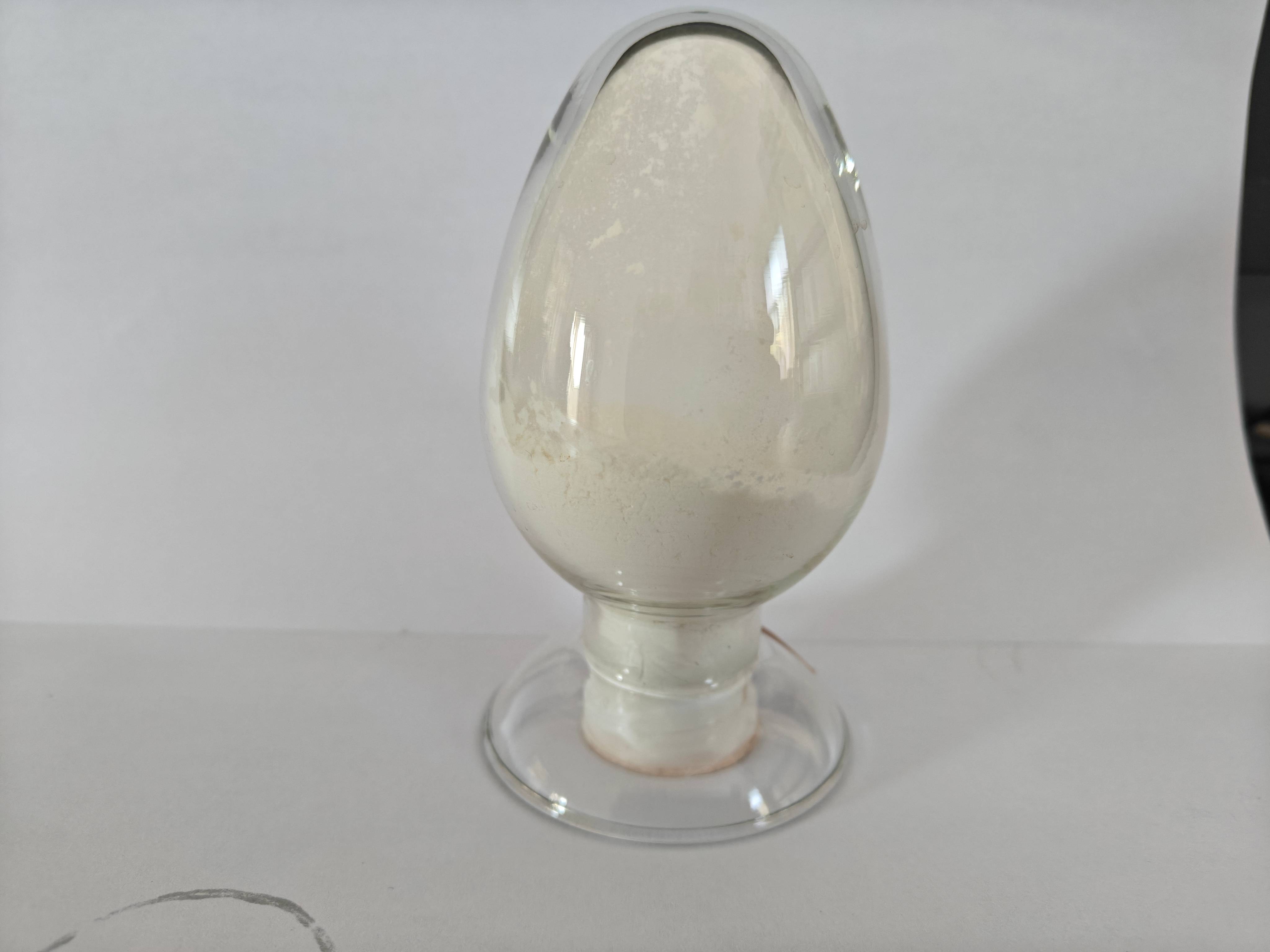
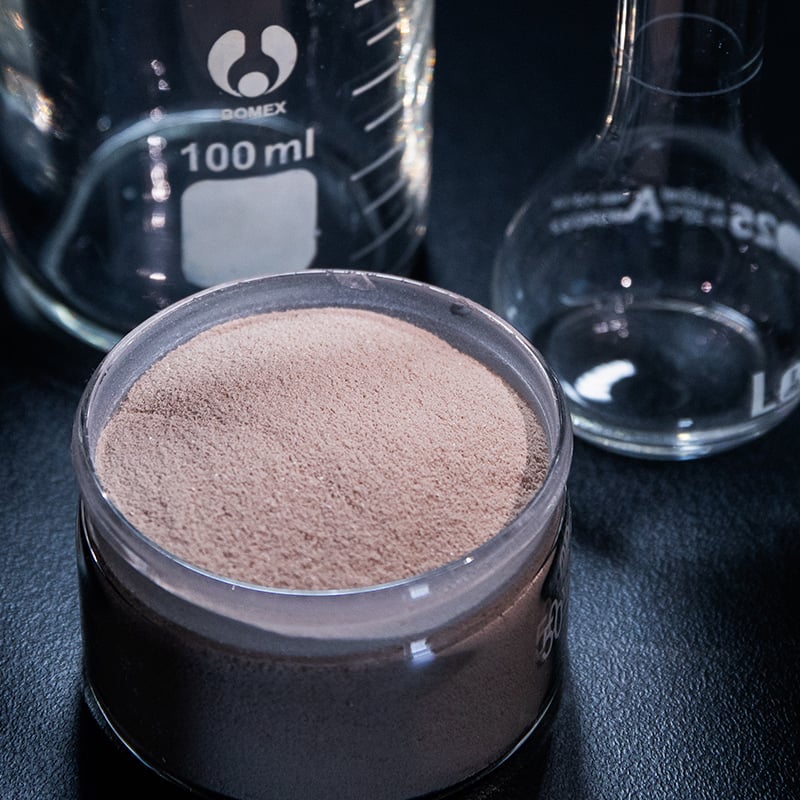
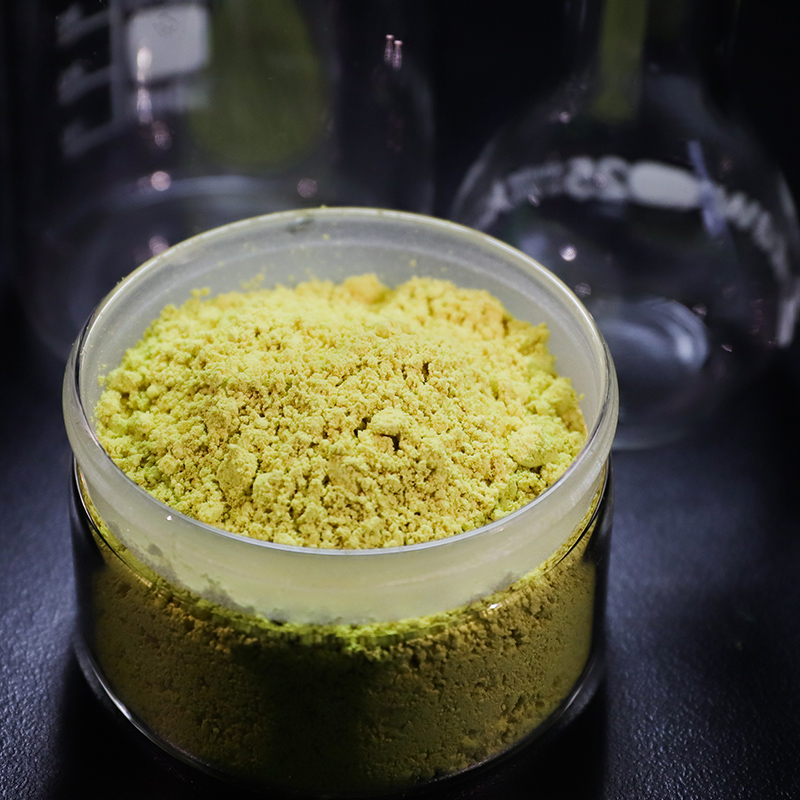
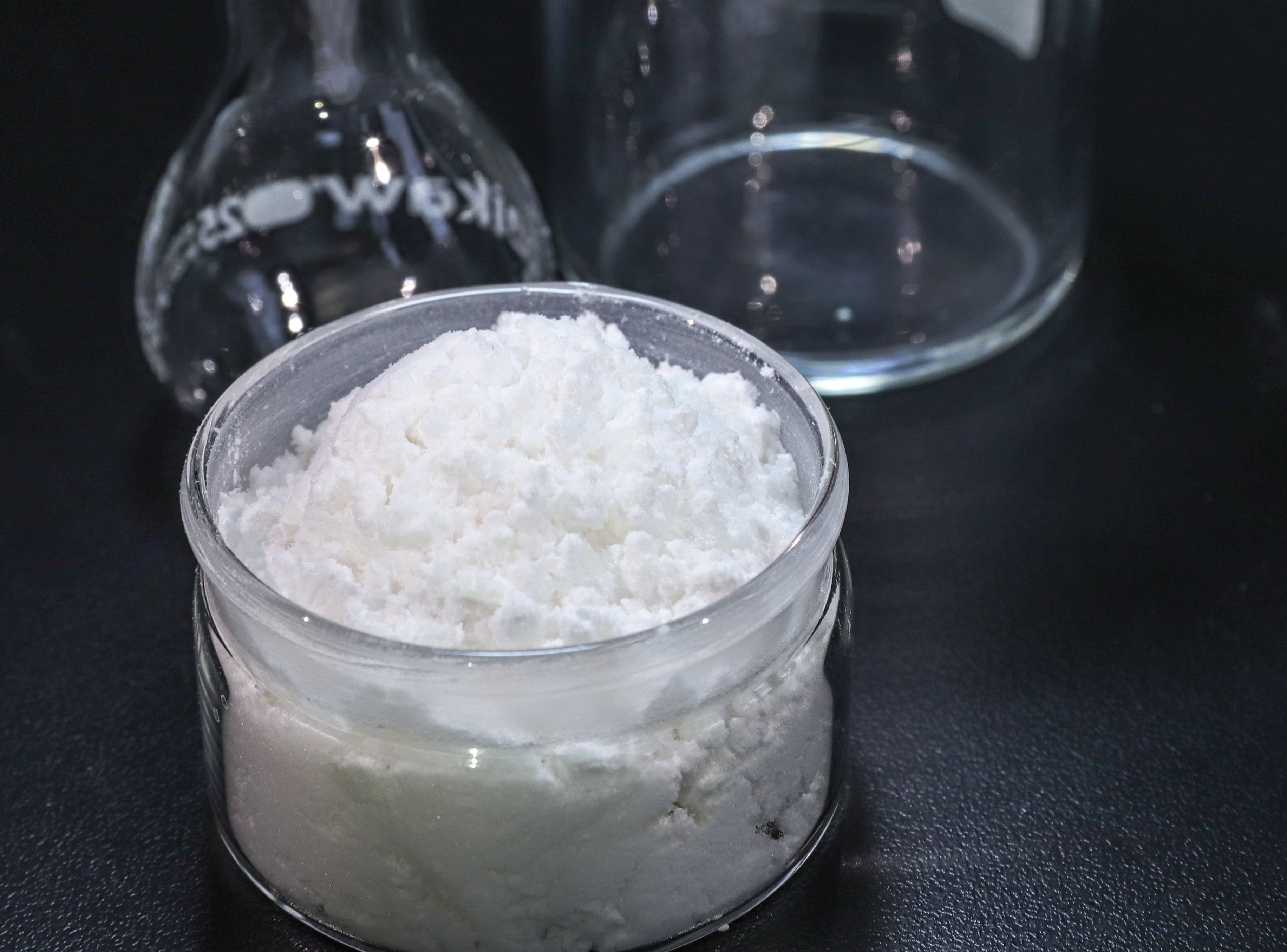
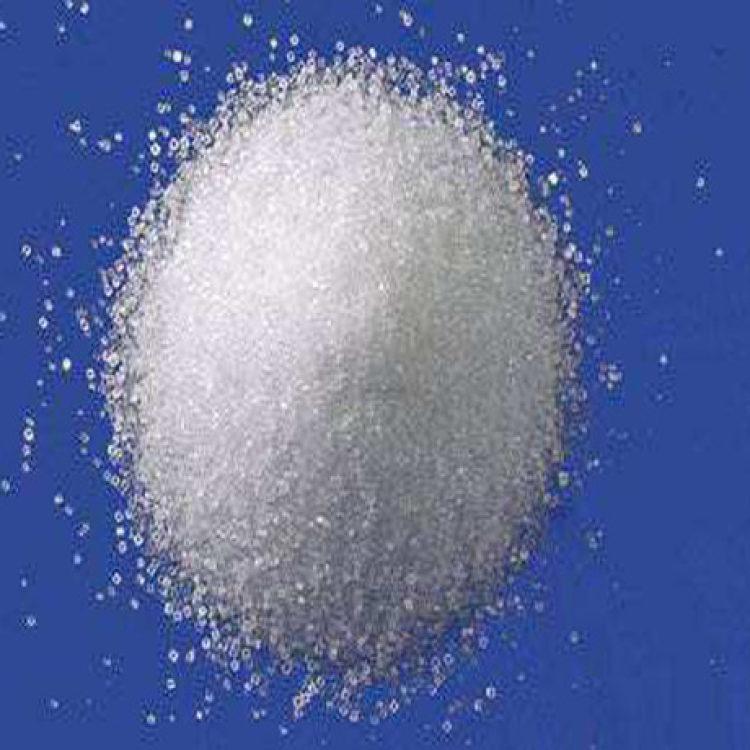
A PCB solder mask curing agent is a specialized chemical compound essential for hardening and solidifying the protective solder mask layer applied to printed circuit boards. This critical component initiates and accelerates the cross-linking polymerization process that transforms liquid photosensitive solder mask ink into a durable, stable protective coating. The PCB solder mask curing agent works by triggering chemical reactions when exposed to heat or UV light, depending on the formulation type, ensuring the mask achieves optimal mechanical strength, chemical resistance, and adhesion properties. Modern formulations are designed to provide precise control over curing speed, depth, and final performance characteristics. The technological features of a quality PCB solder mask curing agent include excellent reactivity at controlled temperatures, compatibility with various resin systems, minimal volatile organic compound emissions, and consistent performance across different manufacturing environments. These agents play a vital role in determining the final quality of the solder mask, affecting properties such as hardness, flexibility, thermal stability, and resistance to solvents and chemicals. Applications span across all PCB manufacturing sectors, from consumer electronics and automotive systems to aerospace and medical devices. The selection of an appropriate PCB solder mask curing agent directly impacts production efficiency, yield rates, and the long-term reliability of finished circuit boards, making it a cornerstone component in professional PCB fabrication processes.

New Product Releases

Choosing the right PCB solder mask curing agent delivers tangible benefits that directly impact your production quality and business outcomes. First, these agents significantly reduce manufacturing time by enabling faster curing cycles without compromising the integrity of the protective layer. This speed advantage translates to higher throughput and lower production costs, allowing you to meet tight deadlines while maintaining competitive pricing. The enhanced adhesion properties provided by quality curing agents ensure your solder masks remain firmly bonded to the board surface throughout the product lifecycle, reducing warranty claims and customer complaints. From an operational perspective, modern PCB solder mask curing agent formulations offer excellent storage stability and consistent batch-to-batch performance, minimizing production variables and reducing waste from failed runs. The chemical resistance achieved through proper curing protects boards during subsequent manufacturing steps, including component assembly, wave soldering, and cleaning processes. Environmental benefits also matter: advanced curing agents require lower curing temperatures, which reduces energy consumption and operational costs while extending equipment lifespan. For businesses serving regulated industries, premium curing agents help meet stringent safety and environmental standards, including RoHS and REACH compliance. The improved surface finish and uniform curing depth create better conditions for component placement and soldering, ultimately enhancing the reliability of your finished products. These practical advantages mean fewer defects, reduced rework, improved customer satisfaction, and stronger profit margins. Whether you operate a high-volume production facility or specialize in complex multilayer boards, investing in superior PCB solder mask curing agent technology pays dividends through measurable improvements in quality, efficiency, and market reputation.

Practical Tips

How do laboratories source nncarbonyldiimidazole for scale-up synthesis

07

Jan

How do laboratories source nncarbonyldiimidazole for scale-up synthesis

Laboratories worldwide face increasing challenges when sourcing specialized chemical reagents for scale-up synthesis operations. Among these critical compounds, nncarbonyldiimidazole stands out as an essential coupling agent that enables efficient pe...
View More
How do manufacturers optimize CDI amide bonds for production use

07

Jan

How do manufacturers optimize CDI amide bonds for production use

Chemical manufacturing processes rely heavily on efficient bond formation techniques to create stable molecular structures for various industrial applications. Among the most significant developments in organic synthesis, cdi amide bonds represent a ...
View More
How Can Selecting the Right Curing Agent for Epoxy Resins Improve Yield?

12

Feb

How Can Selecting the Right Curing Agent for Epoxy Resins Improve Yield?

The selection of an appropriate curing agent for epoxy resins represents one of the most critical decisions in industrial manufacturing processes, directly impacting product quality, processing efficiency, and overall production yield. Industrial man...
View More
How Do Thermally Latent Catalysts Affect Reaction Rate and Thermal Properties?

05

Mar

How Do Thermally Latent Catalysts Affect Reaction Rate and Thermal Properties?

Thermally latent catalysts represent a revolutionary approach to controlling chemical reactions through temperature-dependent activation mechanisms. These specialized compounds remain inactive at room temperature but undergo rapid activation when hea...
View More

Get a Free Quote

Our representative will contact you soon.
Email
Name
Company Name
Message
0/1000

PCB solder mask curing agent

Superior Cross-Linking Efficiency for Enhanced Durability

Superior Cross-Linking Efficiency for Enhanced Durability

The cross-linking efficiency of a PCB solder mask curing agent directly determines the mechanical and chemical properties of your finished protective coating. Advanced formulations achieve complete polymerization with minimal energy input, creating a three-dimensional molecular network that provides exceptional hardness and flexibility simultaneously. This comprehensive cross-linking prevents micro-cracking during thermal cycling and mechanical stress, which are common failure modes in electronic assemblies. The resulting solder mask exhibits superior resistance to flux chemicals, cleaning solvents, and environmental contaminants that boards encounter during manufacturing and field use. Enhanced cross-linking also improves electrical insulation properties, reducing the risk of signal interference and current leakage between traces. For manufacturers, this efficiency means consistent results across varying ambient conditions and substrate types, eliminating the frustration of batch variations. The durability gained from optimal cross-linking extends product lifespan, reduces field failures, and strengthens your reputation for quality. This characteristic proves especially valuable for applications in harsh environments, including automotive under-hood electronics, industrial control systems, and outdoor telecommunications equipment, where long-term reliability is non-negotiable.
Precise Curing Control for Complex Board Designs

Precise Curing Control for Complex Board Designs

Modern PCB solder mask curing agent technology offers unprecedented control over the curing process, enabling manufacturers to optimize parameters for increasingly complex board geometries. This precision control allows you to adjust curing depth, speed, and completeness based on specific design requirements, from thin flexible circuits to thick multilayer boards with varying copper densities. The ability to fine-tune curing parameters prevents common defects such as under-curing, which leads to poor chemical resistance, or over-curing, which causes brittleness and cracking. Advanced curing agents respond predictably to different energy sources, whether thermal ovens or UV exposure systems, providing flexibility in your production setup. This controllability becomes critical when processing boards with high-density interconnects, where precise mask definition around fine features prevents bridging and ensures reliable component assembly. The consistent curing behavior also reduces the need for extensive process qualification when introducing new board designs, accelerating time-to-market for your customers. For operations running mixed product lines, this adaptability eliminates the need for multiple curing agent inventories, simplifying procurement and reducing storage requirements while maintaining optimal results across your entire product portfolio.
Environmental Compliance with Low Emission Formulations

Environmental Compliance with Low Emission Formulations

Contemporary PCB solder mask curing agent formulations address growing environmental and workplace safety concerns without sacrificing performance. Low volatile organic compound emissions protect operator health, improve workplace air quality, and reduce the need for expensive ventilation infrastructure. These environmentally responsible formulations help manufacturers meet increasingly strict regional regulations regarding hazardous air pollutants while avoiding the costs and complications of regulatory non-compliance. The reduced emission profile also minimizes odor issues that can affect worker comfort and productivity in fabrication facilities. Beyond immediate workplace benefits, environmentally friendly curing agents support corporate sustainability initiatives and appeal to environmentally conscious customers who evaluate supplier practices as part of their procurement decisions. Many modern formulations achieve these environmental advantages while actually improving curing performance through advanced chemistry that maximizes reactive components and minimizes inert carriers. This means you gain regulatory compliance and improved worker safety without the performance trade-offs that characterized earlier generation low-emission products. For global manufacturers, using compliant PCB solder mask curing agent technology simplifies multi-region operations by meeting the most stringent standards worldwide, eliminating the complexity of maintaining region-specific processes and material qualifications.

Get a Free Quote

Our representative will contact you soon.
Email
Name
Company Name
Message
0/1000