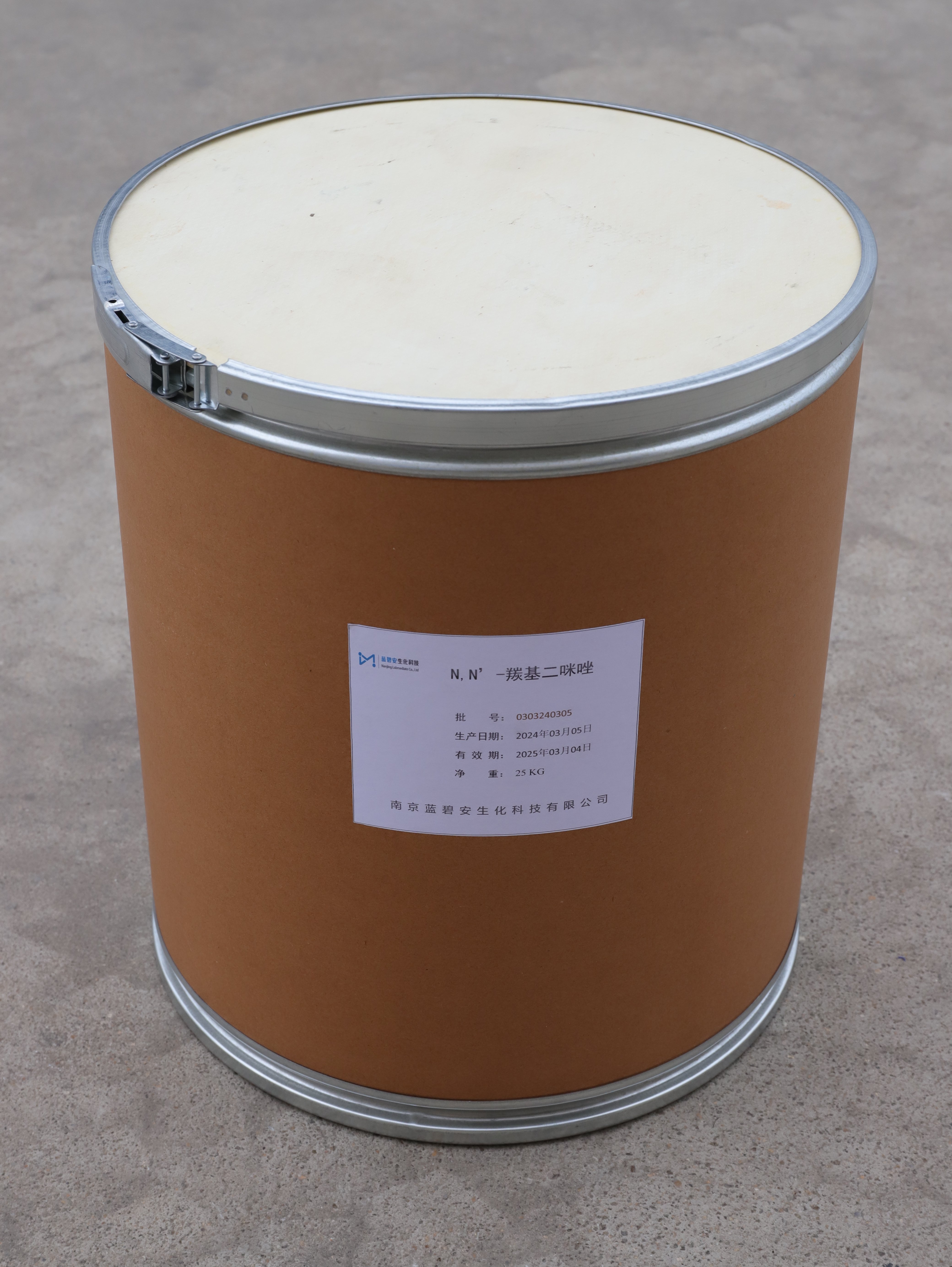
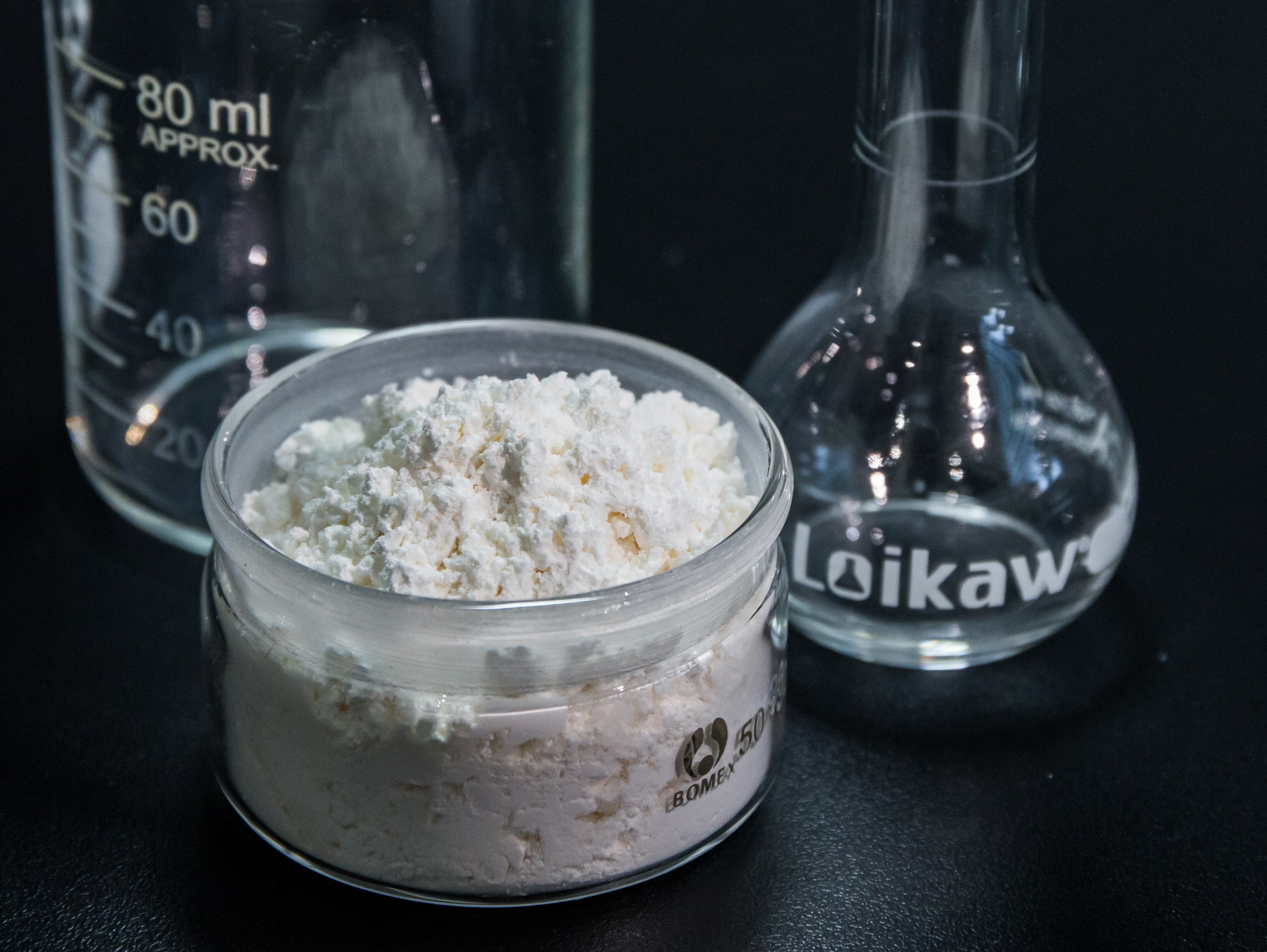
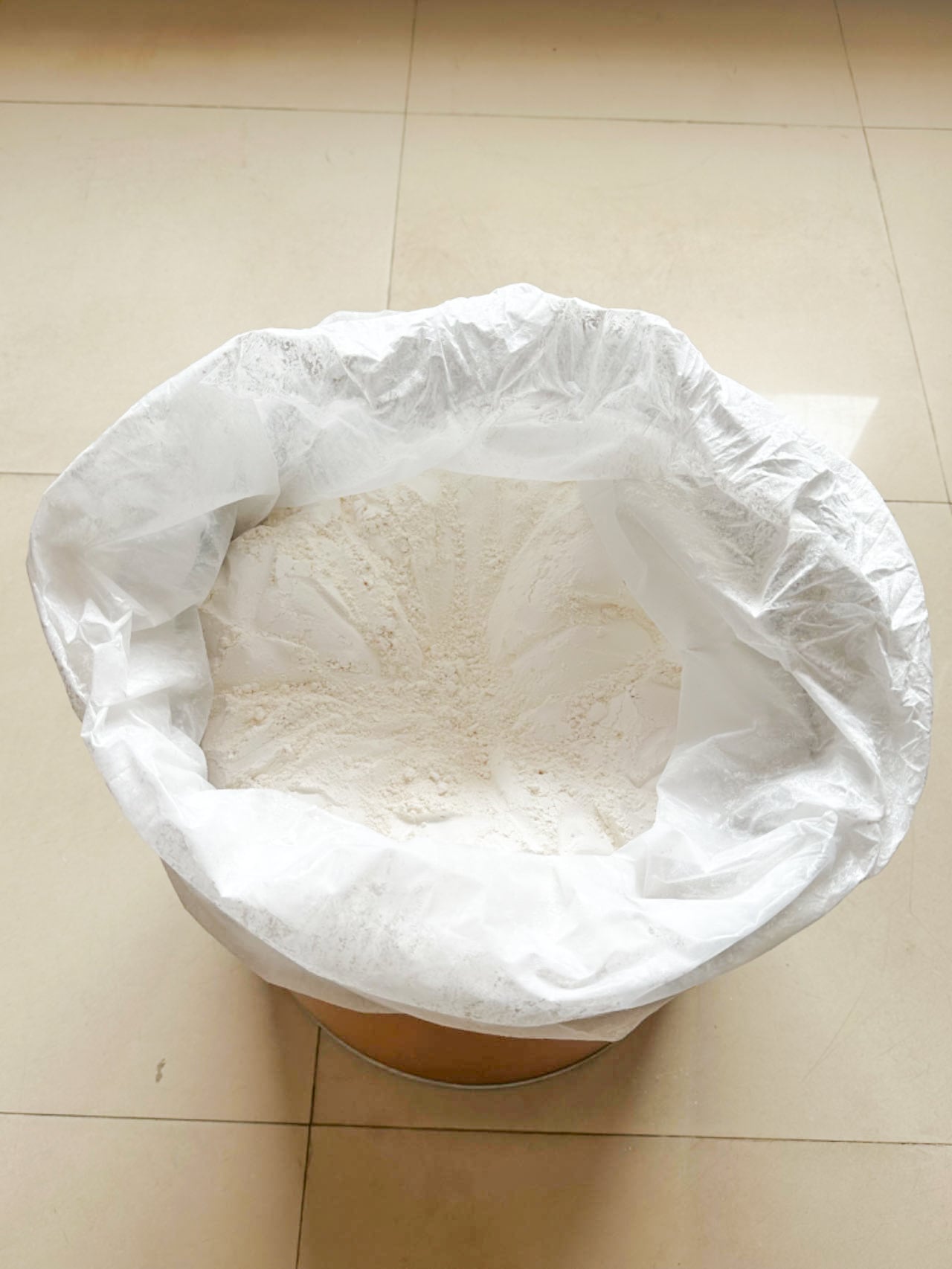
2-Phenyl-4-Methylimidazole Phenolic Resin Hardener

All Categories

2-phenyl-4-methylimidazole phenolic resin hardener

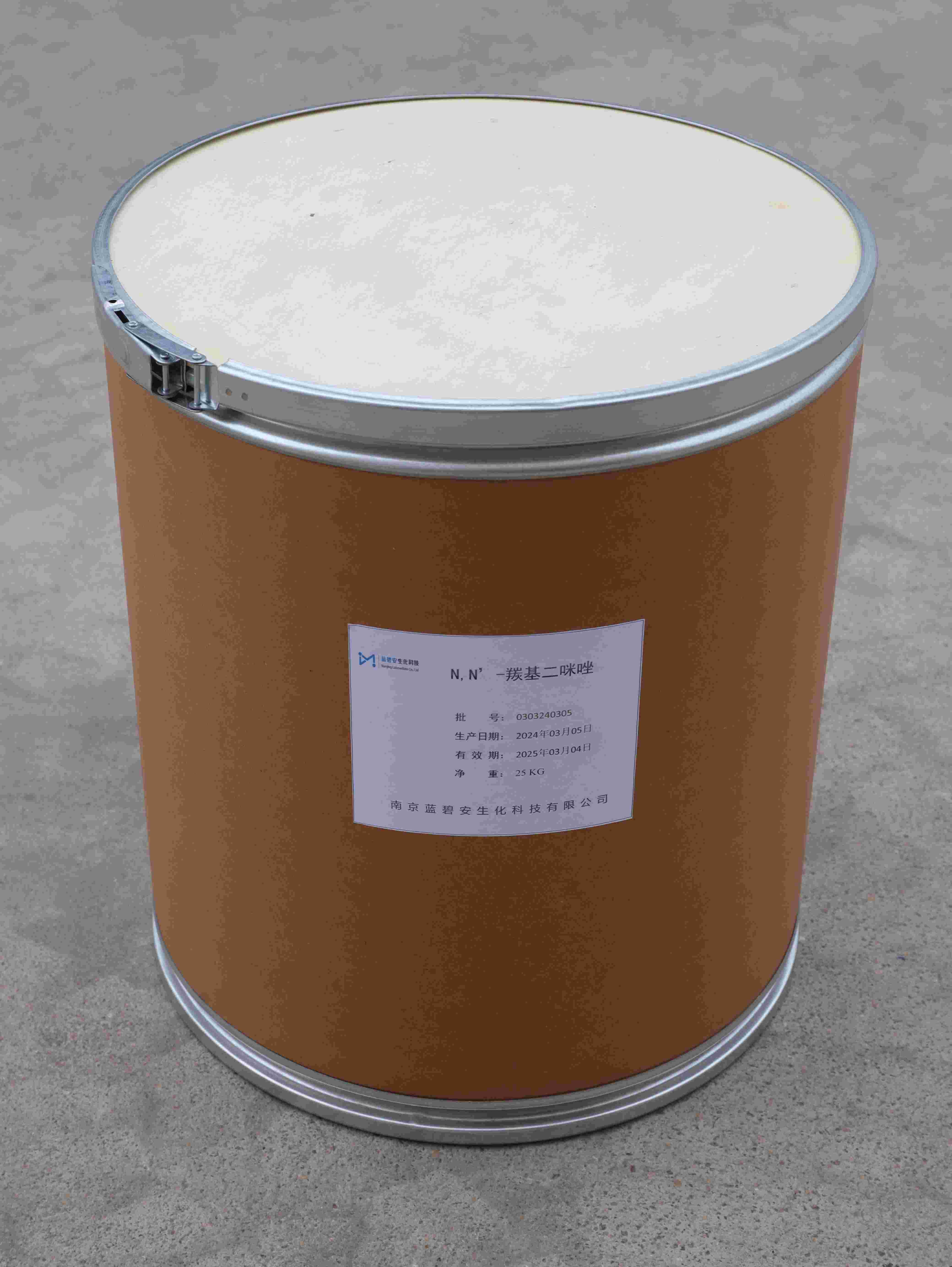
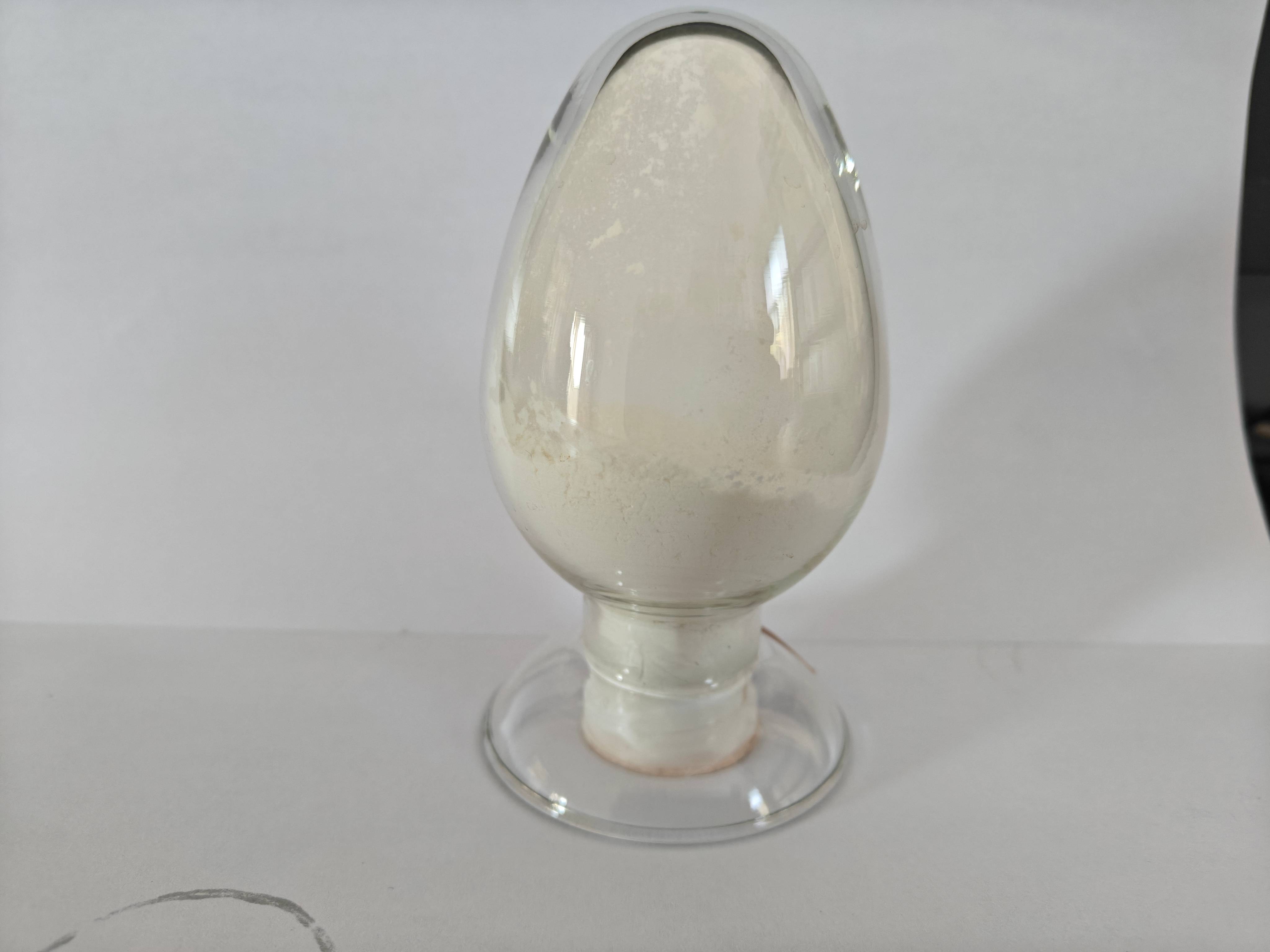
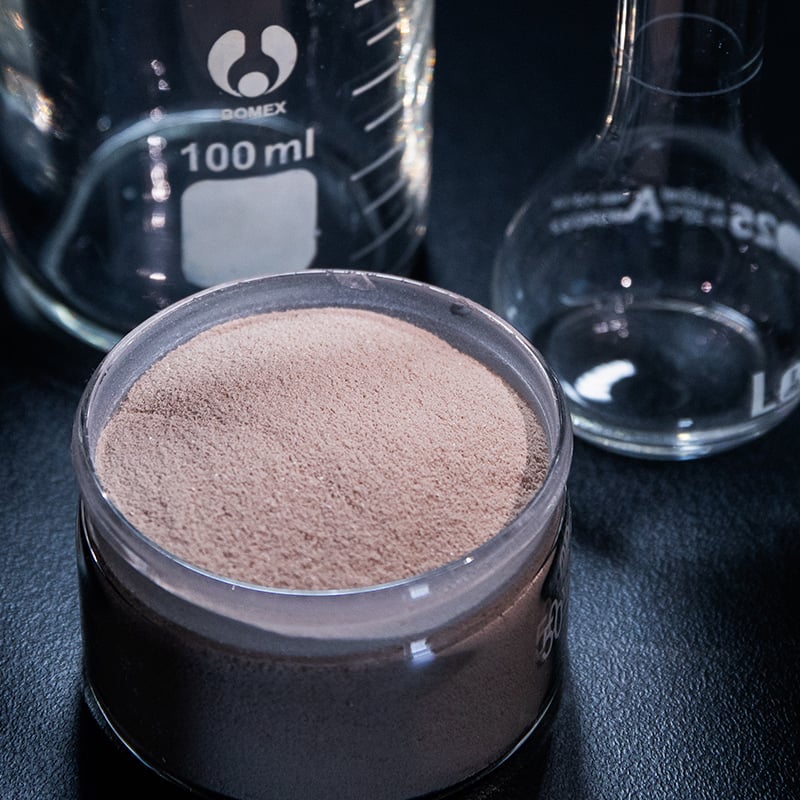
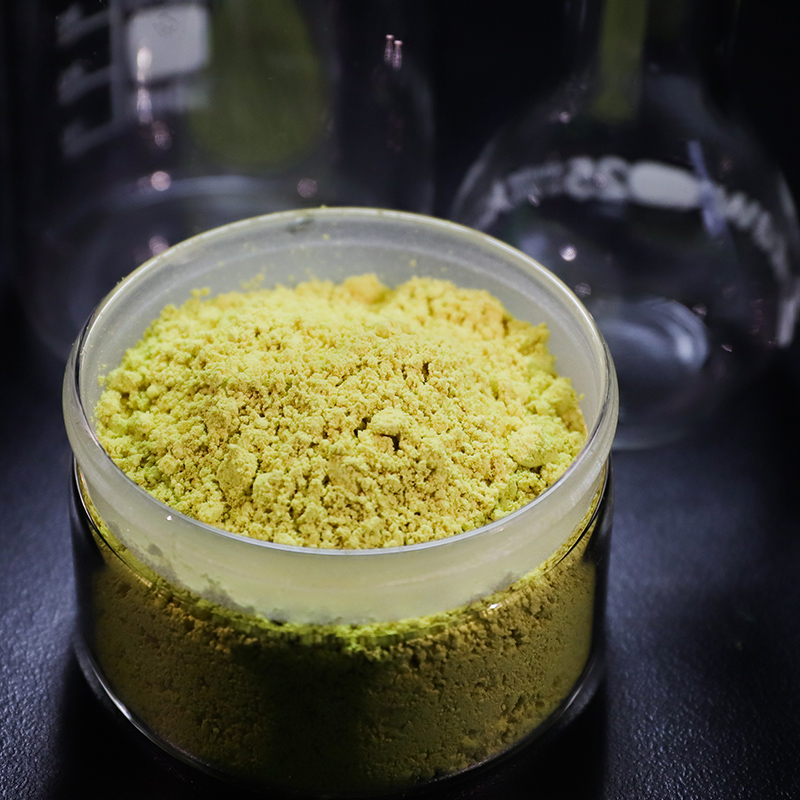
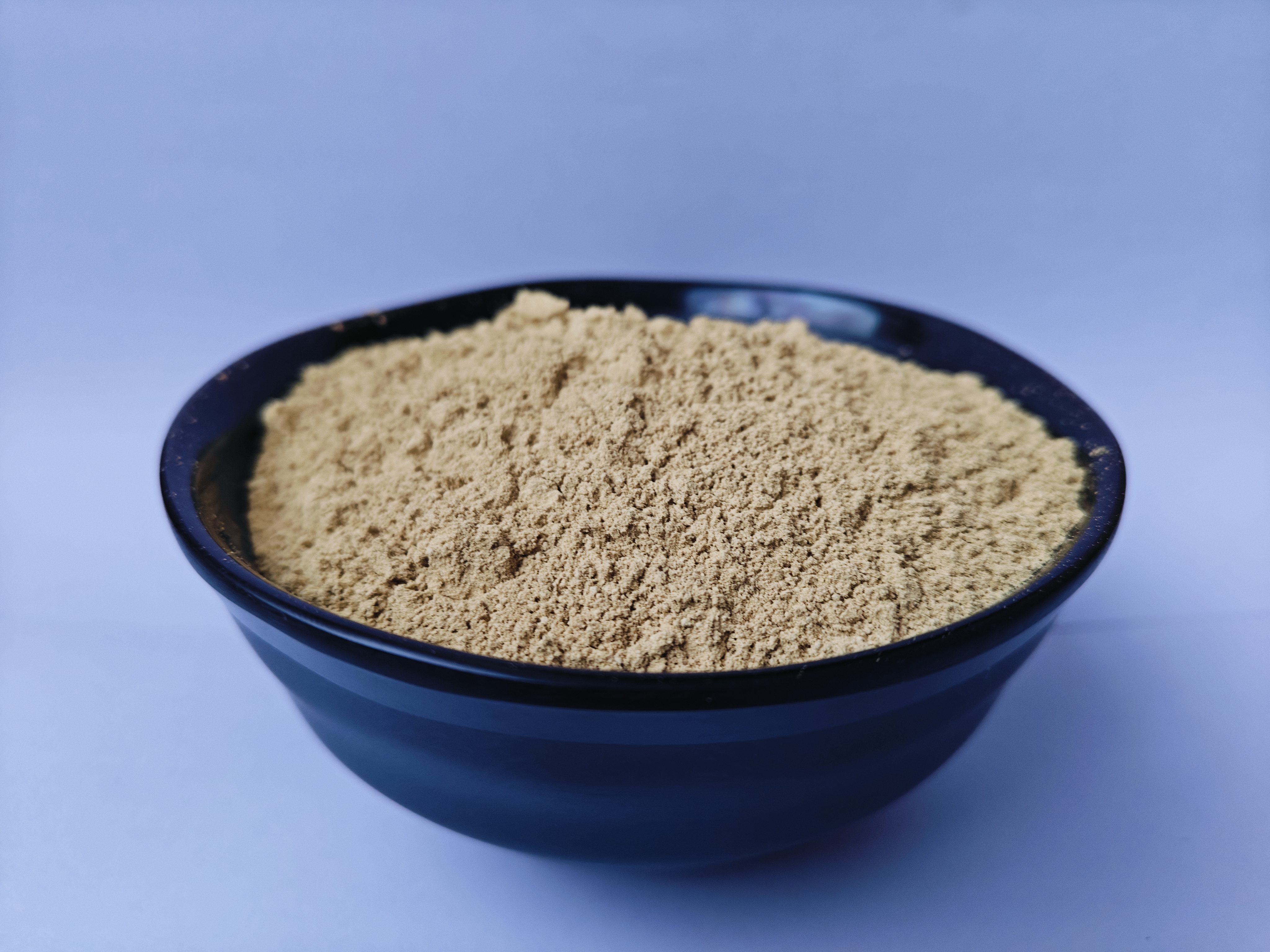
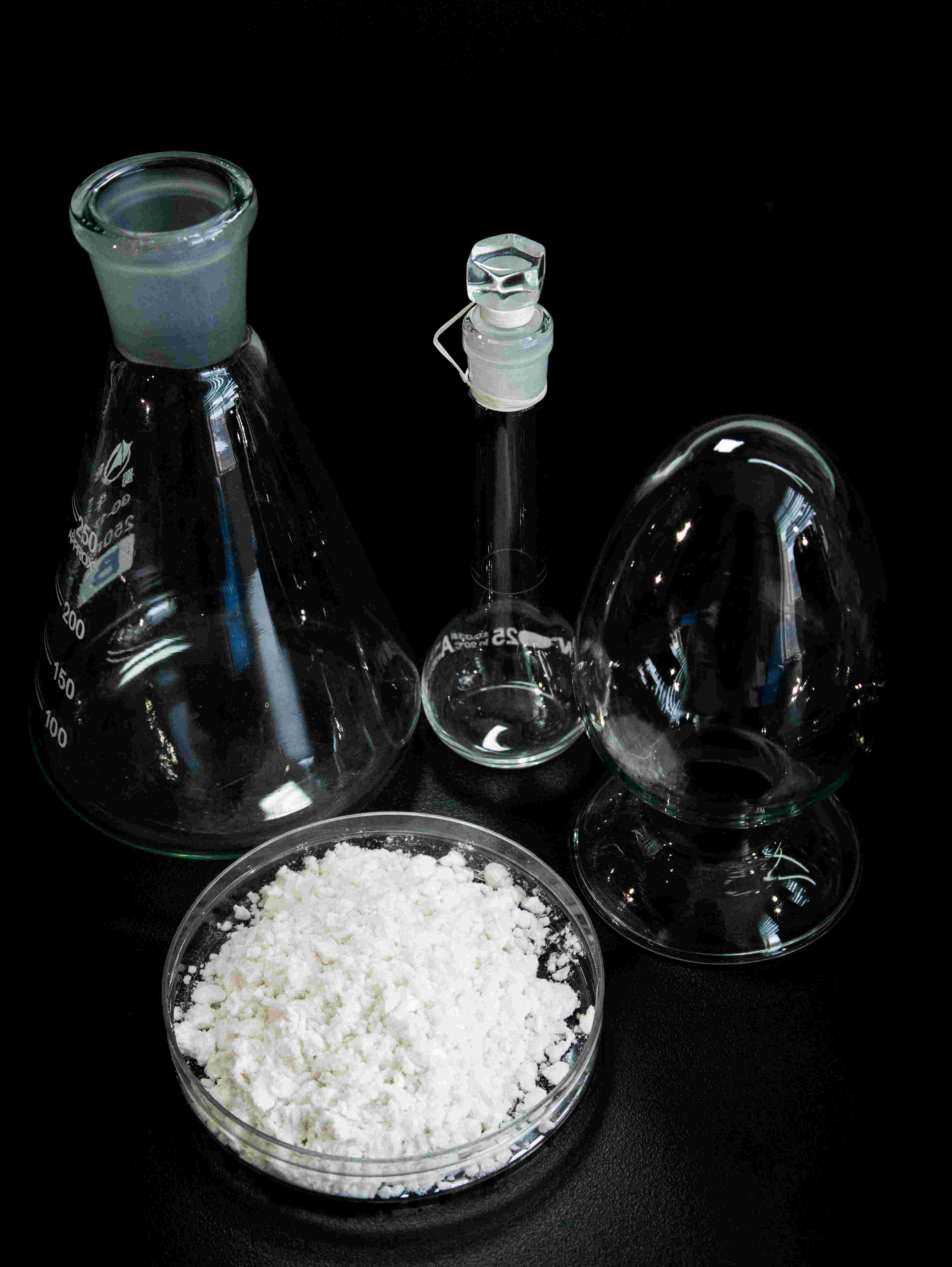
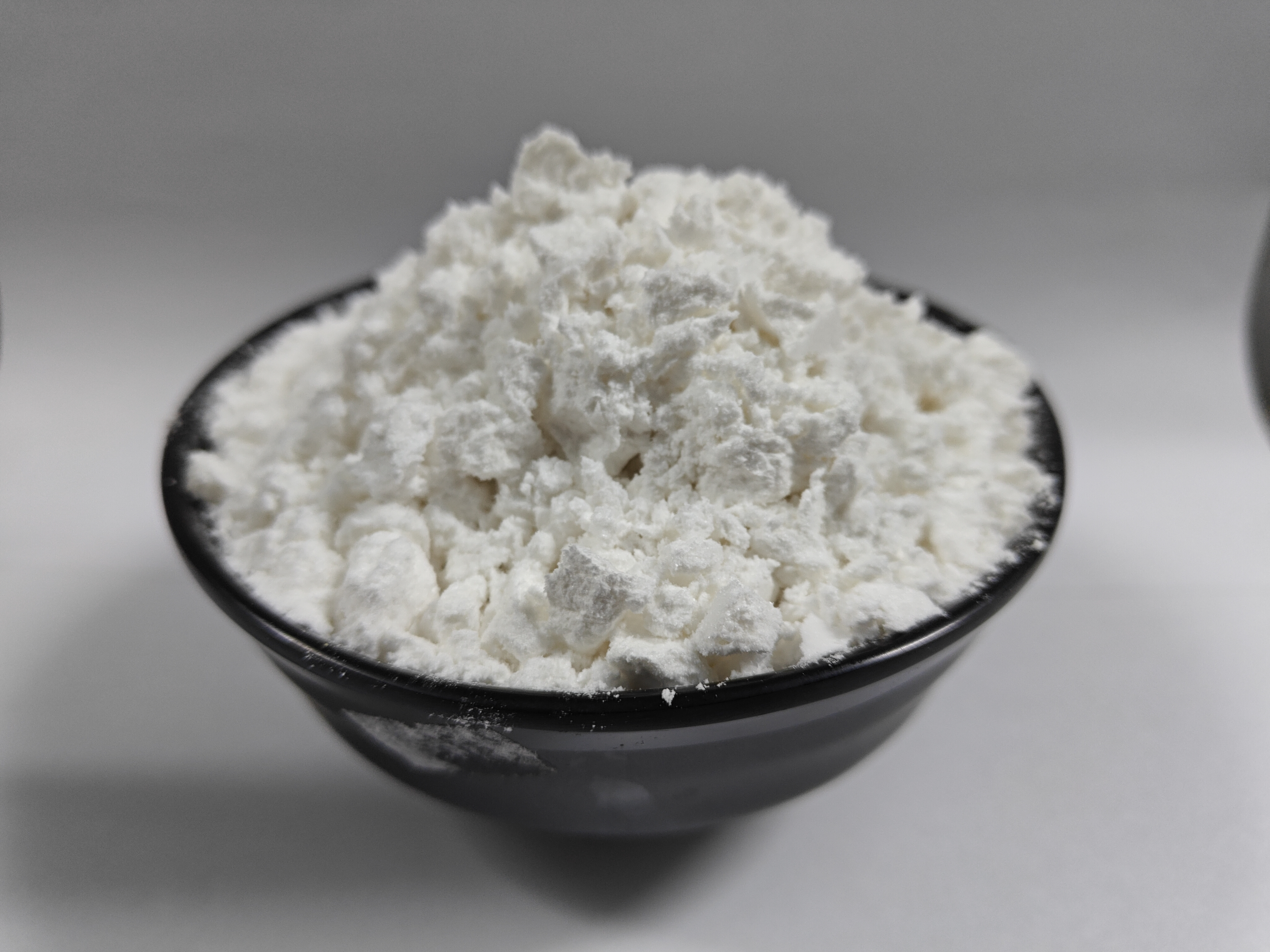
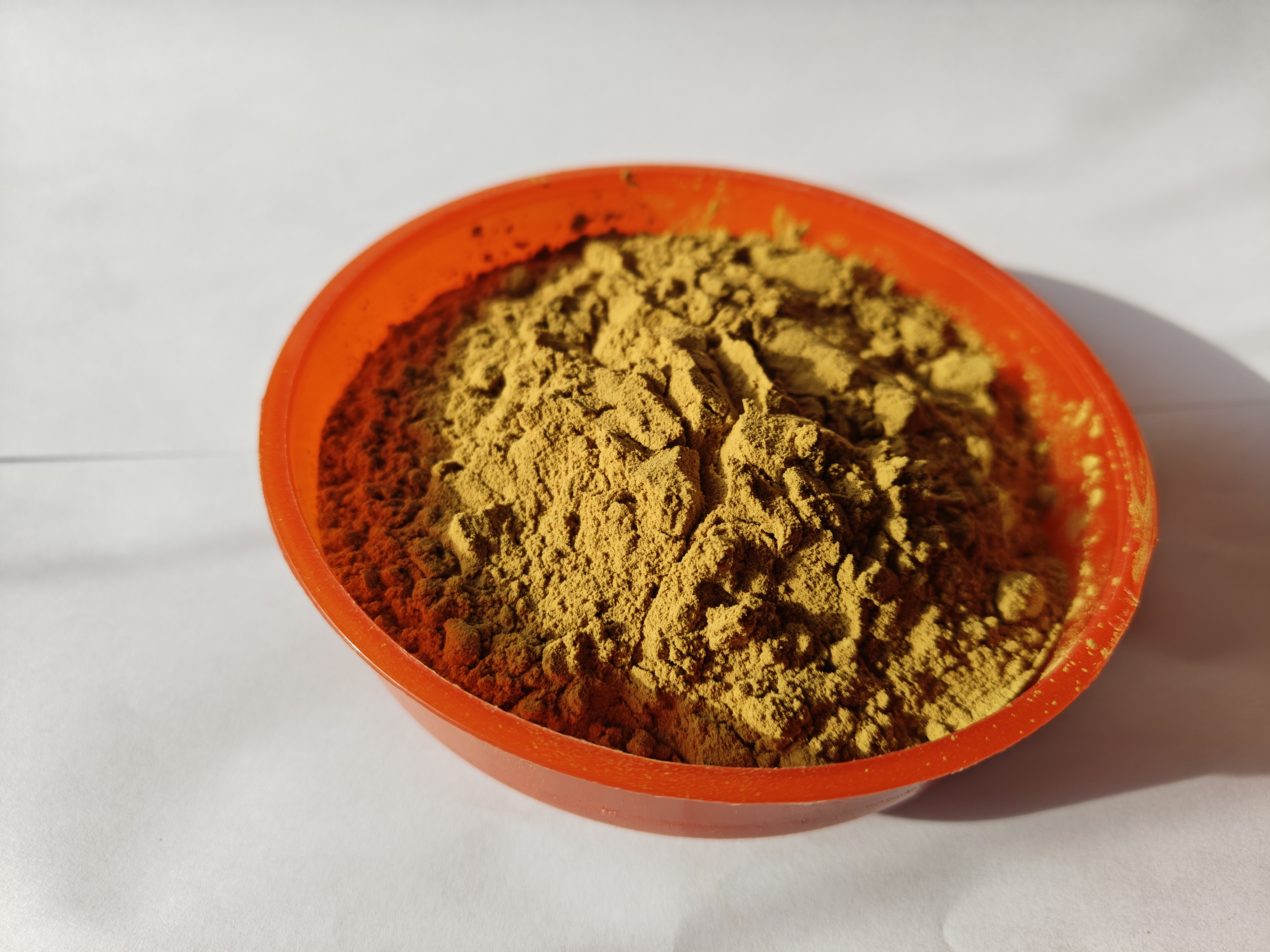
The 2-phenyl-4-methylimidazole phenolic resin hardener is a specialized curing agent designed to enhance the performance of phenolic resin systems across various industrial applications. This advanced hardener functions as a catalyst that accelerates the cross-linking process of phenolic resins, enabling faster production cycles and improved mechanical properties in the final composite materials. The 2-phenyl-4-methylimidazole phenolic resin hardener is characterized by its exceptional thermal stability and ability to provide consistent curing profiles under controlled processing conditions. Its primary function involves initiating and controlling the polymerization reaction, which transforms liquid resin formulations into solid, durable thermoset materials with superior chemical resistance and dimensional stability. Technological features of the 2-phenyl-4-methylimidazole phenolic resin hardener include its compatibility with various phenolic resin grades, controlled reactivity that prevents premature gelation, and the ability to operate effectively across a wide temperature range. This hardener is particularly valued in applications requiring high-temperature resistance and structural integrity. Common applications include friction materials for automotive brake systems, abrasive grinding wheels, foundry binders for precision casting, electrical insulation components, and advanced composite manufacturing. The 2-phenyl-4-methylimidazole phenolic resin hardener delivers consistent performance in demanding environments where traditional hardeners may fail, making it an essential component for manufacturers seeking reliable curing solutions that meet stringent quality standards and regulatory requirements in industrial production processes.

New Product Releases

The 2-phenyl-4-methylimidazole phenolic resin hardener offers significant operational benefits that directly translate into cost savings and improved product quality for manufacturers. This hardener provides precise control over curing kinetics, allowing production teams to optimize processing parameters and reduce cycle times without compromising the integrity of finished products. Buyers benefit from extended pot life during formulation stages, which minimizes material waste and provides greater flexibility in manufacturing schedules. The 2-phenyl-4-methylimidazole phenolic resin hardener excels in applications requiring elevated temperature resistance, as cured systems maintain mechanical strength and dimensional stability even when exposed to continuous thermal stress exceeding 200 degrees Celsius. This thermal performance advantage eliminates the need for costly material replacements and reduces maintenance downtime in high-heat operating environments. From a processing standpoint, the hardener enables uniform curing throughout thick-section parts, preventing the formation of internal stresses that could lead to cracking or delamination. Its compatibility with various filler systems and reinforcement materials provides formulation flexibility, allowing manufacturers to tailor properties for specific application requirements. Decision-makers appreciate the consistent batch-to-batch performance of the 2-phenyl-4-methylimidazole phenolic resin hardener, which ensures predictable production outcomes and reduces quality control complications. The hardener's low volatility during processing minimizes workplace exposure concerns and contributes to safer manufacturing environments. Additionally, cured systems demonstrate excellent resistance to solvents, acids, and alkaline substances, extending service life in chemically aggressive environments. These practical advantages make the 2-phenyl-4-methylimidazole phenolic resin hardener a value-driven choice for industries prioritizing reliability, performance consistency, and long-term operational efficiency in their composite material systems.

Latest News

What Should Manufacturers Look for When Choosing Thermally Latent Catalysts?

12

Dec

What Should Manufacturers Look for When Choosing Thermally Latent Catalysts?

Manufacturing processes across industries rely heavily on precise chemical reactions, and selecting the right thermally latent catalysts can determine the success or failure of production outcomes. These specialized catalytic compounds remain inactiv...
View More
How do laboratories source nncarbonyldiimidazole for scale-up synthesis

07

Jan

How do laboratories source nncarbonyldiimidazole for scale-up synthesis

Laboratories worldwide face increasing challenges when sourcing specialized chemical reagents for scale-up synthesis operations. Among these critical compounds, nncarbonyldiimidazole stands out as an essential coupling agent that enables efficient pe...
View More
How Can CDI Coupling Reagents Be Optimized for Lab-Scale and Industrial Use?

12

Feb

How Can CDI Coupling Reagents Be Optimized for Lab-Scale and Industrial Use?

CDI coupling reagents have revolutionized the way researchers and industrial chemists approach amide bond formation and esterification reactions. These versatile compounds, particularly N,N'-carbonyldiimidazole, offer exceptional efficiency in activa...
View More
How Do Organophosphine Based Catalysts Affect Thermal Stability of EMCs?

05

Mar

How Do Organophosphine Based Catalysts Affect Thermal Stability of EMCs?

Thermal stability represents a critical performance parameter for electronic materials and components (EMCs), particularly in high-temperature industrial applications where reliability cannot be compromised. The integration of organophosphine based c...
View More

Get a Free Quote

Our representative will contact you soon.
Email
Name
Company Name
Message
0/1000

2-phenyl-4-methylimidazole phenolic resin hardener

Superior Thermal Stability for Demanding Applications

Superior Thermal Stability for Demanding Applications

The 2-phenyl-4-methylimidazole phenolic resin hardener demonstrates exceptional thermal stability that sets it apart from conventional curing agents in high-temperature applications. This characteristic is particularly valuable for manufacturers producing components that must withstand continuous exposure to elevated temperatures without degradation. The molecular structure of this hardener enables cured phenolic systems to maintain their mechanical properties, dimensional accuracy, and chemical resistance even when subjected to prolonged thermal cycling. In friction material applications such as automotive brake pads and industrial clutch systems, this thermal stability translates directly into consistent performance and extended component life. The hardener facilitates the formation of highly cross-linked polymer networks that resist thermal decomposition, preventing the softening or structural failure that can occur with inferior curing systems. For foundry applications, the 2-phenyl-4-methylimidazole phenolic resin hardener ensures that sand binders maintain integrity during metal pouring operations, where temperatures can exceed 1500 degrees Celsius. This reliability reduces defect rates and improves casting quality. Manufacturers benefit from reduced warranty claims and enhanced reputation for product durability, making this hardener an intelligent investment for applications where thermal performance is non-negotiable.
Optimized Processing Control and Efficiency

Optimized Processing Control and Efficiency

The 2-phenyl-4-methylimidazole phenolic resin hardener provides manufacturers with superior processing control through its carefully balanced reactivity profile. Unlike fast-reacting hardeners that can cause premature gelation or slow-curing systems that extend production cycles excessively, this hardener offers an optimal balance between working time and cure speed. Production teams gain the flexibility to adjust processing parameters based on part geometry, production volume, and equipment capabilities without sacrificing final product properties. The controlled curing kinetics allow for thorough mixing and degassing of resin formulations, eliminating trapped air bubbles that could compromise mechanical strength or surface finish. This processing advantage is especially important in composite manufacturing and electrical insulation applications where void-free materials are essential for performance and safety. The 2-phenyl-4-methylimidazole phenolic resin hardener also enables lower curing temperatures compared to some alternative systems, reducing energy consumption and minimizing thermal stress on molds and tooling. This contributes to extended equipment life and lower operational costs. Consistent curing throughout part cross-sections prevents the development of internal stresses that lead to warping or cracking, improving yield rates and reducing scrap. These processing benefits deliver measurable return on investment through increased throughput and improved product quality.
Versatile Compatibility Across Formulation Systems

Versatile Compatibility Across Formulation Systems

The 2-phenyl-4-methylimidazole phenolic resin hardener exhibits remarkable versatility in its compatibility with diverse phenolic resin types and formulation additives, providing formulators with extensive design freedom. This adaptability allows manufacturers to develop customized material systems tailored to specific performance requirements without the complications of incompatibility issues that plague some specialized hardeners. The hardener works effectively with both resole and novolac phenolic resin systems, accommodating different processing methods and end-use requirements. It maintains stability when combined with various fillers including silica, carbon, metallic powders, and fibrous reinforcements, enabling the creation of composite materials with targeted properties such as enhanced strength, electrical conductivity, or thermal management. This compatibility extends to pigments and processing aids, simplifying formulation development and reducing the time required to bring new products to market. For manufacturers serving multiple industries, the 2-phenyl-4-methylimidazole phenolic resin hardener reduces inventory complexity by functioning effectively across diverse application areas from abrasives to electrical components. The ability to use a single hardener system across multiple product lines streamlines procurement, simplifies quality assurance protocols, and reduces training requirements for production personnel. This formulation flexibility represents a strategic advantage for companies seeking to optimize their material systems while maintaining consistent quality standards across varied product portfolios.

Get a Free Quote

Our representative will contact you soon.
Email
Name
Company Name
Message
0/1000