 EN

1. Product Overview
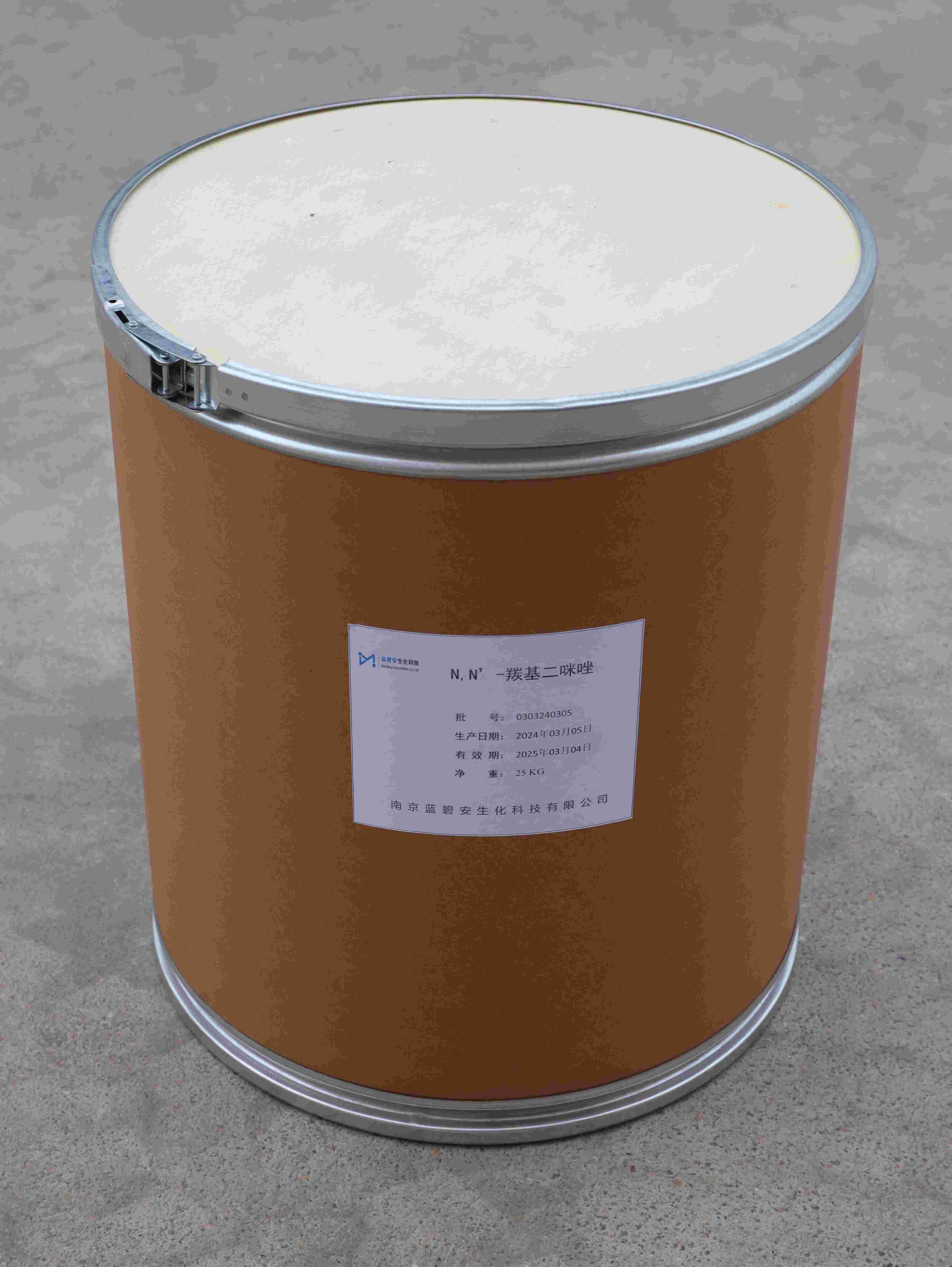
2MZ-A is a triazine-modified imidazole-based latent curing accelerator. Its latency mechanism relies on physical shielding. The introduction of a triazine ring, a bulky nitrogen-containing heterocyclic structure, significantly changes the molecule’s spatial configuration and solubility behavior. With a melting point of approximately 250°C, a solid powder form at room temperature, and low solubility in common organic solvents, 2MZ-A exhibits significantly modified compatibility with epoxy resins.
The system remains stable at room temperature. When heated to a specific temperature, increased molecular motion exposes the active sites, rapidly initiating the curing reaction. It performs particularly well in powder coatings and adhesives, and is also a suitable curing agent for copper-clad laminates, laminated materials, electronic inks, concrete, and other applications.
2. Basic Information and Physical Properties
Item |
Parameter |
Chemical Name |
2,4-Diamino-6-[2-(2-methyl-1-imidazolyl)ethyl]-1,3,5-triazine |
English Name |
2,4-Diamino-6-[2-(2-methyl-1-imidazolyl)ethyl]-1,3,5-triazine |
Grade |
2MZ-A |
CAS Number |
38668-46-1 |
Molecular Formula |
C₉H₁₃N₇ |
Structural Formula |
|
Molecular Weight |
219.25 |
Melting Point |
250 ± 5°C |
Appearance |
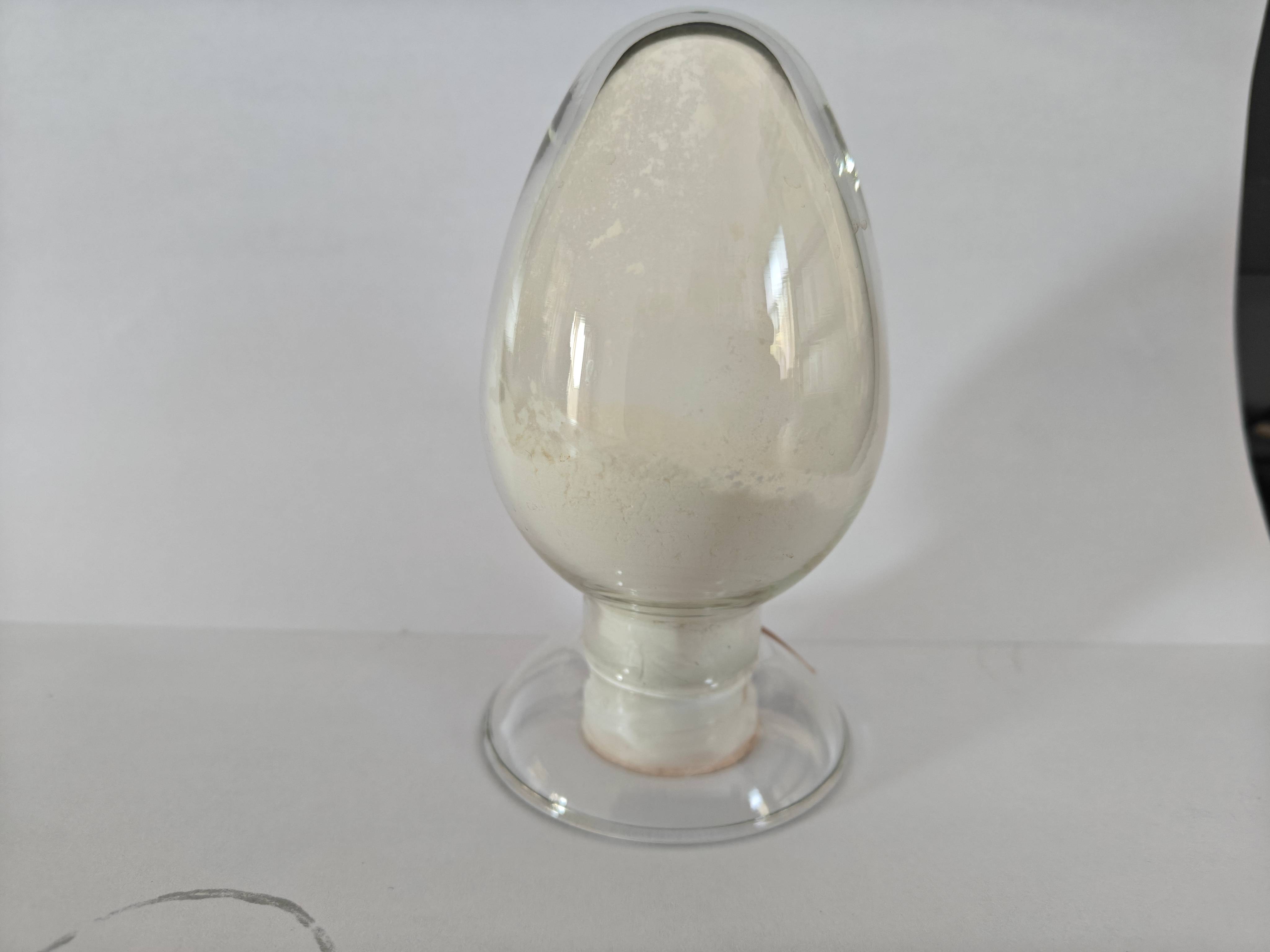
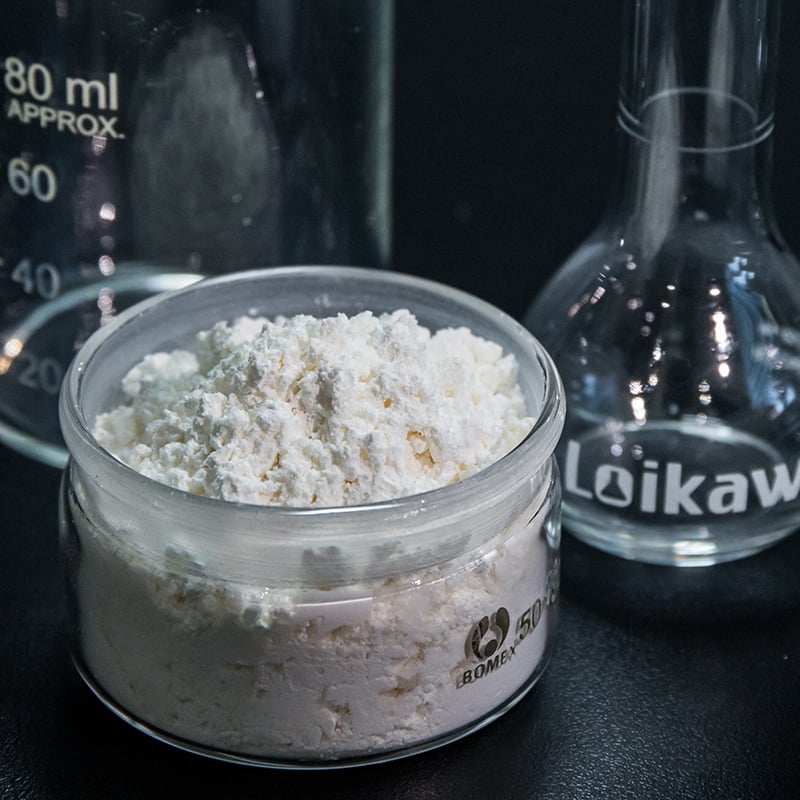
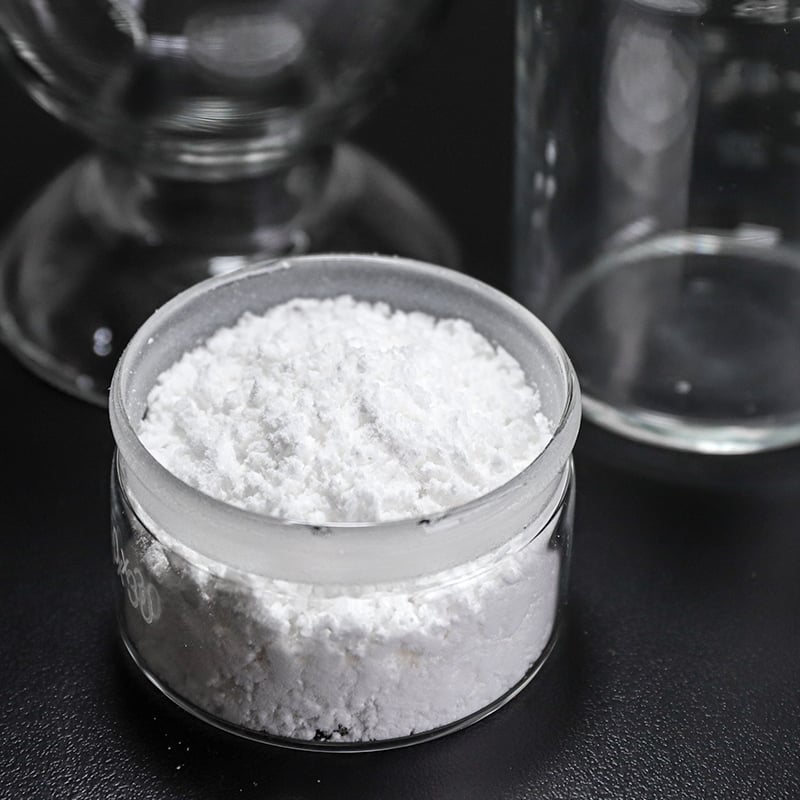
White powder |
Solubility |
Soluble in acetone and methyl cellosolve; slightly soluble in water, methanol, ethanol, DMSO, and DMF; poorly soluble in common organic solvents |
Shelf Life |
12 months when stored in a cool, dry, and tightly sealed environment. Avoid contact with acids and oxidizing agents. |
3. Product Features and Recommended Applications
Product Features:
- Triazine modification does not alter the electron density; instead, the bulky heterocyclic structure modifies compatibility and melting point, creating physical and spatial isolation.
- The triazine ring itself is a rigid, nitrogen-containing structure. The resulting cured material features a well-organized crosslinked network, providing good heat resistance, a glossy surface appearance, and resistance to yellowing.
Recommended Applications:
- One-Component Epoxy Adhesives and Powder Coatings
- Copper-Clad Laminates and Laminated Materials: Good electrical insulation, low dielectric loss, and excellent electrical properties.
- Electronic Inks: Good heat resistance and a glossy cured surface, meeting appearance requirements for ink applications.
- Electrical Insulation Casting and Coatings
4. Advantages and Precautions
Advantages
- Excellent Latency: Provides a significantly longer pot life than unmodified imidazole.
- Excellent Cured-Material Performance: High glass transition temperature (Tg) and heat deflection temperature (HDT), along with excellent chemical resistance, electrical insulation, and mechanical properties.
- Lower Irritation, Toxicity, and Volatility: Compared with conventional curing agents.
Precautions
- High Melting Point and Low Solubility: Poor dispersion may cause localized premature curing or uneven curing.
- Corrosivity: The material has some corrosive properties. Avoid storing it in contact with acids or oxidizing agents, and use appropriate protective equipment during handling.
- Moisture Absorption: The material has relatively strong hygroscopic properties. Moisture absorption must be carefully monitored and controlled.