 EN

1. Product Overview
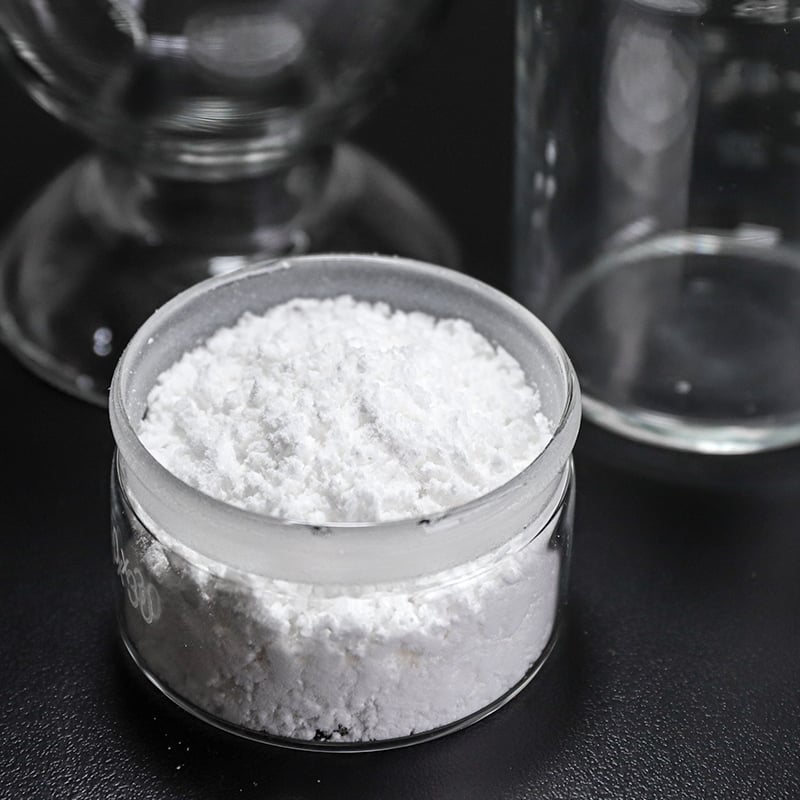
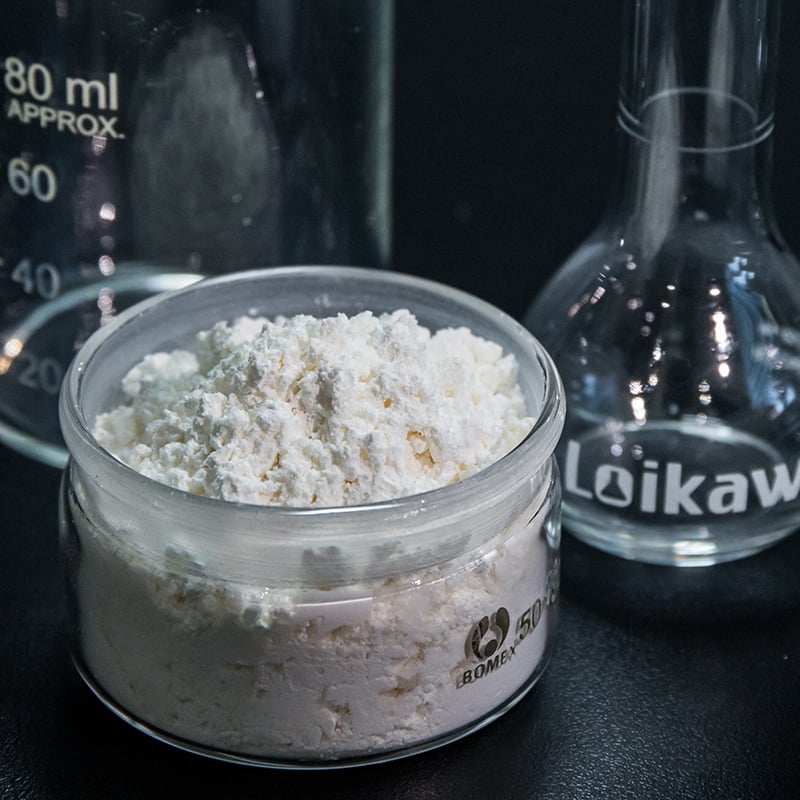
2-Phenyl-4-methylimidazole (commonly abbreviated as 2P4MZ or 2P4MI) is a representative latent curing accelerator in the imidazole family. It is widely used in epoxy resin curing systems and combines high heat resistance with good storage stability. It is an important additive in formulations for electronic materials such as epoxy molding compounds (EMC) and copper-clad laminates (CCL).
2. Physical and Chemical Properties
Item |
Description |
Chinese Name |
2-Phenyl-4-methylimidazole |
English Name |
4-Methyl-2-phenylimidazole |
Synonyms |
4-Methyl-2-phenylimidazole; 2-Phenyl-4-methylimidazole |
CAS Number |
827-43-0 |
Molecular Formula |
C₁₀H₁₀N₂ |
Structural Formula |
|
Melting Point |
178–186°C |
Molecular Weight |
158.2 |
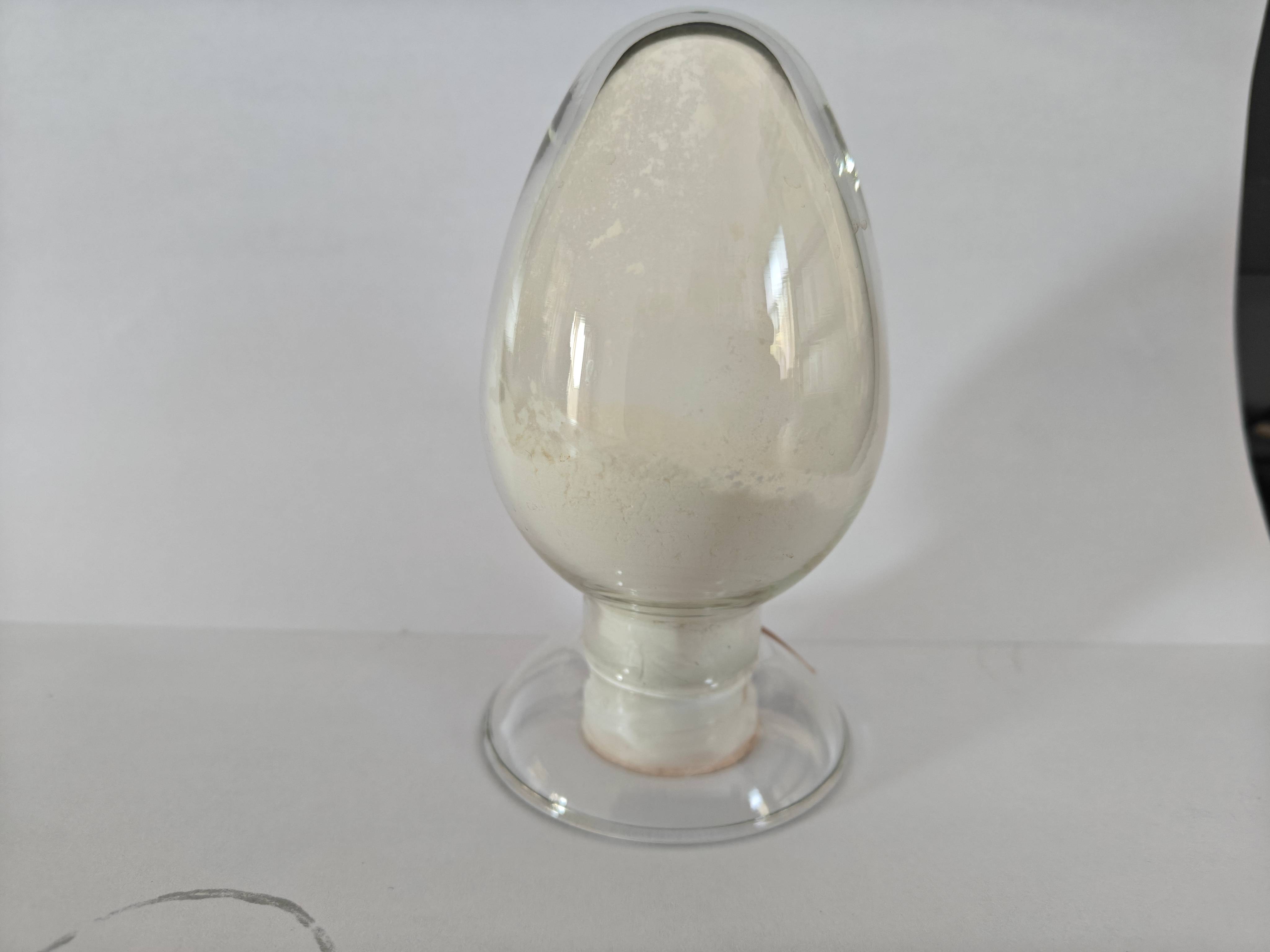
Physical Appearance |
White to off-white crystals |
Solubility |
Slightly soluble in water; soluble in ethanol and acetone; insoluble in benzene and carbon tetrachloride |
Storage Conditions |
Store in a tightly sealed container in a cool, dry, and well-ventilated place. Protect from light and moisture and keep away from heat sources and oxidizing agents. |
3. Applications
3.1 Epoxy Resin Curing Agent (Primary Application)
As an imidazole-based curing agent, 2-Phenyl-4-methylimidazole is used to cure epoxy resins or accelerate their curing reactions. This is its primary application area.
Key advantages include:
- High Heat Deflection Temperature (HDT): Provides cured materials with high heat resistance, meeting the demanding temperature requirements of electronic encapsulation applications.
- High Glass Transition Temperature (Tg): Helps maintain dimensional stability and stable electrical performance under high-temperature operating conditions.
- Excellent Chemical Resistance and Electrical Insulation: Suitable for high-reliability applications such as semiconductor packaging and electrical insulation.
- Low Irritation, Toxicity, and Volatility: Offers better process safety and environmental performance than conventional amine-based curing agents.
- Good Compatibility: Compatible with acid anhydrides and dicyandiamide (DICY), allowing it to be used as a co-curing agent.
- Typical Dosage: 0.5%–10% based on the resin weight, depending on the formulation and processing requirements.
3.2 Organic Synthesis Intermediate
Used in the synthesis of other imidazole-containing compounds, including pharmaceutical intermediates
3.3 Pharmaceutical Industry
- Antifungal Drugs: Used as an intermediate in the synthesis of antifungal agents such as ketoconazole and clotrimazole.
- Other Drug Development: Involved in molecular design and research related to antiviral and anticancer drugs.
3.4 Electronic Materials
Used in the synthesis of electronic functional materials, including photosensitive materials, conductive polymers, and functional coatings.
3.5 Rubber Industry
In the rubber industry, 2-Phenyl-4-methylimidazole can be used as a rubber vulcanization accelerator or anti-aging agent. It can help improve the heat resistance and mechanical properties of rubber products, extend their service life, and support the processing and manufacturing of various high-performance rubber materials.