
 EN
EN
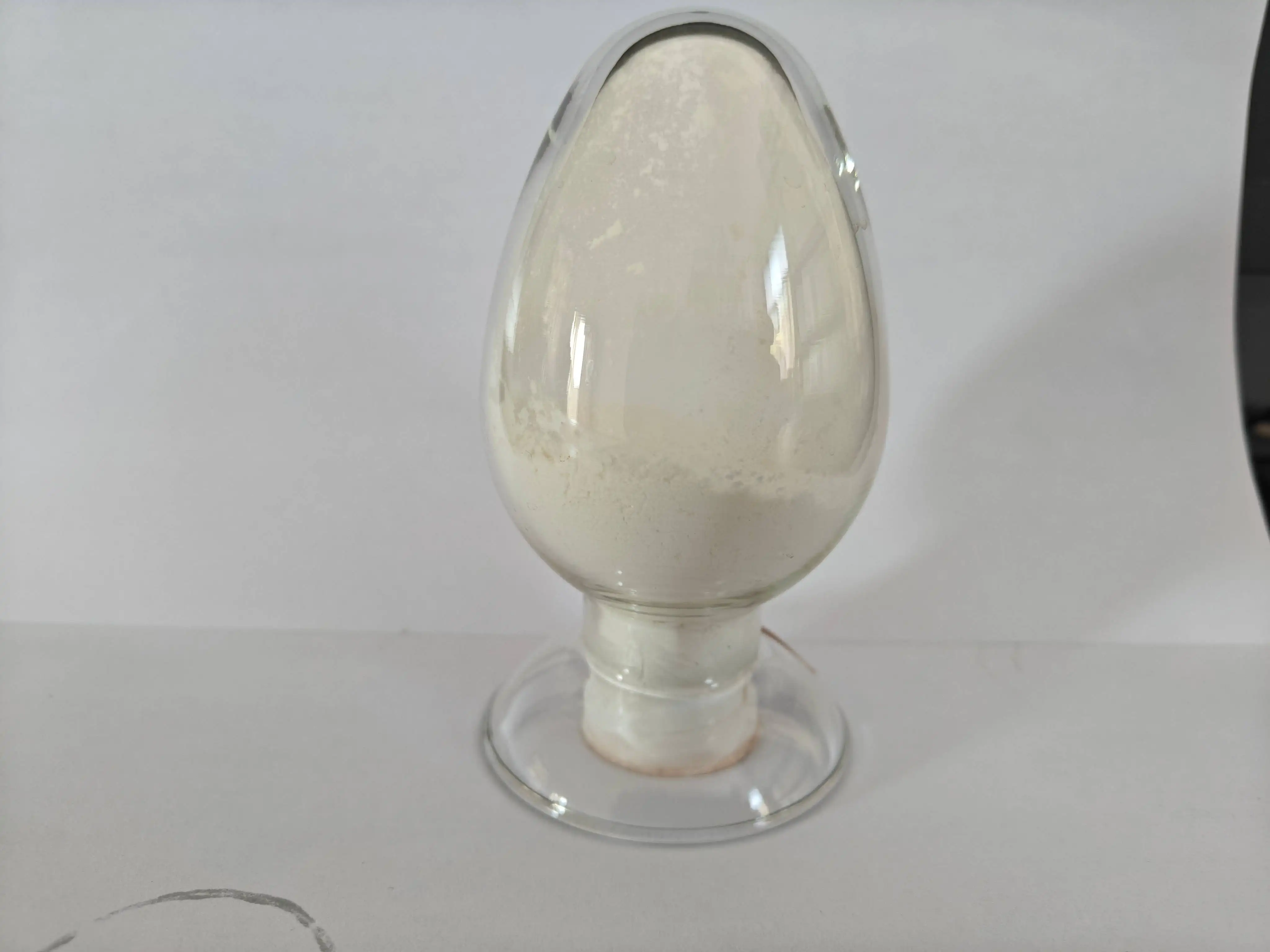
Proper packaging of pharmaceutical intermediate imidazole derivative compounds is essential for maintaining product integrity during long-term warehouse storage. The pharmaceutical intermediate imidazole derivative category includes reactive organic compounds that demand specialized handling protocols to prevent degradation, moisture absorption, and chemical decomposition. Understanding the best practices for packaging these materials can significantly extend shelf life, reduce waste, and ensure that your pharmaceutical intermediate imidazole derivative inventory remains viable for downstream synthesis and formulation work.
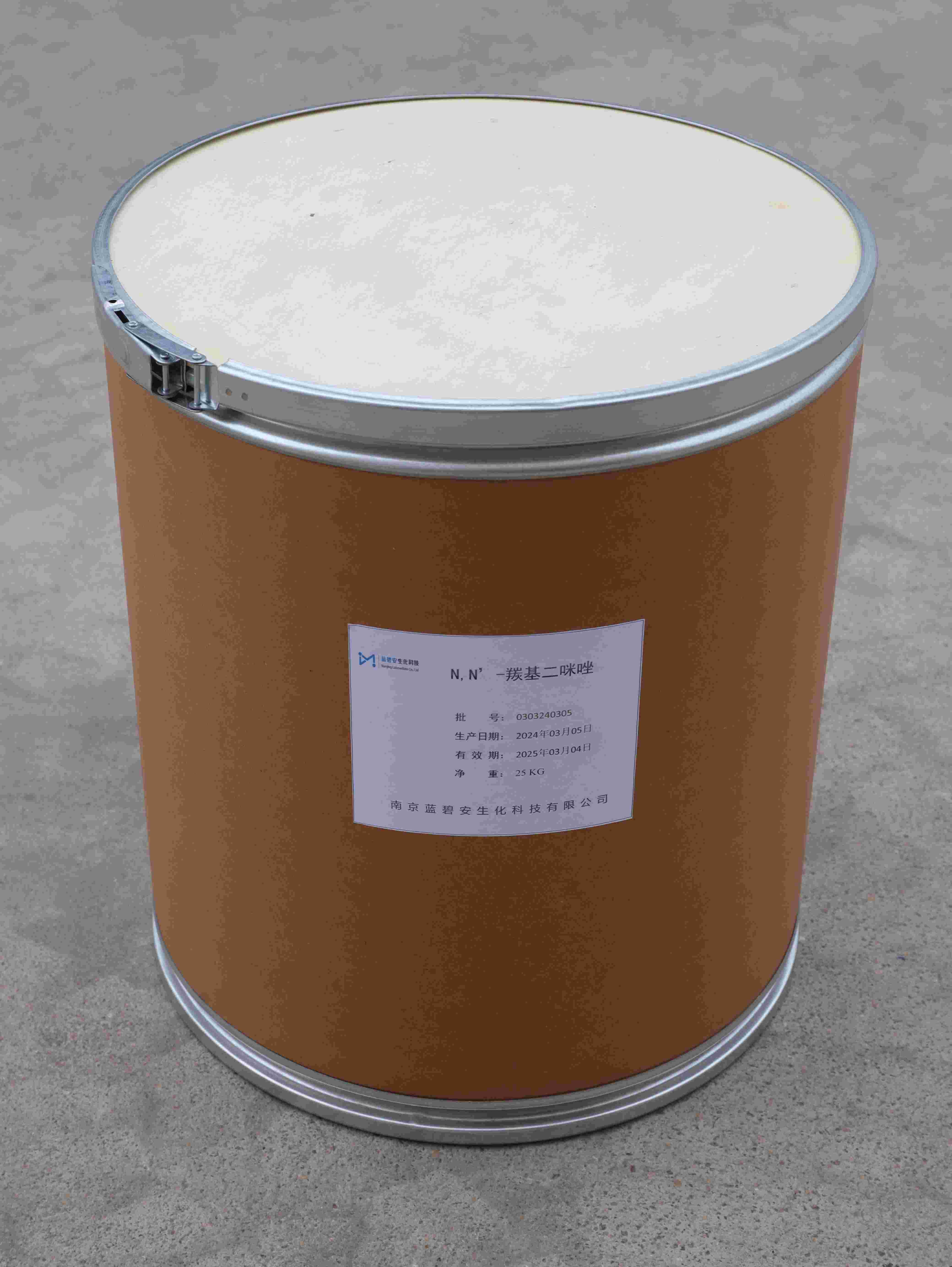
The pharmaceutical intermediate imidazole derivative market depends on consistent quality and performance throughout the supply chain. When stored improperly, pharmaceutical intermediate imidazole derivative materials can undergo hydrolysis, oxidation, or polymerization, rendering them unsuitable for pharmaceutical manufacturing. This guide explores evidence-based packaging strategies, environmental controls, and container selection methods that protect your pharmaceutical intermediate imidazole derivative assets and maintain regulatory compliance.
Selecting Appropriate Container Materials for Pharmaceutical Intermediate Imidazole Derivative Storage
Glass and Polymer Container Advantages
The primary container choice for pharmaceutical intermediate imidazole derivative compounds significantly influences long-term stability outcomes. Borosilicate glass remains the gold standard for pharmaceutical intermediate imidazole derivative packaging because it provides superior chemical inertness, minimal leaching, and excellent moisture barriers. Glass containers protect pharmaceutical intermediate imidazole derivative materials from external environmental stressors while allowing for visual inspection and quality monitoring. Amber or opaque glass is particularly valuable for light-sensitive pharmaceutical intermediate imidazole derivative formulations, as it prevents photodegradation pathways that can compromise potency and introduce unwanted byproducts.
Polymer containers offer practical advantages for certain pharmaceutical intermediate imidazole derivative applications, particularly when weight reduction or cost considerations are central to logistics planning. High-density polyethylene (HDPE) and polypropylene (PP) containers can effectively store pharmaceutical intermediate imidazole derivative materials when properly sealed and maintained at controlled temperatures. However, polymer selections for pharmaceutical intermediate imidazole derivative packaging must undergo compatibility testing with specific compound formulations, as certain solvents or reactive groups can degrade container walls or leach additives into the pharmaceutical intermediate imidazole derivative material.
Closure Systems and Sealing Integrity
Closure integrity directly impacts how long pharmaceutical intermediate imidazole derivative compounds maintain stability during warehouse storage. Screw caps with inert liner inserts, such as polytetrafluoroethylene (PTFE) or rubber compounds, create reliable pharmaceutical intermediate imidazole derivative seals that resist both atmospheric moisture and solvent evaporation. The pharmaceutical intermediate imidazole derivative container closure system must be verified through accelerated stability testing to confirm that pharmaceutical intermediate imidazole derivative materials do not degrade, absorb moisture, or develop off-specification characteristics during extended shelf storage. Multi-layer closure designs often provide superior protection for pharmaceutical intermediate imidazole derivative inventory, combining metal or plastic backing plates with chemically resistant liners that prevent pharmaceutical intermediate imidazole derivative compound migration.
Environmental Controls and Warehouse Conditions for Pharmaceutical Intermediate Imidazole Derivative Preservation
Temperature and Humidity Management
Temperature stability represents one of the most critical variables affecting pharmaceutical intermediate imidazole derivative shelf life in warehouse environments. Most pharmaceutical intermediate imidazole derivative compounds maintain optimal stability when stored between 2°C and 8°C, though specific temperature requirements vary based on molecular structure and formulation composition. Warehouse facilities designed for pharmaceutical intermediate imidazole derivative storage must maintain consistent refrigerated conditions to prevent thermal cycling, which accelerates degradation pathways and can introduce structural changes that render pharmaceutical intermediate imidazole derivative batches out of specification. Humidity levels between 30% and 60% relative humidity protect pharmaceutical intermediate imidazole derivative materials from moisture-related hydrolysis while preventing excessive desiccation that could compromise physical properties.
Climate control infrastructure designed for pharmaceutical intermediate imidazole derivative warehouses should include redundant monitoring systems, backup refrigeration units, and automated alert mechanisms that notify personnel when pharmaceutical intermediate imidazole derivative storage conditions drift outside established parameters. Real-time data logging for pharmaceutical intermediate imidazole derivative storage areas provides documentary evidence that inventory has been maintained under appropriate conditions, supporting regulatory compliance and enabling root cause analysis if pharmaceutical intermediate imidazole derivative batches develop stability issues. Seasonal variations and geographic differences necessitate facility-specific pharmaceutical intermediate imidazole derivative storage protocols that account for local climate patterns and infrastructure capabilities.
Light Protection and Oxidation Prevention
Exposure to ultraviolet and visible light can rapidly degrade pharmaceutical intermediate imidazole derivative compounds through photochemical pathways that introduce impurities and reduce potency. Warehouse storage for pharmaceutical intermediate imidazole derivative materials should incorporate opaque shelving, window treatments, and storage cabinet designs that minimize light exposure throughout the inventory cycle. Amber or light-blocking containers provide an additional protective layer for pharmaceutical intermediate imidazole derivative compounds, particularly for batches with known photosensitivity profiles. Nitrogen flushing or inert gas packaging represents an advanced technique for pharmaceutical intermediate imidazole derivative preservation, creating oxygen-free environments that eliminate oxidative degradation mechanisms that compromise pharmaceutical intermediate imidazole derivative quality over time.
Documentation, Labeling, and Inventory Management Systems for Pharmaceutical Intermediate Imidazole Derivative Tracking
Regulatory Labeling Requirements
Complete and accurate labeling ensures that pharmaceutical intermediate imidazole derivative containers communicate essential stability and handling information to warehouse personnel and downstream users. Every pharmaceutical intermediate imidazole derivative package should include chemical name, molecular weight, purity specifications, manufacturing date, expiration date, storage temperature range, and hazard classification symbols that guide proper pharmaceutical intermediate imidazole derivative handling. Barcode systems linked to inventory management platforms track pharmaceutical intermediate imidazole derivative movement through warehouse facilities, supporting first-in-first-out (FIFO) protocols that minimize the risk of pharmaceutical intermediate imidazole derivative batches exceeding recommended storage periods. Regulatory agencies require that pharmaceutical intermediate imidazole derivative documentation clearly indicates whether pharmaceutical intermediate imidazole derivative materials have been stored under recommended conditions and provides batch-level traceability information.
Stability Monitoring and Shelf Life Determination
Pharmaceutical intermediate imidazole derivative stability testing during warehouse storage provides empirical data that confirms shelf life claims and identifies potential degradation pathways. Accelerated stability protocols expose pharmaceutical intermediate imidazole derivative samples to elevated temperatures and humidity levels for compressed timeframes, generating predictive data about long-term pharmaceutical intermediate imidazole derivative performance under normal storage conditions. Periodic testing of pharmaceutical intermediate imidazole derivative inventory at predetermined intervals throughout the warehouse storage cycle detects early signs of degradation and enables corrective action before pharmaceutical intermediate imidazole derivative materials become unsuitable for use. Chemistry-based testing for pharmaceutical intermediate imidazole derivative batches may include high-performance liquid chromatography (HPLC) analysis, moisture content determination, and spectroscopic verification that confirms pharmaceutical intermediate imidazole derivative identity and purity remain within established specifications.
FAQ
What moisture barrier level is necessary for pharmaceutical intermediate imidazole derivative containers?
Most pharmaceutical intermediate imidazole derivative compounds require moisture vapor transmission rates (MVTR) below 0.5 grams per square meter per day when stored in typical warehouse environments. The specific moisture barrier requirement for your pharmaceutical intermediate imidazole derivative materials depends on compound hygroscopicity, intended shelf life, and local humidity conditions. Advanced barrier films and multi-layer container designs provide enhanced protection for moisture-sensitive pharmaceutical intermediate imidazole derivative inventory, though these solutions should be validated through stability testing specific to your pharmaceutical intermediate imidazole derivative formulation.
Can pharmaceutical intermediate imidazole derivative materials be stored in multi-unit bulk containers?
Bulk container storage for pharmaceutical intermediate imidazole derivative materials requires careful evaluation of headspace management, container material compatibility, and operational handling procedures. While bulk pharmaceutical intermediate imidazole derivative storage reduces per-unit packaging costs, it increases exposure risk during each withdrawal event and complicates quarantine protocols if pharmaceutical intermediate imidazole derivative quality issues are detected. Many organizations use a hybrid approach that stores primary pharmaceutical intermediate imidazole derivative inventory in bulk containers within controlled environments, then transfers pharmaceutical intermediate imidazole derivative materials to smaller, sealed units only when needed for immediate downstream processing.
How frequently should pharmaceutical intermediate imidazole derivative warehouse storage conditions be verified?
Continuous automated monitoring with daily documentation represents the industry best practice for pharmaceutical intermediate imidazole derivative warehouse environments. Manual verification of pharmaceutical intermediate imidazole derivative storage conditions should occur at minimum during each shift change, with written records maintained for regulatory compliance and audit purposes. For pharmaceutical intermediate imidazole derivative facilities with critical inventory, real-time alert systems that notify personnel of temperature or humidity deviations enable immediate corrective action and prevent pharmaceutical intermediate imidazole derivative material exposure to out-of-specification conditions.
Table of Contents
- Selecting Appropriate Container Materials for Pharmaceutical Intermediate Imidazole Derivative Storage
- Environmental Controls and Warehouse Conditions for Pharmaceutical Intermediate Imidazole Derivative Preservation
- Documentation, Labeling, and Inventory Management Systems for Pharmaceutical Intermediate Imidazole Derivative Tracking
-
FAQ
- What moisture barrier level is necessary for pharmaceutical intermediate imidazole derivative containers?
- Can pharmaceutical intermediate imidazole derivative materials be stored in multi-unit bulk containers?
- How frequently should pharmaceutical intermediate imidazole derivative warehouse storage conditions be verified?