 EN

1. Product Overview
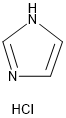
Imidazole hydrochloride is the hydrochloride salt form of imidazole, with the chemical formula C₃H₅ClN₂. It belongs to the class of hydrochloride salts of heterocyclic organic compounds.
Its primary applications are concentrated in two major fields: biochemical research and catalytic organic synthesis. In biochemical experiments, it is used as a buffer and a reagent for protein purification. In organic synthesis, it serves as a catalyst to promote amide bond formation and cyclization reactions for the synthesis of heterocyclic compounds such as benzimidazoles, benzoxazoles, and benzothiazoles.
Additionally, it can serve as a building block in the manufacture of imidazole-containing anticancer drugs, antifungal agents, and antibiotics.
2. Basic Information and Physical Properties
Item |
Parameter |
Chinese Name |
Imidazole Hydrochloride; Imidazole Monohydrochloride; 1H-Imidazole Hydrochloride |
English Name |
Imidazole Hydrochloride; 1H-Imidazole, Hydrochloride |
CAS No. |
1467-16-9 |
Formula |
|
Molecular Weight |
104.54 |
Appearance |
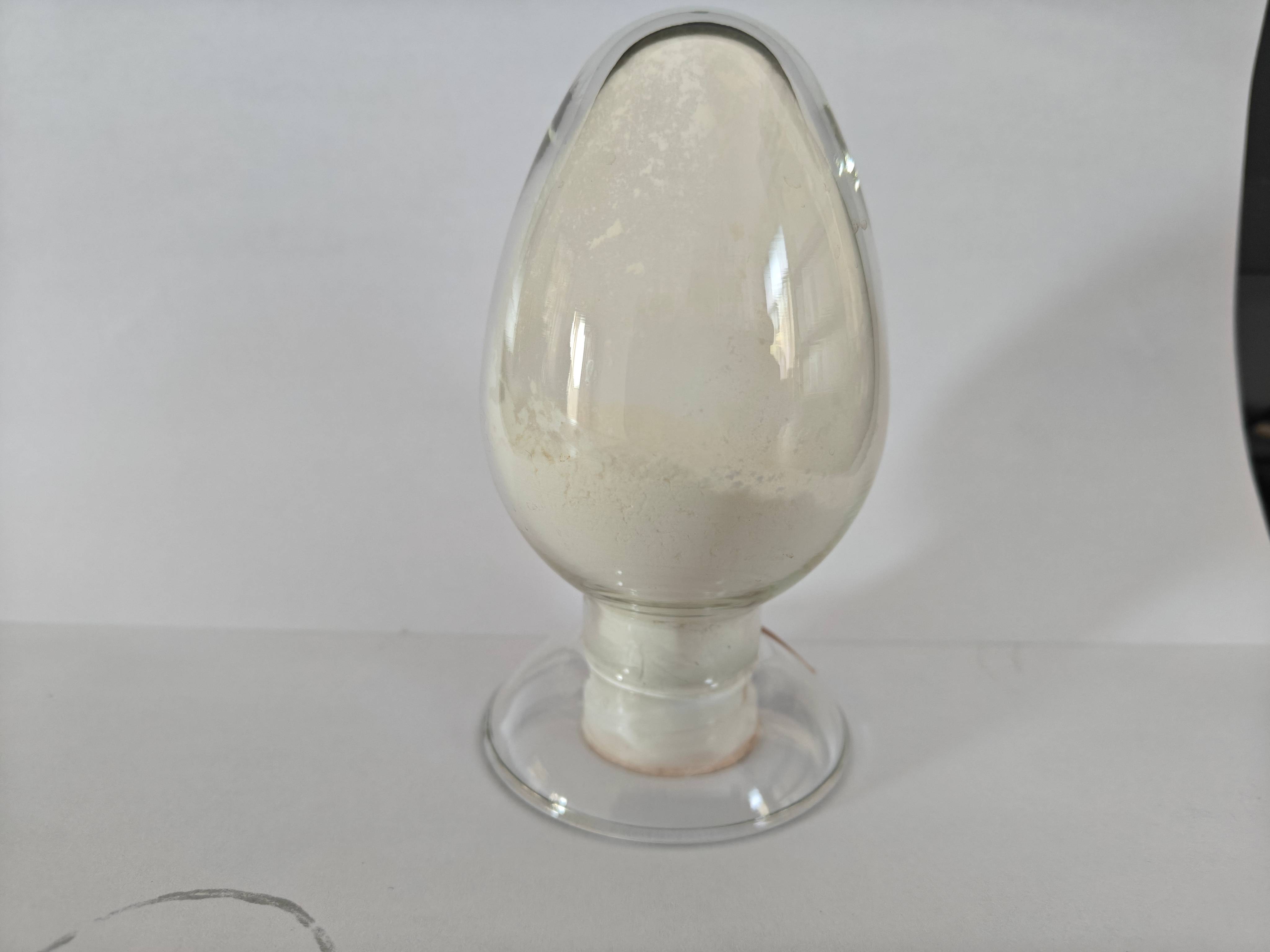
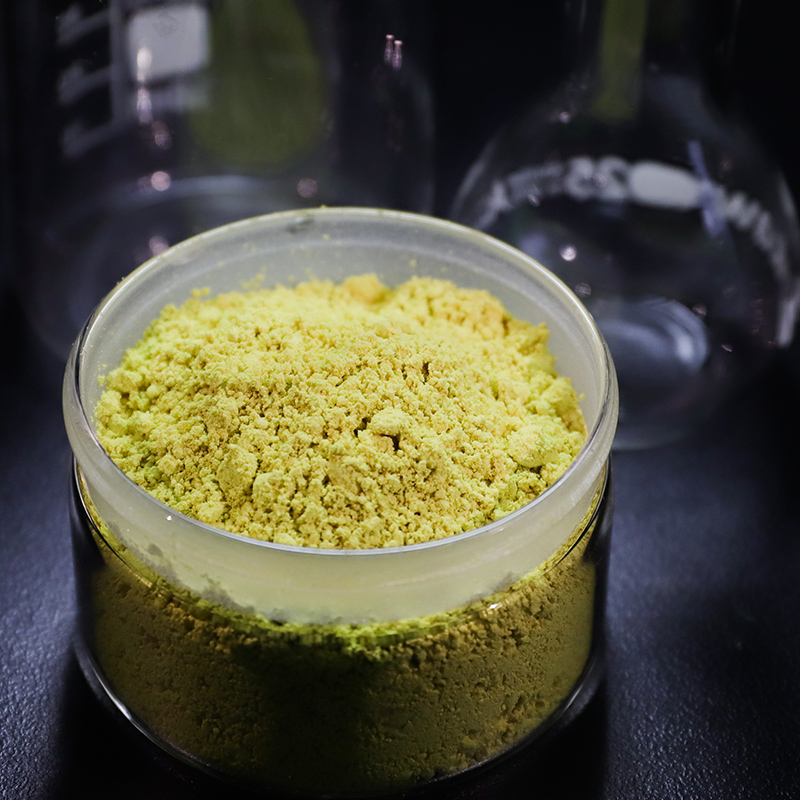
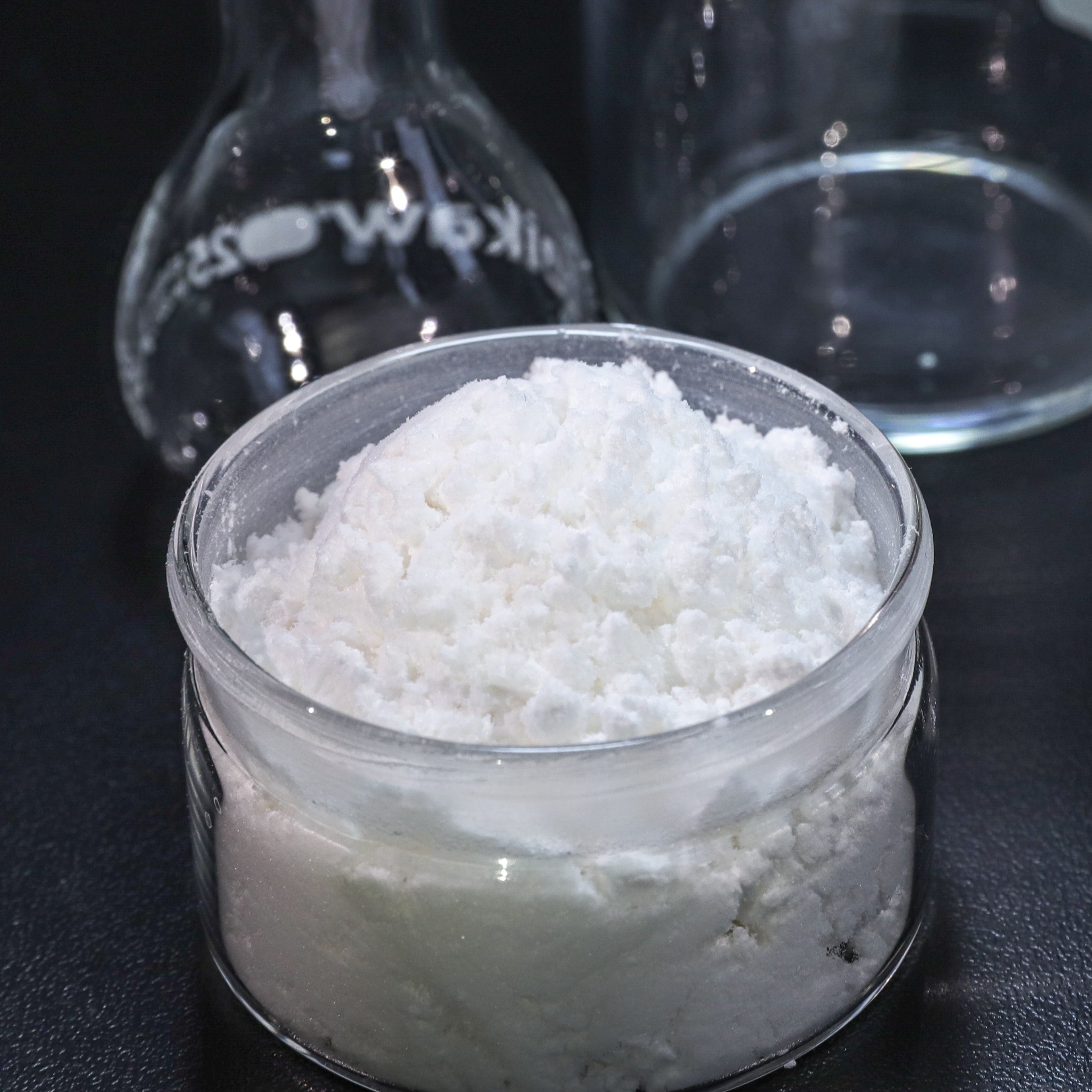
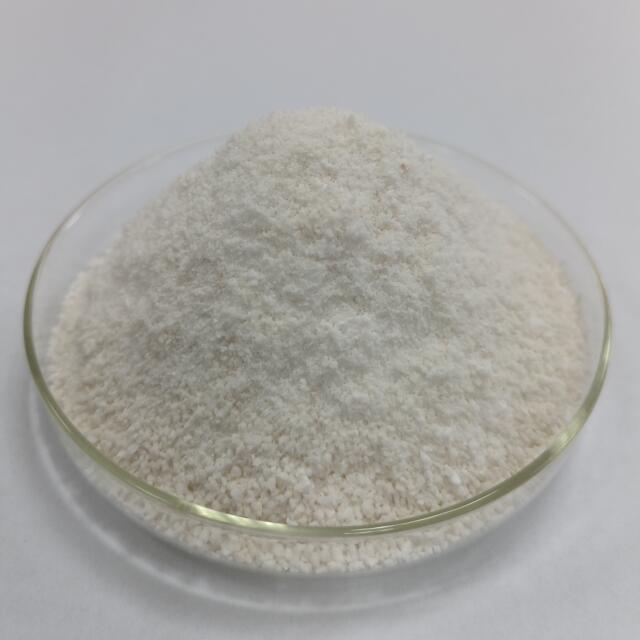
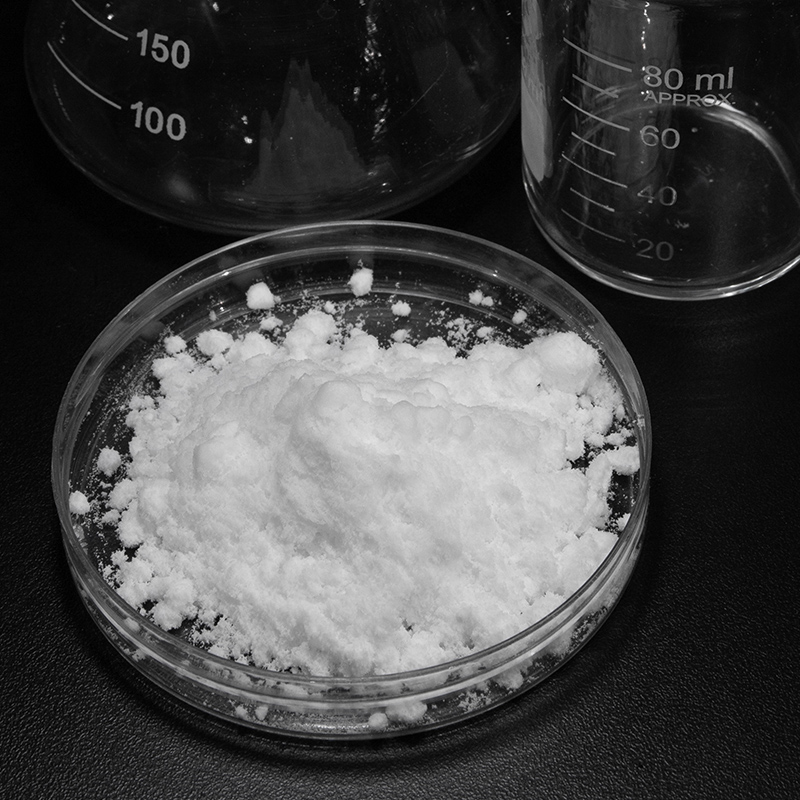
White to off-white or pale yellow powder/crystals |
Melting Point |
158–161°C |
Solubility |
Freely soluble in water; soluble in methanol |
Storage Conditions |
Store at room temperature under an inert atmosphere. The product is hygroscopic and should be kept dry. |
Stability |
Stable under recommended storage conditions but hygroscopic. Incompatible with strong oxidizing agents. |
3. Recommended Applications
Biochemistry and Molecular Biology
- Preparation of buffer solutions
- Protein purification and related biochemical applications
Organic Synthesis and Pharmaceutical Research
- Used as a catalyst in the synthesis of 2-substituted benzoxazole and benzothiazole derivatives.
- Serves as an intermediate in the manufacture of imidazole-containing anticancer drugs, antifungal agents, and antibiotics.
- Functions as a ligand, buffer, and catalyst in pharmaceutical synthesis and natural product extraction.
Industrial and Other Applications
- Used in manufacturing processes involving plastics, coatings, textiles, and electronic materials.
- Applied in the production of diagnostic reagents.
4. Precautions
- Moisture Protection: Hygroscopicity is a primary storage concern. The product should be weighed and stored under dry conditions. Keep the container tightly sealed and protect it from moisture.
- Incompatible Materials: Incompatible with strong oxidizing agents. Keep away from oxidizing substances during storage.
- Fire Safety: Classified as a combustible solid. Thermal decomposition during combustion may release hazardous gases, including carbon monoxide, carbon dioxide, hydrogen chloride, and nitrogen oxides.