
 EN
EN
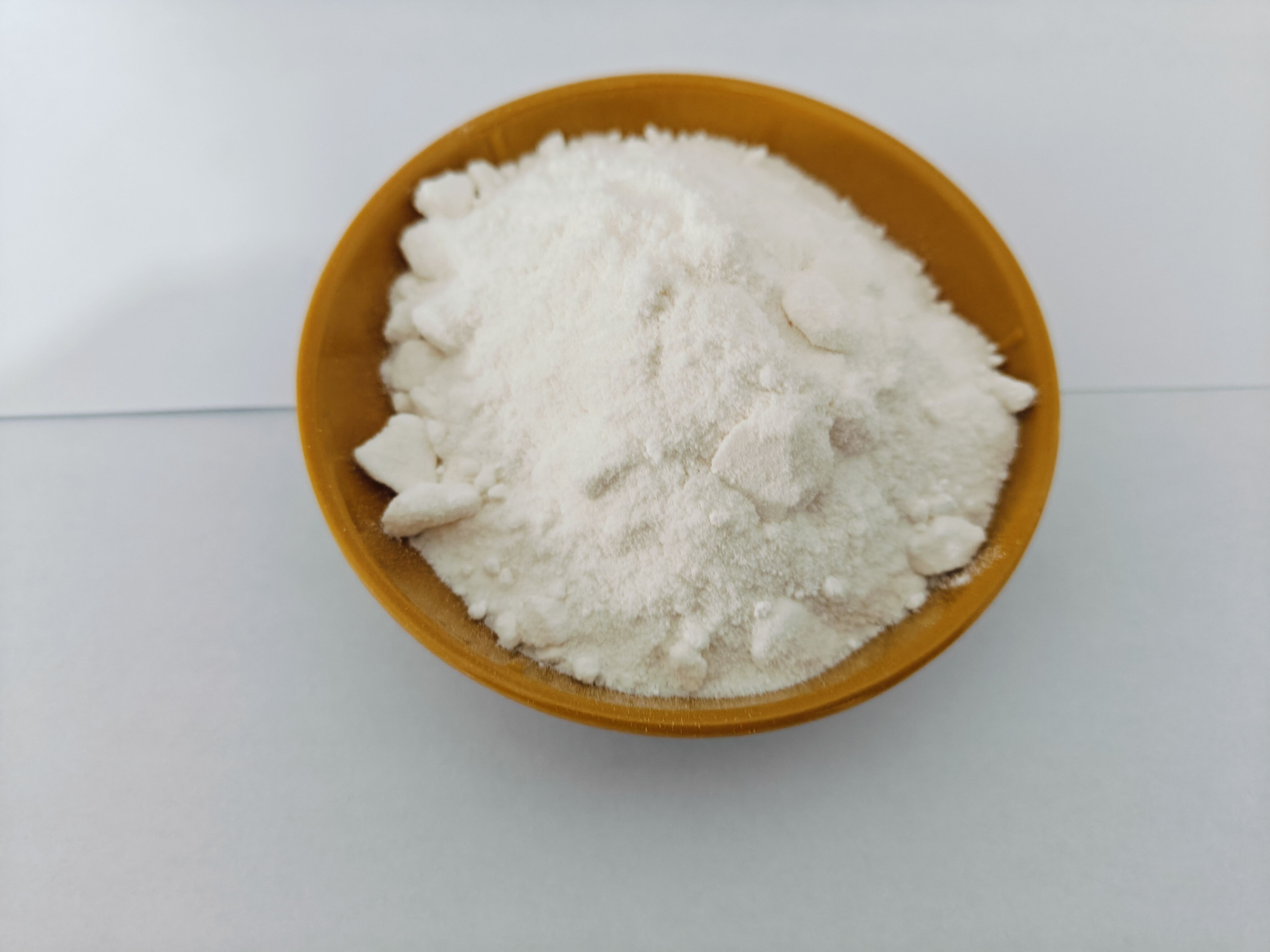
Selecting the right supplier for EMC curing accelerators is a critical decision that directly impacts your manufacturing quality, production efficiency, and overall business success. These specialized chemical compounds play an essential role in the electronic packaging industry, where reliability and performance cannot be compromised. With numerous suppliers claiming to offer premium products, distinguishing between truly reliable partners and those who may fall short of expectations requires careful evaluation of multiple factors.
The electronic packaging sector demands materials that meet stringent specifications while maintaining consistency across production batches. When sourcing EMC curing accelerators, manufacturers must consider not only the chemical properties and performance characteristics but also the supplier's track record, quality assurance processes, and ability to support long-term production requirements. Making an informed choice requires understanding both the technical aspects of these materials and the business dynamics that separate exceptional suppliers from average ones.
Understanding EMC Curing Accelerator Requirements
Chemical Composition and Purity Standards
The foundation of reliable EMC curing accelerators lies in their precise chemical composition and exceptional purity levels. These materials must meet strict specifications to ensure consistent performance in electronic packaging applications. Suppliers should provide detailed analytical certificates that verify the exact molecular structure, impurity levels, and any trace contaminants that could affect curing behavior. Understanding these technical parameters helps manufacturers evaluate whether a supplier's products align with their specific formulation requirements.
Quality EMC curing accelerators typically maintain purity levels exceeding 98%, with controlled moisture content and minimal organic impurities. The manufacturing process used by suppliers directly influences these characteristics, making it essential to understand their production methods and quality control measures. Suppliers who invest in advanced purification techniques and analytical testing equipment demonstrate their commitment to delivering materials that meet the demanding requirements of electronic packaging applications.
Performance Characteristics in Application
Beyond chemical purity, the actual performance of EMC curing accelerators in real-world applications determines their value to manufacturers. Reliable suppliers provide comprehensive performance data including curing kinetics, temperature profiles, and compatibility with various resin systems. This information enables manufacturers to optimize their formulations and processing conditions for maximum efficiency and product quality.
The thermal stability and shelf life of EMC curing accelerators significantly impact production planning and inventory management. Suppliers should offer products with extended storage stability under normal warehouse conditions, along with clear guidelines for optimal storage practices. Additionally, the particle size distribution and physical form of the accelerators can influence mixing characteristics and final product properties, making these factors important considerations in supplier evaluation.
Evaluating Supplier Quality Systems
Manufacturing Standards and Certifications
Reputable suppliers of EMC curing accelerators maintain comprehensive quality management systems that comply with international standards such as ISO 9001 and industry-specific certifications. These certifications demonstrate the supplier's commitment to consistent quality and continuous improvement. Manufacturers should verify that potential suppliers have obtained relevant certifications and regularly undergo third-party audits to maintain their status.
The manufacturing facility itself provides valuable insights into a supplier's capabilities and reliability. Modern production equipment, cleanroom environments where appropriate, and robust process controls indicate a supplier's investment in quality infrastructure. Site visits or virtual facility tours can reveal important details about the supplier's manufacturing practices, safety protocols, and capacity for meeting growing demand.
Quality Control and Testing Protocols
Comprehensive quality control measures distinguish reliable suppliers from those who may compromise on consistency. Effective suppliers implement multiple testing checkpoints throughout their manufacturing process, from raw material inspection to final product verification. They should provide detailed test procedures and be transparent about their analytical methods and acceptance criteria for EMC curing accelerators.
The frequency and scope of quality testing reveal a supplier's commitment to maintaining product consistency. Leading suppliers conduct batch-to-batch analysis, perform accelerated aging studies, and validate their products' performance in customer applications. They should also maintain detailed records of all testing results and be willing to share relevant data with customers to support their qualification processes.
Supply Chain Reliability and Business Continuity
Raw Material Sourcing and Backup Plans
The reliability of EMC curing accelerators suppliers depends heavily on their raw material sourcing strategies and contingency planning. Suppliers who maintain relationships with multiple raw material vendors and hold strategic inventory levels demonstrate better resilience against supply disruptions. Understanding a supplier's sourcing geography and backup plans provides insight into their ability to maintain consistent deliveries during challenging market conditions.
Supply chain transparency becomes increasingly important as global trade complexities continue to evolve. Reliable suppliers should be able to provide clear information about their raw material origins, manufacturing locations, and shipping routes. This transparency enables manufacturers to assess potential risks and develop appropriate contingency plans for their own production requirements.
Inventory Management and Delivery Capabilities
Consistent availability of EMC curing accelerators requires suppliers to maintain appropriate inventory levels while managing costs effectively. Suppliers should demonstrate their ability to forecast demand accurately and maintain sufficient stock to support customer requirements without excessive inventory carrying costs. Their inventory management systems should provide real-time visibility into product availability and delivery schedules.
Geographic distribution capabilities and logistics partnerships significantly impact a supplier's ability to serve customers efficiently. Suppliers with strategically located warehouses and established relationships with reliable freight carriers can offer more flexible delivery options and shorter lead times. These capabilities become particularly valuable during periods of high demand or supply chain disruptions.
Technical Support and Customer Service Excellence
Application Engineering Expertise
Superior suppliers of EMC curing accelerators offer more than just chemical products; they provide valuable technical expertise that helps customers optimize their formulations and processes. This support includes assistance with product selection, formulation development, and troubleshooting production issues. Suppliers with dedicated technical teams and application laboratories can provide practical solutions that enhance manufacturing efficiency and product quality.
The depth of technical knowledge within the supplier's organization reflects their commitment to customer success. Teams with extensive experience in electronic packaging applications can offer insights into emerging trends, regulatory requirements, and best practices that benefit their customers' operations. This expertise becomes particularly valuable when developing new products or adapting to changing market requirements.
Responsiveness and Communication Standards
Effective communication and responsive customer service distinguish exceptional suppliers in the competitive EMC curing accelerators market. Reliable suppliers establish clear communication protocols and maintain dedicated customer service teams that understand the urgency of production requirements. They should provide multiple contact methods and commit to specific response times for different types of inquiries.
The quality of ongoing communication throughout the business relationship indicates a supplier's professionalism and commitment to customer satisfaction. Regular updates on order status, proactive notification of potential issues, and prompt resolution of concerns demonstrate the supplier's dedication to maintaining strong partnerships with their customers.
Cost Considerations and Value Assessment
Pricing Structure and Total Cost Analysis
While price remains an important factor in supplier selection, evaluating the total cost of ownership provides a more accurate assessment of value. This analysis should include not only the unit price of EMC curing accelerators but also factors such as freight costs, inventory carrying costs, quality-related expenses, and the potential cost of supply disruptions. Suppliers offering competitive pricing while maintaining high quality and reliability often provide superior long-term value.
Transparent pricing structures and predictable cost trends help manufacturers plan their budgets and maintain competitive positioning. Suppliers should be able to explain their pricing methodology and provide visibility into factors that may influence future price changes. Long-term pricing agreements or volume-based pricing tiers can offer additional value for manufacturers with consistent demand patterns.
Return on Investment Through Partnership
The best supplier relationships generate measurable returns through improved efficiency, reduced waste, and enhanced product quality. Suppliers who invest in understanding their customers' operations and challenges can often identify opportunities for cost savings or performance improvements. These value-added services may include process optimization recommendations, formulation improvements, or assistance with regulatory compliance.
Long-term partnerships with reliable suppliers often yield benefits that extend beyond immediate cost considerations. Collaborative relationships can lead to joint development projects, preferential access to new products, and enhanced supply security during market disruptions. These strategic advantages can provide competitive benefits that justify premium pricing for superior suppliers.
Due Diligence and Supplier Assessment Process
Reference Verification and Industry Reputation
Thorough reference checking provides valuable insights into a supplier's actual performance and reliability with EMC curing accelerators. Speaking with existing customers can reveal important details about product consistency, service quality, and the supplier's ability to handle challenging situations. Industry associations, trade publications, and professional networks can provide additional perspectives on supplier reputation and market standing.
The length and depth of customer relationships often indicate supplier reliability and performance. Suppliers who maintain long-term partnerships with major manufacturers demonstrate their ability to meet demanding requirements consistently over time. These established relationships also suggest that the supplier invests in continuous improvement and adapts to changing customer needs.
Financial Stability and Business Viability
Assessing the financial health and business stability of potential EMC curing accelerators suppliers protects against supply disruptions due to business failures or financial difficulties. This evaluation should include reviewing financial statements, credit ratings, and business growth trends. Suppliers with strong financial foundations and diverse customer bases typically offer greater supply security and investment capacity for ongoing improvements.
The supplier's investment in research and development, facility improvements, and market expansion indicates their commitment to long-term success in the EMC curing accelerators market. Companies that consistently reinvest in their capabilities and adapt to market changes demonstrate the business viability necessary for reliable long-term partnerships.
FAQ
What are the most important quality certifications to look for in an EMC curing accelerators supplier?
Key certifications include ISO 9001 for quality management systems, ISO 14001 for environmental management, and industry-specific certifications such as IATF 16949 for automotive applications. Additionally, suppliers should maintain proper chemical handling certifications and comply with relevant regulations such as REACH, RoHS, and local environmental standards. These certifications demonstrate the supplier's commitment to quality, safety, and regulatory compliance.
How can I verify the technical capabilities of a potential EMC curing accelerators supplier?
Request detailed technical data sheets, analytical certificates, and performance test results for their EMC curing accelerators products. Ask for references from customers in similar applications and inquire about their technical support team's qualifications and experience. Consider requesting samples for your own evaluation and testing. A site visit or virtual facility tour can also provide valuable insights into their technical capabilities and manufacturing processes.
What should I include in a supplier qualification process for EMC curing accelerators?
A comprehensive qualification process should evaluate product quality and consistency, manufacturing capabilities, quality management systems, supply chain reliability, technical support capabilities, and financial stability. Include material testing and approval procedures, supplier audits or assessments, reference checks with existing customers, and evaluation of their ability to meet your specific volume and delivery requirements. Document all findings and establish clear acceptance criteria before beginning the evaluation.
How do I balance cost considerations with quality requirements when selecting an EMC curing accelerators supplier?
Focus on total cost of ownership rather than just unit price, considering factors such as product yield, processing efficiency, quality consistency, technical support value, and supply reliability. Calculate the potential costs of quality issues, supply disruptions, or technical problems that could result from choosing a lower-quality supplier. Often, paying a modest premium for a reliable supplier with superior products and service yields better long-term value through reduced risk and improved operational efficiency.
Table of Contents
- Understanding EMC Curing Accelerator Requirements
- Evaluating Supplier Quality Systems
- Supply Chain Reliability and Business Continuity
- Technical Support and Customer Service Excellence
- Cost Considerations and Value Assessment
- Due Diligence and Supplier Assessment Process
-
FAQ
- What are the most important quality certifications to look for in an EMC curing accelerators supplier?
- How can I verify the technical capabilities of a potential EMC curing accelerators supplier?
- What should I include in a supplier qualification process for EMC curing accelerators?
- How do I balance cost considerations with quality requirements when selecting an EMC curing accelerators supplier?