
 EN
EN
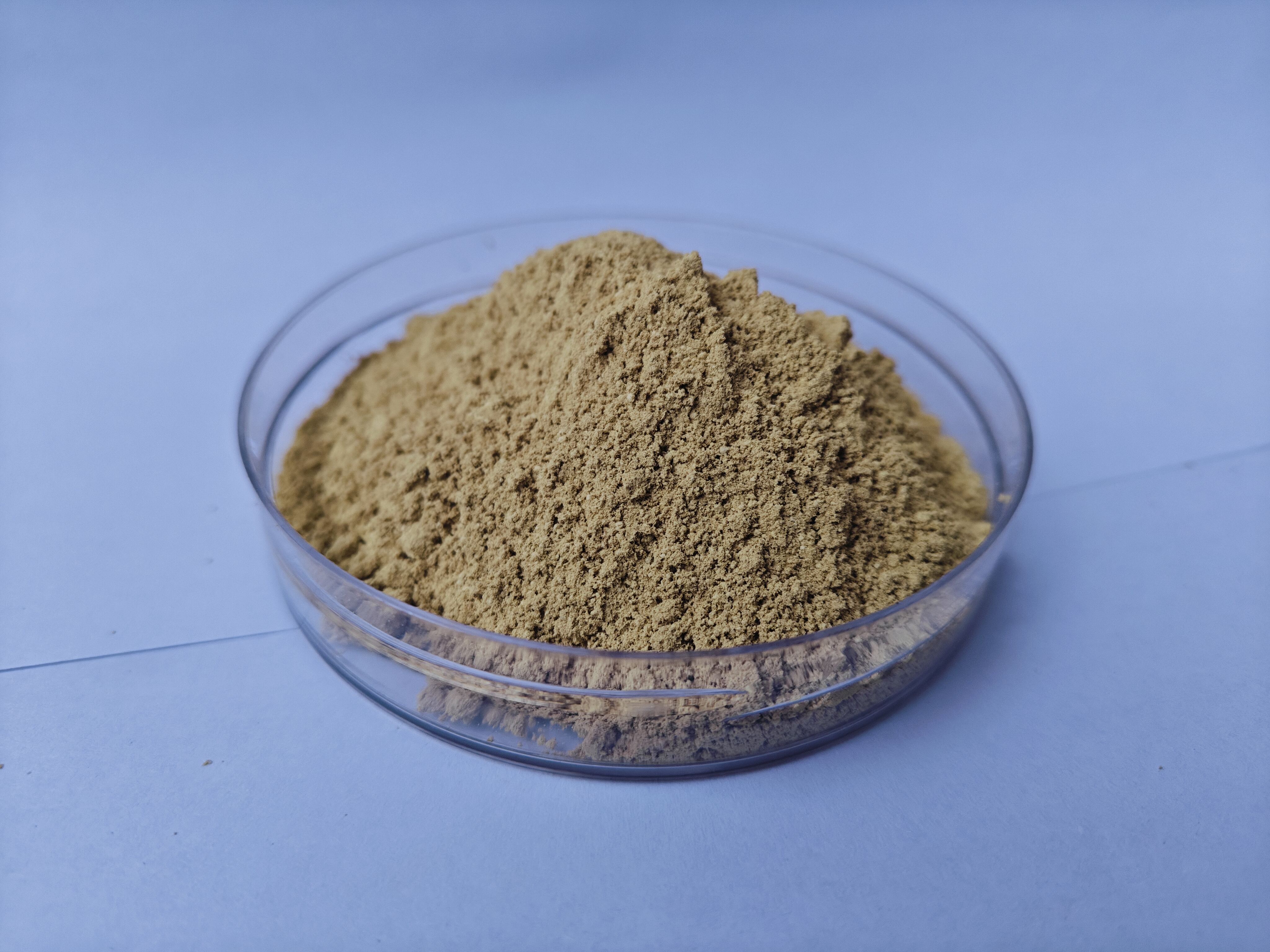
Semiconductor packaging has evolved significantly over the past decade, with manufacturers constantly seeking innovative solutions to reduce defects and improve reliability. Among the emerging materials gaining attention is TPTPBQ, a specialized compound that addresses critical challenges in semiconductor assembly processes. This advanced material offers unique properties that help minimize common packaging defects while enhancing overall product performance and manufacturing efficiency.
Understanding TPTPBQ in Semiconductor Applications
Chemical Composition and Properties
TPTPBQ represents a breakthrough in semiconductor packaging materials, combining exceptional thermal stability with superior chemical resistance. The compound exhibits remarkable compatibility with various substrate materials commonly used in semiconductor manufacturing. Its molecular structure provides enhanced adhesion properties while maintaining flexibility under thermal cycling conditions. These characteristics make it particularly valuable in high-performance packaging applications where reliability is paramount.
The material demonstrates excellent dielectric properties, which are crucial for preventing electrical interference in densely packed semiconductor devices. Its low outgassing characteristics ensure minimal contamination during the packaging process, reducing the likelihood of defects caused by volatile compounds. Additionally, TPTPBQ maintains its structural integrity across a wide temperature range, making it suitable for both consumer electronics and industrial applications.
Integration with Modern Packaging Technologies
Modern semiconductor packaging requires materials that can adapt to increasingly complex geometries and smaller form factors. TPTPBQ addresses these challenges through its exceptional processability and compatibility with automated manufacturing systems. The material flows uniformly during application, ensuring consistent coverage and minimizing the formation of voids or air bubbles that could compromise package integrity.
The compound's curing characteristics allow for precise control over processing parameters, enabling manufacturers to optimize their production cycles for maximum efficiency. Its compatibility with existing equipment reduces the need for costly upgrades while improving overall yield rates. This seamless integration capability makes TPTPBQ an attractive option for facilities looking to enhance their packaging processes without significant infrastructure changes.
Defect Reduction Mechanisms
Thermal Management Benefits
One of the primary ways TPTPBQ reduces packaging defects is through superior thermal management capabilities. The material exhibits low thermal expansion coefficients, which minimize stress-induced failures during temperature cycling. This property is particularly important in automotive and aerospace applications where devices experience extreme temperature variations throughout their operational lifetime.
The compound's thermal conductivity properties facilitate efficient heat dissipation, preventing localized hot spots that can lead to premature component failure. By maintaining more uniform temperature distributions within the package, TPTPBQ helps preserve the integrity of sensitive semiconductor junctions and interconnects. This thermal stability translates directly into improved device reliability and extended operational lifespans.
Moisture Protection and Chemical Resistance
Moisture ingress represents a significant threat to semiconductor device reliability, often leading to corrosion, delamination, and electrical failures. TPTPBQ provides exceptional moisture barrier properties, creating an effective seal that prevents environmental humidity from reaching sensitive components. The material's hydrophobic characteristics repel water molecules while maintaining permeability to gases that need to escape during curing processes.
Chemical resistance is another critical factor in defect prevention, as semiconductor packages may encounter various corrosive substances during their operational lifetime. TPTPBQ demonstrates remarkable stability when exposed to common industrial chemicals, cleaning solvents, and atmospheric pollutants. This resistance helps maintain package integrity over extended periods, reducing the likelihood of chemical-induced degradation that could compromise device performance.
Manufacturing Process Optimization
Application Techniques and Best Practices
Successful implementation of TPTPBQ in semiconductor packaging requires careful attention to application techniques and process optimization. The material's rheological properties allow for various dispensing methods, including screen printing, needle dispensing, and automated jetting systems. Each application method requires specific parameter adjustments to achieve optimal results and minimize defect formation.
Process control becomes crucial when working with TPTPBQ, as variations in temperature, humidity, and application speed can significantly impact final product quality. Manufacturers must establish robust quality control procedures that monitor these parameters continuously throughout the production cycle. Proper training of personnel and regular equipment calibration ensure consistent application results and minimize human error factors that could lead to defects.
Quality Control and Testing Protocols
Implementing comprehensive quality control measures is essential for maximizing the defect reduction benefits of TPTPBQ in semiconductor packaging applications. Non-destructive testing methods, such as X-ray inspection and acoustic microscopy, can identify potential issues before they manifest as functional failures. These testing protocols should be integrated into the production workflow to ensure early detection and correction of any packaging anomalies.
Statistical process control methods help manufacturers track performance trends and identify opportunities for continuous improvement. By analyzing defect patterns and correlating them with process variables, facilities can optimize their TPTPBQ application procedures to achieve consistently low defect rates. Regular audits and process reviews ensure that quality standards are maintained over time and that any emerging issues are addressed promptly.
Industry Applications and Case Studies
Automotive Semiconductor Packaging
The automotive industry presents unique challenges for semiconductor packaging due to harsh operating environments and stringent reliability requirements. TPTPBQ has proven particularly effective in automotive applications where devices must withstand extreme temperatures, vibration, and chemical exposure. Several major automotive semiconductor manufacturers have reported significant reductions in field failures after implementing TPTPBQ in their packaging processes.
Case studies from automotive applications demonstrate improved thermal cycling performance and enhanced resistance to under-hood environmental conditions. The material's ability to maintain adhesion under thermal stress has reduced instances of die attach failures and wire bond degradation. These improvements translate into increased customer satisfaction and reduced warranty costs for automotive manufacturers.
Consumer Electronics and Mobile Devices
Consumer electronics manufacturing demands high-volume production capabilities combined with excellent quality and reliability. TPTPBQ addresses these requirements through its compatibility with high-speed automated assembly processes and consistent performance characteristics. Mobile device manufacturers have particularly benefited from the material's ability to protect sensitive components in increasingly compact package designs.
The miniaturization trend in consumer electronics has created new challenges for packaging materials, requiring enhanced performance in smaller spaces. TPTPBQ meets these demands through its low-profile application capability and excellent gap-filling properties. These characteristics enable manufacturers to achieve reliable packaging in ultra-thin form factors while maintaining the performance standards expected by consumers.
Future Developments and Innovations
Advanced Formulations and Enhancements
Research and development efforts continue to advance TPTPBQ formulations, focusing on enhanced performance characteristics and expanded application capabilities. New variants under development promise improved thermal conductivity, lower curing temperatures, and enhanced compatibility with emerging packaging technologies. These developments will further expand the material's applicability and effectiveness in defect reduction.
Collaborative efforts between material suppliers and semiconductor manufacturers are driving innovation in TPTPBQ applications. These partnerships facilitate the development of application-specific formulations that address unique packaging challenges faced by different industry segments. Such collaborative approaches ensure that future developments align with real-world manufacturing requirements and deliver tangible benefits in defect reduction.
Integration with Next-Generation Technologies
As semiconductor packaging technologies continue to evolve, TPTPBQ must adapt to support new packaging architectures and manufacturing processes. Research efforts focus on compatibility with advanced packaging concepts such as fan-out wafer-level packaging, 2.5D and 3D integration, and heterogeneous integration approaches. These developments ensure that TPTPBQ remains relevant and effective as packaging technologies advance.
The integration of artificial intelligence and machine learning in manufacturing processes presents new opportunities for optimizing TPTPBQ applications. Smart process control systems can analyze real-time data to adjust application parameters automatically, minimizing defects and maximizing yield rates. These technological advances promise to unlock additional benefits from TPTPBQ implementation while reducing the complexity of process optimization.
FAQ
What makes TPTPBQ more effective than traditional packaging materials
TPTPBQ offers superior thermal stability, moisture resistance, and chemical compatibility compared to traditional packaging materials. Its unique molecular structure provides enhanced adhesion properties while maintaining flexibility under stress conditions. The material also demonstrates lower outgassing characteristics and better compatibility with automated manufacturing processes, resulting in fewer defects and improved overall reliability.
How does TPTPBQ impact manufacturing costs and efficiency
While TPTPBQ may have a higher initial material cost, it typically reduces overall manufacturing expenses through improved yield rates and reduced rework requirements. The material's compatibility with existing equipment minimizes capital investment needs, and its consistent performance characteristics reduce process variability. These factors combine to deliver favorable total cost of ownership for manufacturers implementing TPTPBQ in their packaging processes.
What quality control measures are necessary when using TPTPBQ
Successful TPTPBQ implementation requires comprehensive quality control protocols including incoming material inspection, process parameter monitoring, and finished product testing. Non-destructive testing methods such as X-ray inspection and acoustic microscopy are particularly valuable for detecting potential issues. Statistical process control methods help track performance trends and identify optimization opportunities throughout the production cycle.
Is TPTPBQ suitable for all types of semiconductor packaging applications
TPTPBQ is highly versatile and suitable for most semiconductor packaging applications, including automotive, consumer electronics, industrial, and aerospace segments. However, specific application requirements should be evaluated to ensure optimal formulation selection. Material suppliers typically offer various TPTPBQ grades optimized for different performance requirements and processing conditions to meet diverse application needs.