
 EN
EN
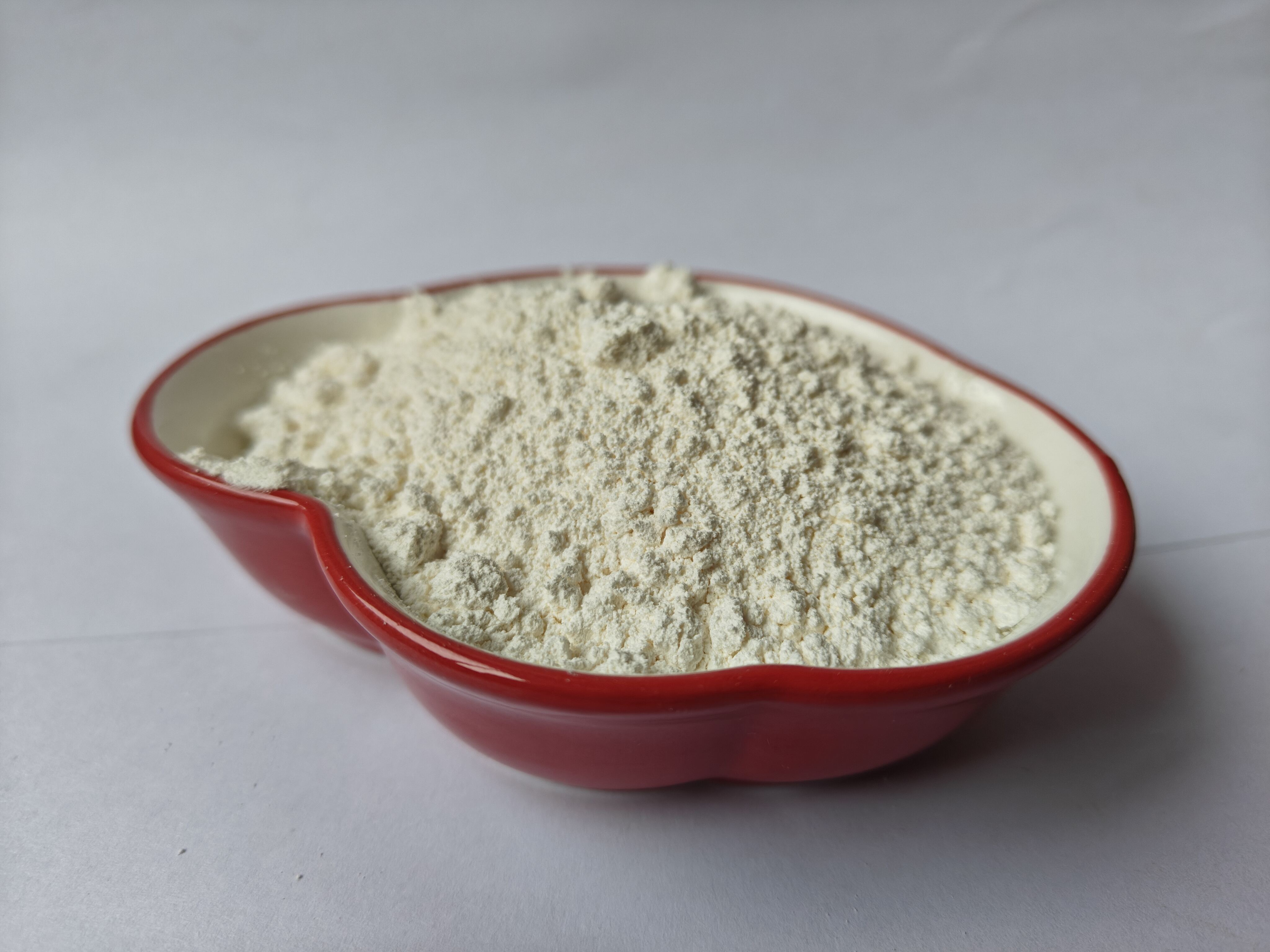
Epoxy resins have become indispensable materials across aerospace, automotive, electronics, and construction industries due to their exceptional adhesive properties, chemical resistance, and mechanical strength. However, the performance characteristics of these thermosetting polymers are fundamentally determined by the selection and application of appropriate epoxy curing agents. These chemical compounds initiate and control the crosslinking process that transforms liquid epoxy monomers into solid, three-dimensional networks with specific thermal and mechanical properties tailored to demanding industrial applications.
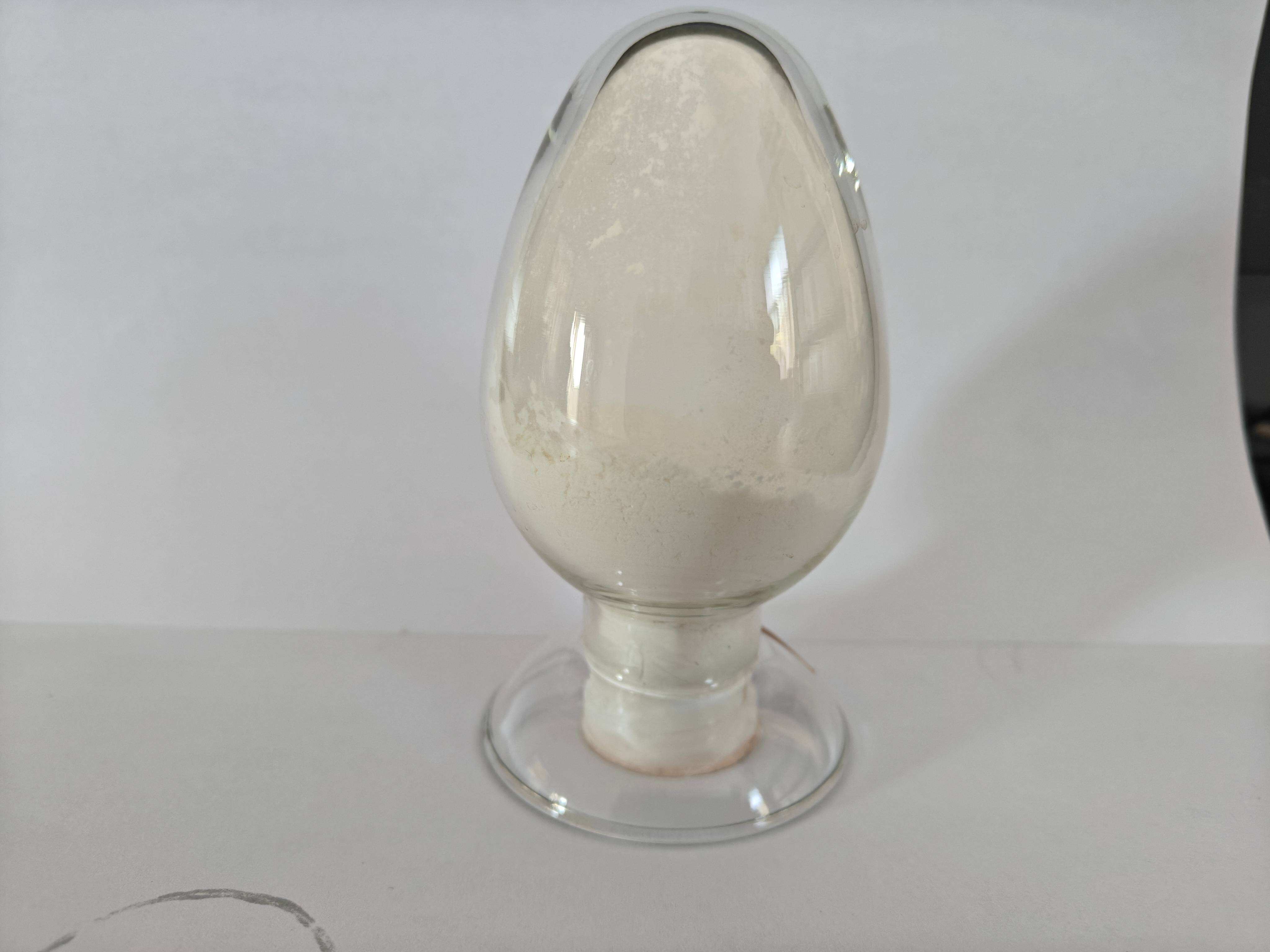
The chemistry behind epoxy curing involves complex reactions between epoxide groups and various hardening agents, creating permanent chemical bonds that determine the final polymer structure. Different types of epoxy curing agents produce distinctly different material properties, making the selection process critical for achieving desired performance outcomes. Understanding these relationships enables engineers and material scientists to optimize formulations for specific environmental conditions, load requirements, and processing constraints.
Modern industrial applications demand epoxy systems with precisely controlled thermal stability, mechanical strength, and chemical resistance properties. The choice of curing agent directly influences glass transition temperature, tensile strength, flexural modulus, and impact resistance of the final composite material. This comprehensive understanding of curing agent effects allows manufacturers to develop specialized formulations for high-temperature aerospace components, structural adhesives, electronic encapsulants, and protective coatings.
Chemical Classifications and Reaction Mechanisms
Amine-Based Curing Systems
Aliphatic and aromatic amine compounds represent the most widely used categories of epoxy curing agents in industrial applications. Primary amines react with epoxide groups through nucleophilic ring-opening reactions, forming secondary alcohols and secondary amine groups that can further react with additional epoxide functionalities. This step-growth polymerization mechanism creates highly crosslinked networks with excellent mechanical properties and chemical resistance characteristics.
The reactivity of different amine structures varies significantly based on electronic and steric factors. Aliphatic diamines typically provide faster curing rates at ambient temperatures, while aromatic amines offer superior thermal stability and chemical resistance in the cured polymer network. Cycloaliphatic amines combine moderate reactivity with enhanced thermal performance, making them ideal for applications requiring elevated service temperatures.
Secondary amines exhibit different reaction kinetics compared to primary amines, often requiring elevated temperatures for complete curing. However, these epoxy curing agents frequently provide improved flexibility and impact resistance in the final polymer structure. The selection between primary and secondary amine systems depends on processing requirements, desired mechanical properties, and service environment specifications.
Imidazole Curing Catalysts
Imidazole compounds function as latent curing catalysts that remain relatively inactive at ambient temperatures but rapidly initiate epoxy polymerization when heated above specific activation temperatures. These materials offer exceptional storage stability in one-component epoxy formulations while providing fast curing rates and excellent thermal properties once activated. The catalytic mechanism involves the formation of alkoxide anions that propagate the ring-opening polymerization of epoxide groups.
Substituted imidazoles provide varying degrees of catalytic activity and activation temperatures, allowing formulators to tailor curing profiles for specific processing requirements. Methylimidazole derivatives are particularly effective for high-temperature applications, while phenyl-substituted variants offer enhanced thermal stability and improved mechanical properties in the cured resin system.
The concentration of imidazole catalysts significantly affects curing kinetics and final polymer properties. Higher catalyst loadings accelerate curing reactions but may reduce pot life and working time. Optimal concentrations typically range from 1-5% by weight, depending on the specific imidazole structure and desired processing characteristics.
Thermal Property Optimization
Glass Transition Temperature Control
Glass transition temperature represents a critical thermal property that determines the upper service temperature limit for epoxy materials. The selection of epoxy curing agents directly influences the crosslink density and molecular mobility within the polymer network, thereby controlling the glass transition behavior. Rigid aromatic curing agents typically produce higher glass transition temperatures compared to flexible aliphatic systems.
Crosslink density plays a fundamental role in determining thermal properties, with higher crosslink densities generally correlating with elevated glass transition temperatures. However, excessive crosslinking can lead to increased brittleness and reduced impact resistance. The optimal balance between thermal performance and mechanical properties requires careful selection of curing agent type, concentration, and curing conditions.
Multi-functional epoxy curing agents create more complex three-dimensional networks with enhanced thermal stability compared to difunctional systems. Trifunctional and tetrafunctional hardeners enable the formation of highly crosslinked structures suitable for high-temperature aerospace and electronic applications. These systems often require elevated curing temperatures to achieve complete reaction and optimal properties.
Thermal Stability and Decomposition Characteristics
Thermal decomposition behavior of cured epoxy systems depends heavily on the chemical structure of the curing agent and the resulting crosslinked network. Aromatic curing agents typically provide superior thermal stability due to the inherent stability of benzene rings and the formation of thermally resistant linkages. Aliphatic systems may exhibit lower decomposition temperatures but often offer better flexibility and impact resistance.
The presence of heteroatoms such as nitrogen, sulfur, or phosphorus in the curing agent structure can significantly influence thermal decomposition pathways and char formation characteristics. Phosphorus-containing epoxy curing agents often exhibit enhanced flame retardancy and improved thermal stability at elevated temperatures, making them suitable for aerospace and electronic applications with stringent fire safety requirements.
Oxidative stability represents another crucial thermal property affected by curing agent selection. Antioxidant functionality can be incorporated into the curing agent structure or added as separate additives to improve long-term thermal aging performance. The combination of appropriate curing agents with stabilizer systems enables the development of epoxy materials suitable for extended high-temperature service.
Mechanical Property Enhancement
Tensile Strength and Modulus Development
The mechanical properties of cured epoxy systems are fundamentally determined by the crosslink density, molecular chain flexibility, and defect concentration within the polymer network. Different epoxy curing agents produce varying degrees of crosslinking and chain extension, directly affecting tensile strength, elastic modulus, and elongation at break characteristics. Rigid aromatic curing agents typically yield higher strength and modulus values compared to flexible aliphatic alternatives.
Stoichiometric ratios between epoxy resin and curing agent significantly impact mechanical property development. Slight excess of curing agent often improves ultimate properties by ensuring complete epoxide conversion, while deficiency can result in unreacted epoxy groups and reduced crosslink density. Optimal ratios must be determined experimentally for each specific resin-hardener combination.
The molecular weight and functionality of epoxy curing agents influence the spacing between crosslinks in the final network structure. Lower molecular weight hardeners create more densely crosslinked networks with higher modulus but potentially reduced toughness. Higher molecular weight systems may offer improved flexibility and impact resistance at the expense of some strength and stiffness properties.
Toughness and Impact Resistance Optimization
Fracture toughness represents a critical mechanical property for structural applications, particularly in aerospace and automotive industries where impact resistance is essential. The selection of appropriate epoxy curing agents can significantly influence crack initiation and propagation characteristics through modifications to the polymer network structure and morphology.
Flexible segments incorporated into the curing agent structure can improve impact resistance by providing energy dissipation mechanisms during loading. Polyether and polyester-modified amines offer enhanced toughness compared to rigid aromatic systems, though often with some reduction in strength and thermal properties. The balance between toughness and other mechanical properties requires careful optimization for specific applications.
Rubber-modified epoxy curing agents represent an advanced approach to toughness enhancement, incorporating elastomeric phases that can undergo plastic deformation and cavitation during fracture processes. These systems require careful processing to achieve optimal morphology and property balance, but can provide significant improvements in impact resistance while maintaining acceptable strength and stiffness characteristics.
Processing Considerations and Optimization
Curing Kinetics and Processing Windows
The reaction kinetics of different epoxy curing agents vary dramatically, affecting processing requirements, pot life, and curing schedules for industrial applications. Fast-reacting systems may require reduced temperatures or shorter working times to prevent premature gelation, while slow-curing formulations may need elevated temperatures or extended cure cycles to achieve complete reaction and optimal properties.
Temperature-dependent reaction rates allow formulators to control processing characteristics by adjusting curing schedules and ambient conditions. Many epoxy curing agents exhibit accelerated reaction rates at elevated temperatures, enabling rapid processing for high-volume manufacturing applications. However, excessive temperatures can lead to thermal degradation or uncontrolled exothermic reactions.
Catalysts and accelerators can modify curing kinetics without changing the fundamental chemistry of the epoxy-hardener reaction. These additives provide additional control over processing parameters while maintaining desired final properties. Careful selection and concentration optimization of catalytic systems enable fine-tuning of cure profiles for specific manufacturing requirements.
Storage Stability and Shelf Life Considerations
The storage stability of epoxy formulations depends significantly on the reactivity and chemical compatibility of the selected curing agents. Highly reactive systems may exhibit limited pot life at ambient temperatures, requiring refrigerated storage or two-component packaging to prevent premature curing. Latent curing agents offer improved storage stability while maintaining rapid curing characteristics when activated.
Moisture sensitivity represents a critical storage consideration for many epoxy curing agents, particularly amine-based systems that can react with atmospheric humidity. Proper packaging, desiccant systems, and storage environment control are essential for maintaining material quality and performance consistency over extended periods.
Chemical compatibility between epoxy resins and curing agents must be evaluated during storage to prevent phase separation, crystallization, or other stability issues. Some combinations may require elevated storage temperatures to maintain homogeneity, while others benefit from ambient or reduced temperature storage conditions.
Industrial Applications and Performance Requirements
Aerospace and High-Temperature Applications
Aerospace applications demand epoxy systems with exceptional thermal stability, mechanical strength, and environmental resistance characteristics. The selection of appropriate epoxy curing agents becomes critical for meeting stringent certification requirements and ensuring long-term reliability under extreme service conditions. High-temperature curing agents such as aromatic diamines and imidazole catalysts are frequently employed to achieve the necessary thermal performance.
Prepreg manufacturing for aerospace composites requires curing agents with controlled reactivity and excellent storage stability. The curing system must remain stable during prepreg production and storage while providing rapid, complete curing during the final consolidation process. Advanced curing agents with tailored reactivity profiles enable optimization of both processing and final properties.
Environmental resistance requirements for aerospace applications include resistance to hydraulic fluids, jet fuels, and extreme temperature cycling. The chemical structure of epoxy curing agents significantly influences the chemical resistance and environmental durability of the final composite material. Careful selection and testing are essential for meeting these demanding service requirements.
Electronics and Encapsulation Applications
Electronic encapsulation applications require epoxy systems with low viscosity for complete component wetting, controlled shrinkage to minimize stress on delicate components, and excellent electrical insulation properties. The selection of epoxy curing agents must consider thermal expansion characteristics, ionic contamination levels, and long-term aging behavior under electrical stress conditions.
Thermal cycling resistance becomes critical for electronic applications exposed to power cycling or environmental temperature variations. Curing agents that produce flexible, low-stress networks help minimize thermal fatigue and extend component reliability. The coefficient of thermal expansion must be carefully matched to substrate materials to prevent delamination or cracking.
Flame retardancy requirements for electronic applications often necessitate the use of specialized epoxy curing agents containing phosphorus, bromine, or other flame-retardant elements. These systems must maintain electrical properties while providing enhanced fire safety characteristics. The balance between flame retardancy and other performance requirements requires careful optimization and testing.
Quality Control and Testing Methodologies
Thermal Analysis Techniques
Differential scanning calorimetry represents the primary analytical technique for characterizing the thermal properties of epoxy systems and evaluating the effects of different curing agents. DSC analysis provides critical information about glass transition temperatures, curing kinetics, and thermal stability characteristics. The technique enables comparison of different epoxy curing agents and optimization of curing schedules for specific applications.
Thermogravimetric analysis complements DSC measurements by providing detailed information about thermal decomposition behavior and high-temperature stability. TGA data helps evaluate the suitability of different curing agents for elevated temperature service and provides insight into degradation mechanisms and char formation characteristics.
Dynamic mechanical analysis offers valuable information about temperature-dependent mechanical properties and viscoelastic behavior of cured epoxy systems. DMA testing reveals the effects of different curing agents on storage modulus, loss modulus, and damping characteristics across a wide temperature range, enabling optimization for specific service conditions.
Mechanical Property Evaluation
Standard mechanical testing protocols including tensile, flexural, and impact testing provide quantitative evaluation of the effects of different epoxy curing agents on structural properties. These tests enable direct comparison of material performance and verification of design requirements for specific applications. Proper specimen preparation and testing conditions are critical for obtaining reliable and reproducible results.
Fracture mechanics testing provides detailed information about toughness and crack resistance characteristics that may not be apparent from standard mechanical tests. Mode I and Mode II fracture toughness measurements help evaluate the suitability of different curing agents for damage-tolerant structural applications.
Long-term aging studies under relevant environmental conditions provide essential data about property retention and durability. Accelerated aging protocols help predict long-term performance and identify potential degradation mechanisms associated with different epoxy curing agents and service environments.
FAQ
What factors should be considered when selecting epoxy curing agents for high-temperature applications
High-temperature applications require careful consideration of glass transition temperature, thermal stability, and oxidation resistance. Aromatic curing agents typically provide superior thermal properties compared to aliphatic alternatives, while imidazole catalysts offer excellent high-temperature performance with good storage stability. The curing agent concentration and curing schedule must be optimized to achieve maximum crosslink density and thermal properties.
How do different curing agents affect the mechanical properties of epoxy systems
Rigid aromatic curing agents generally produce higher strength and modulus values but may reduce impact resistance and flexibility. Flexible aliphatic systems offer improved toughness and elongation characteristics but typically exhibit lower strength and stiffness properties. The molecular weight and functionality of the curing agent significantly influence crosslink density and resulting mechanical properties.
What are the advantages of using latent curing systems in industrial applications
Latent curing systems provide excellent storage stability at ambient temperatures while offering rapid curing when activated by heat or other triggers. These systems enable one-component formulations with extended shelf life and simplified processing requirements. Imidazole catalysts and encapsulated hardeners are common examples of latent curing technologies used in aerospace and electronic applications.
How can processing conditions be optimized for different types of epoxy curing agents
Processing optimization requires understanding the reaction kinetics and temperature sensitivity of specific curing agents. Fast-reacting systems may benefit from reduced temperatures or shorter working times, while slow-curing formulations may require elevated temperatures or extended cure cycles. Catalyst systems can be used to fine-tune curing profiles and achieve optimal processing characteristics for specific manufacturing requirements.
Table of Contents
- Chemical Classifications and Reaction Mechanisms
- Thermal Property Optimization
- Mechanical Property Enhancement
- Processing Considerations and Optimization
- Industrial Applications and Performance Requirements
- Quality Control and Testing Methodologies
-
FAQ
- What factors should be considered when selecting epoxy curing agents for high-temperature applications
- How do different curing agents affect the mechanical properties of epoxy systems
- What are the advantages of using latent curing systems in industrial applications
- How can processing conditions be optimized for different types of epoxy curing agents