
 EN
EN
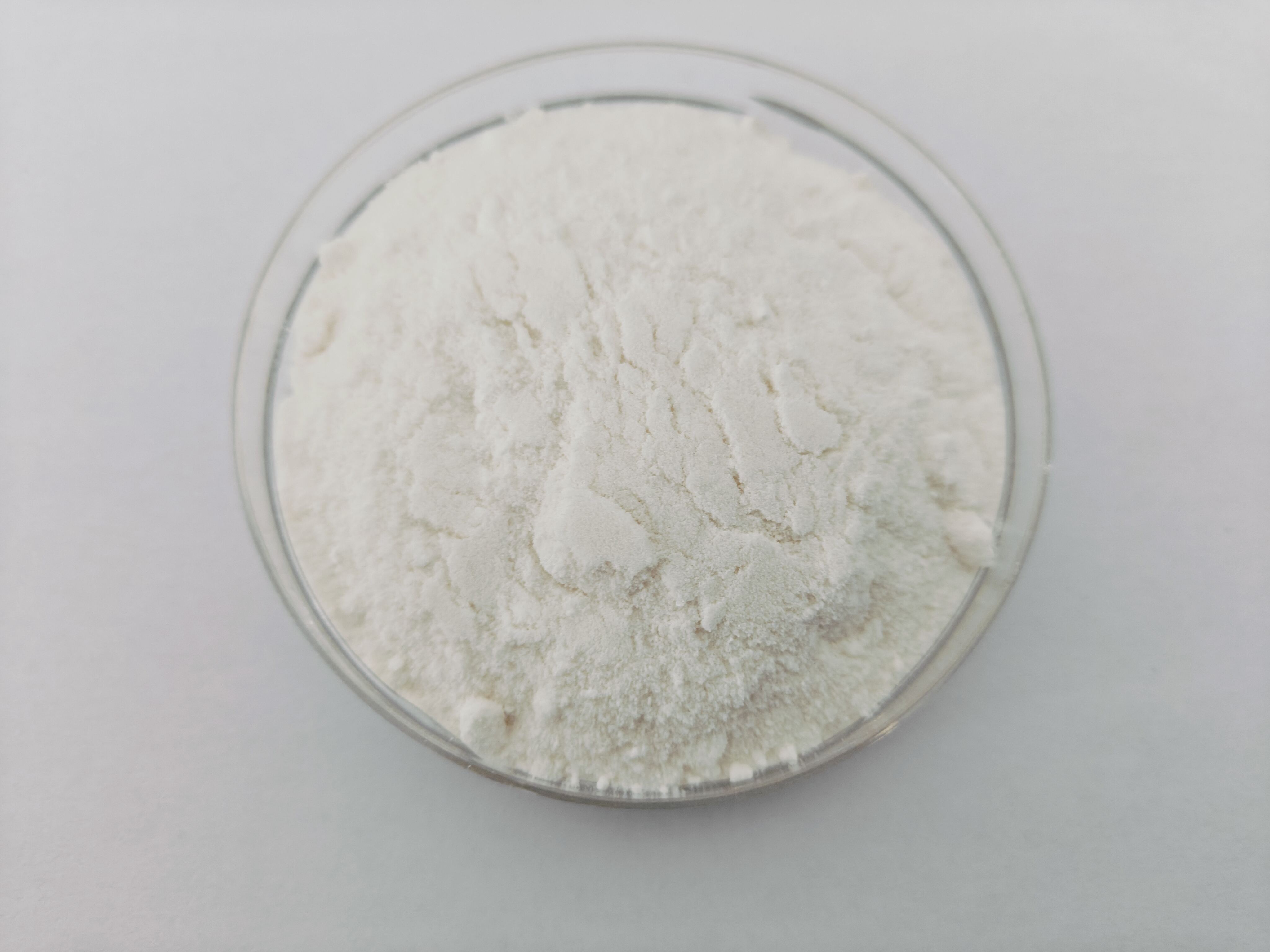
CDI coupling reagents have revolutionized the way researchers and industrial chemists approach amide bond formation and esterification reactions. These versatile compounds, particularly N,N'-carbonyldiimidazole, offer exceptional efficiency in activating carboxylic acids for subsequent coupling reactions. The optimization of CDI coupling reagents spans multiple dimensions, from understanding their mechanistic pathways to implementing best practices for both laboratory and large-scale manufacturing environments. Modern chemical synthesis increasingly relies on these reagents due to their mild reaction conditions, minimal side product formation, and compatibility with sensitive functional groups.
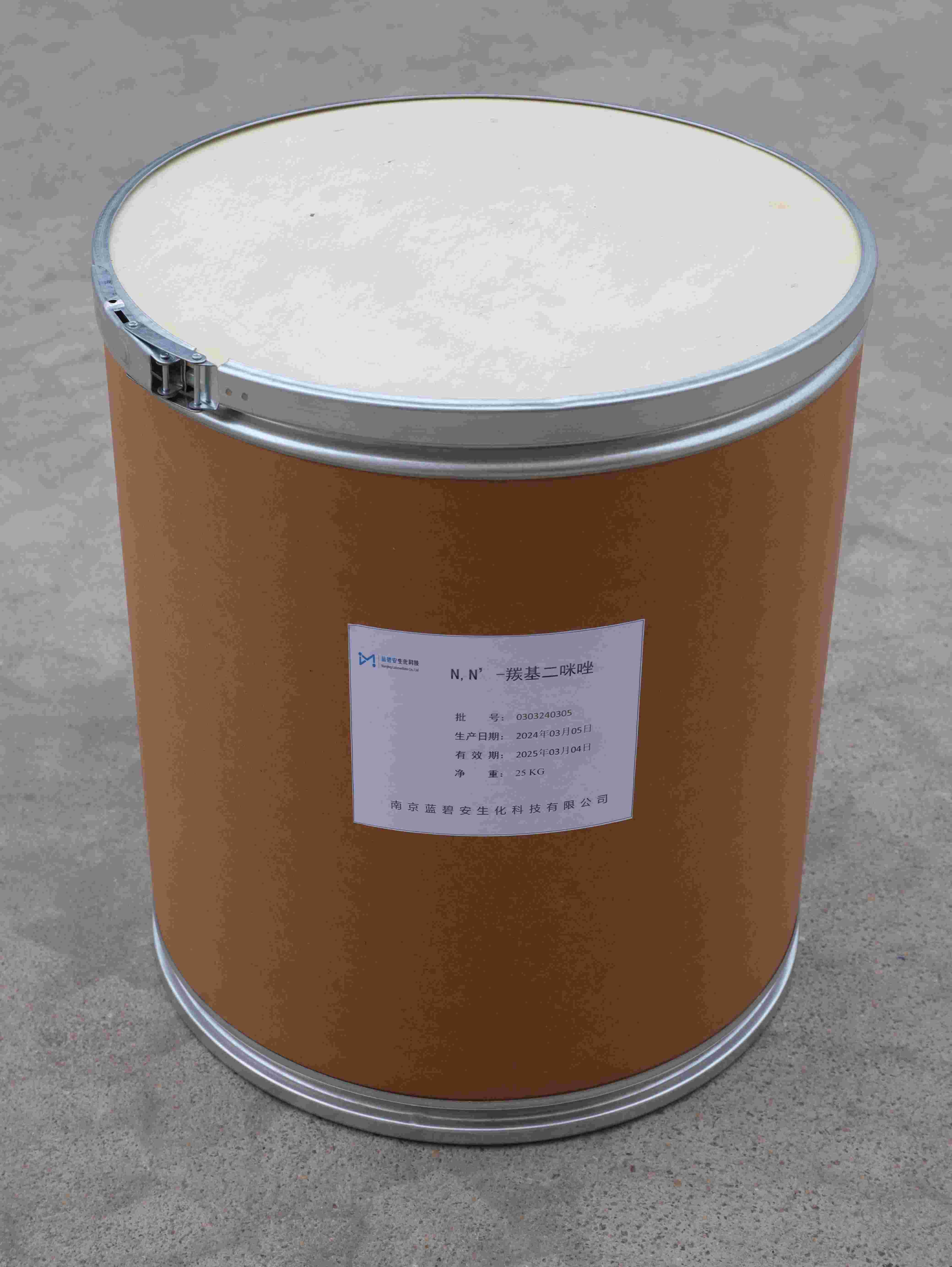
Understanding the Mechanism of CDI Coupling Reagents
Activation Process and Intermediate Formation
The activation mechanism of CDI coupling reagents begins with the nucleophilic attack of a carboxylic acid on the carbonyl carbon of the CDI molecule. This initial step results in the formation of an acylimidazole intermediate, which serves as the key activated species for subsequent coupling reactions. The process involves the displacement of one imidazole group, creating a highly reactive carbonyl derivative that exhibits enhanced electrophilicity compared to the original carboxylic acid. This activation strategy proves particularly valuable because the acylimidazole intermediate maintains stability under ambient conditions while remaining sufficiently reactive for efficient coupling with nucleophiles.
The thermodynamic driving force behind this activation process stems from the exceptional leaving group ability of imidazole, which possesses a pKa value that facilitates smooth displacement reactions. CDI coupling reagents exploit this characteristic to create activated intermediates that readily undergo nucleophilic substitution with amines, alcohols, and other nucleophilic species. Understanding this mechanistic foundation enables chemists to predict reaction outcomes and optimize conditions for specific synthetic targets.
Selectivity and Chemoselectivity Considerations
The selectivity profile of CDI coupling reagents distinguishes them from alternative coupling agents in several important aspects. These reagents demonstrate remarkable chemoselectivity toward carboxylic acid activation, rarely interfering with other functional groups present in complex molecular frameworks. The mild conditions required for CDI activation minimize the risk of racemization at stereogenic centers, making these reagents particularly valuable for peptide synthesis and the preparation of optically active compounds.
Furthermore, CDI coupling reagents exhibit predictable regioselectivity patterns when dealing with polycarboxylic acids or substrates containing multiple reactive sites. The steric and electronic factors that govern selectivity can be manipulated through careful choice of reaction conditions, solvent systems, and temperature profiles. This level of control enables synthetic chemists to achieve high yields of desired products while minimizing the formation of unwanted regioisomers or side products.
Laboratory-Scale Optimization Strategies
Solvent Selection and Reaction Conditions
Optimal solvent selection represents a critical factor in maximizing the efficiency of CDI coupling reagents at laboratory scale. Aprotic polar solvents such as dimethylformamide, dimethyl sulfoxide, and tetrahydrofuran generally provide the most favorable environments for CDI activation and subsequent coupling reactions. These solvents effectively solubilize both the CDI reagent and typical organic substrates while avoiding competitive nucleophilic interactions that might interfere with the desired coupling process.
Temperature control plays an equally important role in laboratory optimization protocols. Most CDI coupling reagents perform optimally at temperatures ranging from room temperature to 60°C, depending on the specific substrate requirements and desired reaction kinetics. Lower temperatures often provide enhanced selectivity and reduced side product formation, while elevated temperatures may be necessary for sluggish coupling partners or when shortened reaction times are desired. The careful balance between reaction rate and selectivity requires systematic evaluation for each specific synthetic application.
Stoichiometry and Reagent Ratios
The stoichiometric relationships between CDI coupling reagents, carboxylic acid substrates, and nucleophilic coupling partners significantly impact both reaction efficiency and economic considerations. Typical protocols employ slight excesses of CDI relative to the carboxylic acid component, usually in the range of 1.1 to 1.3 equivalents, to ensure complete activation while minimizing reagent waste. This approach accounts for potential hydrolysis of the CDI reagent and ensures that activation proceeds to completion even with less reactive carboxylic acid substrates.
The timing of nucleophile addition also influences coupling efficiency and product quality. Pre-activation protocols, where the carboxylic acid is first treated with CDI coupling reagents to form the acylimidazole intermediate before nucleophile introduction, often provide superior results compared to one-pot procedures. This sequential approach allows for complete activation and can be monitored through spectroscopic techniques to confirm intermediate formation before proceeding to the coupling step.
Industrial Scale Implementation
Process Development and Scale-Up Considerations
The transition from laboratory to industrial scale applications of CDI coupling reagents requires careful attention to heat management, mixing efficiency, and safety considerations. Industrial reactors must accommodate the exothermic nature of both the activation and coupling steps while maintaining uniform temperature distribution throughout the reaction mixture. The design of cooling systems and heat removal strategies becomes particularly critical when processing large batches, as thermal runaway scenarios can lead to decomposition of CDI coupling reagents and formation of undesired byproducts.
Mixing dynamics at industrial scale present unique challenges that differ significantly from laboratory stirring systems. The formation of acylimidazole intermediates requires intimate contact between the carboxylic acid substrate and CDI coupling reagents, necessitating robust agitation systems that can maintain homogeneous reaction conditions throughout large-volume reactors. Mass transfer limitations can become significant at industrial scale, potentially leading to incomplete activation or extended reaction times if not properly addressed through reactor design and mixing optimization.
Economic and Environmental Considerations
Industrial implementation of CDI coupling reagents must balance synthetic efficiency with economic viability and environmental impact. The relatively high cost of CDI reagents compared to alternative coupling agents requires careful evaluation of the overall process economics, including yield improvements, reduced purification requirements, and minimized waste generation. Many industrial applications justify the higher reagent costs through improved product quality, shorter cycle times, and reduced downstream processing requirements.
Environmental considerations include the management of imidazole byproducts generated during CDI coupling reactions. These nitrogen-containing compounds require appropriate treatment before disposal and may necessitate specialized waste handling protocols. However, the mild reaction conditions and minimal side product formation associated with CDI coupling reagents often result in cleaner reaction profiles and reduced environmental burden compared to alternative coupling methodologies that require harsh conditions or generate problematic waste streams.
Optimization Parameters and Quality Control
Analytical Monitoring and Process Control
Effective utilization of CDI coupling reagents requires robust analytical methods for monitoring reaction progress and ensuring product quality. High-performance liquid chromatography serves as the primary analytical tool for tracking conversion of starting materials and formation of desired products. The distinctive UV absorption characteristics of imidazole-containing compounds facilitate straightforward monitoring of CDI consumption and acylimidazole intermediate formation throughout the reaction sequence.
Real-time monitoring techniques, including infrared spectroscopy and nuclear magnetic resonance, provide valuable insights into the mechanistic aspects of CDI coupling reactions. The characteristic carbonyl stretching frequencies of acylimidazole intermediates differ significantly from those of starting carboxylic acids, enabling process chemists to confirm complete activation before proceeding to the coupling step. These analytical approaches prove particularly valuable during process development and optimization phases.
Purification and Product Isolation
The purification requirements for products derived from CDI coupling reagents typically involve removal of excess imidazole and any unreacted starting materials. The water-soluble nature of imidazole byproducts often facilitates straightforward aqueous workup procedures, particularly for lipophilic target compounds. However, the basic nature of imidazole can complicate purification when dealing with acid-sensitive products or when precise pH control is required during isolation procedures.
Crystallization techniques frequently provide effective purification methods for products obtained using CDI coupling reagents. The clean reaction profiles associated with these reagents typically result in crude products that respond well to recrystallization procedures, often yielding high-purity materials without requiring extensive chromatographic purification. This characteristic proves particularly advantageous for industrial applications where simple purification methods translate directly to reduced processing costs and improved overall economics.
Applications Across Different Chemical Sectors
Pharmaceutical and Fine Chemical Applications
The pharmaceutical industry represents one of the largest consumers of CDI coupling reagents, utilizing these versatile compounds for the synthesis of active pharmaceutical ingredients, intermediates, and drug delivery systems. The mild reaction conditions and high functional group tolerance of CDI coupling reagents make them particularly suitable for the synthesis of complex pharmaceutical molecules that contain multiple reactive sites or sensitive functionalities. Many commercial drug synthesis routes incorporate CDI-mediated coupling steps due to their reliability and consistent performance across diverse substrate classes.
Fine chemical manufacturing leverages CDI coupling reagents for the production of specialty compounds used in agrochemicals, fragrances, and high-value intermediates. The predictable reaction outcomes and minimal side product formation associated with these reagents align well with the quality requirements and economic constraints typical of fine chemical production. The ability to operate under relatively mild conditions reduces energy costs and minimizes the need for specialized equipment, making CDI coupling reagents attractive options for various commercial synthetic applications.
Academic Research and Method Development
Academic research laboratories continue to expand the applications of CDI coupling reagents through innovative synthetic methodologies and novel reaction conditions. Recent developments include microwave-assisted protocols that dramatically reduce reaction times while maintaining high yields and selectivity. These advances demonstrate the continued potential for optimization and improvement of CDI coupling reagents through creative application of modern synthetic techniques and technologies.
The development of flow chemistry applications represents another frontier for CDI coupling reagents, where the controlled mixing and precise temperature regulation achievable in flow systems can provide advantages over traditional batch processes. These emerging technologies offer opportunities for further optimization of reaction conditions and may provide pathways for more efficient industrial implementation of CDI-mediated coupling reactions.
FAQ
What are the main advantages of using CDI coupling reagents over other coupling agents
CDI coupling reagents offer several distinct advantages including mild reaction conditions that minimize racemization and functional group incompatibility, clean reaction profiles with minimal side product formation, and the generation of water-soluble imidazole byproducts that facilitate straightforward purification procedures. Additionally, these reagents demonstrate excellent chemoselectivity and can be used with a wide range of nucleophilic coupling partners without requiring specialized equipment or extreme reaction conditions.
How should CDI coupling reagents be stored to maintain their activity
Proper storage of CDI coupling reagents requires protection from moisture, as these compounds are susceptible to hydrolysis when exposed to water. Storage under inert atmosphere conditions, typically nitrogen or argon, in sealed containers at room temperature provides optimal stability. Refrigeration is not typically necessary and may actually promote condensation issues that could compromise reagent quality. Regular monitoring of reagent purity through analytical methods helps ensure consistent performance over time.
What factors most significantly impact the efficiency of CDI coupling reactions
The efficiency of reactions using CDI coupling reagents depends primarily on proper stoichiometry, appropriate solvent selection, and optimal temperature control. Insufficient activation time can result in incomplete conversion, while excessive heating may lead to decomposition of the activated intermediate. The basicity and nucleophilicity of the coupling partner also significantly influence reaction rates and yields, with more nucleophilic species generally providing faster and more complete conversions.
Can CDI coupling reagents be used in aqueous or partially aqueous systems
While CDI coupling reagents are primarily designed for use in organic solvents, they can be employed in carefully controlled aqueous or mixed solvent systems. However, the presence of water leads to competitive hydrolysis of the CDI reagent, requiring higher stoichiometric ratios and potentially resulting in reduced coupling efficiency. Buffered aqueous systems may provide some protection against hydrolysis, but organic or mixed organic-aqueous systems generally provide superior performance for most applications involving CDI coupling reagents.
Table of Contents
- Understanding the Mechanism of CDI Coupling Reagents
- Laboratory-Scale Optimization Strategies
- Industrial Scale Implementation
- Optimization Parameters and Quality Control
- Applications Across Different Chemical Sectors
-
FAQ
- What are the main advantages of using CDI coupling reagents over other coupling agents
- How should CDI coupling reagents be stored to maintain their activity
- What factors most significantly impact the efficiency of CDI coupling reactions
- Can CDI coupling reagents be used in aqueous or partially aqueous systems