Thermally-Latent Catalyst Epoxy Solutions

All Categories

thermally-latent catalyst epoxy

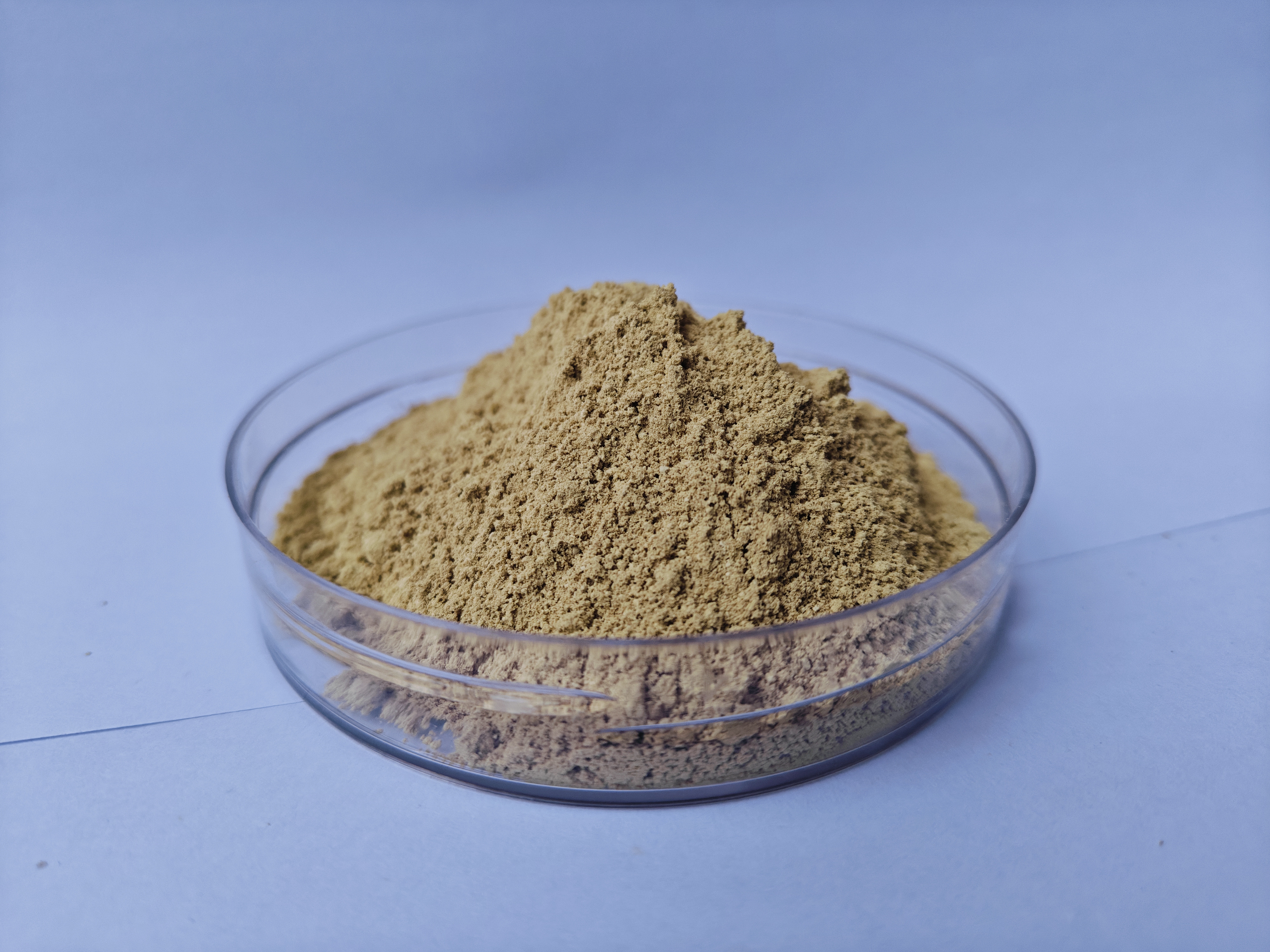
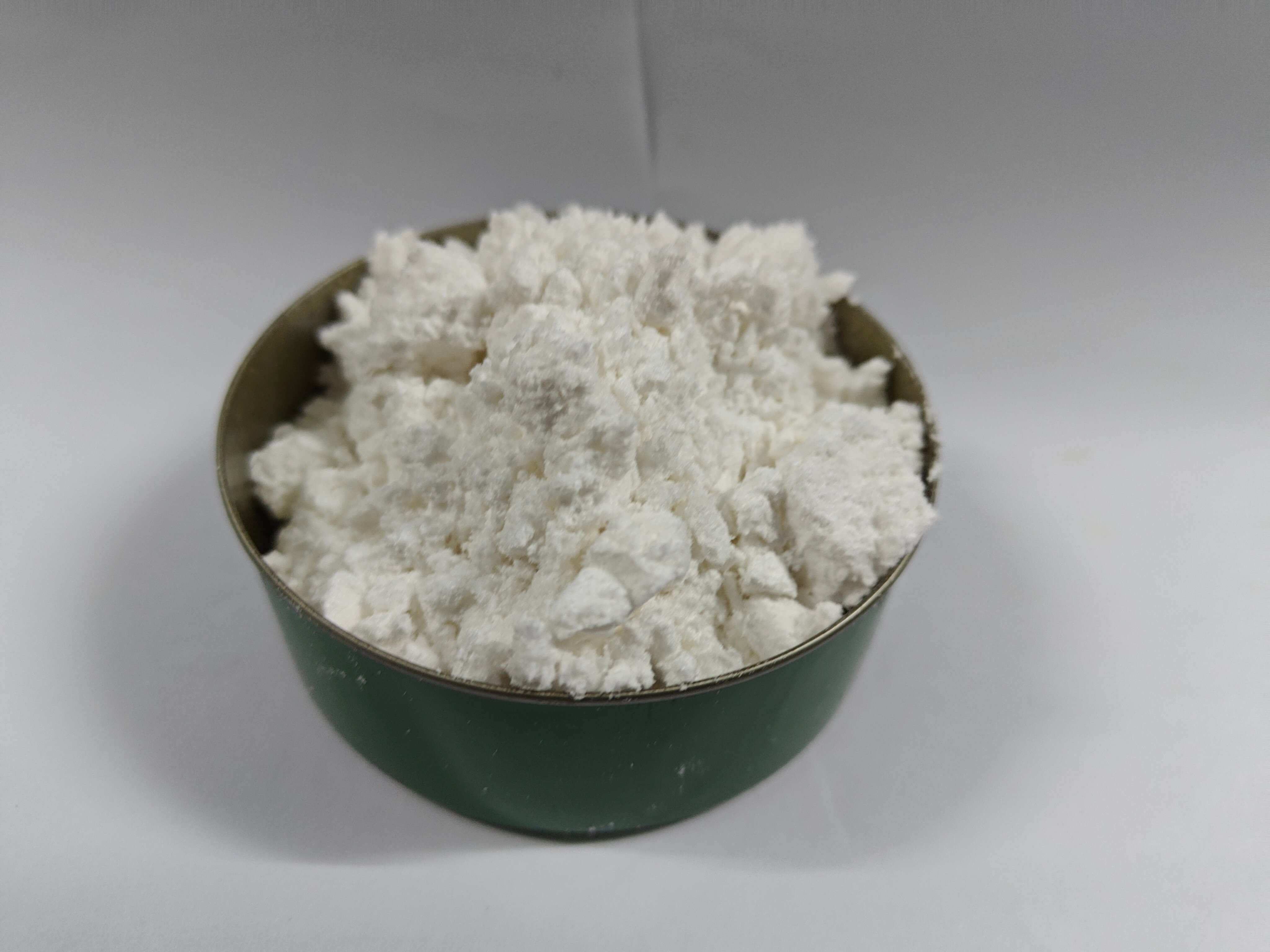
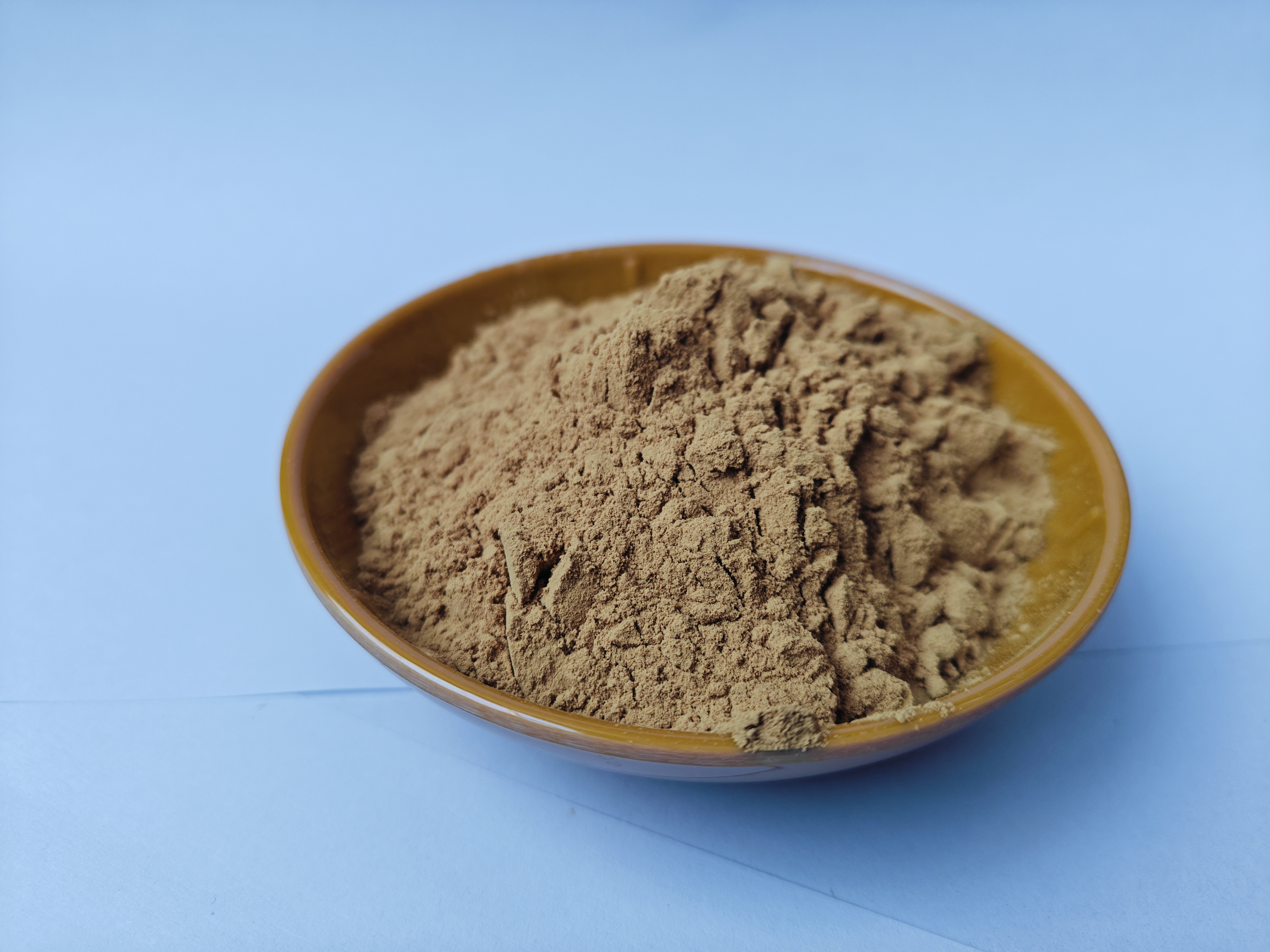
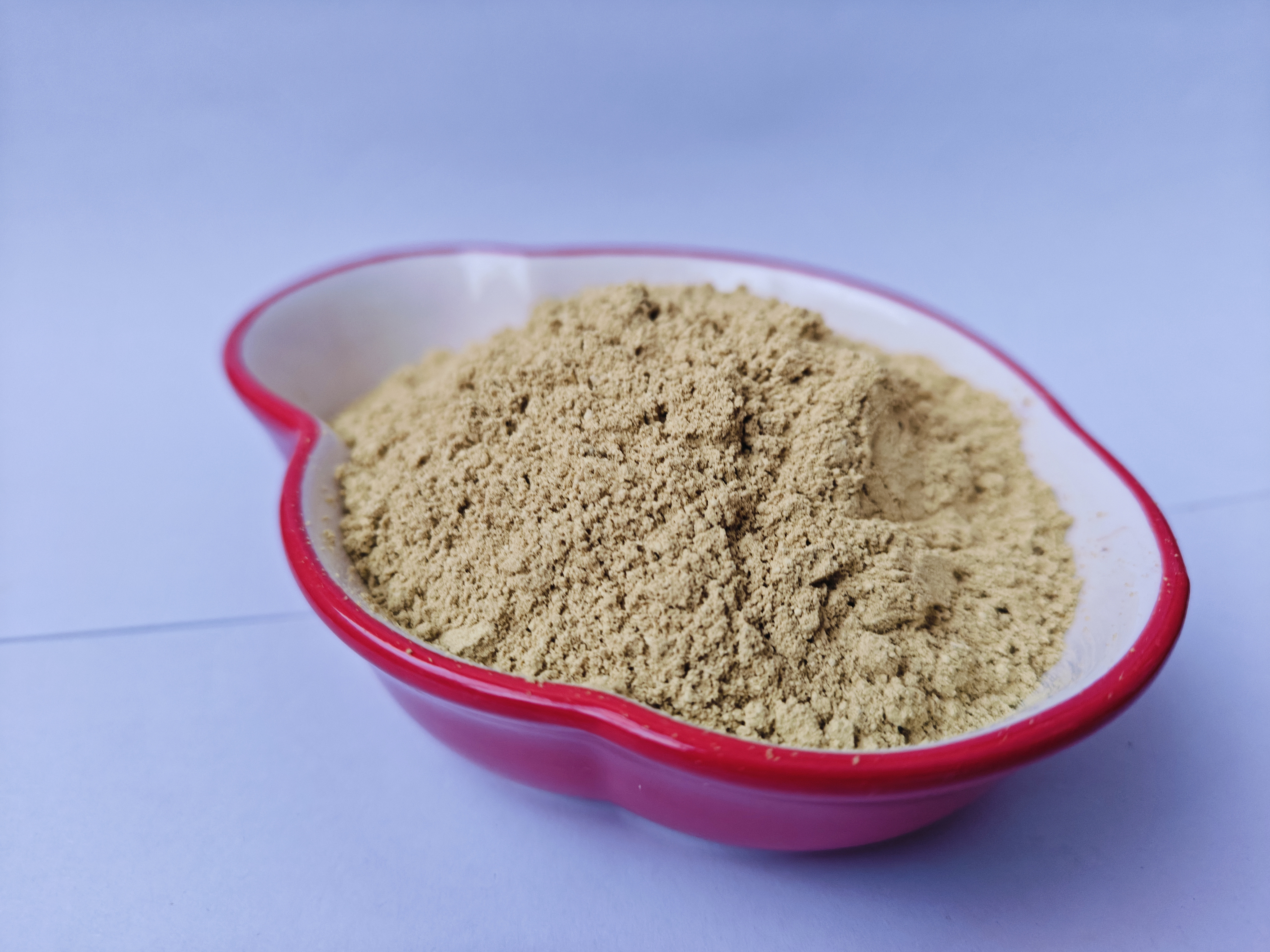
Thermally-latent catalyst epoxy represents an advanced curing system that remains stable at room temperature but activates rapidly when exposed to elevated temperatures. This innovative technology incorporates specialized catalysts that remain dormant until heat triggers the polymerization process, offering manufacturers unprecedented control over epoxy curing schedules. The thermally-latent catalyst epoxy system provides extended working time at ambient conditions while delivering fast, reliable curing when heat is applied, making it ideal for complex manufacturing processes. The main functions include controlled reaction initiation, predictable curing profiles, and superior bonding performance across diverse substrates. Technological features encompass precise temperature activation thresholds, typically ranging from 80 to 150 degrees Celsius, minimal catalyst migration, and excellent storage stability. These systems utilize imidazole derivatives, blocked amines, or encapsulated curing agents that unlock their catalytic activity only under thermal stimulus. Applications span aerospace composites, automotive assembly, electronics encapsulation, and structural adhesives where processing flexibility is critical. The thermally-latent catalyst epoxy technology enables single-component formulations that eliminate mixing errors, reduces waste from premature curing, and supports automated dispensing systems. This approach delivers consistent results in demanding industrial environments while simplifying inventory management and reducing production costs through improved process efficiency and enhanced product reliability.

Popular Products

Choosing thermally-latent catalyst epoxy delivers substantial operational benefits that directly impact your bottom line and production efficiency. The extended pot life at room temperature means you can prepare larger batches without rushing, reducing material waste and allowing more flexible scheduling across shifts. This stability translates to cost savings since you avoid discarding partially cured material and can optimize your workflow around actual production needs rather than chemical reaction timelines. When you apply heat, the thermally-latent catalyst epoxy cures quickly and uniformly, shortening cycle times and increasing throughput without compromising bond strength or material properties. This dual advantage of patience during application and speed during curing makes your manufacturing process more adaptable and responsive to changing demands. The single-component nature eliminates mixing ratios and associated errors, simplifying training requirements and reducing quality control issues. Your operators can focus on precise application rather than complex preparation procedures. For assembly operations, the dormant catalyst allows positioning and alignment of components without time pressure, then rapid fixation once everything is correctly placed. This feature proves invaluable in precision applications where adjustments are necessary before final bonding. The thermally-latent catalyst epoxy system also supports automation more effectively than conventional two-part systems, enabling robotic dispensing with minimal equipment cleaning and maintenance. Storage stability extends shelf life, reducing inventory turnover costs and minimizing expired material disposal. These practical advantages combine to create a more efficient, profitable, and quality-focused production environment that responds better to both routine operations and unexpected challenges while maintaining consistent output standards.

Latest News

How Do Organophosphine Based Catalysts Enhance EMC Curing Performance?

12

Dec

How Do Organophosphine Based Catalysts Enhance EMC Curing Performance?

The electronics manufacturing industry has witnessed remarkable advancements in encapsulation materials, particularly in the realm of epoxy molding compounds (EMC). As semiconductor devices become increasingly sophisticated and miniaturized, the dema...
View More
How is CDI coupling reagent used in large-scale manufacturing

07

Jan

How is CDI coupling reagent used in large-scale manufacturing

The pharmaceutical and chemical manufacturing industries increasingly rely on efficient coupling reagents to facilitate complex synthesis reactions at scale. Among these powerful chemical tools, cdi coupling reagent stands out as a versatile and reli...
View More
How Can Selecting the Right Curing Agent for Epoxy Resins Improve Yield?

12

Feb

How Can Selecting the Right Curing Agent for Epoxy Resins Improve Yield?

The selection of an appropriate curing agent for epoxy resins represents one of the most critical decisions in industrial manufacturing processes, directly impacting product quality, processing efficiency, and overall production yield. Industrial man...
View More
How Can Organophosphine Based Catalysts Reduce Defects in Chip Encapsulation?

05

Mar

How Can Organophosphine Based Catalysts Reduce Defects in Chip Encapsulation?

Semiconductor manufacturing faces increasing demands for precision and reliability, particularly in chip encapsulation processes where defects can compromise entire electronic devices. Organophosphine based catalysts have emerged as critical componen...
View More

Get a Free Quote

Our representative will contact you soon.
Email
Name
Company Name
Message
0/1000

thermally-latent catalyst epoxy

Extended Working Time with Rapid On-Demand Curing

Extended Working Time with Rapid On-Demand Curing

The defining characteristic of thermally-latent catalyst epoxy is its remarkable ability to provide extended working periods at ambient temperature followed by rapid curing when heat is introduced. This dual-phase behavior fundamentally changes how manufacturers approach bonding and assembly operations. During the dormant phase, the formulation remains fluid and workable for hours or even days, depending on the specific catalyst system selected. This extended window eliminates the stress and waste associated with racing against cure times, allowing operators to focus on precise placement, complex alignments, and quality verification before committing to the final bond. Once components are properly positioned, applying heat through ovens, infrared lamps, or induction systems triggers immediate catalyst activation. The thermally-latent catalyst epoxy then transitions rapidly from liquid to solid, achieving handling strength in minutes rather than hours. This controlled activation provides manufacturers with the best of both worlds: patience when needed and speed when desired. The technology proves especially valuable in large-scale assemblies, intricate electronic devices, and multi-step processes where different areas require curing at different times, offering unprecedented process flexibility.
Superior Storage Stability and Simplified Handling

Superior Storage Stability and Simplified Handling

Traditional epoxy systems often struggle with limited shelf life and complex mixing requirements that create operational challenges and quality risks. Thermally-latent catalyst epoxy solves these issues through its inherent chemical stability at storage temperatures. The catalyst remains completely inactive below its activation threshold, preventing any premature polymerization that would degrade material properties or reduce usable life. This stability extends shelf life significantly, often to twelve months or more when stored properly, reducing inventory costs and material waste from expiration. The single-component formulation eliminates the mixing step entirely, removing a major source of application errors and inconsistency. Operators no longer need to measure precise ratios, achieve thorough mixing, or worry about pot life after combining components. This simplification reduces training time, minimizes quality control requirements, and supports more reliable automated dispensing systems. The thermally-latent catalyst epoxy can be loaded into dispensing equipment and remain ready for use throughout entire production shifts without concern for gradual viscosity increase or unexpected gelation. This operational simplicity translates directly into labor savings, reduced scrap rates, and more consistent product quality across production runs.
Optimized Performance for Complex Manufacturing Processes

Optimized Performance for Complex Manufacturing Processes

Modern manufacturing demands adhesive systems that accommodate sophisticated assembly sequences, multiple substrate types, and stringent performance requirements. Thermally-latent catalyst epoxy excels in these complex environments by offering application versatility that conventional systems cannot match. The dormant catalyst allows sequential application to multiple areas without premature bonding, supporting staged assembly processes where components are added progressively. This capability proves essential in electronics manufacturing, where circuits, shields, and housings must be positioned precisely before final curing. The thermal activation provides spatial control, allowing selective curing of specific joints while leaving others workable for subsequent operations. When fully cured, these systems deliver mechanical properties comparable to or exceeding traditional epoxies, including excellent adhesion to metals, composites, and plastics, outstanding chemical resistance, and reliable performance across wide temperature ranges. The thermally-latent catalyst epoxy also minimizes internal stresses during cure since the elevated temperature reduces viscosity and allows better stress relaxation before final hardening. This characteristic improves reliability in assemblies with mismatched thermal expansion coefficients or thin, fragile components. The combination of processing flexibility and robust final properties makes this technology ideal for demanding applications in aerospace, automotive, and advanced electronics sectors.

Get a Free Quote

Our representative will contact you soon.
Email
Name
Company Name
Message
0/1000