Custom 2-Ethyl-4-Methylimidazole Formulation

All Categories

custom 2-ethyl-4-methylimidazole formulation

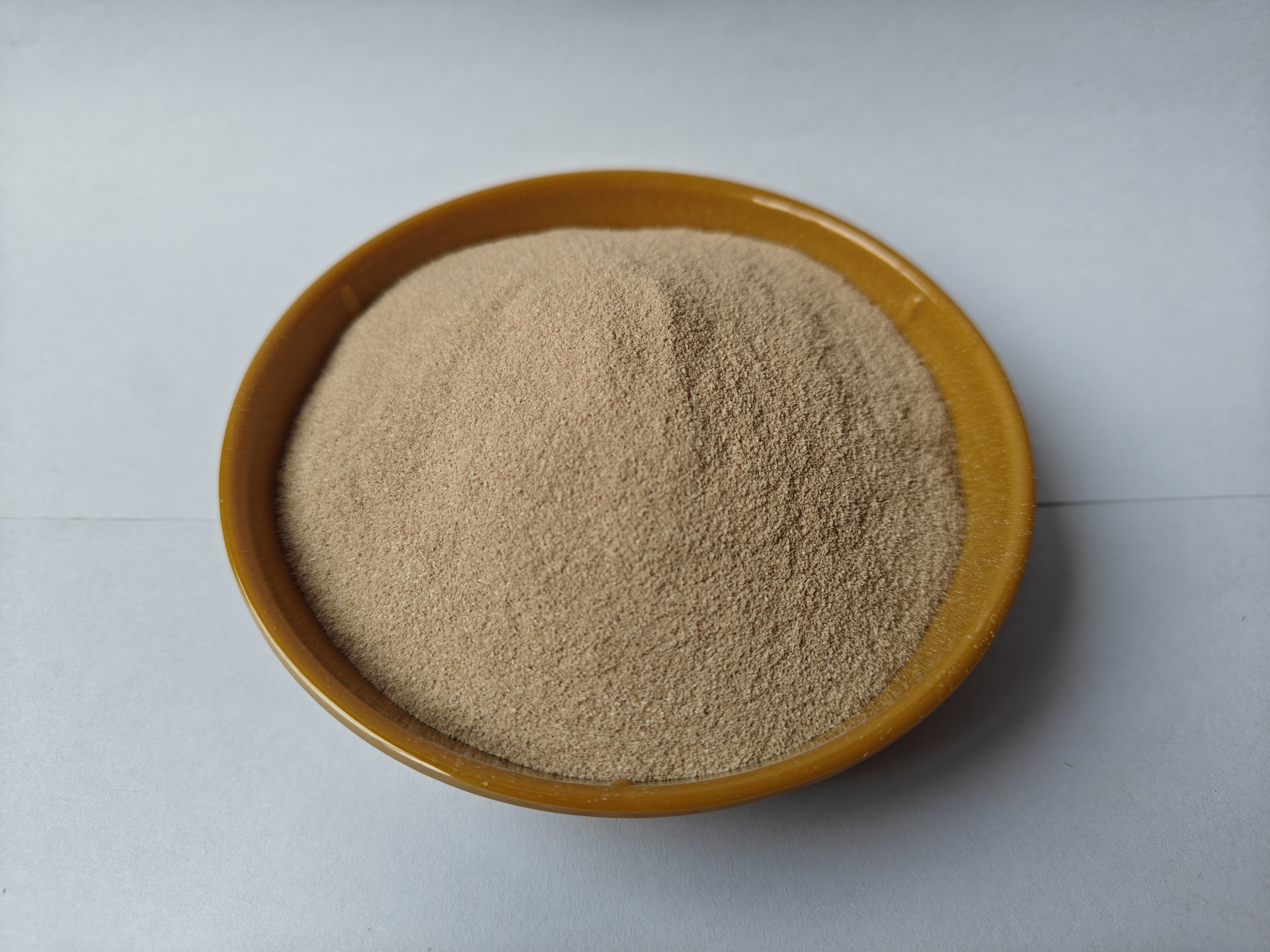
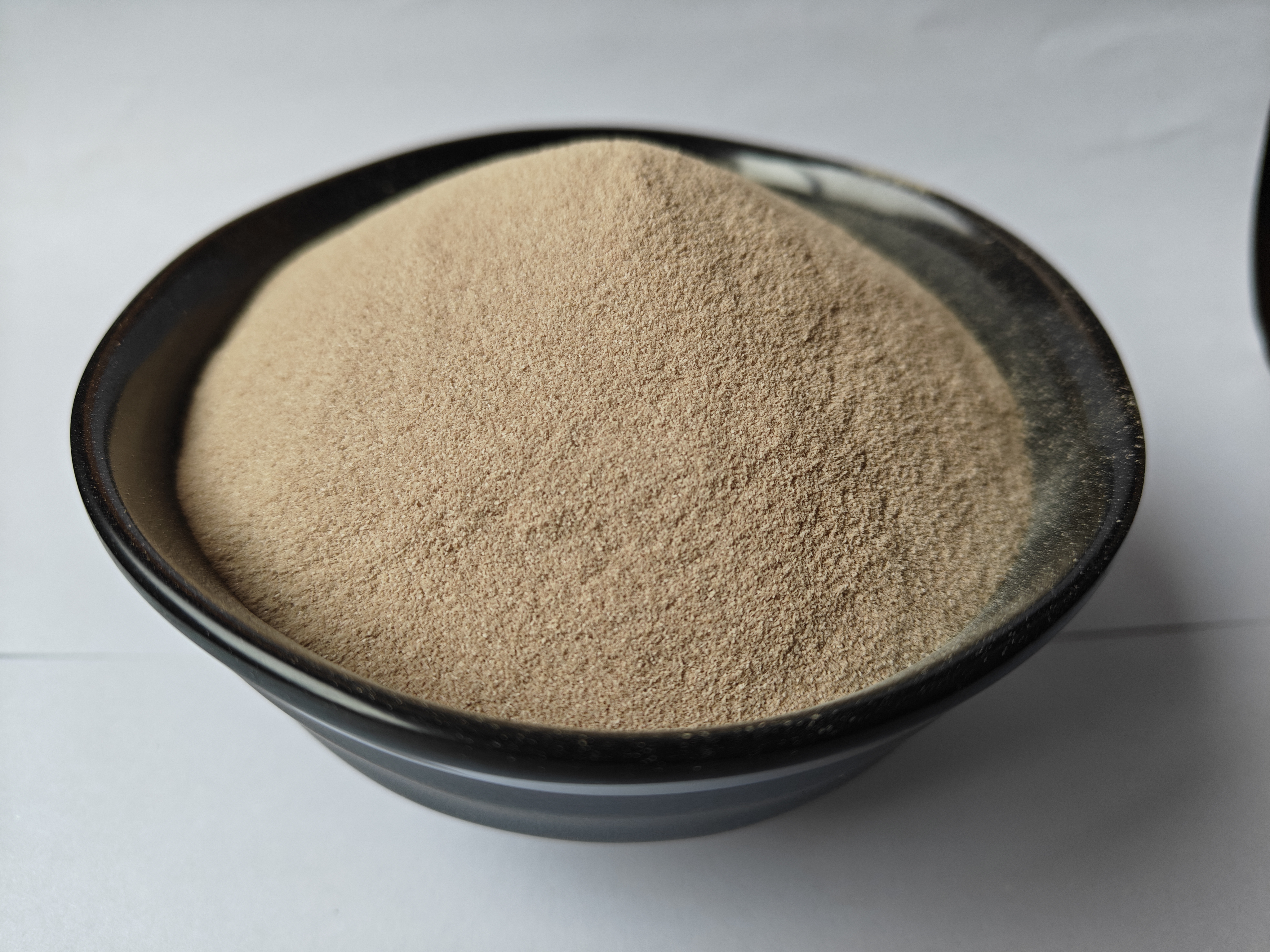
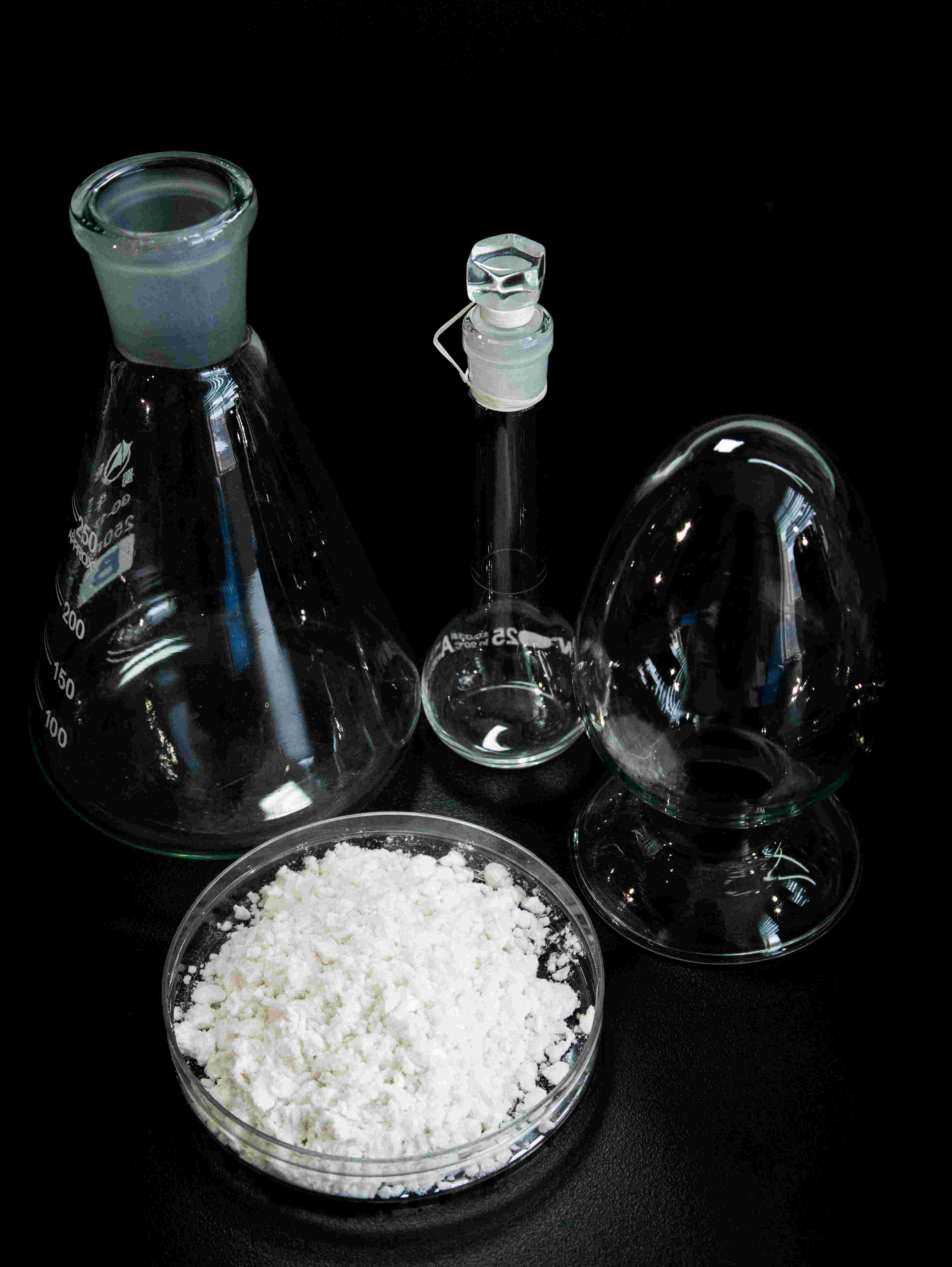
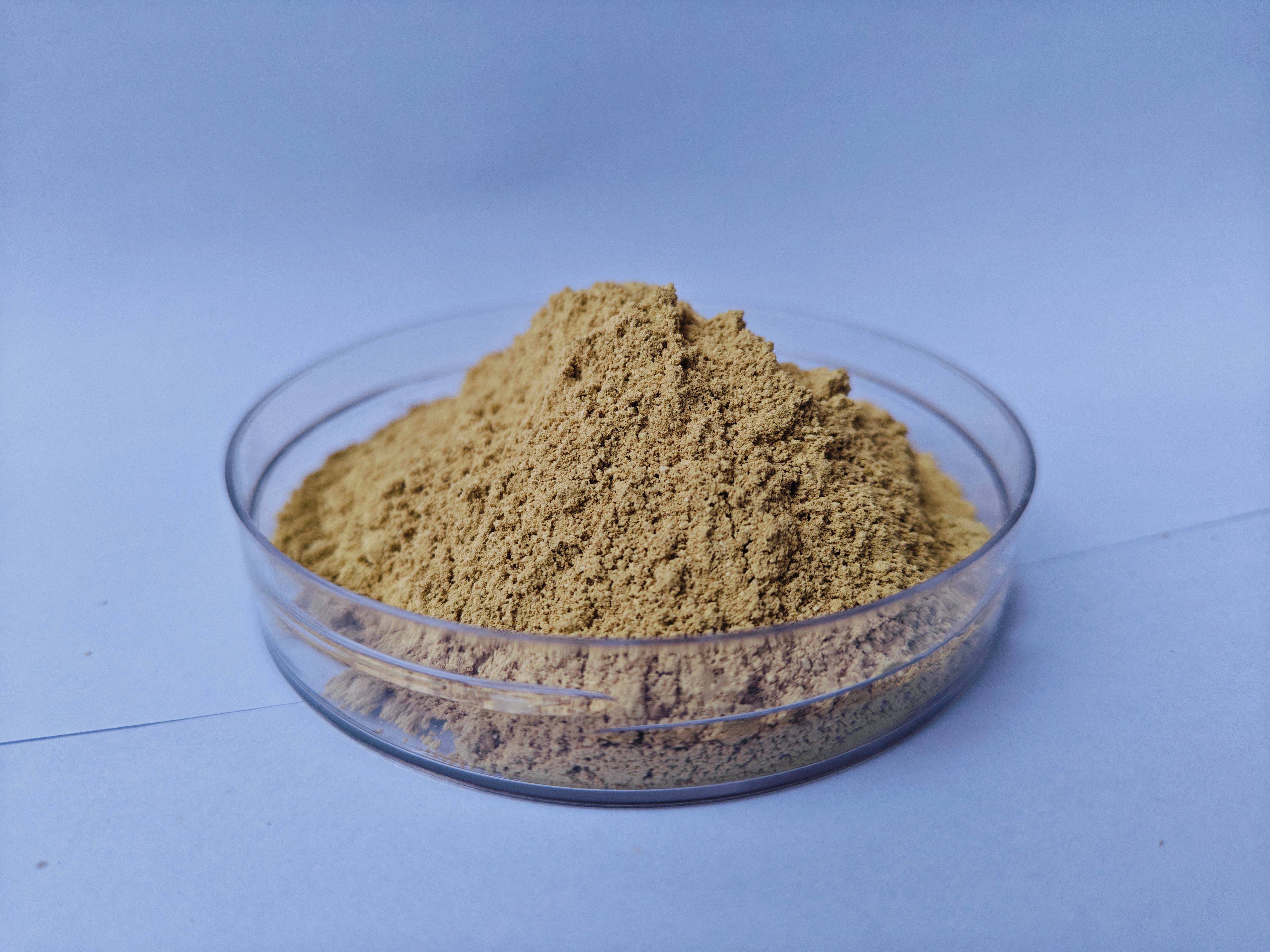
A custom 2-ethyl-4-methylimidazole formulation represents a tailored chemical solution designed to meet specific industrial requirements in catalysis and polymer production. This specialized compound belongs to the imidazole family and serves as a highly effective curing agent and catalyst accelerator in epoxy resin systems. The custom 2-ethyl-4-methylimidazole formulation is engineered with precise molecular specifications to deliver optimal performance in demanding manufacturing environments. Its primary function centers on accelerating polymerization reactions while maintaining excellent control over cure profiles. Technologically, this formulation features enhanced stability characteristics, improved solubility in various resin systems, and predictable reactivity patterns that enable manufacturers to achieve consistent processing outcomes. The compound exhibits exceptional thermal stability and can function effectively across a broad temperature range, making it suitable for both ambient and elevated temperature applications. Industries utilizing this custom 2-ethyl-4-methylimidazole formulation include aerospace composites, electrical insulation systems, automotive component manufacturing, and advanced coating technologies. The formulation's versatility extends to applications in adhesive systems, potting compounds, and laminating resins where controlled curing behavior is essential. By offering customization options, manufacturers can adjust concentration levels, carrier systems, and additive packages to align with specific production requirements, quality standards, and regulatory compliance needs. This adaptability ensures that the custom 2-ethyl-4-methylimidazole formulation delivers maximum value across diverse application scenarios while maintaining consistent quality benchmarks.

Popular Products

Choosing a custom 2-ethyl-4-methylimidazole formulation provides significant operational advantages that directly impact production efficiency and product quality. The primary benefit lies in its precise catalytic activity, which enables manufacturers to achieve faster cure times without compromising the mechanical properties of finished products. This acceleration translates into reduced cycle times, increased throughput, and lower energy consumption during manufacturing processes. The formulation's customizable nature allows buyers to specify exact performance parameters that match their unique processing equipment and environmental conditions, eliminating the trial-and-error approach often associated with standard catalysts. From a practical standpoint, the custom 2-ethyl-4-methylimidazole formulation offers superior batch-to-batch consistency, which minimizes production variability and reduces quality control costs. Its excellent compatibility with various epoxy resin systems means fewer formulation adjustments are needed when switching between different product lines or substrates. The compound's extended shelf stability reduces waste from expired materials and simplifies inventory management. For decision-makers, the ability to work with suppliers to develop a custom 2-ethyl-4-methylimidazole formulation means gaining a competitive advantage through optimized processing conditions tailored specifically to their production capabilities. The formulation supports faster product development cycles by providing predictable performance data that accelerates qualification testing. Its low volatility characteristics improve workplace safety and reduce emissions, helping companies meet increasingly stringent environmental regulations. Additionally, the custom 2-ethyl-4-methylimidazole formulation enables better control over final product characteristics such as glass transition temperature, chemical resistance, and adhesion properties, allowing manufacturers to meet exact customer specifications while maintaining cost-effectiveness throughout the production chain.

Latest News

Why Are Organophosphine Based Catalysts Essential for Semiconductor Packaging?

12

Dec

Why Are Organophosphine Based Catalysts Essential for Semiconductor Packaging?

The semiconductor industry relies on precise chemical processes that demand exceptional purity and reliability. Among the various catalyst systems employed in semiconductor packaging applications, organophosphine based catalysts have emerged as indis...
View More
How Can Thermally Latent Catalysts Optimize Curing Control in Semiconductor Packaging?

12

Dec

How Can Thermally Latent Catalysts Optimize Curing Control in Semiconductor Packaging?

The semiconductor packaging industry faces increasingly complex challenges as device miniaturization demands precise material control and processing conditions. Among the critical technologies enabling advanced packaging solutions, thermally latent c...
View More
How do laboratories source nncarbonyldiimidazole for scale-up synthesis

07

Jan

How do laboratories source nncarbonyldiimidazole for scale-up synthesis

Laboratories worldwide face increasing challenges when sourcing specialized chemical reagents for scale-up synthesis operations. Among these critical compounds, nncarbonyldiimidazole stands out as an essential coupling agent that enables efficient pe...
View More
How Do Thermally Latent Catalysts Affect Reaction Rate and Thermal Properties?

05

Mar

How Do Thermally Latent Catalysts Affect Reaction Rate and Thermal Properties?

Thermally latent catalysts represent a revolutionary approach to controlling chemical reactions through temperature-dependent activation mechanisms. These specialized compounds remain inactive at room temperature but undergo rapid activation when hea...
View More

Get a Free Quote

Our representative will contact you soon.
Email
Name
Company Name
Message
0/1000

custom 2-ethyl-4-methylimidazole formulation

Tailored Catalytic Performance

Tailored Catalytic Performance

The custom 2-ethyl-4-methylimidazole formulation delivers precisely calibrated catalytic performance that can be fine-tuned to match specific manufacturing requirements. Unlike off-the-shelf catalysts with fixed activity levels, this customized approach allows manufacturers to specify exact reactivity profiles that align with their processing windows, equipment capabilities, and desired cure schedules. This level of control is particularly valuable in complex production environments where multiple formulations must be processed using the same equipment or where tight tolerances on cure behavior are essential for product certification. The ability to adjust catalyst concentration, carrier medium, and supplementary additives within the custom 2-ethyl-4-methylimidazole formulation ensures optimal balance between pot life and cure speed. This customization eliminates common production challenges such as premature gelation or insufficient cure depth, which can lead to costly rework or product failures. For manufacturers working with temperature-sensitive substrates or producing thick-section components, the tailored catalytic activity ensures uniform cure throughout the part while preventing exothermic temperature spikes that could cause warping or internal stress. This precise performance tuning ultimately translates into higher yields, reduced scrap rates, and improved product reliability.
Enhanced Process Flexibility

Enhanced Process Flexibility

A custom 2-ethyl-4-methylimidazole formulation provides exceptional process flexibility that accommodates diverse manufacturing scenarios and changing production demands. This adaptability stems from the formulation's ability to be optimized for various application methods including spray coating, brush application, filament winding, resin transfer molding, and vacuum infusion processes. The custom nature of the formulation means viscosity characteristics, working time, and cure speed can be adjusted to suit specific equipment configurations and ambient conditions found in different production facilities. This flexibility proves invaluable for manufacturers serving multiple market segments or producing varied product lines, as it reduces the need to maintain numerous catalyst inventories. The custom 2-ethyl-4-methylimidazole formulation can be engineered to perform consistently across seasonal temperature variations, eliminating production disruptions caused by environmental changes. For companies expanding into new applications or geographic markets, the ability to modify formulation parameters without changing base resin systems simplifies qualification processes and accelerates time-to-market. This process flexibility also supports continuous improvement initiatives, allowing manufacturers to refine their operations incrementally by adjusting catalyst parameters rather than overhauling entire formulation systems. The result is a more agile production capability that can respond quickly to customer requirements while maintaining quality standards.
Superior Quality Consistency

Superior Quality Consistency

The custom 2-ethyl-4-methylimidazole formulation ensures superior quality consistency through rigorous specification controls and customized performance parameters that eliminate common sources of variation. This consistency begins with precise chemical composition tailored to deliver repeatable catalytic behavior across production runs, seasons, and different manufacturing sites. Unlike generic catalysts that may exhibit performance drift due to variable purity levels or undefined additive packages, the custom formulation approach establishes exact specifications that suppliers must meet for every batch. This level of control directly translates into predictable processing behavior, uniform product properties, and reduced quality inspection requirements. For manufacturers in regulated industries such as aerospace or medical devices, the enhanced consistency of a custom 2-ethyl-4-methylimidazole formulation simplifies qualification documentation and supports stringent traceability requirements. The formulation's stability characteristics ensure that performance remains constant throughout its shelf life, eliminating concerns about catalyst aging affecting cure behavior. This consistency extends to finished product properties such as mechanical strength, thermal performance, and chemical resistance, allowing manufacturers to provide tighter specification guarantees to their customers. The reduced variability also enables statistical process control implementation, facilitating data-driven optimization of manufacturing operations and supporting quality management system requirements for continuous improvement and capability demonstration.

Get a Free Quote

Our representative will contact you soon.
Email
Name
Company Name
Message
0/1000