Thermal Curing Catalysts: Advanced Solutions for Enhanced Performance and Efficiency in Industrial Applications

All Categories

thermal curing catalysts

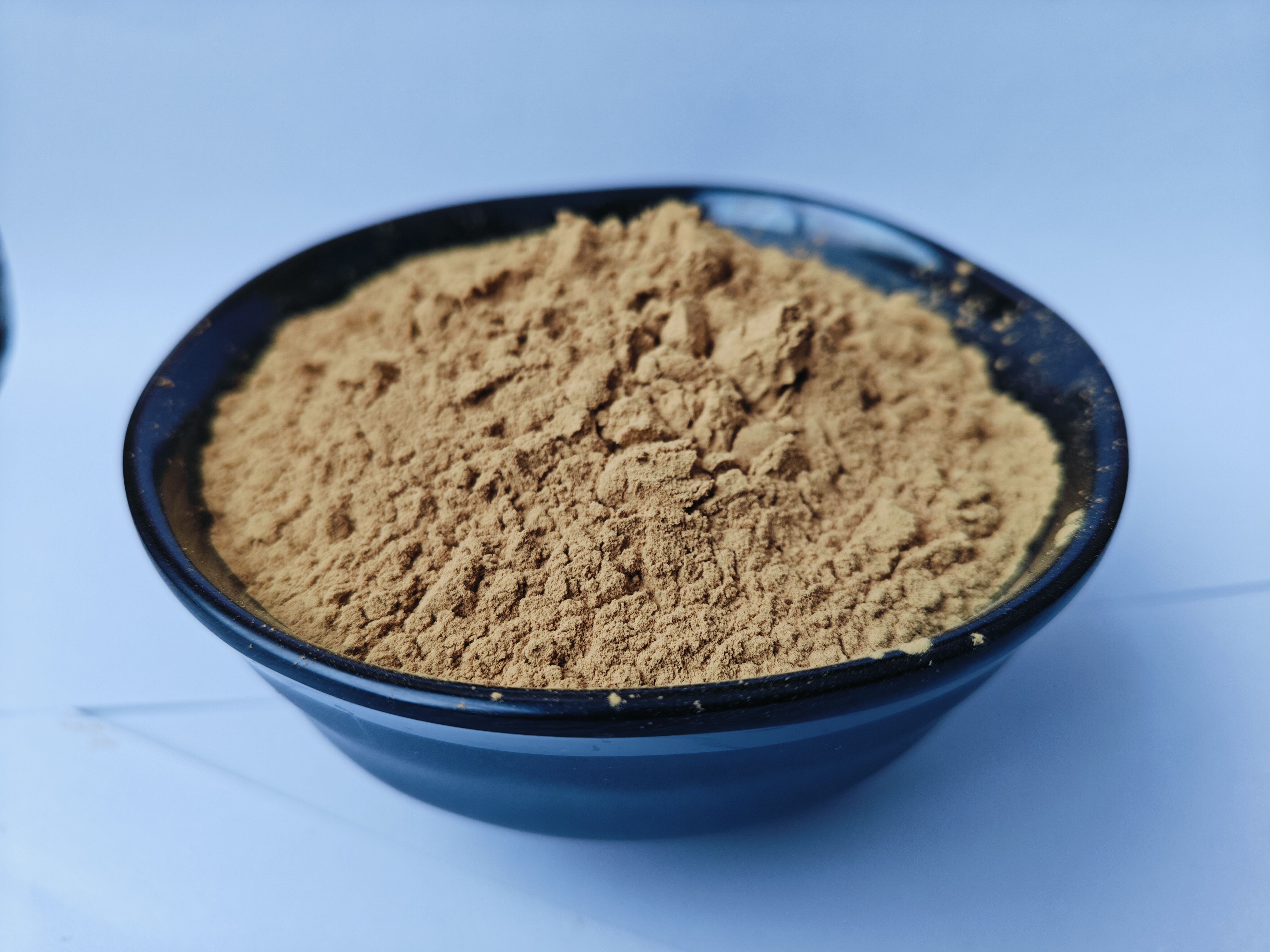
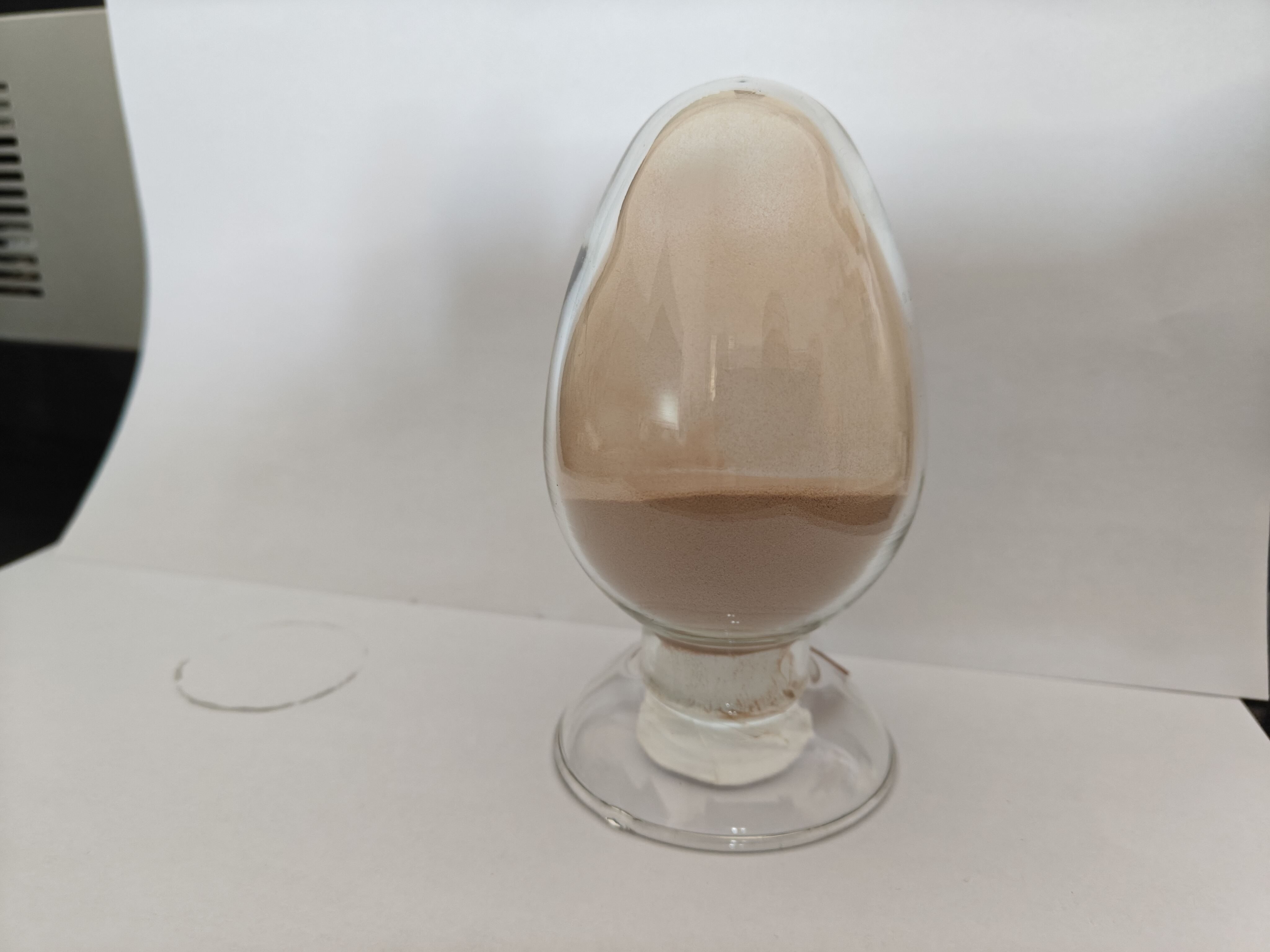
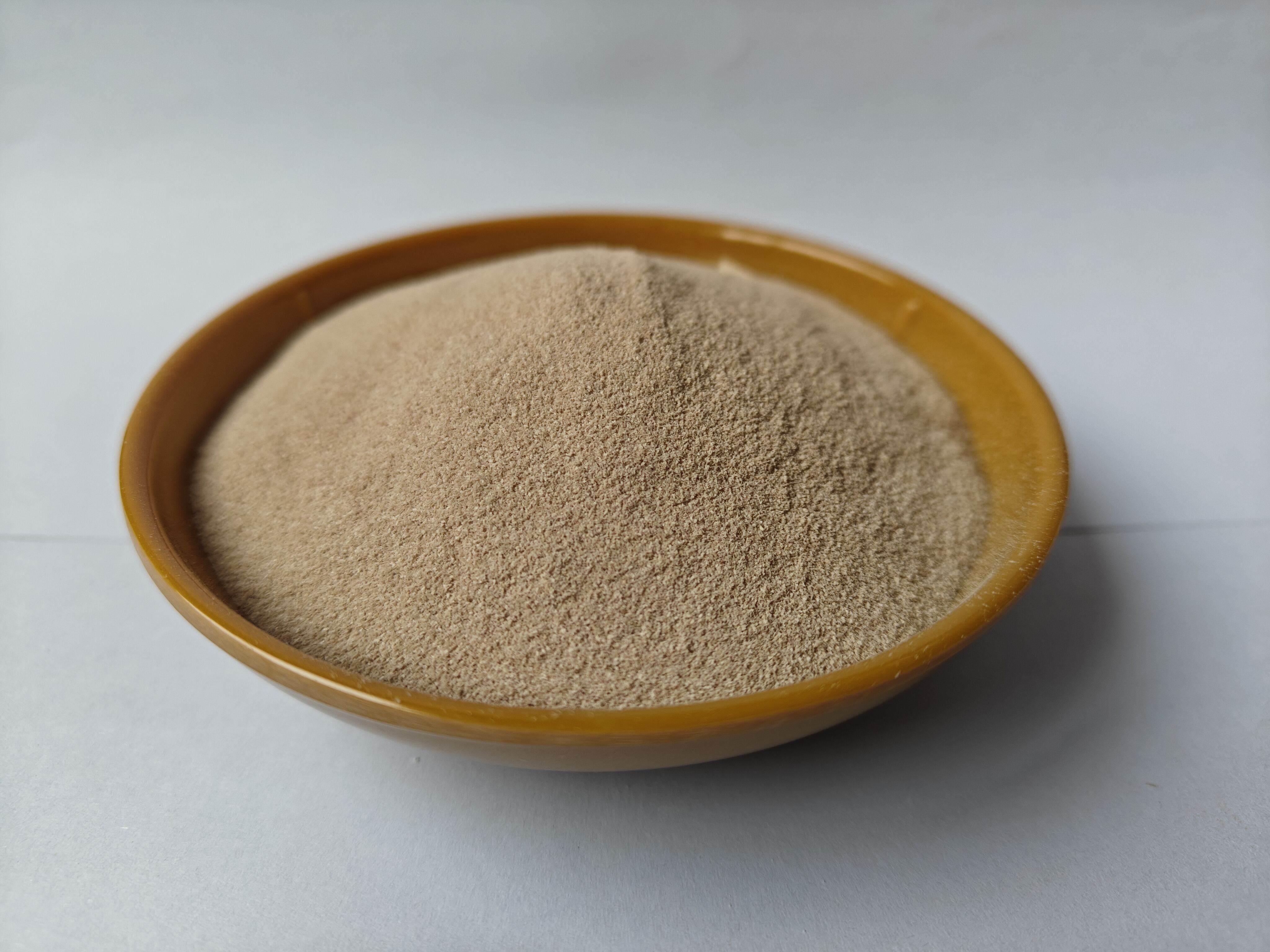
Thermal curing catalysts are specialized chemical compounds that play a crucial role in accelerating and controlling the cross-linking reactions in thermosetting materials. These catalysts are essential components in various industrial processes, particularly in polymer chemistry and coating applications. They function by lowering the activation energy required for the curing reaction, enabling the transformation of liquid or semi-solid materials into robust, three-dimensional networks at specific temperatures. The technology behind thermal curing catalysts has evolved significantly, offering precise control over reaction kinetics and final product properties. These catalysts are carefully designed to remain dormant at room temperature but activate rapidly when exposed to predetermined temperature ranges. This characteristic makes them invaluable in manufacturing processes where controlled curing is essential. They find extensive applications in automotive coatings, industrial primers, powder coatings, composite materials, and electronic components. The versatility of thermal curing catalysts extends to various chemistry types, including epoxy, polyurethane, and melamine systems, making them indispensable in modern manufacturing processes.


Popular Products

Thermal curing catalysts offer numerous compelling advantages that make them essential in modern manufacturing processes. First, they provide exceptional control over the curing process, allowing manufacturers to optimize production schedules and achieve consistent results. The ability to precisely time the initiation of curing reactions ensures proper flow and leveling of coatings before hardening begins. These catalysts also contribute to significant energy savings by enabling lower curing temperatures and shorter cure times compared to uncatalyzed systems. The enhanced efficiency translates directly into reduced production costs and increased throughput. Another key advantage is the superior end-product quality achieved through uniform curing across the entire substrate. The catalysts ensure complete cross-linking reactions, resulting in improved mechanical properties, chemical resistance, and durability of the final product. They also offer excellent storage stability, maintaining their effectiveness even after extended periods when properly stored. For manufacturers, this means reduced waste and more predictable production outcomes. Additionally, thermal curing catalysts can be customized to meet specific application requirements, whether it's faster cure speeds, lower temperature requirements, or enhanced surface properties. This flexibility makes them valuable across diverse industries and applications.

Practical Tips

How to Improve Yield in CDI-Mediated Amide Bond Formation?

05

Aug

How to Improve Yield in CDI-Mediated Amide Bond Formation?

Maximizing Efficiency in Amide Coupling Reactions In organic synthesis, the formation of amide bonds remains a cornerstone technique, particularly in peptide chemistry, medicinal chemistry, and polymer development. Among the many reagents used for am...
View More
Why Is Fast Curing Important for High-Volume EMC Production

24

Sep

Why Is Fast Curing Important for High-Volume EMC Production

Understanding the Role of Fast Curing in Modern Electronics Manufacturing In today's rapidly evolving electronics industry, fast curing has become a critical factor in determining the efficiency and success of high-volume EMC (Epoxy Molding Compound)...
View More
What Factors Affect the Performance of EMC Curing Catalysts?

24

Sep

What Factors Affect the Performance of EMC Curing Catalysts?

Understanding the Critical Role of EMC Curing Catalysts in Modern Electronics EMC curing catalysts play a fundamental role in the electronics manufacturing industry, specifically in the production of epoxy molding compounds (EMC) used to encapsulate ...
View More
How Do Curing Agents Improve Strength and Durability of Epoxy Resins?

21

Oct

How Do Curing Agents Improve Strength and Durability of Epoxy Resins?

Understanding the Critical Role of Curing Agents in Epoxy Systems Epoxy resins have revolutionized numerous industries, from construction to aerospace, thanks to their exceptional strength and versatility. At the heart of their performance lies a cru...
View More

Get a Free Quote

Our representative will contact you soon.
Email
Name
Company Name
Message
0/1000

thermal curing catalysts

Enhanced Process Control and Efficiency

Enhanced Process Control and Efficiency

Thermal curing catalysts provide unparalleled control over the curing process, offering manufacturers the ability to fine-tune their operations for optimal results. This precise control manifests in several ways: the ability to determine exact activation temperatures, predictable cure times, and consistent cross-linking density. The catalysts can be engineered to activate at specific temperature thresholds, ensuring that no premature curing occurs during processing or application. This feature is particularly valuable in complex manufacturing processes where timing is critical. The enhanced efficiency leads to reduced cycle times, lower energy consumption, and improved production throughput. Manufacturers can achieve faster line speeds while maintaining product quality, resulting in significant cost savings and increased productivity.
Superior Product Performance and Durability

Superior Product Performance and Durability

The implementation of thermal curing catalysts significantly enhances the final product's performance characteristics. Through optimized cross-linking reactions, these catalysts help create products with exceptional mechanical strength, chemical resistance, and durability. The uniform curing achieved through catalyzed reactions eliminates weak spots and ensures consistent properties throughout the material. Products cured with these catalysts typically exhibit improved adhesion, better weather resistance, and enhanced thermal stability. This superior performance translates into longer-lasting products that maintain their properties under challenging environmental conditions. The ability to achieve these improvements without compromising processing parameters makes thermal curing catalysts invaluable in high-performance applications.
Versatility and Application Flexibility

Versatility and Application Flexibility

One of the most significant advantages of thermal curing catalysts is their remarkable versatility across different chemical systems and applications. These catalysts can be tailored to work effectively with various resin systems, including epoxies, polyurethanes, and amino resins. This adaptability allows manufacturers to use them in diverse applications, from automotive clear coats to industrial floor coatings. The catalysts can be modified to accommodate different cure temperatures, pot life requirements, and performance specifications, making them suitable for both high-volume production and specialty applications. This flexibility extends to various substrate materials and application methods, enabling manufacturers to optimize their processes while maintaining high-quality standards.

Get a Free Quote

Our representative will contact you soon.
Email
Name
Company Name
Message
0/1000