Latent Epoxy Curing Catalyst - Benefits & Uses

All Categories

latent epoxy curing catalyst

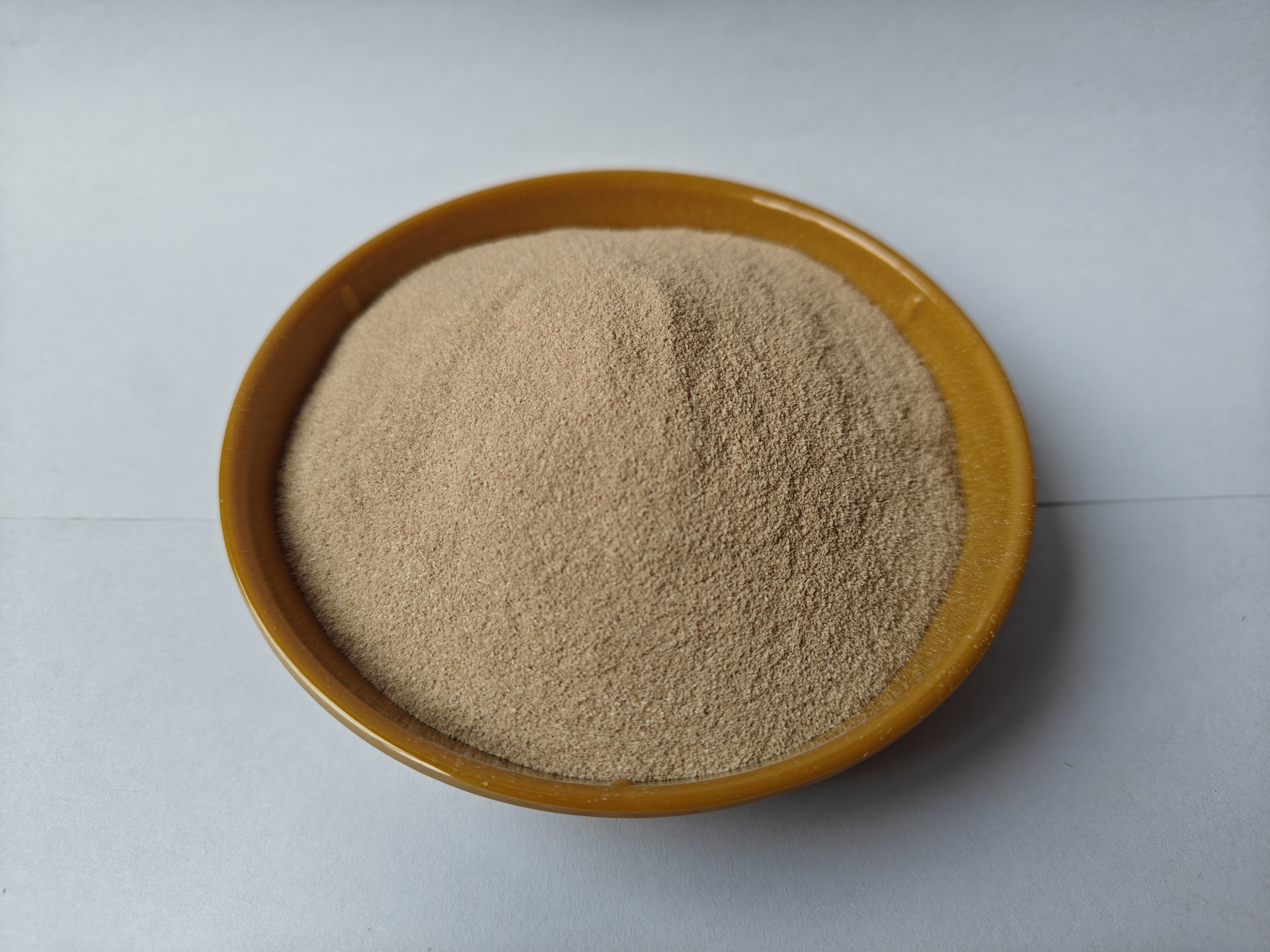
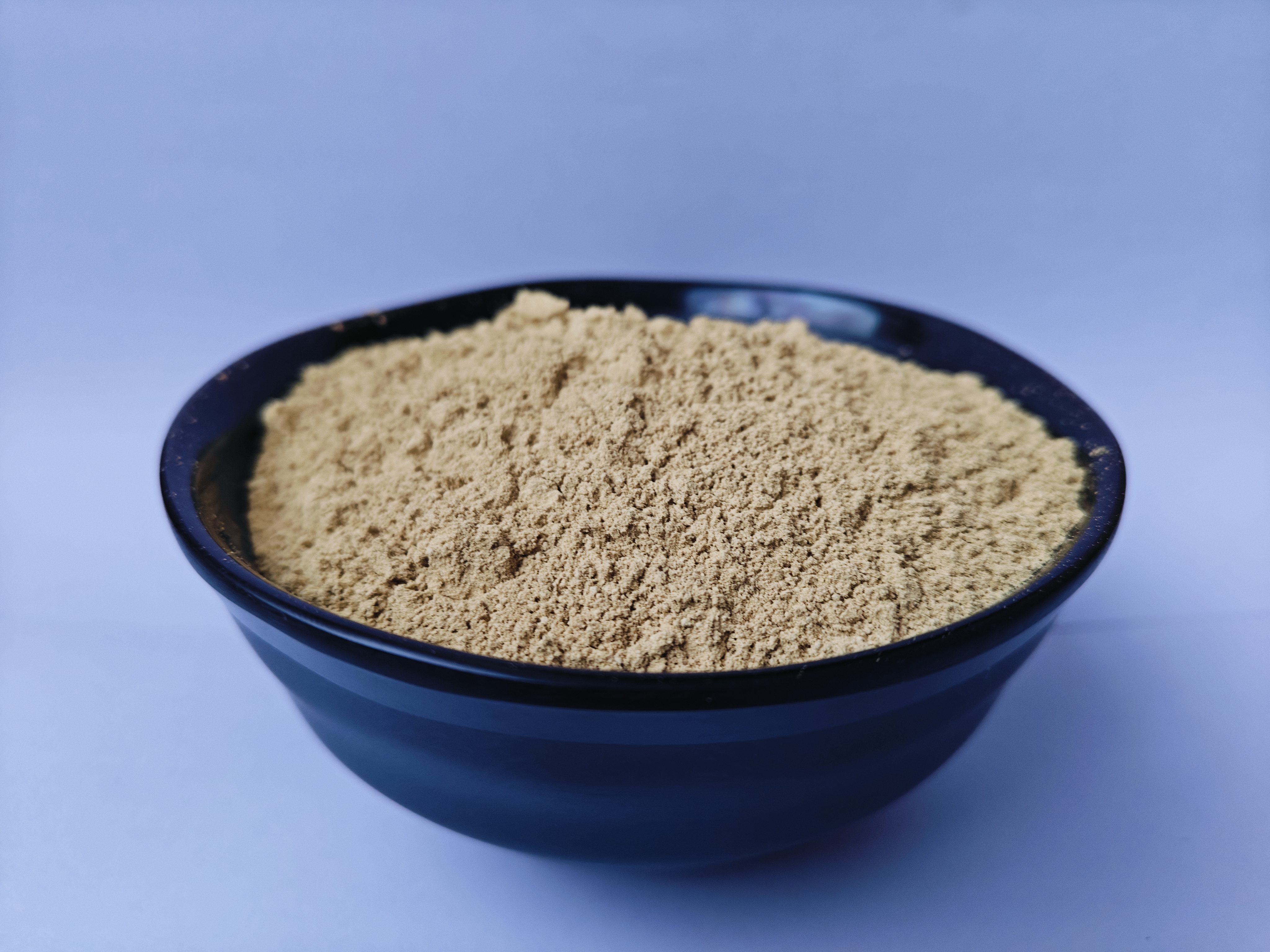
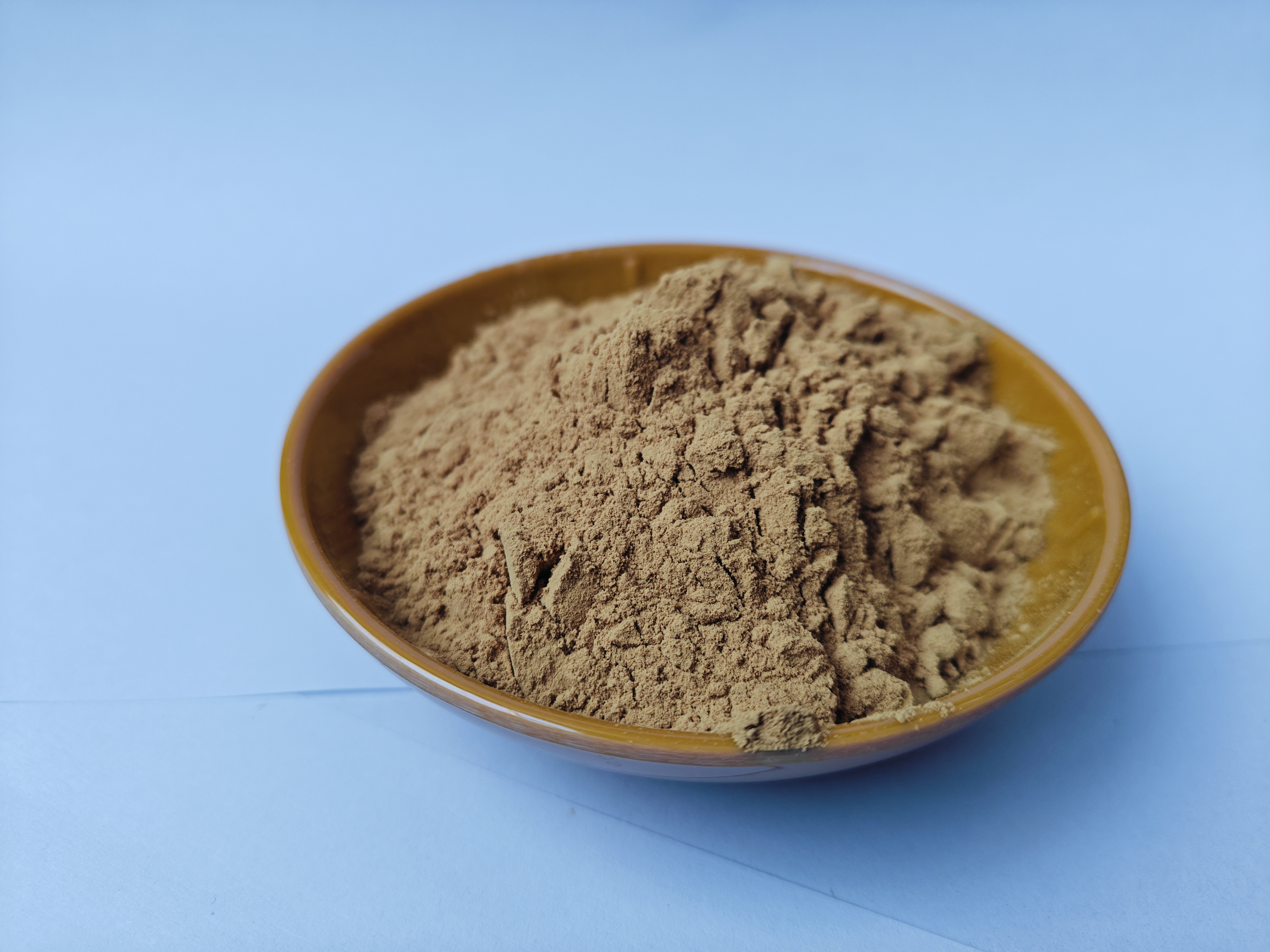
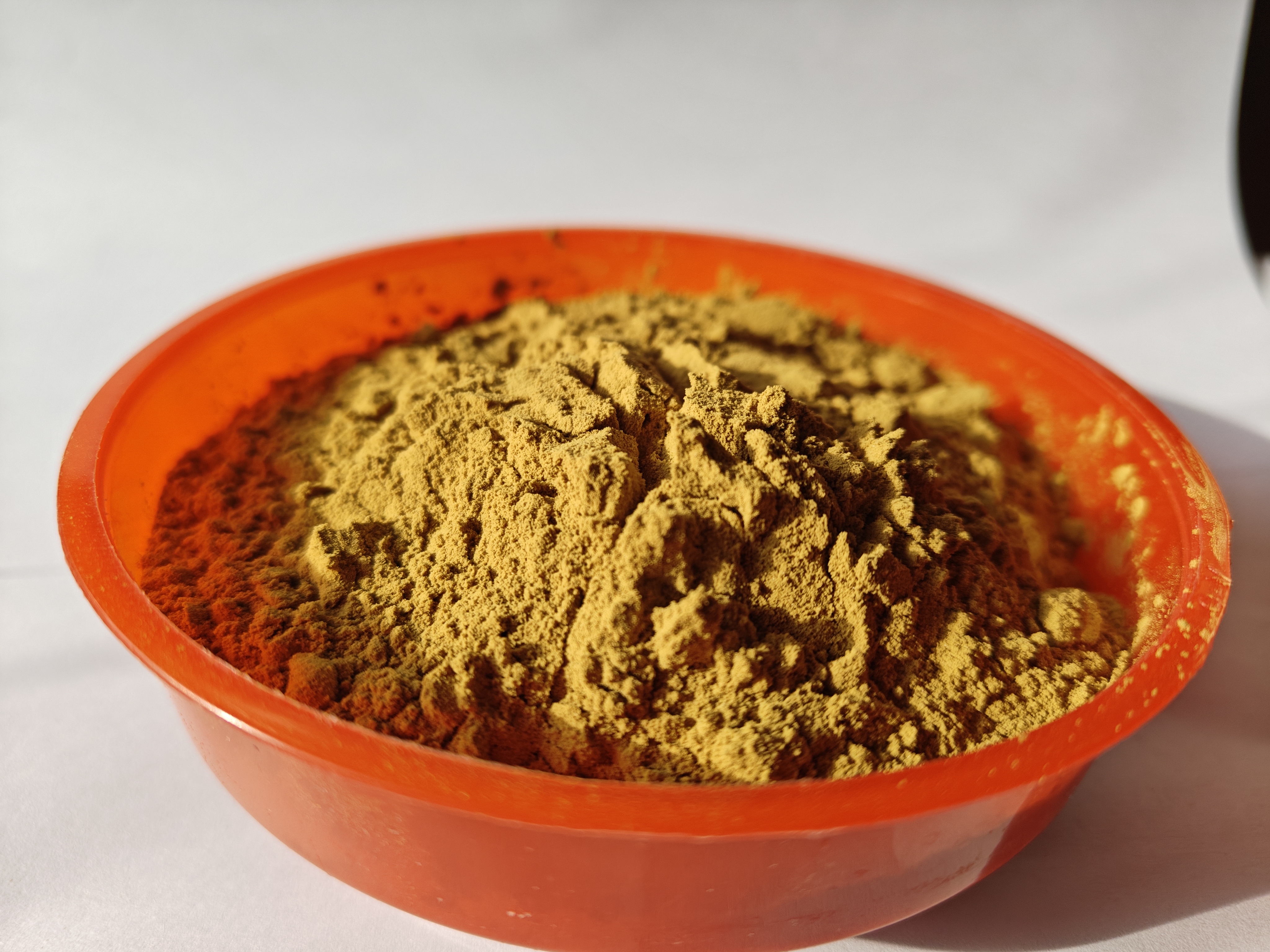
A latent epoxy curing catalyst is a specialized chemical agent designed to remain inactive at room temperature while providing controlled curing activation when exposed to specific triggers such as heat, light, or pressure. This advanced curing technology enables extended working time for epoxy formulations while ensuring rapid and complete polymerization when needed. The latent epoxy curing catalyst functions by remaining dormant within the resin matrix until external energy initiates the cross-linking reaction, offering manufacturers and applicators exceptional control over processing timelines. These catalysts are engineered to provide stable one-component epoxy systems with extended shelf life, eliminating the need for separate mixing of resin and hardener components. The technological features include precise activation temperature control, predictable reaction kinetics, and compatibility with various epoxy resin types. Applications span across aerospace composites, automotive coatings, electronic encapsulation, adhesive formulations, and powder coating systems where storage stability and on-demand curing are critical requirements. The latent epoxy curing catalyst technology addresses common challenges in epoxy processing, including pot life limitations, premature gelation, and inconsistent cure profiles. By incorporating these catalysts, manufacturers can develop single-package products that remain stable during storage and transportation while delivering reliable performance when activated. This innovation has transformed epoxy application methods across multiple industries, enabling new product formats and manufacturing processes that were previously impractical with conventional two-component systems.

Popular Products

The primary advantage of using a latent epoxy curing catalyst is the significant extension of working time and shelf life for epoxy formulations. Unlike traditional two-part systems that begin curing immediately upon mixing, these catalysts remain inactive until deliberately triggered, allowing manufacturers to create convenient one-component products that customers can store for months or even years without degradation. This translates to reduced waste, lower inventory costs, and simplified logistics for businesses throughout the supply chain. Operational benefits include streamlined production processes since there is no need for precise mixing ratios or concerns about pot life expiration during application. Workers can focus on proper application techniques rather than rushing to complete jobs before material becomes unusable. The controlled activation mechanism ensures consistent curing results across different batches and environmental conditions, improving product quality and reducing defect rates. For manufacturers, the latent epoxy curing catalyst enables innovative product development opportunities, including heat-activated adhesives, UV-curable coatings, and moisture-triggered sealants that meet specific market needs. Application suitability extends across temperature-sensitive substrates where room-temperature stability prevents premature bonding or coating issues. The ability to activate curing on demand provides flexibility in manufacturing scheduling and allows for complex assembly processes where different stages require varying cure times. Cost efficiency emerges from eliminated waste associated with mixed material exceeding pot life, reduced labor for mixing operations, and decreased equipment cleaning requirements. Quality control becomes more predictable since activation conditions can be precisely monitored and documented, ensuring regulatory compliance in industries with strict performance standards. These practical benefits make the latent epoxy curing catalyst an intelligent choice for businesses seeking to optimize their epoxy-based operations while delivering superior products to their customers.

Practical Tips

Why Are Organophosphine Based Catalysts Essential for Semiconductor Packaging?

12

Dec

Why Are Organophosphine Based Catalysts Essential for Semiconductor Packaging?

The semiconductor industry relies on precise chemical processes that demand exceptional purity and reliability. Among the various catalyst systems employed in semiconductor packaging applications, organophosphine based catalysts have emerged as indis...
View More
What Should Manufacturers Look for When Choosing Thermally Latent Catalysts?

12

Dec

What Should Manufacturers Look for When Choosing Thermally Latent Catalysts?

Manufacturing processes across industries rely heavily on precise chemical reactions, and selecting the right thermally latent catalysts can determine the success or failure of production outcomes. These specialized catalytic compounds remain inactiv...
View More
How Can Selecting the Right Curing Agent for Epoxy Resins Improve Yield?

12

Feb

How Can Selecting the Right Curing Agent for Epoxy Resins Improve Yield?

The selection of an appropriate curing agent for epoxy resins represents one of the most critical decisions in industrial manufacturing processes, directly impacting product quality, processing efficiency, and overall production yield. Industrial man...
View More
How Can Curing Agents for Epoxy Resins Be Customized for Specific Applications?

12

Feb

How Can Curing Agents for Epoxy Resins Be Customized for Specific Applications?

The versatility and performance of epoxy resins largely depend on the selection and customization of appropriate curing agents for epoxy resins. These chemical compounds, also known as hardeners, play a crucial role in transforming liquid epoxy resin...
View More

Get a Free Quote

Our representative will contact you soon.
Email
Name
Company Name
Message
0/1000

latent epoxy curing catalyst

Extended Shelf Life and Storage Stability

Extended Shelf Life and Storage Stability

One of the most valuable features of a latent epoxy curing catalyst is its ability to provide exceptional storage stability for single-component epoxy systems. Traditional epoxy products require separate storage of resin and hardener components with careful mixing before use, creating opportunities for errors and material waste. With latent catalyst technology, manufacturers can formulate ready-to-use products that remain stable in their containers for extended periods, often exceeding twelve months under proper storage conditions. This stability results from the catalyst's dormant state at ambient temperatures, preventing unwanted cross-linking reactions that would otherwise cause premature gelation or viscosity increase. For end users, this means greater convenience and flexibility in inventory management, as products can be purchased in advance without concerns about expiration during storage. Businesses benefit from reduced waste costs since unused material does not cure in containers or application equipment. The extended working time also allows for larger batch preparations and more complex application procedures without the pressure of racing against pot life limitations. This feature is particularly valuable in industries such as construction and maintenance where project schedules may be unpredictable and materials need to remain usable across varying timeframes.
Precise Cure Control and Activation Flexibility

Precise Cure Control and Activation Flexibility

The latent epoxy curing catalyst offers unparalleled control over when and how epoxy systems cure, providing manufacturers and applicators with strategic advantages in process management. Unlike conventional catalysts that initiate curing immediately, latent versions respond only to specific triggers such as elevated temperature, UV radiation, or moisture exposure. This precision allows users to determine the exact moment curing begins, enabling complex manufacturing sequences where positioning, alignment, or assembly must be completed before permanent bonding occurs. Temperature-activated formulations can be applied at room temperature, then cured rapidly in ovens or with localized heating, optimizing production throughput. UV-activated systems allow for instant curing in seconds upon light exposure, ideal for high-speed manufacturing lines. The predictable activation behavior ensures consistent results across different production runs and environmental conditions, reducing quality variations and rejection rates. This controlled curing capability also enables innovative applications such as reworkable adhesives that can be repositioned before final heat activation, or coatings that remain tacky until deliberately cured. For quality assurance purposes, the distinct activation step provides a clear process checkpoint where cure conditions can be monitored and documented, supporting traceability requirements in regulated industries such as aerospace and medical device manufacturing.
Enhanced Safety and User-Friendly Application

Enhanced Safety and User-Friendly Application

Safety and ease of use represent critical advantages when implementing a latent epoxy curing catalyst in product formulations. Traditional two-component epoxy systems often contain reactive hardeners that may cause skin sensitization, respiratory irritation, or other health concerns during mixing and application. The single-component format enabled by latent catalysts minimizes user exposure to hazardous chemicals since no mixing step is required, reducing the risk of spills, splashes, or inhalation of volatile components. This simplified application process also eliminates common errors associated with incorrect mixing ratios, which can compromise cure quality and product performance. Workers require less specialized training, and application procedures become more straightforward, improving workplace safety and productivity. The dormant nature of the catalyst at room temperature means that incidental skin contact poses lower immediate reactivity risks compared to active hardeners. From a regulatory perspective, single-component systems may face fewer transportation and storage restrictions since they are inherently more stable than mixed reactive materials. Environmental benefits also emerge as simplified application reduces solvent use for equipment cleaning and decreases material waste from unused mixed batches. For businesses, these safety improvements translate to lower insurance costs, reduced worker compensation claims, and enhanced corporate responsibility profiles. Customers appreciate the user-friendly nature of products containing latent epoxy curing catalysts, leading to higher satisfaction and repeat purchases.

Get a Free Quote

Our representative will contact you soon.
Email
Name
Company Name
Message
0/1000