Latent Curing Agent Solutions | Advanced Technology

All Categories

latent curing agent

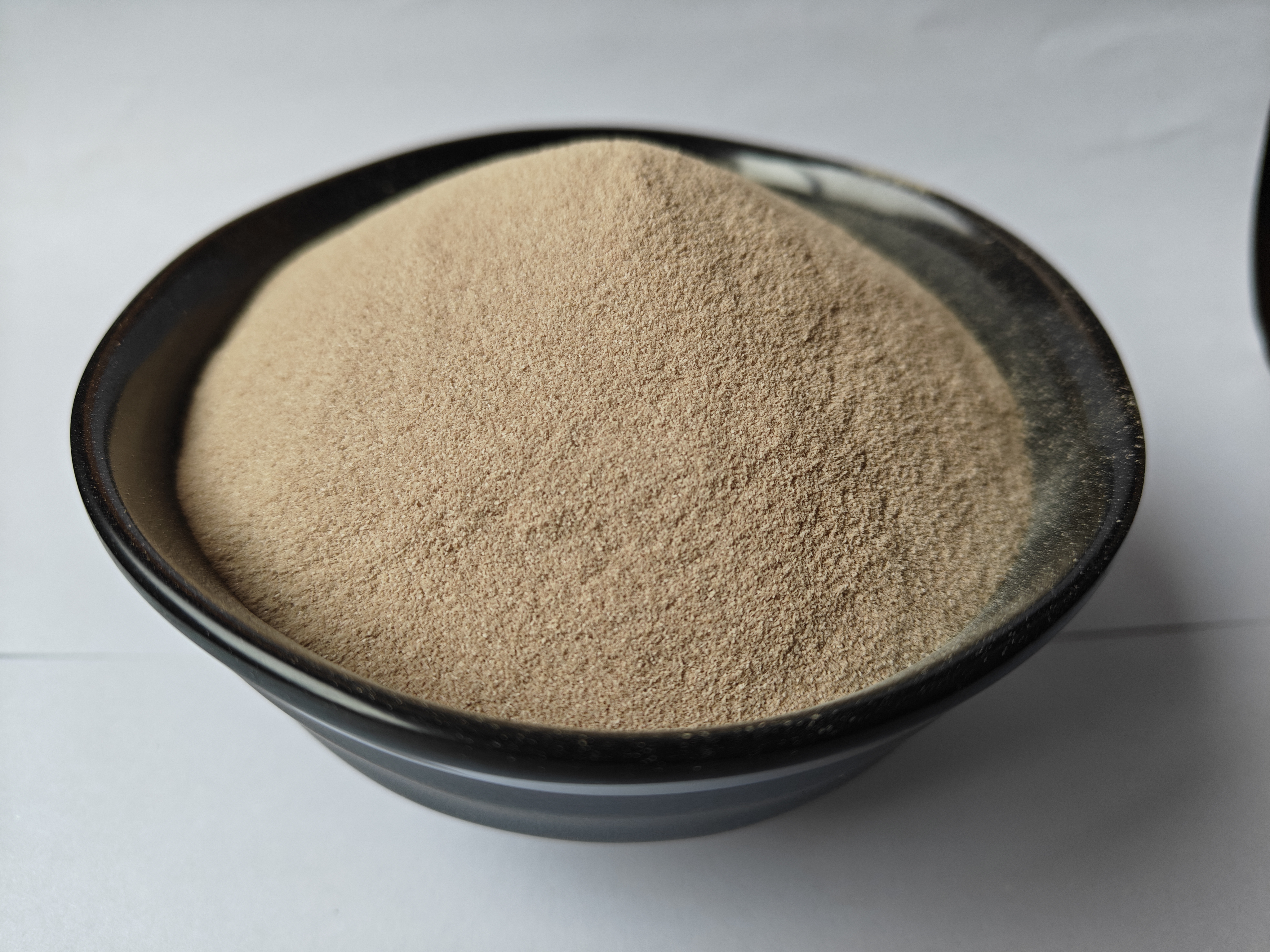
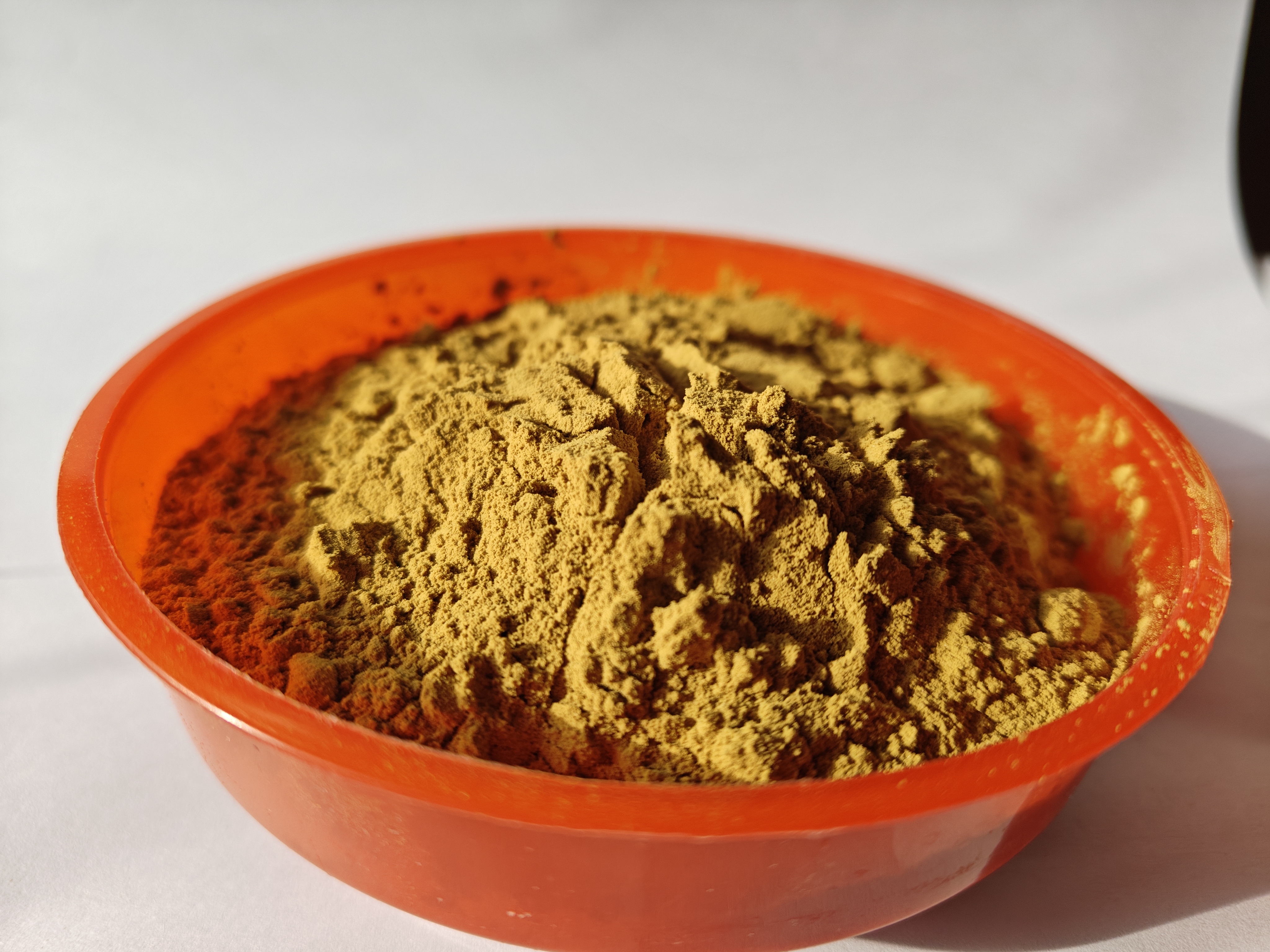
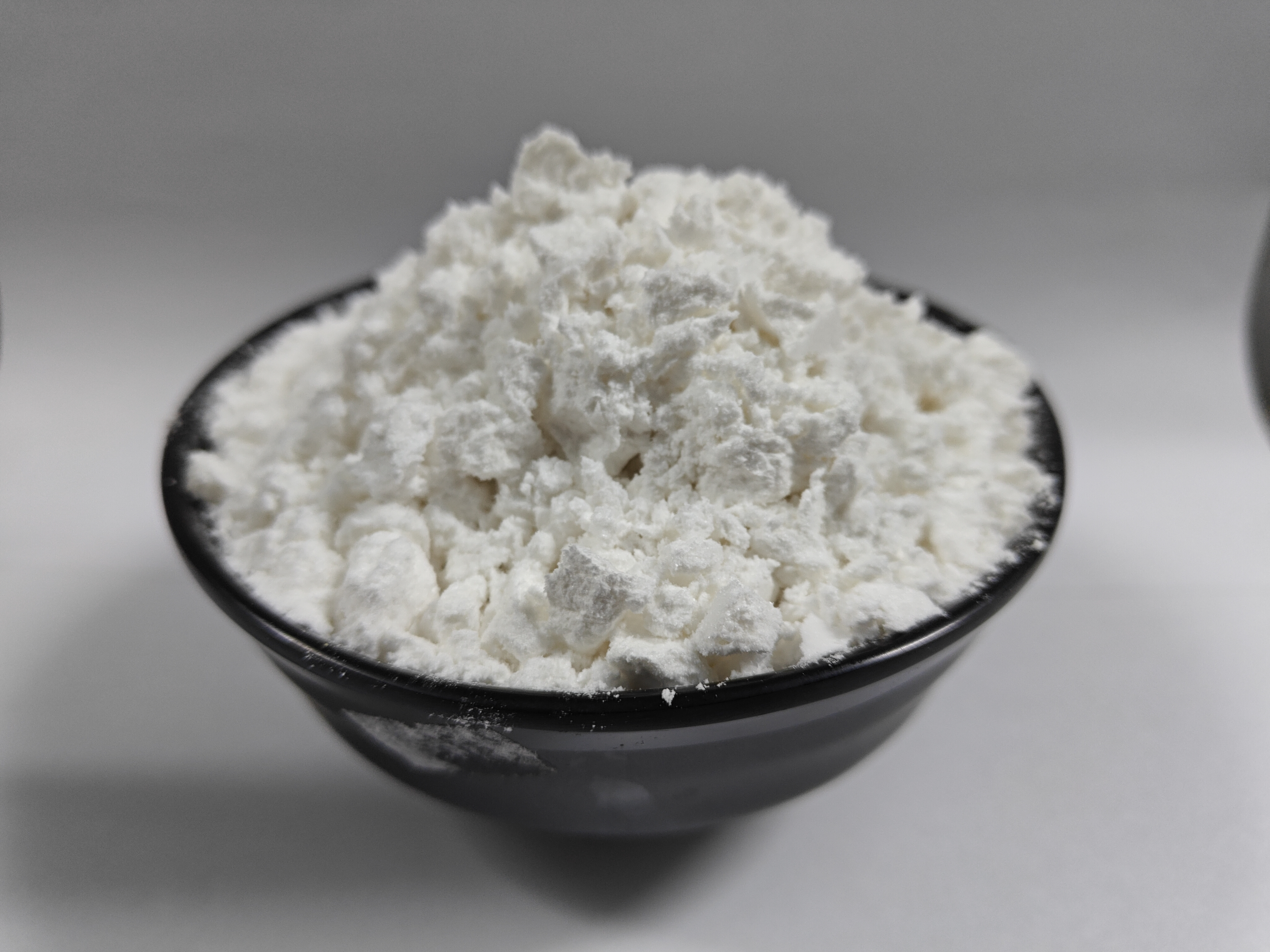
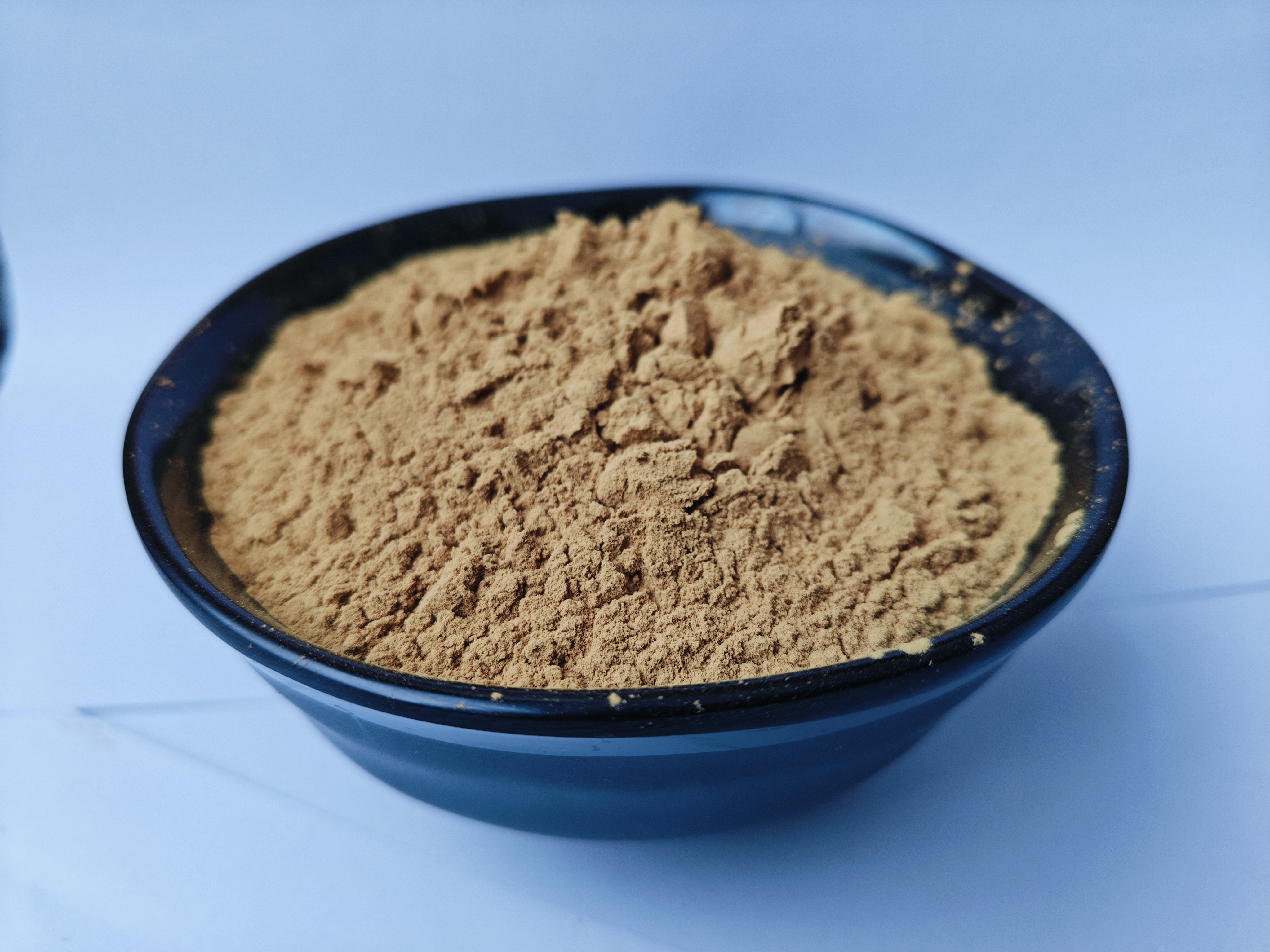
A latent curing agent is a specialized chemical compound designed to initiate the curing process of resins and polymers only when triggered by specific external conditions such as heat, light, or pressure. Unlike conventional curing agents that react immediately upon mixing, a latent curing agent remains dormant at room temperature, providing extended working time and storage stability. This innovative technology has revolutionized the composites and coatings industries by offering precise control over the curing reaction timeline. The latent curing agent works by encapsulating reactive components or utilizing temperature-sensitive molecular structures that activate only when predetermined conditions are met. This unique mechanism prevents premature curing during manufacturing, transportation, and storage phases. Modern formulations of latent curing agent products include microencapsulated amines, blocked isocyanates, and imidazole derivatives, each tailored for specific resin systems and application requirements. The technology enables manufacturers to prepare ready-to-use formulations with single-component systems, eliminating complex mixing procedures and reducing production errors. Industries ranging from aerospace and automotive to electronics and construction rely on latent curing agent solutions to achieve superior product quality and manufacturing efficiency. The controlled activation characteristic allows for complex molding processes, intricate part geometries, and extended assembly times without compromising final mechanical properties. As environmental regulations tighten and manufacturing demands increase, the latent curing agent continues to gain prominence as a critical enabler of advanced materials processing technologies.

New Product Releases

Choosing a latent curing agent delivers significant practical benefits that directly impact your production efficiency and product quality. The extended pot life means you can prepare larger batches without worrying about premature hardening, reducing material waste and lowering overall costs. Your production teams gain flexibility in scheduling since mixed materials remain workable for hours or even days at room temperature, eliminating the pressure of rushed application timelines. Storage becomes simpler as single-component systems containing a latent curing agent require no refrigeration and maintain stability for months, cutting inventory management expenses and warehouse space requirements. The controlled activation feature ensures consistent curing across entire batches, resulting in uniform mechanical properties and reliable product performance that enhances your brand reputation. Manufacturing processes become cleaner and safer since latent curing agent formulations typically produce fewer volatile emissions during application compared to traditional two-component systems. Your quality control procedures improve as the predictable activation threshold eliminates guesswork about when curing begins, allowing precise process monitoring and documentation. Complex assemblies benefit enormously because extended working times permit careful positioning, adjustment, and alignment before final curing initiates. The technology supports automated production lines by maintaining consistent viscosity throughout dispensing operations, ensuring accurate material placement and reducing equipment downtime. Energy efficiency improves as curing occurs rapidly once activated, shortening cycle times and increasing throughput capacity. Product designers gain creative freedom to develop intricate geometries and multi-layer constructions that would be impossible with fast-reacting conventional systems. The latent curing agent approach reduces training requirements since simpler handling procedures mean operators master techniques faster, decreasing onboarding time and improving workplace safety through reduced exposure to reactive chemicals.

Practical Tips

How Can Thermally Latent Catalysts Optimize Curing Control in Semiconductor Packaging?

12

Dec

How Can Thermally Latent Catalysts Optimize Curing Control in Semiconductor Packaging?

The semiconductor packaging industry faces increasingly complex challenges as device miniaturization demands precise material control and processing conditions. Among the critical technologies enabling advanced packaging solutions, thermally latent c...
View More
How Can Curing Agents for Epoxy Resins Be Customized for Specific Applications?

12

Feb

How Can Curing Agents for Epoxy Resins Be Customized for Specific Applications?

The versatility and performance of epoxy resins largely depend on the selection and customization of appropriate curing agents for epoxy resins. These chemical compounds, also known as hardeners, play a crucial role in transforming liquid epoxy resin...
View More
How Can CDI Coupling Reagents Be Optimized for Lab-Scale and Industrial Use?

12

Feb

How Can CDI Coupling Reagents Be Optimized for Lab-Scale and Industrial Use?

CDI coupling reagents have revolutionized the way researchers and industrial chemists approach amide bond formation and esterification reactions. These versatile compounds, particularly N,N'-carbonyldiimidazole, offer exceptional efficiency in activa...
View More
What Makes Thermally Latent Catalysts Essential for Reliable Chip Packaging Solutions?

05

Mar

What Makes Thermally Latent Catalysts Essential for Reliable Chip Packaging Solutions?

In the rapidly evolving semiconductor industry, achieving reliable and efficient chip packaging requires advanced materials that can withstand extreme processing conditions while maintaining optimal performance. Thermally latent catalysts have emerge...
View More

Get a Free Quote

Our representative will contact you soon.
Email
Name
Company Name
Message
0/1000

latent curing agent

Extended Working Time and Storage Stability

Extended Working Time and Storage Stability

The latent curing agent provides exceptional shelf stability and prolonged working periods that transform manufacturing workflows. Unlike traditional curing systems that begin reacting immediately upon component mixing, this advanced technology remains completely inactive at ambient temperatures, giving operators substantial time to complete complex assembly tasks without rushing. Manufacturing facilities can prepare formulations in advance and store them for extended periods without degradation, eliminating the need for constant batch preparation and reducing labor costs. This stability advantage proves particularly valuable for industries requiring precise component placement, such as electronics encapsulation and aerospace composite layup, where meticulous attention to detail cannot be compromised by time pressure. The latent curing agent technology enables single-component packaging, which simplifies inventory management and eliminates mixing errors that commonly occur with two-part systems. When activation conditions are applied, the curing reaction proceeds rapidly and completely, ensuring full crosslinking and optimal mechanical properties. This combination of dormancy and controlled activation represents a fundamental advancement in thermoset processing, offering manufacturers unprecedented control over production timing while maintaining superior final product characteristics that meet the most demanding performance specifications.
Consistent Quality and Predictable Performance

Consistent Quality and Predictable Performance

Implementing a latent curing agent ensures remarkable consistency in product quality by eliminating variables that compromise conventional curing processes. The precisely defined activation threshold means every product experiences identical curing conditions, resulting in uniform mechanical properties, consistent appearance, and reliable long-term performance across production runs. This predictability significantly reduces quality control costs and minimizes rejection rates, directly improving profitability and customer satisfaction. The latent curing agent responds only to specific triggers such as reaching a predetermined temperature, ensuring that curing occurs exactly when intended rather than gradually over time. This controlled activation eliminates common defects associated with premature or incomplete curing, including weak bond strength, internal stress formation, and dimensional instability. Manufacturers gain confidence in their processes knowing that environmental fluctuations during transportation or temporary storage will not affect product integrity. The technology particularly benefits applications requiring tight tolerances and critical performance characteristics, such as structural adhesives in automotive assembly or protective coatings in marine environments. Documentation and traceability improve as activation parameters are easily monitored and recorded, supporting quality management systems and regulatory compliance requirements. The latent curing agent delivers repeatable results that build customer trust and strengthen competitive positioning in demanding markets.
Environmental and Safety Advantages

Environmental and Safety Advantages

The latent curing agent offers substantial environmental and workplace safety benefits compared to conventional curing systems. Single-component formulations eliminate the need for separate hardener containers, reducing packaging waste and simplifying disposal procedures. Lower volatile organic compound emissions during application create healthier working environments and help manufacturers comply with increasingly strict environmental regulations without sacrificing performance. The stable nature of latent curing agent systems reduces the risk of accidental spills and exposure incidents since materials do not react unexpectedly during handling and storage. Workers experience less skin irritation and respiratory concerns because reactive components remain encapsulated or chemically blocked until intentional activation occurs. This safety profile reduces personal protective equipment requirements and associated costs while improving overall workplace comfort and employee satisfaction. The technology supports sustainable manufacturing initiatives by minimizing material waste through extended usability periods and eliminating the disposal of expired two-component mixtures that hardened before use. Energy consumption decreases as rapid curing following activation shortens production cycles and reduces heating requirements compared to ambient-cure systems. The latent curing agent aligns with corporate responsibility goals by enabling cleaner production processes, reducing environmental footprint, and promoting safer working conditions, all while delivering superior technical performance that meets rigorous industry standards and customer expectations.

Get a Free Quote

Our representative will contact you soon.
Email
Name
Company Name
Message
0/1000