Industrial Grade 2-Phenyl-4-Methylimidazole

All Categories

industrial grade 2-phenyl-4-methylimidazole

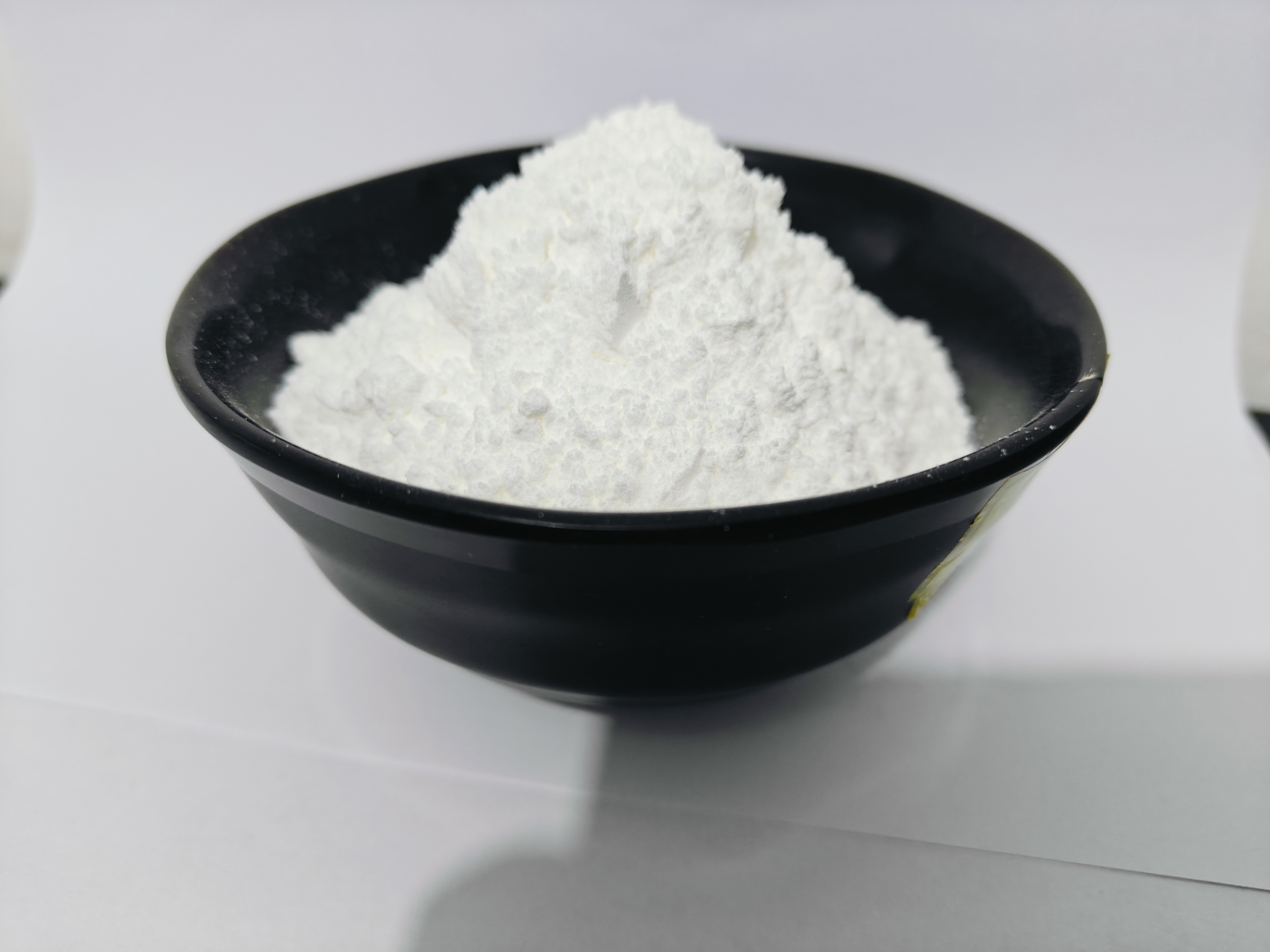
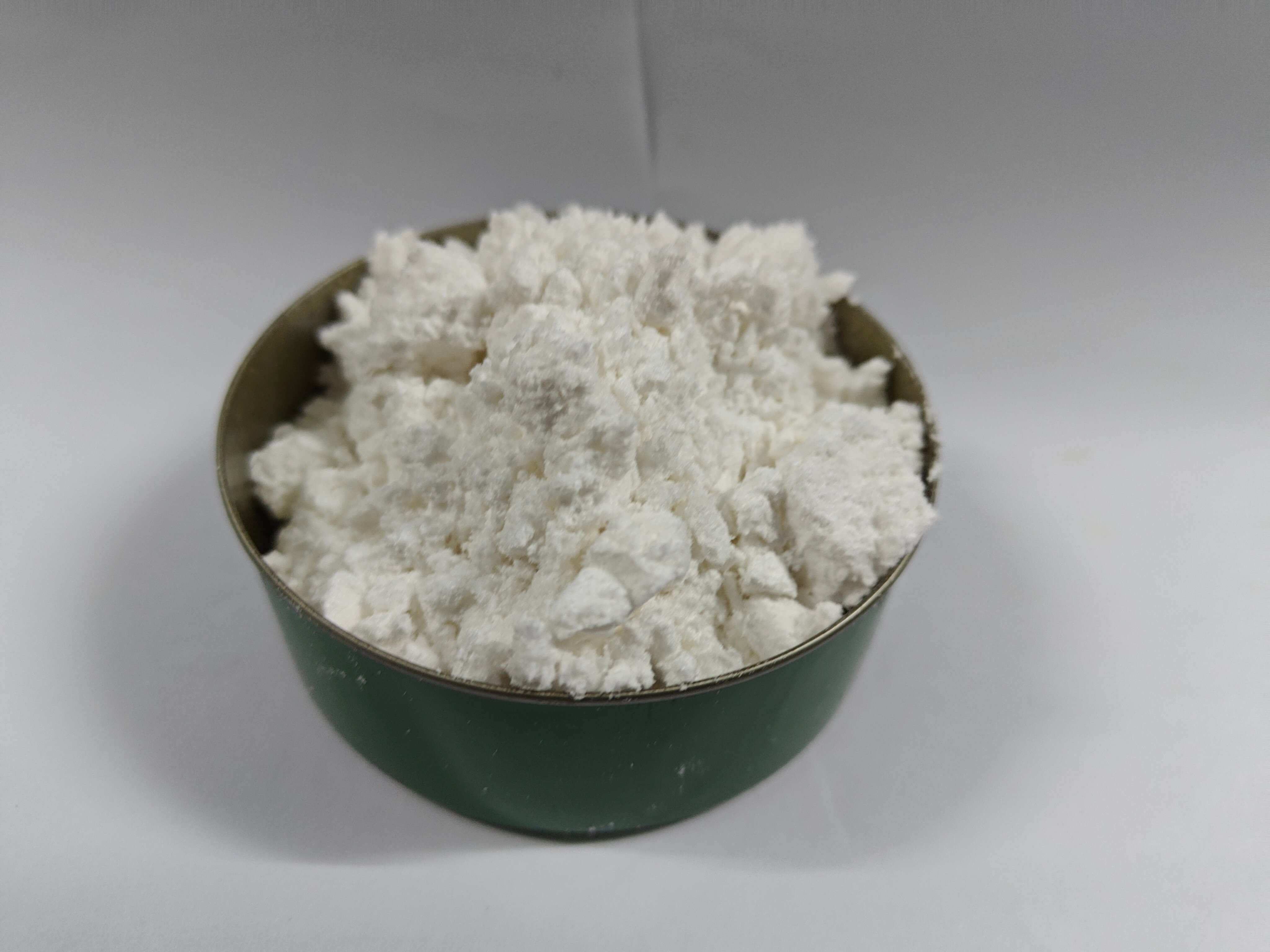
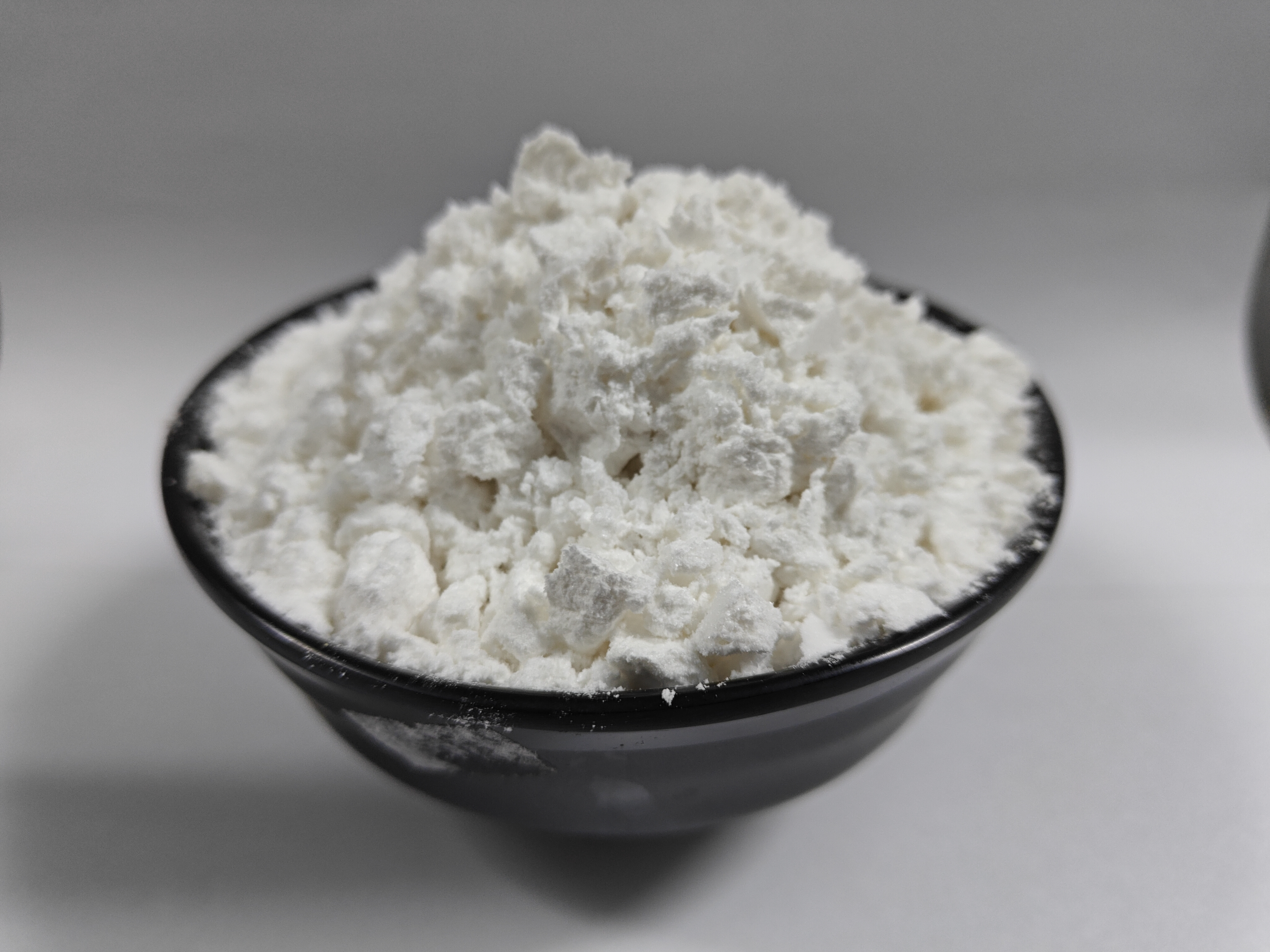
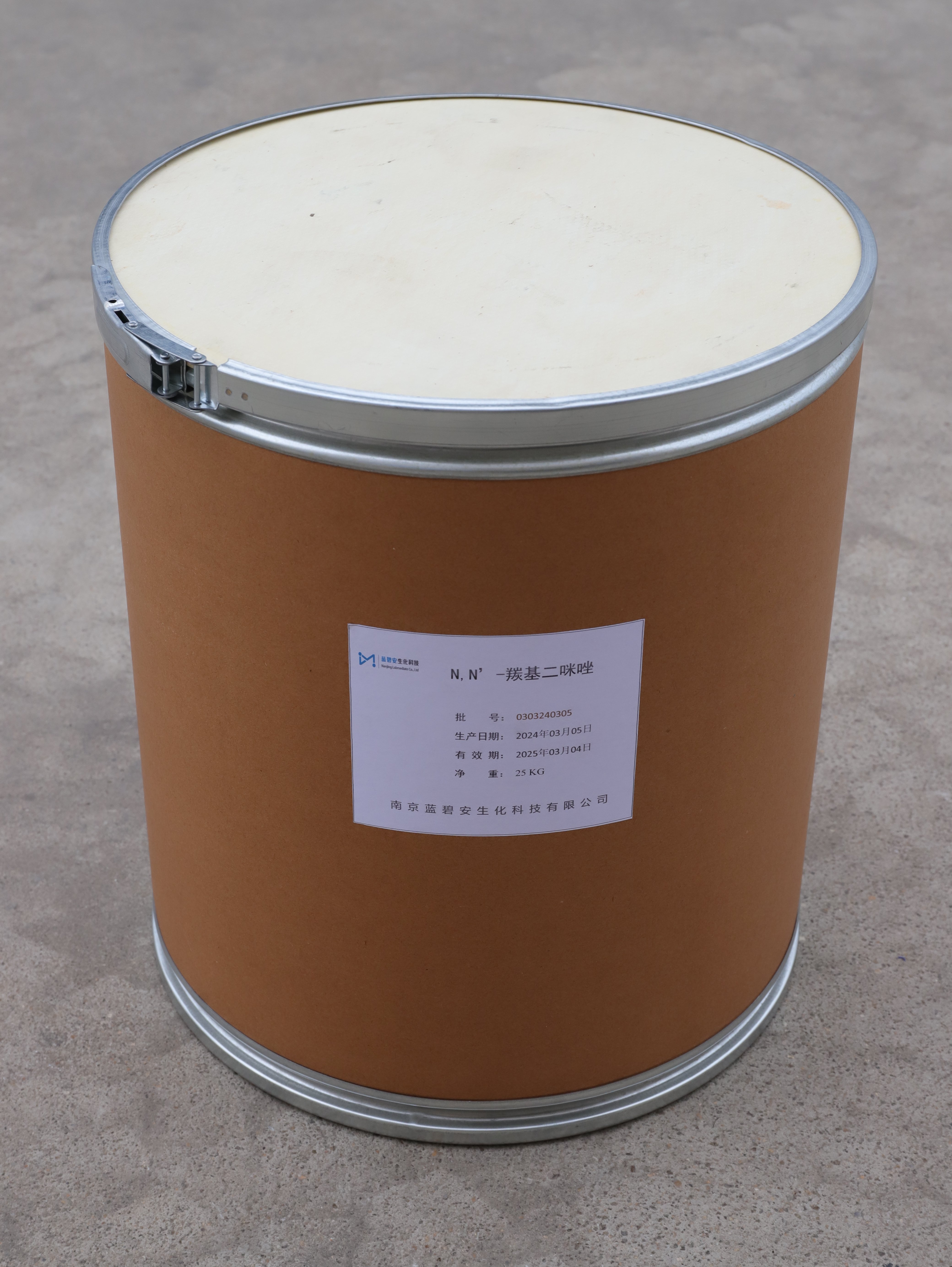
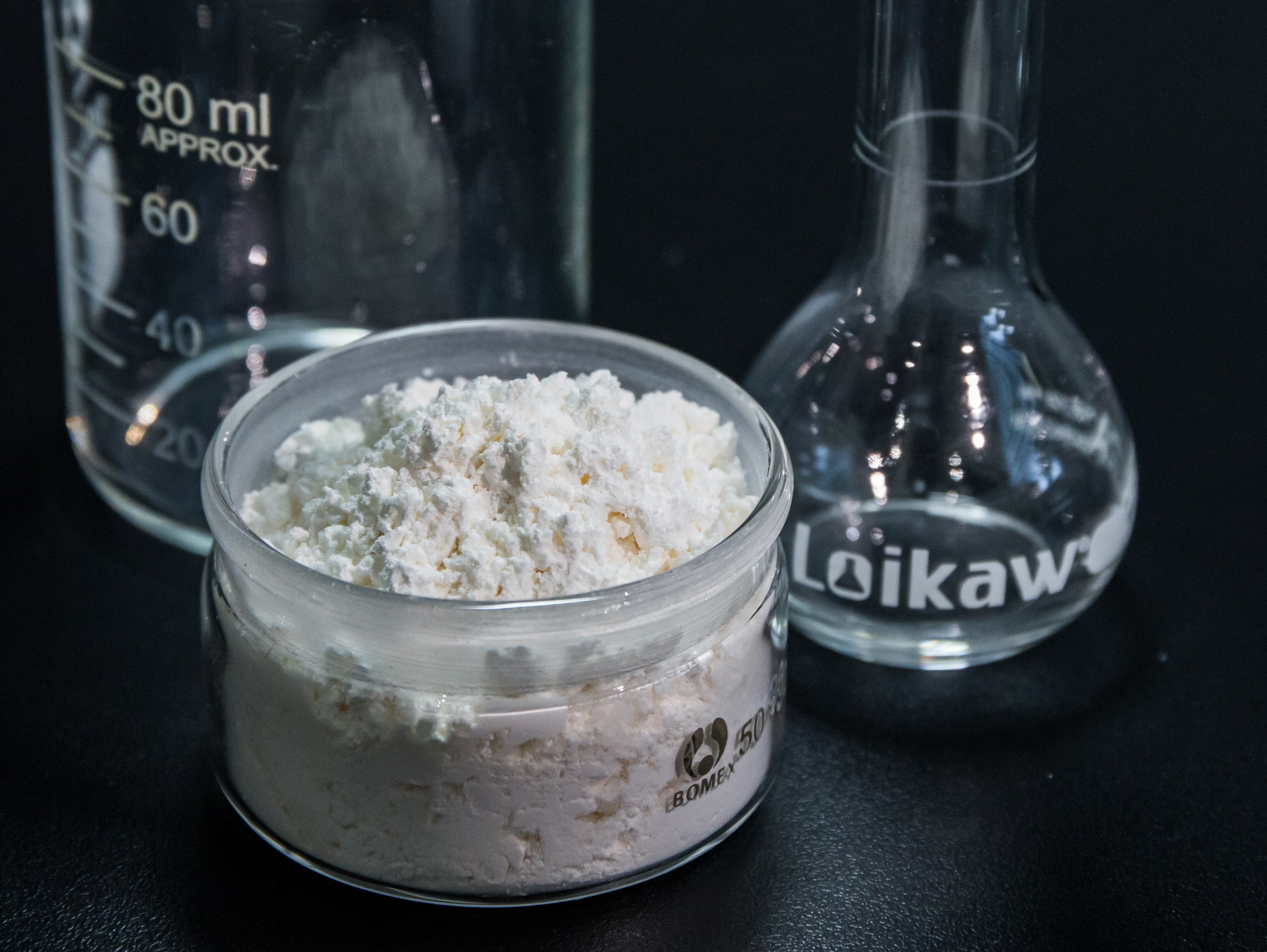
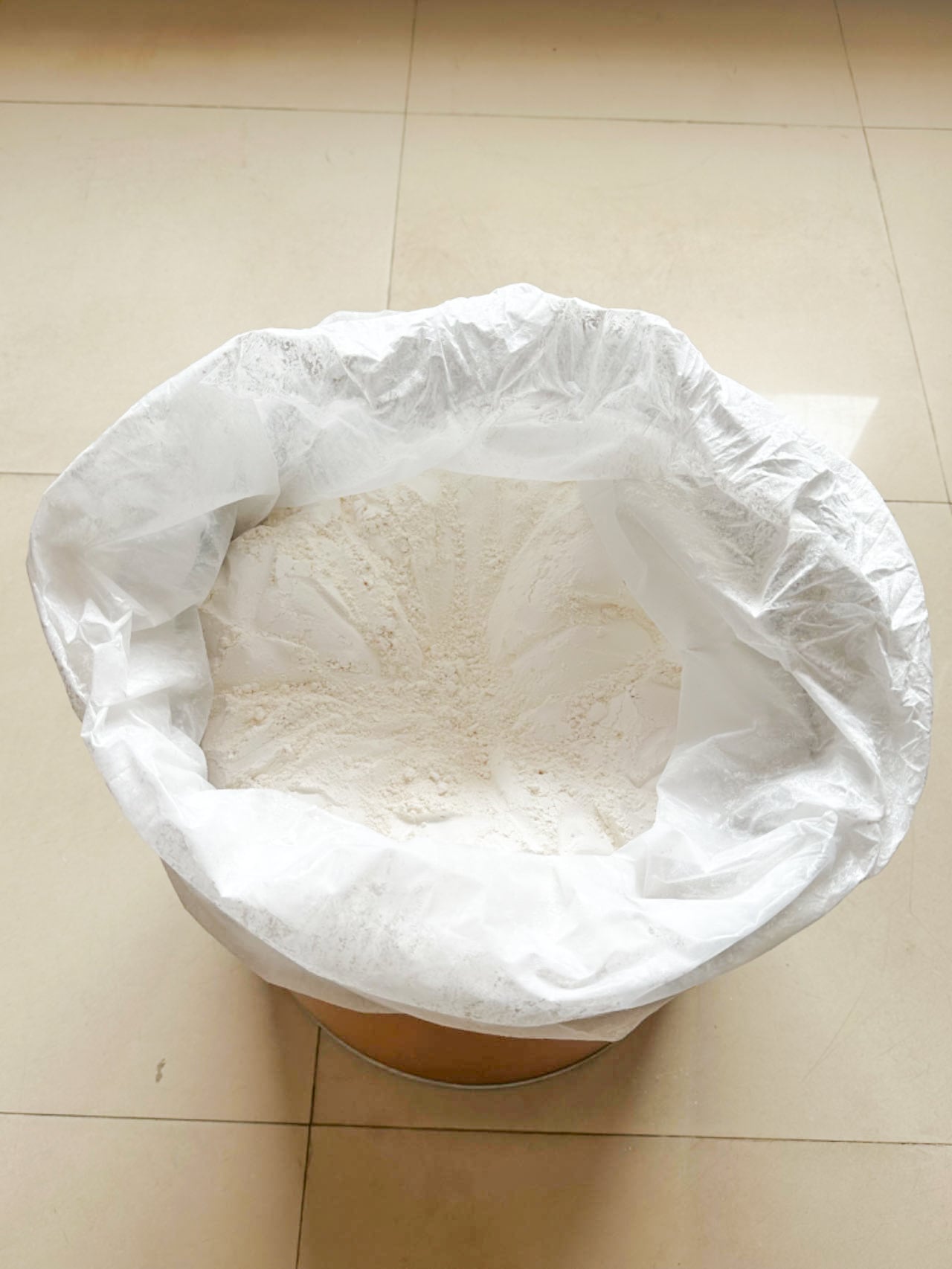
Industrial grade 2-phenyl-4-methylimidazole represents a high-performance curing agent and catalyst widely utilized in advanced polymer and composite manufacturing processes. This specialized chemical compound belongs to the imidazole family and demonstrates exceptional catalytic efficiency in epoxy resin systems, making it indispensable for industries requiring precision-engineered materials. The molecular structure of industrial grade 2-phenyl-4-methylimidazole provides outstanding thermal stability and controlled reactivity, enabling manufacturers to achieve consistent curing profiles across diverse production environments. Its primary function centers on accelerating the cross-linking reaction in epoxy formulations while maintaining excellent latent properties at ambient temperatures. This characteristic allows formulators to extend pot life and working time without compromising final material performance. The technological features of industrial grade 2-phenyl-4-methylimidazole include superior solubility in epoxy resins, minimal volatility during processing, and compatibility with various hardener systems. These attributes translate into enhanced processability and reduced waste in manufacturing operations. Applications span aerospace composite fabrication, electronics encapsulation, adhesive formulations, and high-performance coating systems where demanding mechanical properties and thermal resistance are critical. The compound serves particularly well in applications requiring elevated service temperatures, as cured systems exhibit exceptional glass transition temperatures and dimensional stability. Industrial grade 2-phenyl-4-methylimidazole enables manufacturers to produce components with superior mechanical strength, chemical resistance, and long-term durability, meeting stringent quality standards across multiple industrial sectors.

New Products

Choosing industrial grade 2-phenyl-4-methylimidazole delivers measurable operational benefits that directly impact production efficiency and product quality. The primary advantage lies in its latent curing characteristics, which provide extended storage stability for pre-mixed epoxy formulations, reducing material waste and allowing batch processing flexibility. Manufacturing facilities benefit from simplified inventory management as formulations remain stable for weeks or months at room temperature, activating only when subjected to elevated curing temperatures. This operational convenience translates into cost savings through reduced material spoilage and improved production scheduling flexibility. The compound enables faster production cycles compared to traditional curing systems, as it facilitates rapid cross-linking once activation temperature is reached, reducing overall processing time and increasing throughput capacity. Quality consistency represents another significant buyer value, as industrial grade 2-phenyl-4-methylimidazole ensures uniform curing throughout thick sections and complex geometries, minimizing defects and rejection rates. The application suitability extends across diverse industrial sectors because this catalyst performs reliably in both ambient and elevated temperature cure schedules, accommodating various manufacturing constraints. Decision-makers appreciate the compound's contribution to final product performance, including enhanced heat resistance, superior mechanical properties, and excellent chemical stability in cured systems. These attributes prove essential for aerospace components, automotive parts, and electronic assemblies where failure is not acceptable. The economic benefits extend beyond production efficiency to include reduced labor costs through simplified mixing procedures and decreased equipment maintenance requirements. Industrial grade 2-phenyl-4-methylimidazole supports environmentally conscious manufacturing by minimizing volatile organic compound emissions during processing, helping facilities meet regulatory compliance standards while maintaining workplace safety standards.

Practical Tips

How Do Thermally Latent Catalysts Improve Epoxy Molding Compound Storage Stability?

12

Dec

How Do Thermally Latent Catalysts Improve Epoxy Molding Compound Storage Stability?

Epoxy molding compounds are essential materials in electronics manufacturing, but their storage stability presents significant challenges for manufacturers and suppliers. The key to overcoming these challenges lies in understanding how thermally late...
View More
What Should Manufacturers Look for When Choosing Thermally Latent Catalysts?

12

Dec

What Should Manufacturers Look for When Choosing Thermally Latent Catalysts?

Manufacturing processes across industries rely heavily on precise chemical reactions, and selecting the right thermally latent catalysts can determine the success or failure of production outcomes. These specialized catalytic compounds remain inactiv...
View More
How is CDI coupling reagent used in large-scale manufacturing

07

Jan

How is CDI coupling reagent used in large-scale manufacturing

The pharmaceutical and chemical manufacturing industries increasingly rely on efficient coupling reagents to facilitate complex synthesis reactions at scale. Among these powerful chemical tools, cdi coupling reagent stands out as a versatile and reli...
View More
How Can CDI Coupling Reagents Be Optimized for Lab-Scale and Industrial Use?

12

Feb

How Can CDI Coupling Reagents Be Optimized for Lab-Scale and Industrial Use?

CDI coupling reagents have revolutionized the way researchers and industrial chemists approach amide bond formation and esterification reactions. These versatile compounds, particularly N,N'-carbonyldiimidazole, offer exceptional efficiency in activa...
View More

Get a Free Quote

Our representative will contact you soon.
Email
Name
Company Name
Message
0/1000

industrial grade 2-phenyl-4-methylimidazole

Superior Latent Curing Performance

Superior Latent Curing Performance

Industrial grade 2-phenyl-4-methylimidazole excels in providing exceptional latent curing behavior that fundamentally transforms epoxy resin processing capabilities. Unlike conventional curing agents that initiate cross-linking reactions immediately upon mixing, this specialized catalyst remains dormant at room temperature, allowing extended working times that can stretch from days to months depending on formulation design. This remarkable stability eliminates the pressure of rushed processing schedules and enables manufacturers to prepare large batches efficiently without concerns about premature gelation. The latent characteristic proves invaluable for operations involving complex layup procedures, intricate mold filling, or extended assembly times where traditional systems would fail. When manufacturers apply controlled heat, industrial grade 2-phenyl-4-methylimidazole activates rapidly, initiating a highly efficient curing reaction that produces fully cross-linked networks with outstanding properties. This temperature-triggered mechanism provides precise process control, ensuring consistent results across production runs while accommodating variations in part geometry and thickness. The practical benefits include reduced material waste, simplified quality control procedures, and enhanced production flexibility that directly contribute to improved profitability and competitive advantage in demanding industrial applications.
Exceptional Thermal and Mechanical Properties

Exceptional Thermal and Mechanical Properties

The cured systems produced using industrial grade 2-phenyl-4-methylimidazole demonstrate remarkable thermal stability and mechanical performance that exceed conventional epoxy formulations. Components manufactured with this catalyst exhibit glass transition temperatures frequently exceeding 150 degrees Celsius, enabling reliable service in high-temperature environments where standard materials would soften or degrade. This elevated heat resistance proves critical for aerospace applications, automotive under-hood components, and electronic devices generating significant operational heat. The mechanical properties include outstanding tensile strength, flexural modulus, and impact resistance that maintain integrity under demanding service conditions. Industrial grade 2-phenyl-4-methylimidazole facilitates the formation of highly cross-linked polymer networks with minimal residual stress, resulting in dimensionally stable parts resistant to warping, cracking, or deformation over extended service lifetimes. The chemical resistance of cured systems protects against aggressive solvents, fuels, hydraulic fluids, and corrosive chemicals, extending component longevity in harsh industrial environments. These combined thermal and mechanical attributes enable design engineers to specify thinner, lighter components without sacrificing performance, contributing to weight reduction initiatives in transportation and aerospace sectors where every gram matters for fuel efficiency and payload capacity optimization.

Enhanced Processing Efficiency and Safety

Enhanced Processing Efficiency and Safety

Industrial grade 2-phenyl-4-methylimidazole significantly improves manufacturing efficiency while promoting safer workplace conditions compared to alternative curing systems. The compound's low volatility during mixing and curing operations minimizes airborne emissions, reducing worker exposure to potentially irritating vapors and helping facilities maintain healthy indoor air quality standards. This safety advantage translates into lower personal protective equipment costs and reduced ventilation requirements, contributing to overall operational cost reductions. The excellent solubility characteristics ensure homogeneous dispersion throughout epoxy formulations with minimal mixing effort, reducing processing time and energy consumption while improving batch-to-batch consistency. Manufacturers appreciate the predictable curing kinetics that enable precise process optimization and reduced quality control testing frequency. The compatibility of industrial grade 2-phenyl-4-methylimidazole with various epoxy resins, hardeners, and additives provides formulation flexibility, allowing chemists to tailor systems for specific performance requirements without extensive redevelopment work. The reduced exothermic heat generation during curing compared to some fast-acting catalysts minimizes the risk of thermal runaway in thick sections, improving process safety and reducing internal stress development that could compromise part integrity and dimensional accuracy in precision-engineered components.

Get a Free Quote

Our representative will contact you soon.
Email
Name
Company Name
Message
0/1000