Imidazole Epoxy Hardener Guide & Benefits

All Categories

imidazole epoxy hardener

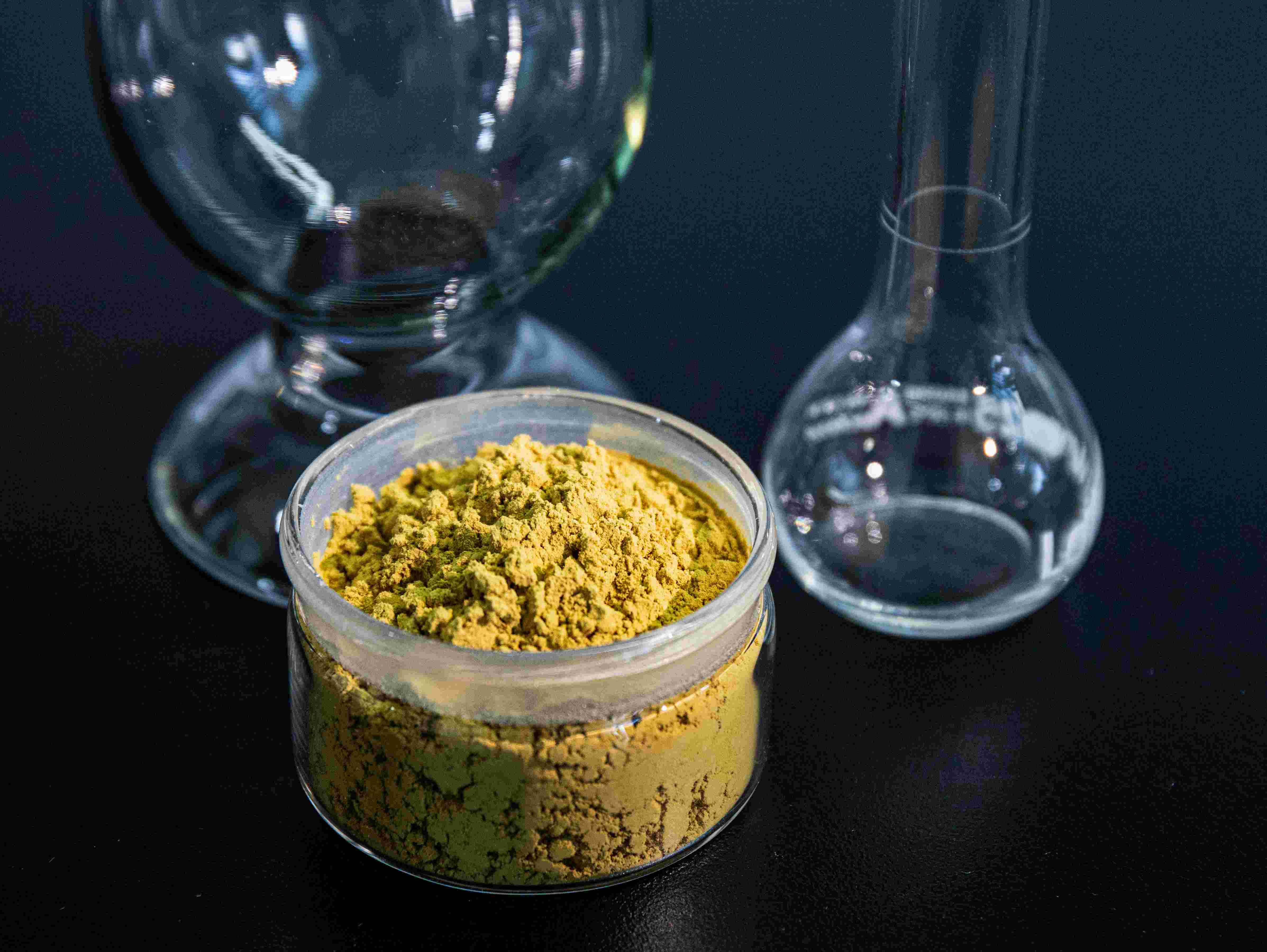
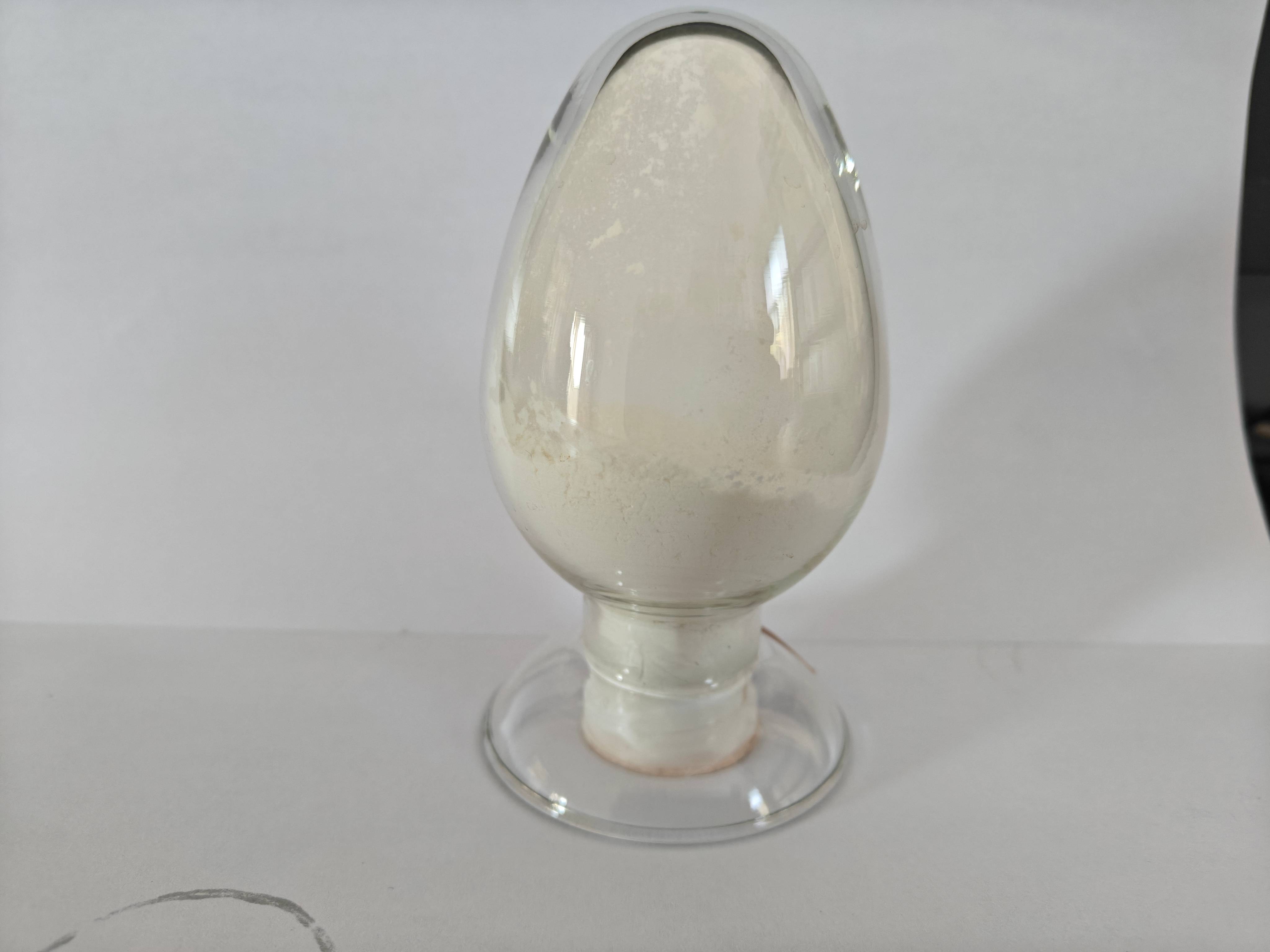
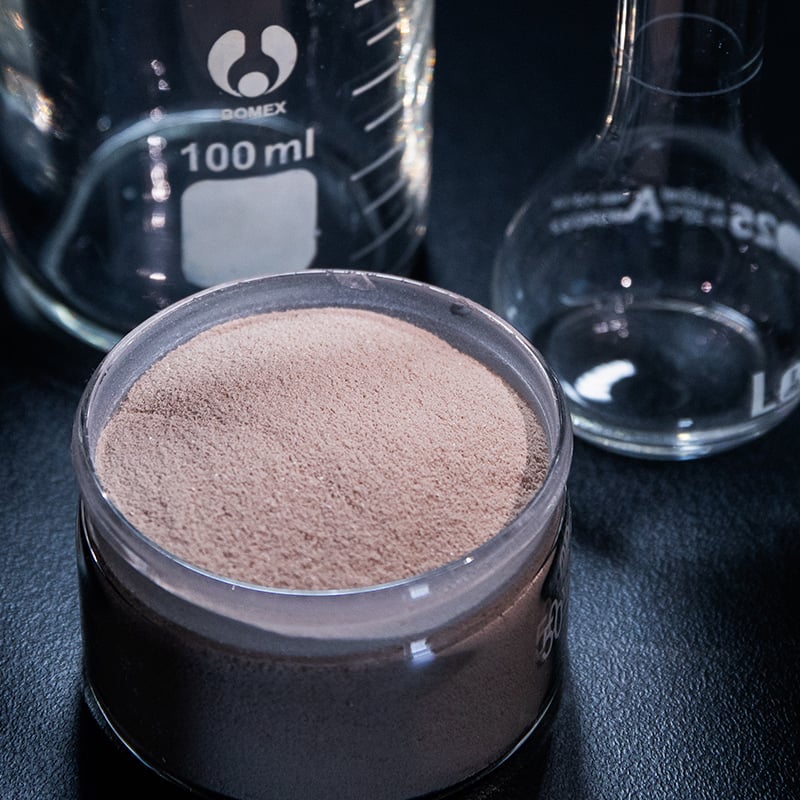
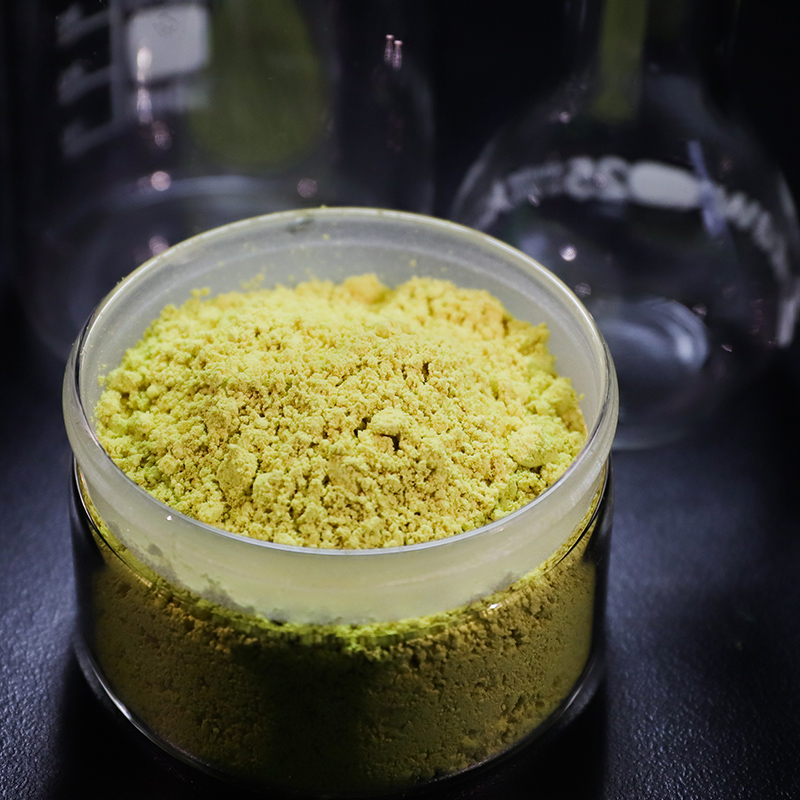
Imidazole epoxy hardener represents a specialized class of curing agents designed to facilitate the cross-linking process in epoxy resin systems. These nitrogen-containing heterocyclic compounds serve as catalytic accelerators and hardeners, enabling epoxy formulations to cure effectively under various temperature conditions. The primary function of imidazole epoxy hardener is to initiate and control the polymerization reaction between epoxy groups, resulting in a three-dimensional network structure with exceptional mechanical and chemical properties. Technologically, imidazole epoxy hardener offers remarkable versatility in cure schedules, ranging from ambient temperature curing to elevated heat applications. These hardeners exhibit low viscosity, excellent compatibility with diverse epoxy resins, and the ability to provide extended pot life while maintaining rapid cure characteristics when activated. The latent curing nature of imidazole epoxy hardener means formulations remain stable during storage yet react efficiently when exposed to appropriate thermal conditions. Applications for imidazole epoxy hardener span multiple industries including electronics manufacturing, where they serve in encapsulation and printed circuit board production, aerospace composites requiring high-performance structural adhesives, automotive coatings demanding superior durability, and construction materials needing robust bonding solutions. The unique chemical structure of imidazole epoxy hardener allows for customization in formulation design, enabling manufacturers to optimize cure speed, working time, and final performance characteristics according to specific application requirements, making them indispensable components in advanced epoxy systems.

New Product Recommendations

When considering curing agents for epoxy systems, imidazole epoxy hardener delivers distinct practical benefits that directly impact production efficiency and product quality. First, these hardeners provide exceptional control over cure timing, allowing manufacturers to balance working time with production throughput. This means you can prepare larger batches without worrying about premature gelation, reducing material waste and improving operational workflow. The catalytic efficiency of imidazole epoxy hardener enables lower dosage requirements compared to traditional hardeners, translating to cost savings while maintaining superior performance characteristics. From an operational perspective, imidazole epoxy hardener simplifies processing by offering single-component formulation possibilities. Once mixed, these systems remain stable at room temperature, eliminating the need for refrigerated storage and complex handling procedures. When heat is applied, the cure reaction proceeds rapidly and uniformly, reducing cycle times and increasing production capacity. This thermal latency characteristic proves invaluable in manufacturing environments where consistent quality and process reliability are paramount. The resulting cured products exhibit outstanding thermal stability, excellent electrical insulation properties, and superior chemical resistance. These performance attributes ensure end products withstand demanding service conditions, whether exposed to elevated temperatures in electronic devices, harsh chemicals in industrial environments, or mechanical stress in structural applications. For buyers, choosing imidazole epoxy hardener means investing in a proven technology that enhances product durability, reduces warranty claims, and strengthens market competitiveness. The versatility of imidazole epoxy hardener across multiple application methods including casting, coating, laminating, and adhesive bonding provides design flexibility, allowing you to address diverse customer needs with a single reliable curing platform that streamlines inventory management and technical support requirements.

Practical Tips

How Can Thermally Latent Catalysts Optimize Curing Control in Semiconductor Packaging?

12

Dec

How Can Thermally Latent Catalysts Optimize Curing Control in Semiconductor Packaging?

The semiconductor packaging industry faces increasingly complex challenges as device miniaturization demands precise material control and processing conditions. Among the critical technologies enabling advanced packaging solutions, thermally latent c...
View More
How is CDI coupling reagent used in large-scale manufacturing

07

Jan

How is CDI coupling reagent used in large-scale manufacturing

The pharmaceutical and chemical manufacturing industries increasingly rely on efficient coupling reagents to facilitate complex synthesis reactions at scale. Among these powerful chemical tools, cdi coupling reagent stands out as a versatile and reli...
View More
How Do Thermally Latent Catalysts Affect Reaction Rate and Thermal Properties?

05

Mar

How Do Thermally Latent Catalysts Affect Reaction Rate and Thermal Properties?

Thermally latent catalysts represent a revolutionary approach to controlling chemical reactions through temperature-dependent activation mechanisms. These specialized compounds remain inactive at room temperature but undergo rapid activation when hea...
View More
What Makes Thermally Latent Catalysts Essential for Reliable Chip Packaging Solutions?

05

Mar

What Makes Thermally Latent Catalysts Essential for Reliable Chip Packaging Solutions?

In the rapidly evolving semiconductor industry, achieving reliable and efficient chip packaging requires advanced materials that can withstand extreme processing conditions while maintaining optimal performance. Thermally latent catalysts have emerge...
View More

Get a Free Quote

Our representative will contact you soon.
Email
Name
Company Name
Message
0/1000

imidazole epoxy hardener

Superior Thermal Latency and Extended Pot Life

Superior Thermal Latency and Extended Pot Life

One of the most valuable characteristics of imidazole epoxy hardener is its exceptional thermal latency, which provides manufacturers with unprecedented control over the curing process. Unlike conventional hardeners that begin reacting immediately upon mixing, imidazole epoxy hardener formulations remain remarkably stable at ambient temperatures, offering extended pot life that can range from several hours to days depending on the specific grade selected. This extended working window eliminates the pressure of rushed application and allows for careful, thorough processing of complex parts or large-scale projects. The latent nature means mixed formulations can be stored temporarily without degradation, reducing material waste from expired batches. When thermal energy is introduced, typically through oven curing or localized heating, the imidazole epoxy hardener activates rapidly, initiating a controlled and uniform cure throughout the entire part geometry. This predictable activation prevents issues like surface skinning or partial cure that plague other systems. The result is consistent quality across production runs, reduced scrap rates, and improved manufacturing efficiency. For operations requiring precise timing coordination, such as automated dispensing systems or multi-step assembly processes, the thermal latency of imidazole epoxy hardener provides the process control necessary for reliable, repeatable outcomes that meet stringent quality standards.
Outstanding Mechanical and Electrical Performance

Outstanding Mechanical and Electrical Performance

Products cured with imidazole epoxy hardener demonstrate exceptional mechanical strength and electrical insulation properties that make them ideal for demanding applications across electronics, aerospace, and industrial sectors. The cross-linked network formed during curing creates a rigid, highly stable polymer matrix with excellent tensile strength, compressive resistance, and dimensional stability across wide temperature ranges. This mechanical robustness ensures components maintain structural integrity under thermal cycling, vibration, and mechanical loading conditions encountered in real-world service environments. Equally important, imidazole epoxy hardener systems exhibit superior dielectric properties, including high volume resistivity and low dielectric loss, making them the preferred choice for electrical encapsulation, potting, and insulation applications. These electrical characteristics remain stable even under elevated temperatures and humid conditions, providing long-term reliability for sensitive electronic components and circuits. The low ionic content and minimal outgassing of properly formulated imidazole epoxy hardener systems prevent corrosion and contamination issues that compromise electronic performance. Additionally, the excellent adhesion to various substrates including metals, ceramics, and polymers ensures robust interfacial bonding that withstands thermal expansion mismatch and mechanical stress. This combination of mechanical durability and electrical performance delivers tangible value by extending product service life, reducing field failures, and enabling miniaturization in electronic designs where space is at a premium.
Versatile Processing and Formulation Flexibility

Versatile Processing and Formulation Flexibility

Imidazole epoxy hardener offers remarkable formulation flexibility that enables chemists and engineers to tailor epoxy systems precisely to application-specific requirements. These hardeners are compatible with a broad spectrum of epoxy resin types including bisphenol-A, bisphenol-F, novolac, and cycloaliphatic varieties, allowing formulators to optimize performance characteristics such as chemical resistance, thermal properties, and mechanical strength. The catalytic nature of imidazole epoxy hardener means effective curing can be achieved at relatively low concentrations, typically ranging from one to five percent by weight, leaving greater formulation space for functional additives like fillers, flame retardants, pigments, and toughening agents. This compositional freedom enables the development of specialized products addressing niche market needs without sacrificing cure efficiency. Processing versatility extends to multiple application methods including spray coating, brush application, roller coating, dip coating, vacuum impregnation, and automated dispensing systems. The low mixed viscosity of many imidazole epoxy hardener formulations facilitates excellent wetting and penetration into porous substrates, intricate geometries, and tightly wound coils, ensuring complete coverage and void-free encapsulation. Furthermore, cure schedules can be customized by selecting different imidazole derivatives and adjusting cure temperatures, providing options ranging from room temperature overnight cures to rapid high-temperature processes completed in minutes. This adaptability makes imidazole epoxy hardener suitable for both high-volume automated manufacturing and low-volume custom fabrication, delivering consistent results across diverse production environments and application scenarios.

Get a Free Quote

Our representative will contact you soon.
Email
Name
Company Name
Message
0/1000