2-Ethyl-4-Methylimidazole 2E4MZ Catalyst Guide

All Categories

2-ethyl-4-methylimidazole 2e4mz

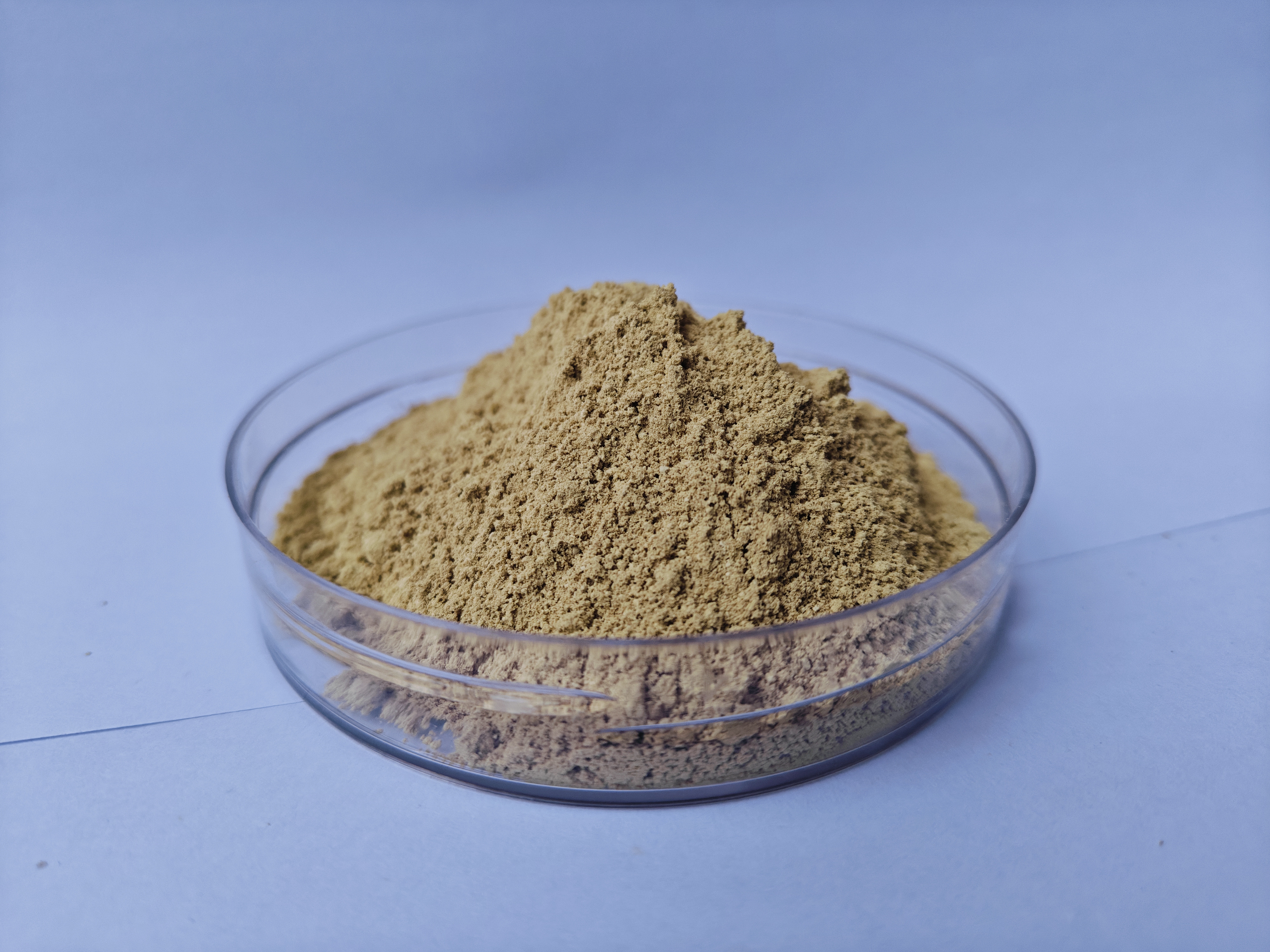
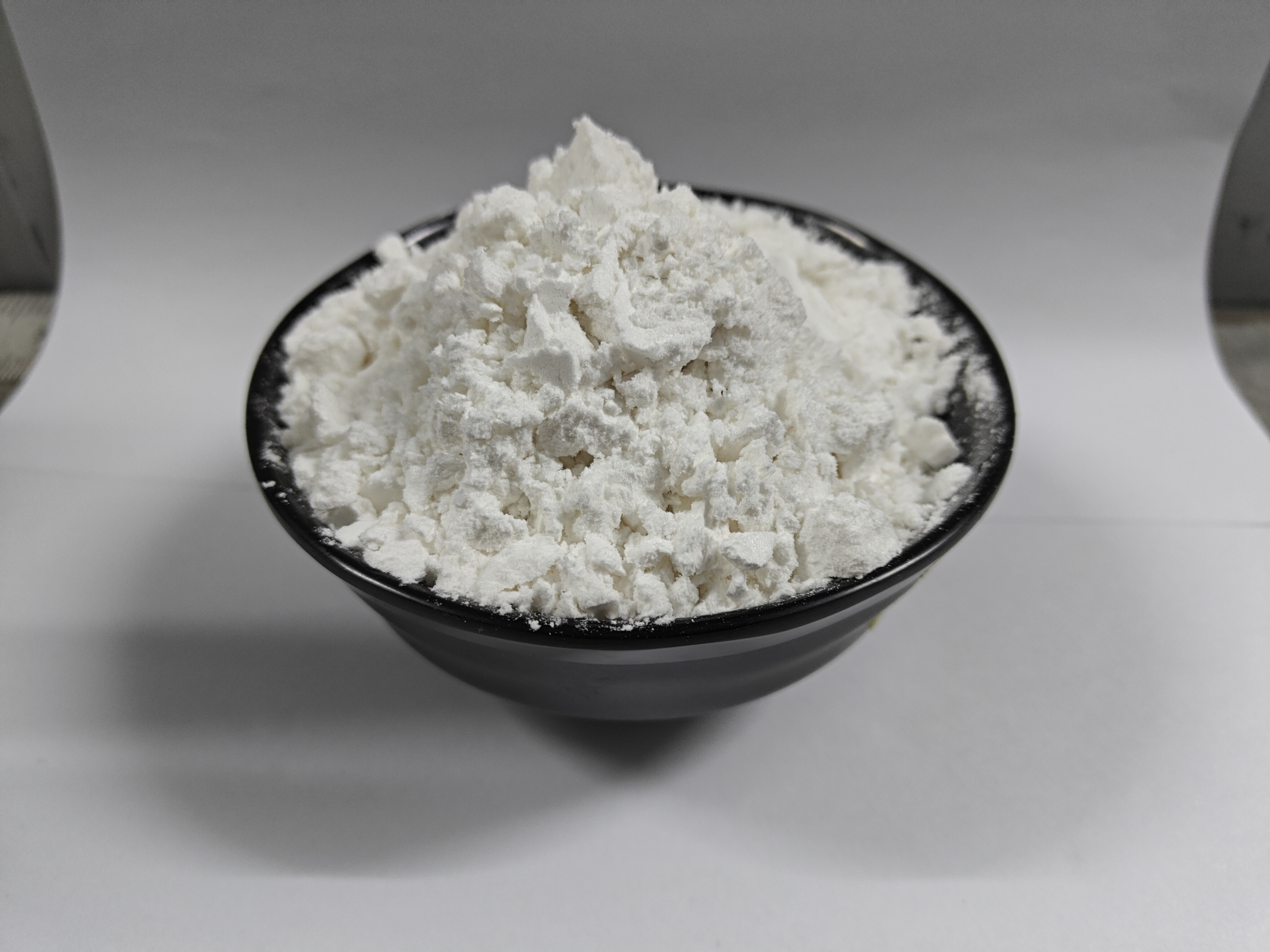
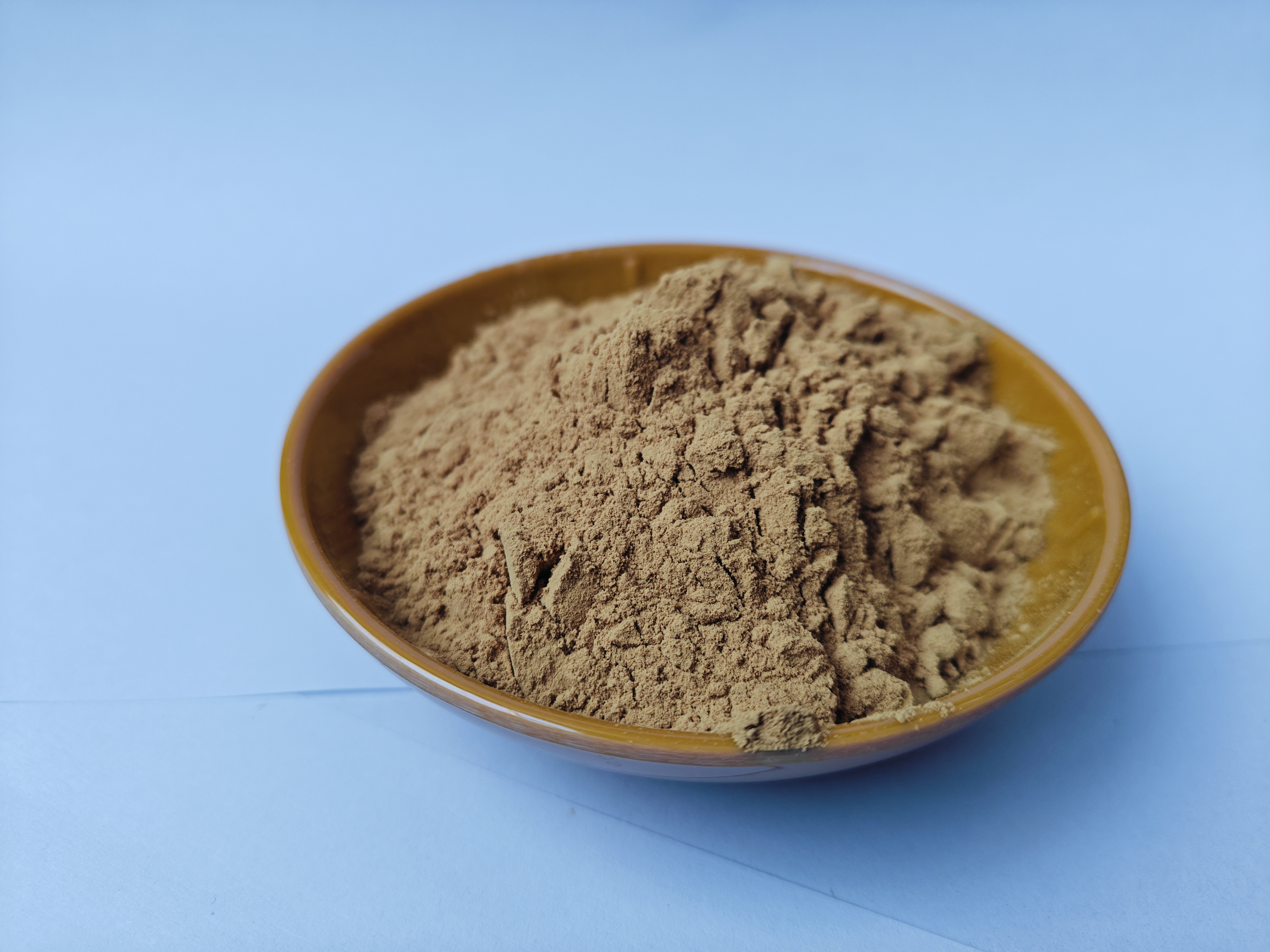
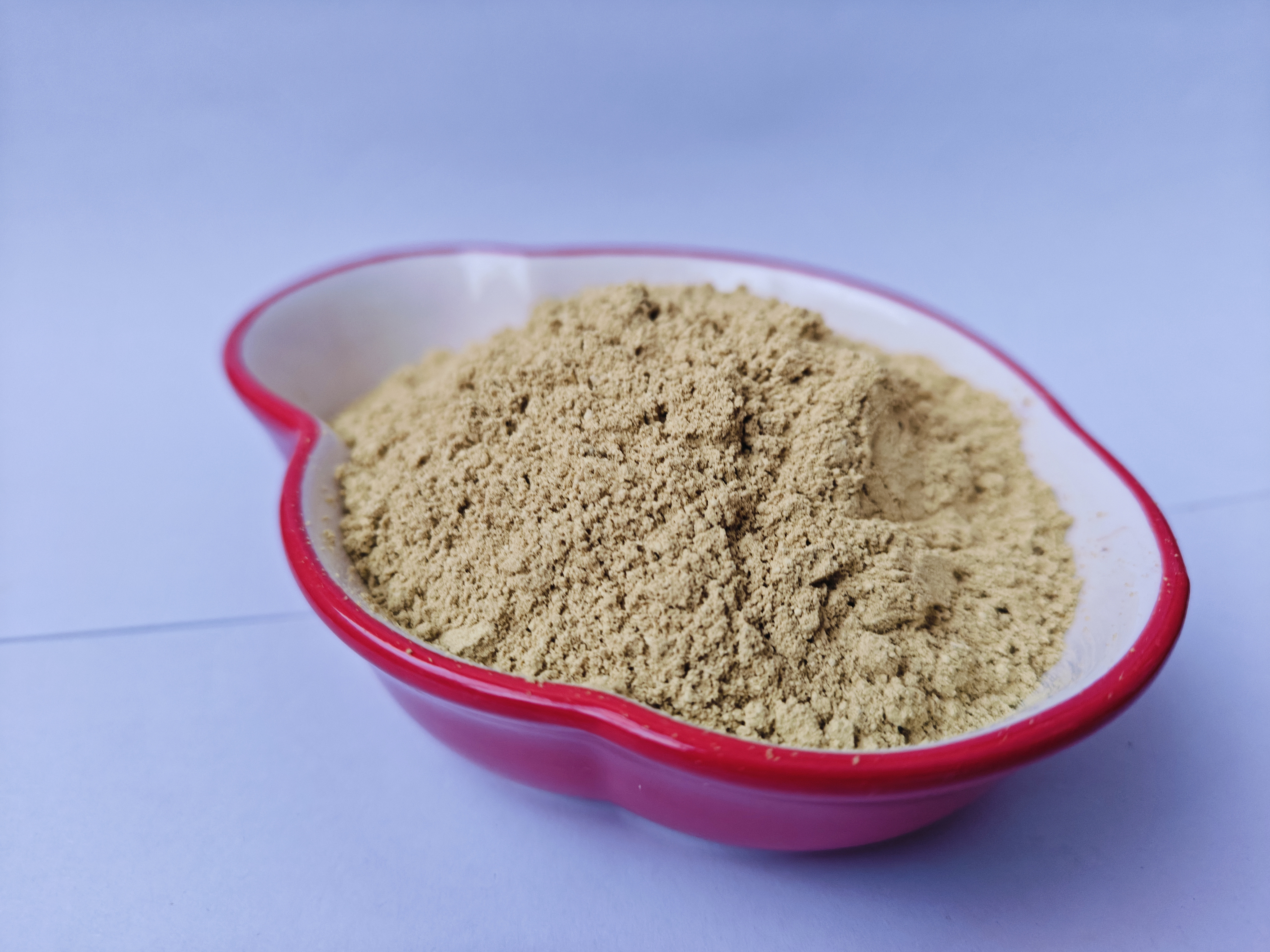
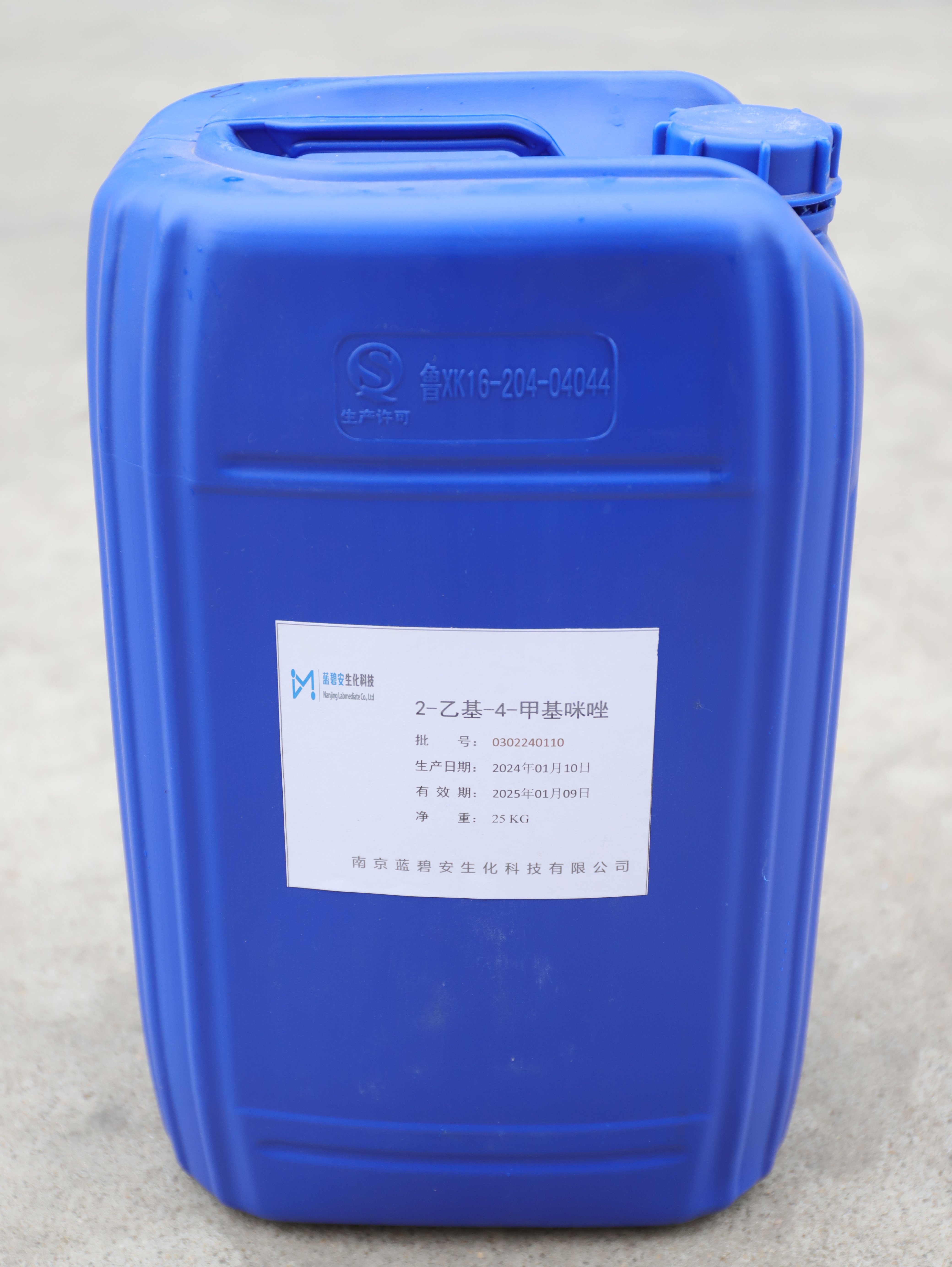
2-ethyl-4-methylimidazole 2e4mz is a specialized imidazole derivative that serves as a highly effective curing catalyst and accelerator in various industrial applications. This organic compound features a unique molecular structure with ethyl and methyl substituents positioned on the imidazole ring, providing enhanced reactivity and stability. The primary function of 2-ethyl-4-methylimidazole 2e4mz is to accelerate the curing process of epoxy resins, polyurethanes, and other thermosetting polymers, significantly reducing processing time while improving the final product's mechanical and thermal properties. Technologically, this catalyst operates through nucleophilic activation mechanisms, initiating polymerization reactions at lower temperatures compared to conventional catalysts. Its selective reactivity ensures controlled curing rates, preventing premature gelation while maintaining optimal working time for manufacturers. The compound demonstrates excellent solubility in common resin systems and maintains stability during storage, making it practical for large-scale industrial operations. Applications of 2-ethyl-4-methylimidazole 2e4mz span multiple sectors including composite manufacturing, adhesive formulation, coating systems, and electronic encapsulation. In the composites industry, it enables faster production cycles for fiber-reinforced materials used in aerospace and automotive components. The adhesive sector benefits from its ability to create strong, durable bonds in structural applications. For coatings, it facilitates the development of high-performance protective finishes with superior chemical resistance. In electronics, 2-ethyl-4-methylimidazole 2e4mz helps produce reliable encapsulation materials that protect sensitive components from environmental stresses while maintaining electrical insulation properties.

New Products

The advantages of 2-ethyl-4-methylimidazole 2e4mz deliver substantial value to manufacturers seeking to optimize their production processes and product quality. This catalyst provides exceptional curing efficiency, enabling manufacturers to reduce energy consumption and cycle times by up to forty percent compared to traditional curing agents. The operational benefit translates directly into increased throughput and lower production costs, making it economically attractive for high-volume manufacturing environments. The compound's low temperature curing capability allows processing of heat-sensitive substrates without degradation, expanding application possibilities and reducing thermal stress on components. From a buyer value perspective, 2-ethyl-4-methylimidazole 2e4mz offers consistent performance batch after batch, eliminating the variability that often plagues chemical processes. This reliability reduces waste, minimizes rejected parts, and improves overall quality control metrics. The catalyst's excellent shelf stability means reduced inventory concerns and fewer instances of material expiration, protecting your investment in raw materials. Application suitability stands out as another key advantage, as 2-ethyl-4-methylimidazole 2e4mz works effectively across diverse resin systems including bisphenol-based epoxies, novolac epoxies, and modified formulations. This versatility allows manufacturers to standardize on a single catalyst platform, simplifying procurement and reducing the complexity of material management. The compound also enhances the final product's mechanical properties, including tensile strength, flexural modulus, and impact resistance, delivering superior performance characteristics that meet demanding specifications. Additionally, 2-ethyl-4-methylimidazole 2e4mz contributes to improved chemical resistance in cured systems, extending product service life in harsh environments. The decision to incorporate this catalyst becomes straightforward when considering the combination of faster processing, better product performance, operational simplicity, and overall cost effectiveness it provides to forward-thinking manufacturers.

Tips And Tricks

How Do Organophosphine Based Catalysts Enhance EMC Curing Performance?

12

Dec

How Do Organophosphine Based Catalysts Enhance EMC Curing Performance?

The electronics manufacturing industry has witnessed remarkable advancements in encapsulation materials, particularly in the realm of epoxy molding compounds (EMC). As semiconductor devices become increasingly sophisticated and miniaturized, the dema...
View More
How do manufacturers optimize CDI amide bonds for production use

07

Jan

How do manufacturers optimize CDI amide bonds for production use

Chemical manufacturing processes rely heavily on efficient bond formation techniques to create stable molecular structures for various industrial applications. Among the most significant developments in organic synthesis, cdi amide bonds represent a ...
View More
How Can Selecting the Right Curing Agent for Epoxy Resins Improve Yield?

12

Feb

How Can Selecting the Right Curing Agent for Epoxy Resins Improve Yield?

The selection of an appropriate curing agent for epoxy resins represents one of the most critical decisions in industrial manufacturing processes, directly impacting product quality, processing efficiency, and overall production yield. Industrial man...
View More
How Can Organophosphine Based Catalysts Reduce Defects in Chip Encapsulation?

05

Mar

How Can Organophosphine Based Catalysts Reduce Defects in Chip Encapsulation?

Semiconductor manufacturing faces increasing demands for precision and reliability, particularly in chip encapsulation processes where defects can compromise entire electronic devices. Organophosphine based catalysts have emerged as critical componen...
View More

Get a Free Quote

Our representative will contact you soon.
Email
Name
Company Name
Message
0/1000

2-ethyl-4-methylimidazole 2e4mz

Superior Curing Acceleration Performance

Superior Curing Acceleration Performance

The outstanding curing acceleration capability of 2-ethyl-4-methylimidazole 2e4mz represents a transformative advantage for manufacturers working with thermosetting polymer systems. This catalyst initiates and accelerates crosslinking reactions with remarkable efficiency, reducing cure times by thirty to fifty percent depending on formulation specifics. The importance of this feature cannot be overstated in competitive manufacturing environments where production speed directly impacts profitability. Unlike conventional catalysts that require elevated temperatures or extended cure cycles, 2-ethyl-4-methylimidazole 2e4mz activates polymerization at moderate temperatures, typically between sixty and one hundred twenty degrees Celsius. This lower temperature processing preserves substrate integrity, prevents thermal damage to sensitive components, and reduces energy costs substantially. The value to customers extends beyond mere speed, as faster curing also means reduced work-in-process inventory, smaller production footprints, and improved capital equipment utilization. Furthermore, the controlled reactivity profile prevents issues like exothermic runaway or premature gelation that can ruin batches and damage equipment. Manufacturers gain the confidence to push production rates while maintaining tight quality standards, knowing that 2-ethyl-4-methylimidazole 2e4mz delivers predictable, repeatable results across varying ambient conditions and batch sizes.
Enhanced Mechanical and Thermal Properties

Enhanced Mechanical and Thermal Properties

Incorporating 2-ethyl-4-methylimidazole 2e4mz into resin formulations yields cured products with significantly enhanced mechanical strength and thermal stability, addressing critical performance requirements across demanding applications. The catalyst promotes thorough crosslinking density, creating a tightly networked polymer structure that exhibits superior tensile strength, often improving baseline properties by fifteen to twenty-five percent. This mechanical enhancement proves essential in structural applications where load-bearing capacity and durability determine product viability. The thermal properties also improve markedly, with glass transition temperatures rising by ten to twenty degrees Celsius compared to systems using standard catalysts. This elevated heat resistance expands the operational temperature range of finished products, making them suitable for automotive under-hood applications, aerospace components, and industrial equipment exposed to elevated temperatures. The importance of these property improvements lies in enabling manufacturers to meet stringent specification requirements without resorting to expensive reinforcement materials or exotic resin systems. Customers benefit from the ability to use cost-effective base materials while achieving premium performance characteristics. Additionally, the improved crosslink density contributes to better chemical resistance, protecting finished products from degradation when exposed to solvents, fuels, acids, or alkaline environments, thereby extending service life and reducing warranty costs.
Excellent Formulation Compatibility and Stability

Excellent Formulation Compatibility and Stability

The exceptional compatibility and stability characteristics of 2-ethyl-4-methylimidazole 2e4mz simplify formulation development and provide reliable long-term performance in stored resin systems. This catalyst dissolves readily in epoxy, polyurethane, and other polymer matrices without requiring special solvents or processing aids, streamlining the mixing process and ensuring homogeneous distribution throughout the resin. The importance of this compatibility extends to batch-to-batch consistency, as uniform catalyst dispersion eliminates localized variations in cure rate or final properties that can cause quality issues. Storage stability represents another crucial value dimension, with formulations containing 2-ethyl-4-methylimidazole 2e4mz maintaining reactivity for extended periods, typically six months to one year at ambient temperatures when properly packaged. This stability reduces material waste from expired inventory and provides manufacturing flexibility to produce resin blends in economical batch sizes without concerns about rapid deterioration. For customers, this translates into reduced raw material costs, simplified inventory management, and greater scheduling flexibility. The catalyst also demonstrates minimal impact on resin viscosity at typical usage levels, preserving processing characteristics and allowing manufacturers to maintain established application methods whether using spray, brush, roller, or automated dispensing equipment. This formulation ease reduces development time for new products and ensures seamless integration into existing production workflows.

Get a Free Quote

Our representative will contact you soon.
Email
Name
Company Name
Message
0/1000