 EN

1. Product Overview
Tetraphenylphosphonium Tetraphenylborate (TPP-K) is a latent curing accelerator that remains inert at room temperature and releases active phosphonium cations upon heating to catalyze epoxy ring-opening reactions.
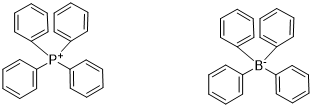
Its molecular structure consists of two highly symmetrical tetraphenyl groups. A central phosphorus atom (P) is bonded to four phenyl rings, forming a positively charged tetraphenylphosphonium cation ([P(C₆H₅)₄]⁺). A central boron atom (B) is likewise bonded to four phenyl rings, forming a negatively charged tetraphenylborate anion ([B(C₆H₅)₄]⁻). These two ions combine through electrostatic attraction to form a salt with a bulky and rigid molecular structure.
2. Basic Information and Physical Properties
Item |
Description |
CAS No. |
15525-15-2 |
Chinese Name |
Tetraphenylphosphonium Tetraphenylborate |
English Name |
Tetraphenylphosphonium Tetraphenylborate |
Composition |
An ion-pair salt consisting of tetraphenylphosphonium cations ((C₆H₅)₄P⁺) and tetraphenylborate anions ((C₆H₅)₄B⁻) |
Molecular Formula |
|
Molecular Weight |
658.62 |
Appearance |
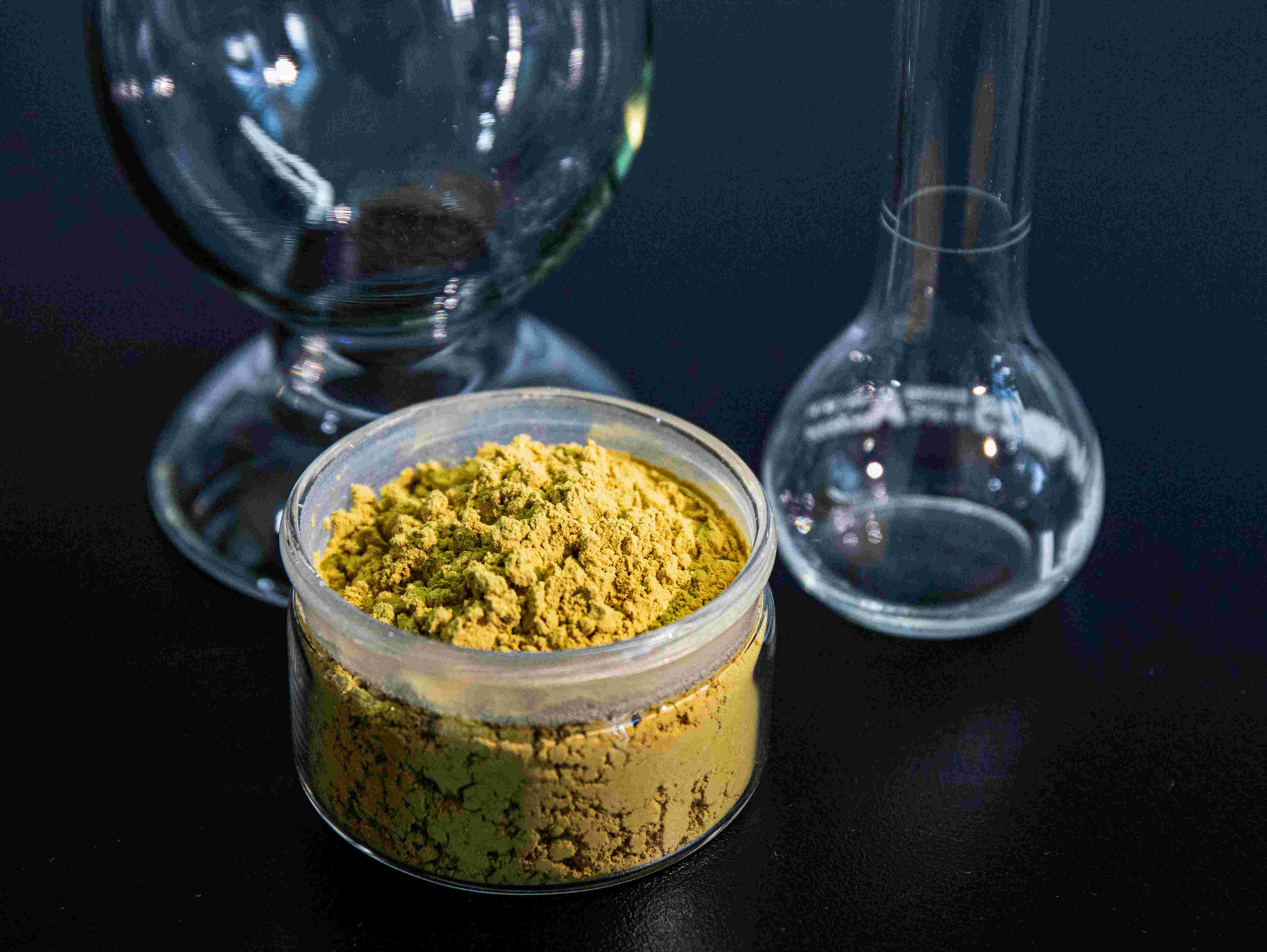
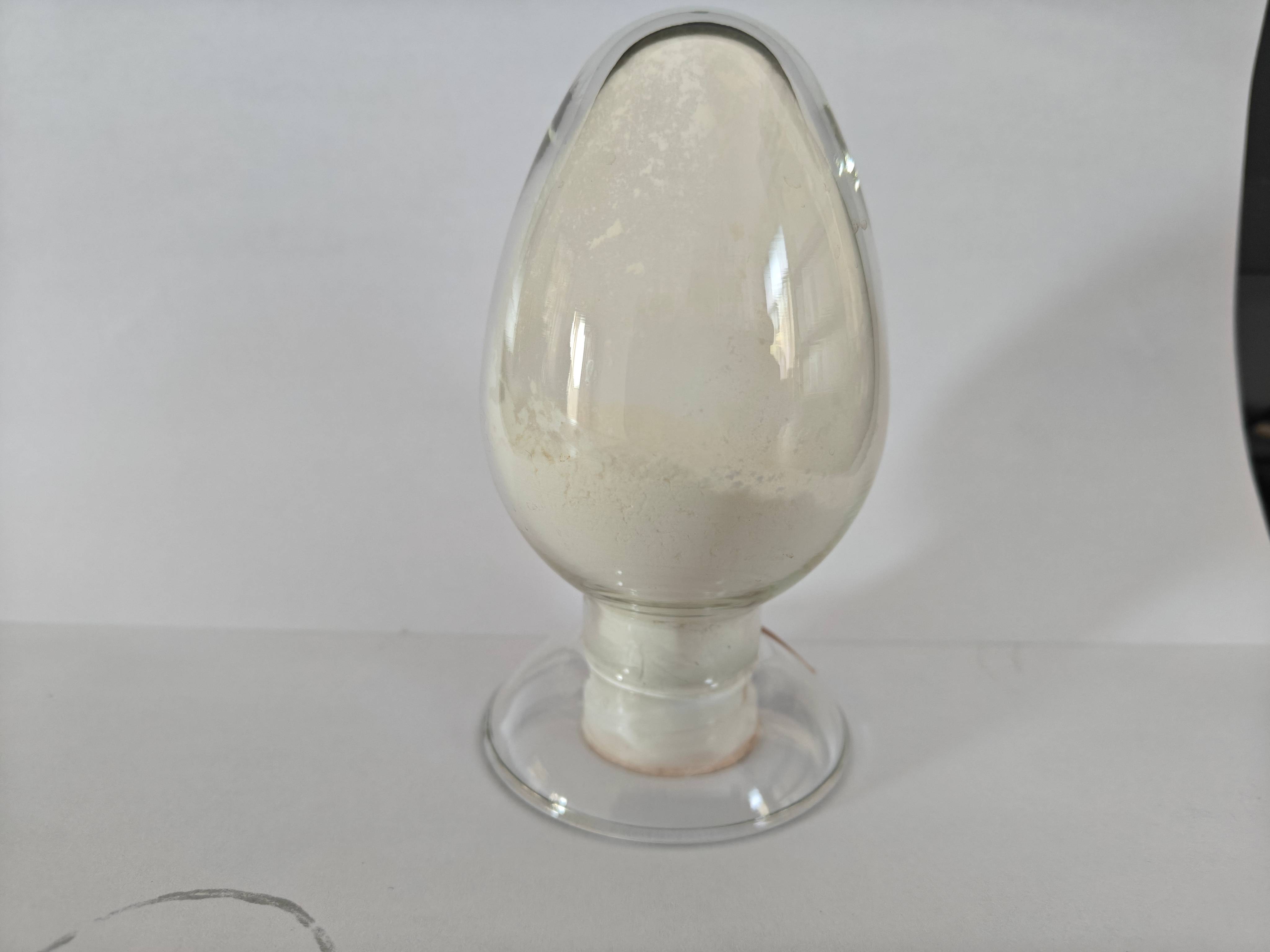
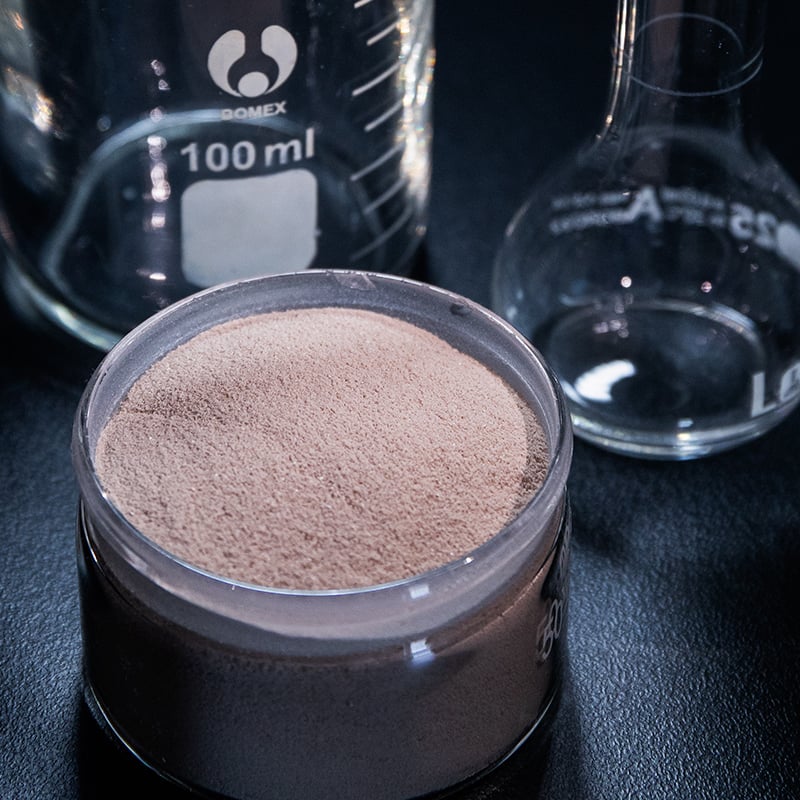
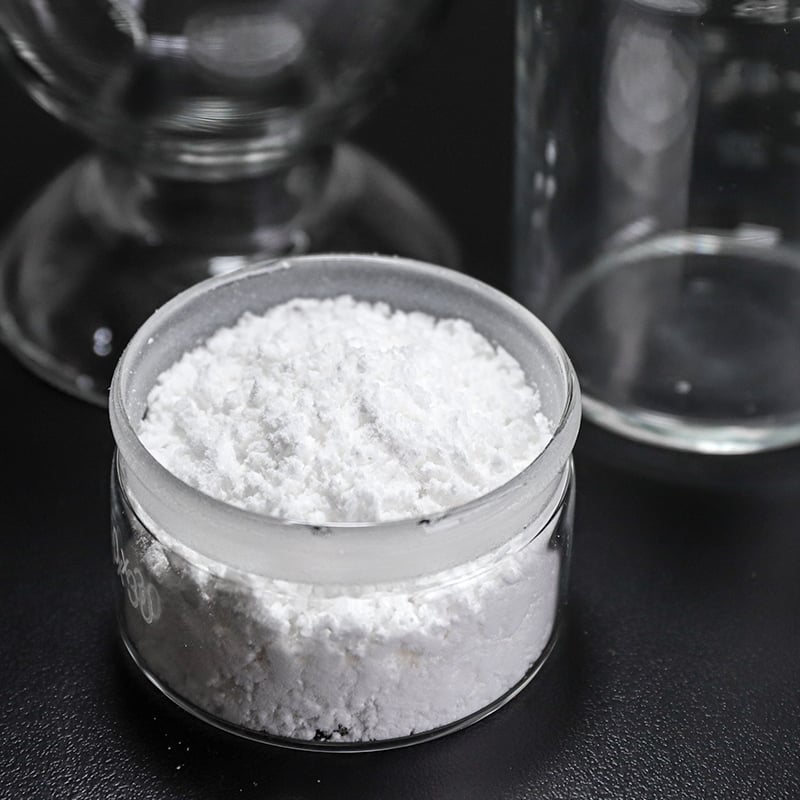
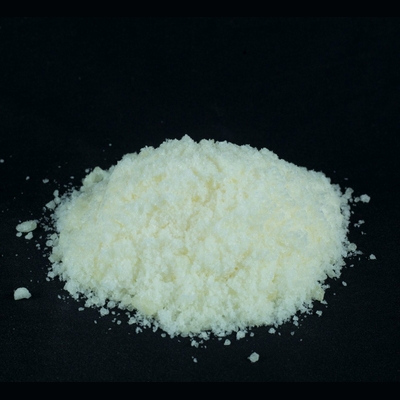
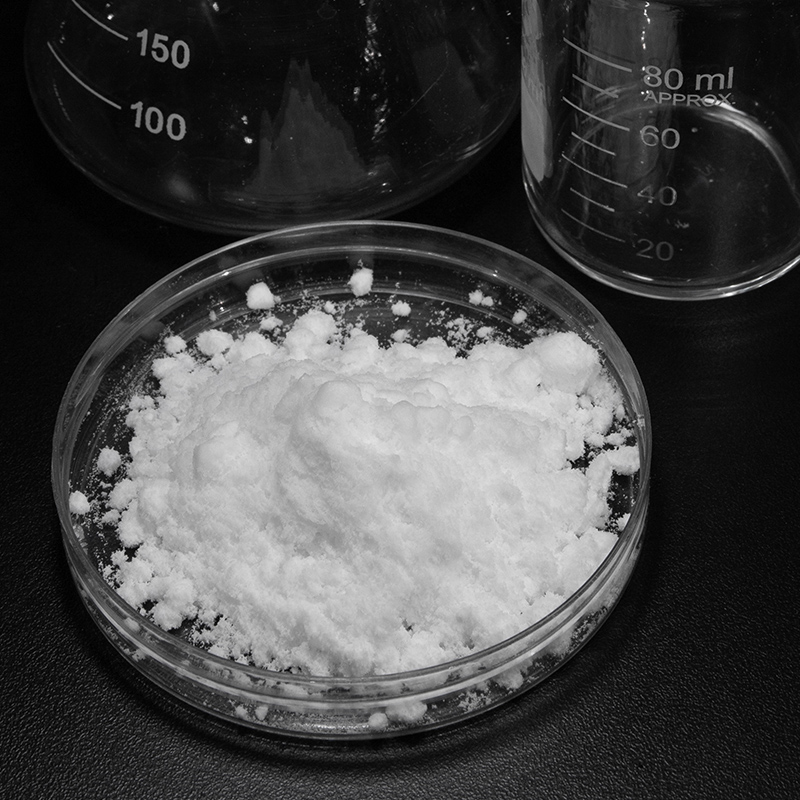
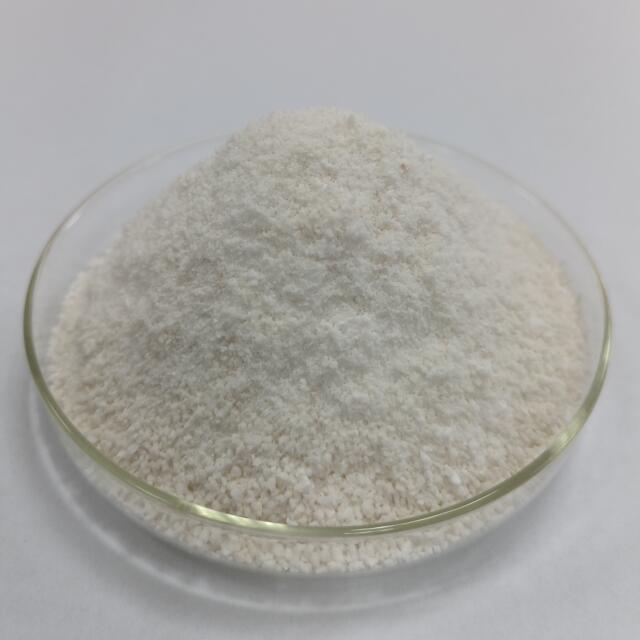
White to off-white powder or crystals |
Melting Point |
N/A |
Solubility |
Insoluble in water and ethanol; poorly soluble in common polar solvents; readily soluble in organic solvents such as dichloromethane, toluene, chlorobenzene, and DMF |
Storage Conditions |
Store at room temperature in a dry environment under an inert atmosphere. The product is light-sensitive and should be kept sealed and protected from light. |
3. Product Features and Recommended Applications
Product Features
- Bulky Hydrophobic Ionic Structure: Although TPP-K has an ionic structure, both its cation and anion are surrounded by multiple hydrophobic phenyl rings, making it a bulky hydrophobic organic salt.
- Curing Mechanism: Upon heating, the ion pair dissociates, releasing free tetraphenylphosphonium cations that catalyze epoxy ring-opening reactions. The tetraphenylborate anion is highly stable and does not generate small-molecule volatile by-products.
- Long-Term Thermal Latency: Functions as a high-temperature, long-lasting latent curing accelerator.
Recommended Applications
Epoxy Curing Accelerator / Catalyst
TPP-K is an important component of latent curing accelerator systems used in high-end semiconductor encapsulation molding compounds (EMC), high-frequency copper-clad laminates, and PCB solder mask inks.
4. Advantages, Disadvantages, and Precautions
Advantages
- Excellent thermal stability and a very long storage life at room temperature.
- No readily reactive carbonyl or quinone structures.
- Good resistance to acids, alkalis, and water vapor.
- Contributes to excellent moisture-heat resistance, hydrolysis resistance, and aging resistance in formulated systems.
Disadvantages
- Relatively low curing reactivity.
- Requires higher curing temperatures and/or longer holding times to achieve the desired curing performance.
Precautions
- Chemical Compatibility: Tetraphenylborate anions may decompose under strongly acidic or oxidative conditions. Avoid combining TPP-K with strongly acidic formulation components.
- Light Protection: Store away from light to prevent discoloration that may affect product color specifications.