
 EN
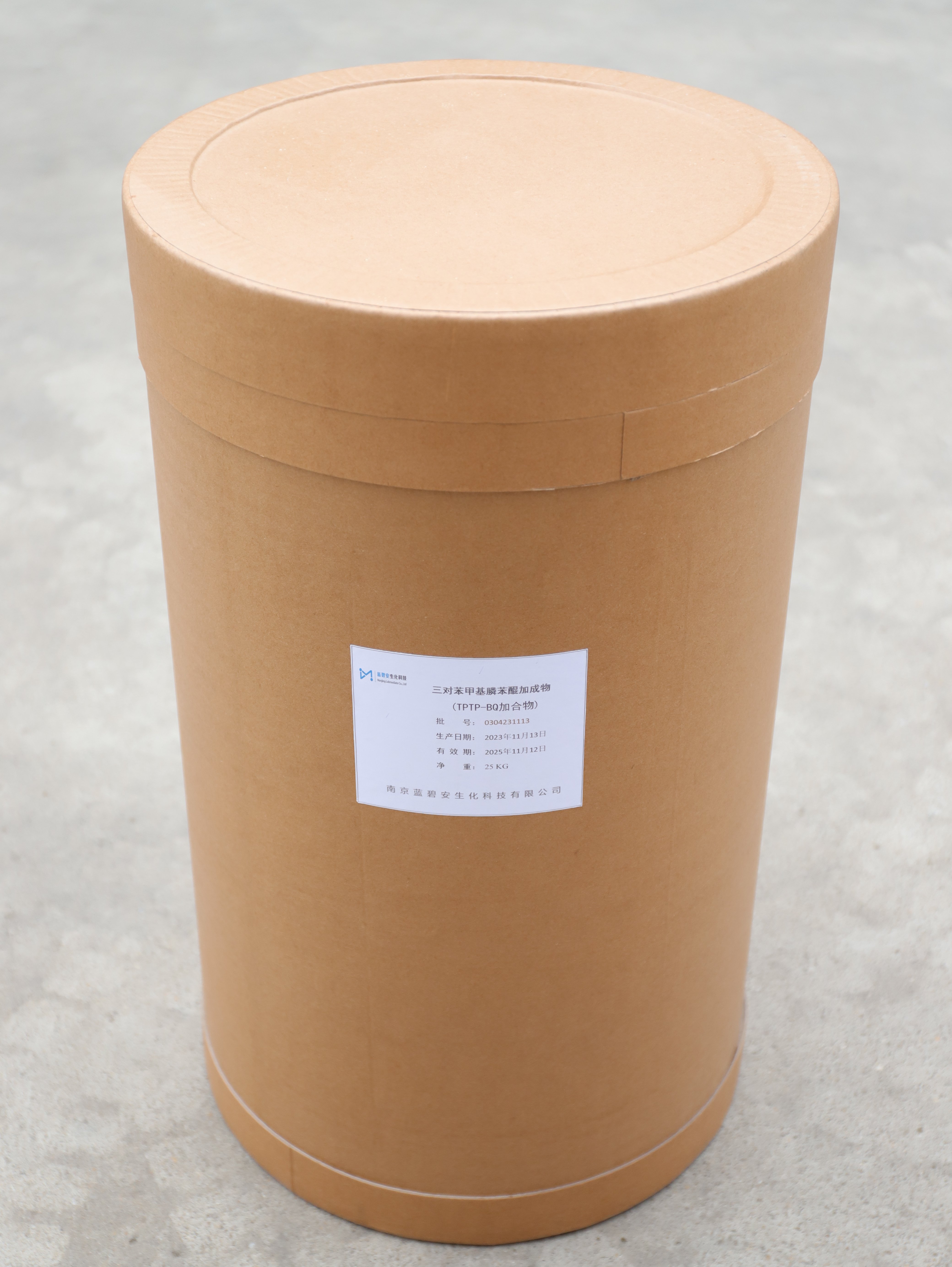
There is no single temperature that triggers dissociation in every phosphine quinone adduct. The onset depends on the phosphine and quinone structures, sample purity, atmosphere, heating rate, and whether the process is reversible or followed by other chemistry. For a typical laboratory sample, treat temperature as an experimentally determined range rather than a universal specification.
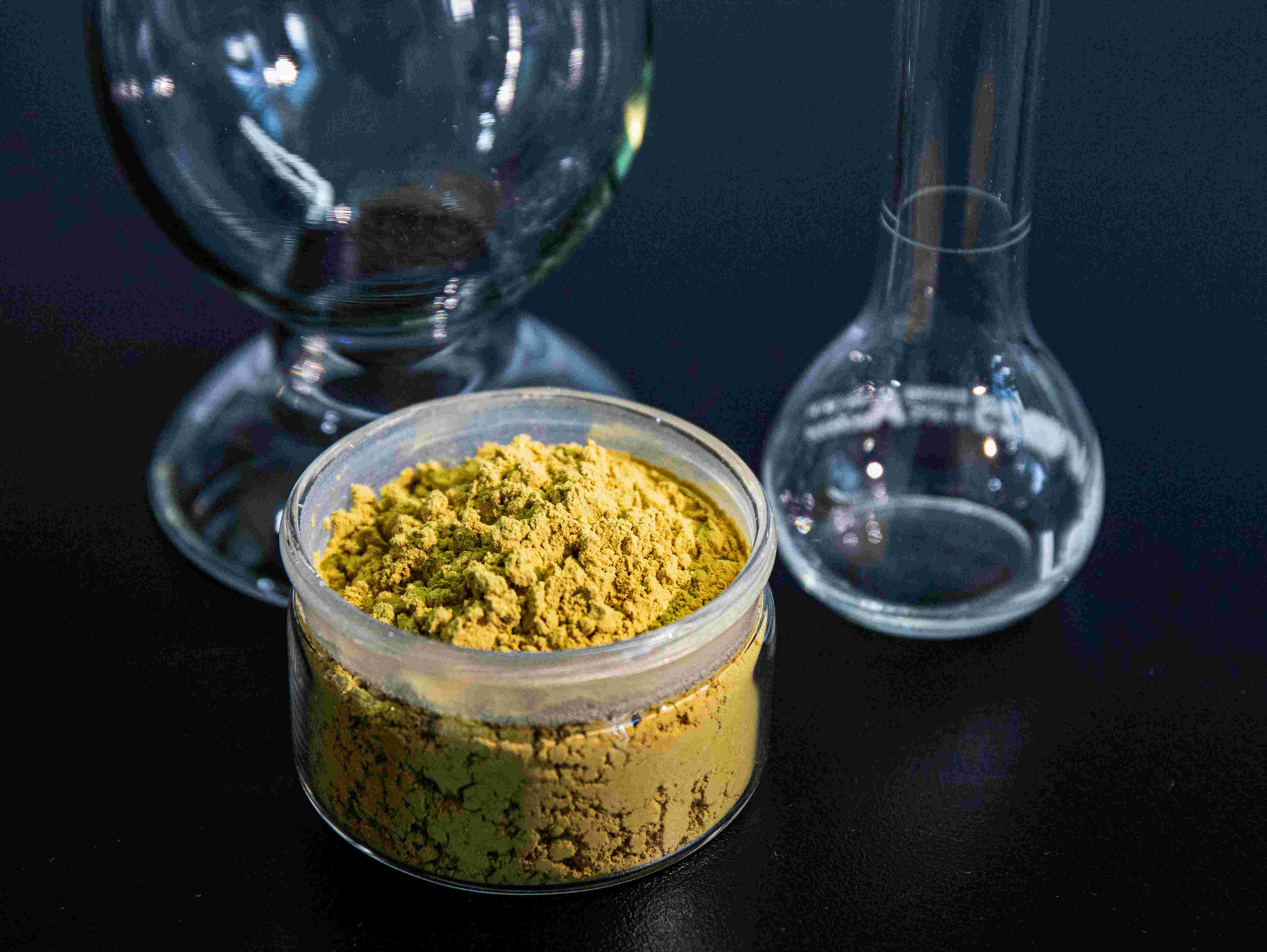
For a triphenylphosphine and 1,4-benzoquinone example, the useful question is not simply whether heat can cause dissociation, but when measurable dissociation begins under defined conditions. A cautious initial screen across a moderate-to-elevated range, such as 50–150°C, can help map behavior; it is a test window, not a published threshold for every phosphine quinone adduct.
Why no universal dissociation temperature applies
Structure and equilibrium affect the onset
A phosphine quinone adduct is not one uniform chemical substance. Substituents on either reactant can alter steric effects, electronic distribution, and the stability of the associated structure. Those differences can shift the balance between bound and dissociated species, so one reported temperature cannot automatically predict another phosphine quinone adduct’s behavior.
Dissociation may also be an equilibrium rather than a one-way event. At a given temperature, some material may remain associated while another fraction exists as separated components. Concentration, solvent, and the ability of those components to recombine influence what an experiment detects. A phosphine quinone adduct can therefore appear stable in one setup and show detectable change in another.
Observed change is not always dissociation
A melting event, color change, or mass loss does not by itself prove that a phosphine quinone adduct has dissociated. A sample may undergo a phase transition, solvent release, oxidation, or irreversible decomposition. Distinguishing these possibilities matters because each points to a different temperature limit and a different handling decision.
For a specific triphenylphosphine–benzoquinone material, use available characterization or product documentation as the starting point, but verify the conditions behind any reported value. A decomposition temperature from a rapid ramp is not necessarily the equilibrium dissociation temperature during a long hold. Keep that distinction explicit when evaluating phosphine quinone adduct stability.
How to establish a useful temperature range
Begin with a controlled thermal screen
Use a small, representative sample and define the atmosphere, container, solvent state, and heating rate before testing. A staged screen can begin below the suspected transition and increase in measured increments toward the proposed upper limit. For an unfamiliar phosphine quinone adduct, 50–150°C may be a practical exploratory window when compatible with safety and material constraints, not a guaranteed dissociation range.
At each step, allow sufficient equilibration and record both temperature and hold time. A fast ramp can miss slow conversion, while a long hold can reveal changes that do not appear during brief heating. Compare unheated material with each heated sample, and avoid extrapolating results from one batch or solvent condition to every phosphine quinone adduct.
Pair thermal data with chemical evidence
Thermogravimetric analysis and differential scanning calorimetry can identify mass changes and heat-flow events, but neither alone assigns molecular identity. Couple thermal observations with a suitable method such as NMR, infrared spectroscopy, or chromatography, selected for the compounds and sample matrix. Directly testing heated material helps confirm whether the phosphine quinone adduct is separating or undergoing another reaction.
Where feasible, compare measurements under inert gas and air, and test relevant solvent conditions separately. Oxygen, moisture, and solvent can change pathways or complicate signals. Replicate observations near the apparent onset, since instrument calibration and sample history affect the result. Report the phosphine quinone adduct composition, method, atmosphere, heating rate, and hold time alongside any temperature range.
Applying the result to handling and process decisions
Separate storage limits from process limits
A measured onset is not automatically a recommended operating temperature. For storage or routine handling, consider a suitable safety margin below the lowest condition at which meaningful change is observed, including expected transport and equipment variation. A phosphine quinone adduct that tolerates a brief test may still change during prolonged exposure at a lower temperature.
For a heated reaction or processing step, define the desired outcome first. If dissociation is intended, establish whether the separated components persist long enough to be useful and whether side reactions occur. If association must be maintained, test realistic dwell times and cooling conditions. In either case, a specific phosphine quinone adduct requires data under conditions representative of its actual use.
Use product-specific evidence responsibly
For a triphenylphosphine–1,4-benzoquinone reference, review the documented identity and handling information for the material in hand, then confirm uncertain thermal behavior experimentally. The phosphine quinone adduct record can help identify the relevant example, but a product description should not be treated as proof of a universal thermal threshold.
A practical conclusion should name an observed onset and its measurement conditions, rather than state that all such compounds dissociate at one temperature. Include uncertainty and distinguish reversible dissociation from irreversible degradation. This makes the result useful for scale-up, storage review, and reproducibility, while preventing a phosphine quinone adduct screening value from being mistaken for a general material property.
FAQ
Is there a standard dissociation temperature for this adduct class?
No. A phosphine quinone adduct can vary with molecular structure, medium, atmosphere, and heating duration. A range such as 50–150°C is only an exploratory screen, not a class-wide trigger or guaranteed operating limit.
Does a color change prove that dissociation has started?
No. Color may change for several reasons, including decomposition or oxidation. Confirm a suspected phosphine quinone adduct dissociation with a suitable chemical analysis, ideally alongside controlled thermal measurements and an unheated reference.
How should a reported temperature be interpreted?
Check the method, heating rate, atmosphere, sample composition, and hold time. A phosphine quinone adduct may show different behavior in a rapid scan than during prolonged heating, so treat reported values as condition-specific evidence.