
 EN
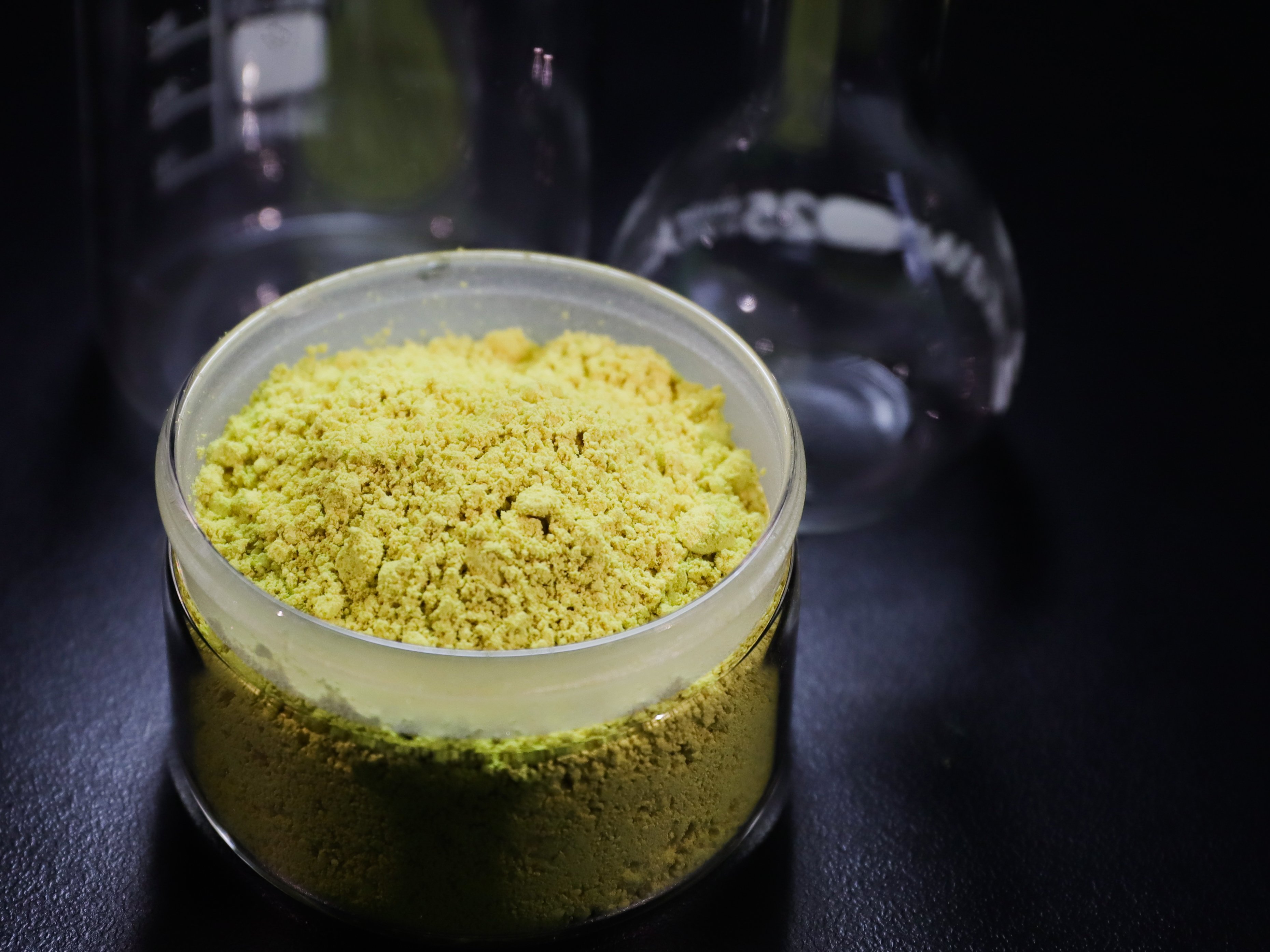
The advantages of a phosphine quinone adduct over a conventional blocked accelerator depend on what a formulation needs: reliable latency, practical handling, and activation suited to the process. Rather than treating every accelerator as interchangeable, assess how the adduct behaves in the specific resin, cure schedule, and production environment.
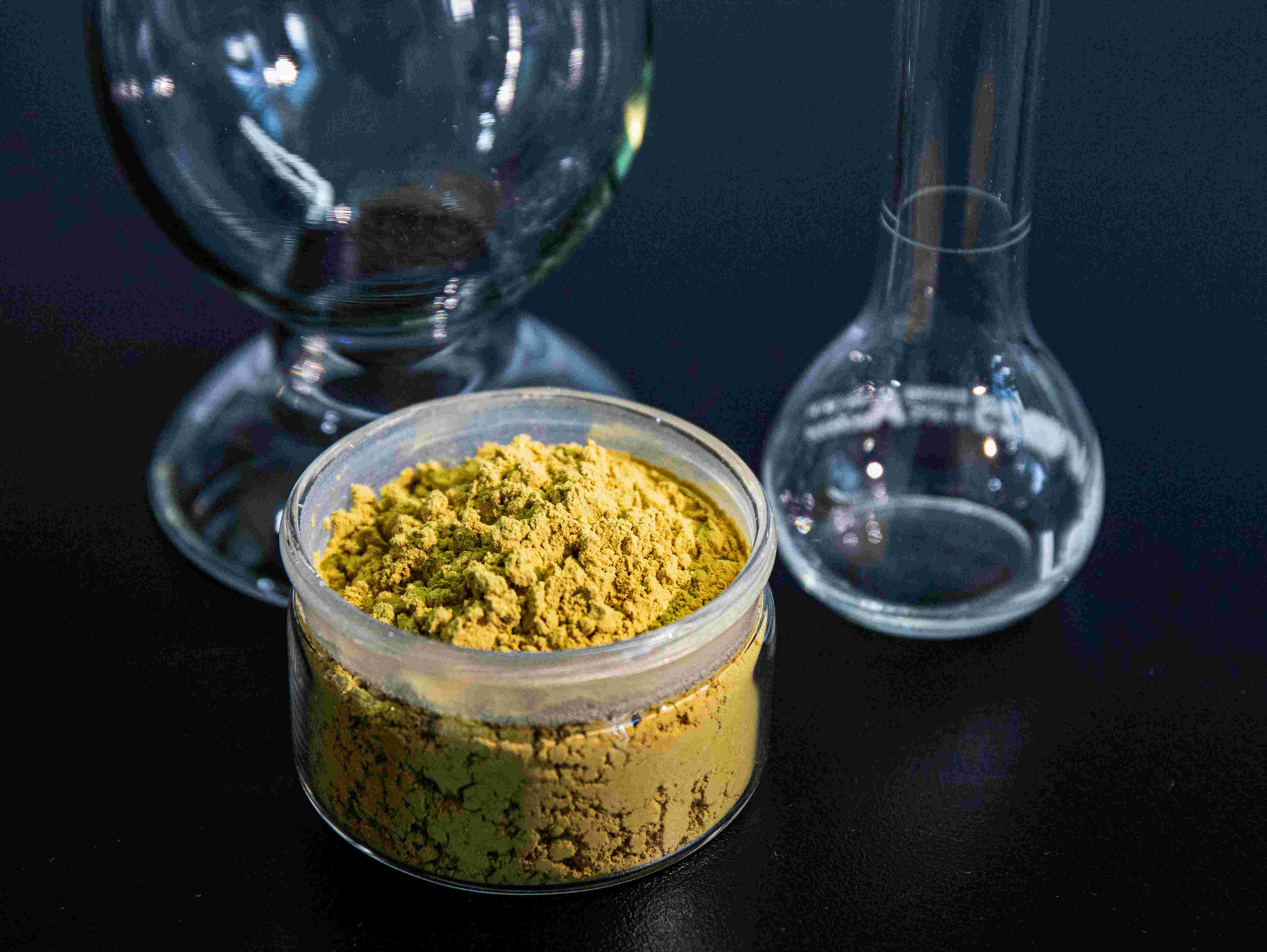
A phosphine quinone adduct can offer a distinct way to manage catalyst activity compared with conventional blocked accelerators. Its potential value is not a universal promise of faster or stronger curing; it is the opportunity to balance storage and processing needs with a suitable response during the intended cure cycle.
How the adduct changes accelerator behavior
Latency through a different chemical arrangement
Conventional blocked accelerators typically use a blocking strategy to suppress activity until conditions support activation. A phosphine quinone adduct is a defined association of a phosphine and quinone, and its behavior reflects its structure and surrounding formulation. This distinction can give formulators another route to manage when catalytic activity becomes useful.
The practical advantage of a phosphine quinone adduct is potential control over premature reaction during mixing, storage, or application. In an appropriate system, reduced activity before processing can help protect the usable working window. Actual latency depends on temperature, composition, concentration, and other ingredients, so it must be established through formulation testing.
A conventional blocked accelerator may also provide latency, but its activation profile can be closely tied to its blocking chemistry. A phosphine quinone adduct gives development teams a different chemical option to evaluate when the existing accelerator activates too early or does not align with the production schedule.
Activation suited to the cure schedule
For manufacturers, useful latency means more than delaying reaction. It means keeping material workable through the required handling stages and then achieving the desired response under the selected cure conditions. A phosphine quinone adduct may be considered when teams need to adjust that balance without assuming that one catalyst fits every process.
Compare the phosphine quinone adduct with the incumbent accelerator using the actual thermal profile, including ramp rate, dwell time, and part temperature. Oven set points alone may not represent the temperature experienced by a thick or complex component. This comparison helps determine whether activation timing suits the real production cycle.
The resulting advantage is a potentially better match between catalyst behavior and manufacturing sequence, not a guaranteed reduction in cure time. A phosphine quinone adduct that activates suitably in one resin may perform differently in another. Confirm conversion, final properties, and process consistency before making a production change.
Operational advantages in formulation and production
Working time and material handling
A longer or more predictable working period can matter in batch mixing, dispensing, coating, and assembly. If a phosphine quinone adduct helps preserve usable viscosity before cure in a particular formulation, operators may gain time for transfer and placement. Measure this benefit under realistic temperatures and equipment conditions.
The value of a phosphine quinone adduct is especially relevant when a process includes several steps between mixing and heating. Material may wait in a vessel, move through a line, or be applied across a large surface. Track viscosity drift, gel time, and scrap causes to see whether the accelerator supports that workflow.
Do not equate nominal latency with unlimited pot life. A phosphine quinone adduct still requires defined storage, mixing, and application controls, while moisture, contamination, or temperature excursions may affect results. Establish hold-time limits through repeatable trials and translate them into operator instructions before relying on a wider processing window.
Compatibility and formulation flexibility
An alternative accelerator can help when a conventional blocked accelerator creates a trade-off between storage stability and cure response. A phosphine quinone adduct offers a different candidate for screening, but compatibility with resin, fillers, pigments, and additives remains essential. Check dispersion, phase behavior, and changes in uncured material appearance.
Formulators should assess catalyst loading systematically rather than assuming a direct one-for-one replacement. A phosphine quinone adduct may influence reaction rate, viscosity development, and cured properties in combination with the full ingredient package. Small controlled trials can reveal whether the material addresses the original limitation without creating a new one.
When a formulation has narrow processing tolerances, preserve a baseline sample and compare replicated batches. Evaluate shelf behavior alongside cure performance, since an apparent gain in working time is not useful if final conversion or product requirements are missed. This evidence-based approach clarifies the real advantage of a phosphine quinone adduct.
Selection criteria and validation before adoption
Match the accelerator to the application
Start with the production problem, not the chemical label. A phosphine quinone adduct is worth evaluating when latency, handling, or activation timing is a defined constraint and the chemistry is appropriate for the resin system. If the existing accelerator already meets process and product needs, switching may offer little practical value.
Define measurable acceptance criteria before testing: workable time, viscosity range, cure profile, and relevant mechanical or thermal properties. Compare a phosphine quinone adduct and the conventional option under equivalent conditions, with consistent mixing and specimen preparation. This makes performance differences easier to attribute to the accelerator choice.
Consider production scale as well as laboratory results. Heat transfer, mixing energy, residence time, and material storage can change as batch size and equipment change. A phosphine quinone adduct that passes a small-scale trial still needs process confirmation at representative scale before teams revise standard operating conditions.
Validate safety, quality, and supply handling
Review the product documentation and workplace controls for the specific material, including storage instructions, handling precautions, and disposal requirements. A phosphine quinone adduct should be evaluated within the site's chemical management procedures. Do not infer safety or stability from the name or from results reported for a different formulation.
Quality teams should specify incoming checks, batch records, and acceptance criteria that reflect the risks of the application. When a phosphine quinone adduct is introduced, document its concentration, mixing order, and cure conditions so later batches can be reproduced. Change control also helps identify whether a deviation comes from material or process variation.
In summary, the key advantage over a conventional blocked accelerator is an additional route to tune latency and process response, where the formulation supports it. A phosphine quinone adduct is most valuable when tests confirm a meaningful fit with handling, cure, and quality requirements, rather than when selected on presumed benefits alone.
FAQ
Is a phosphine quinone adduct always more latent?
No. Latency depends on the material structure and the complete formulation, as well as storage and processing conditions. A phosphine quinone adduct may provide a useful profile in one application, but comparative testing is needed to establish whether it delays unwanted reaction more effectively than the conventional accelerator.
Can it replace a conventional blocked accelerator directly?
Not without validation. Even when both materials serve as accelerators, their loading, activation behavior, and interactions with other ingredients may differ. Treat a phosphine quinone adduct as a formulation candidate, then confirm working time, cure behavior, final properties, and production consistency before changing a qualified recipe.
What should be tested first?
Begin with the process limitation that prompted the search, such as short pot life or a mismatch between activation and oven schedule. Compare the phosphine quinone adduct against the current system using realistic conditions, then assess uncured handling and cured-product requirements together. Include repeat trials before drawing a conclusion.