
 EN
EN
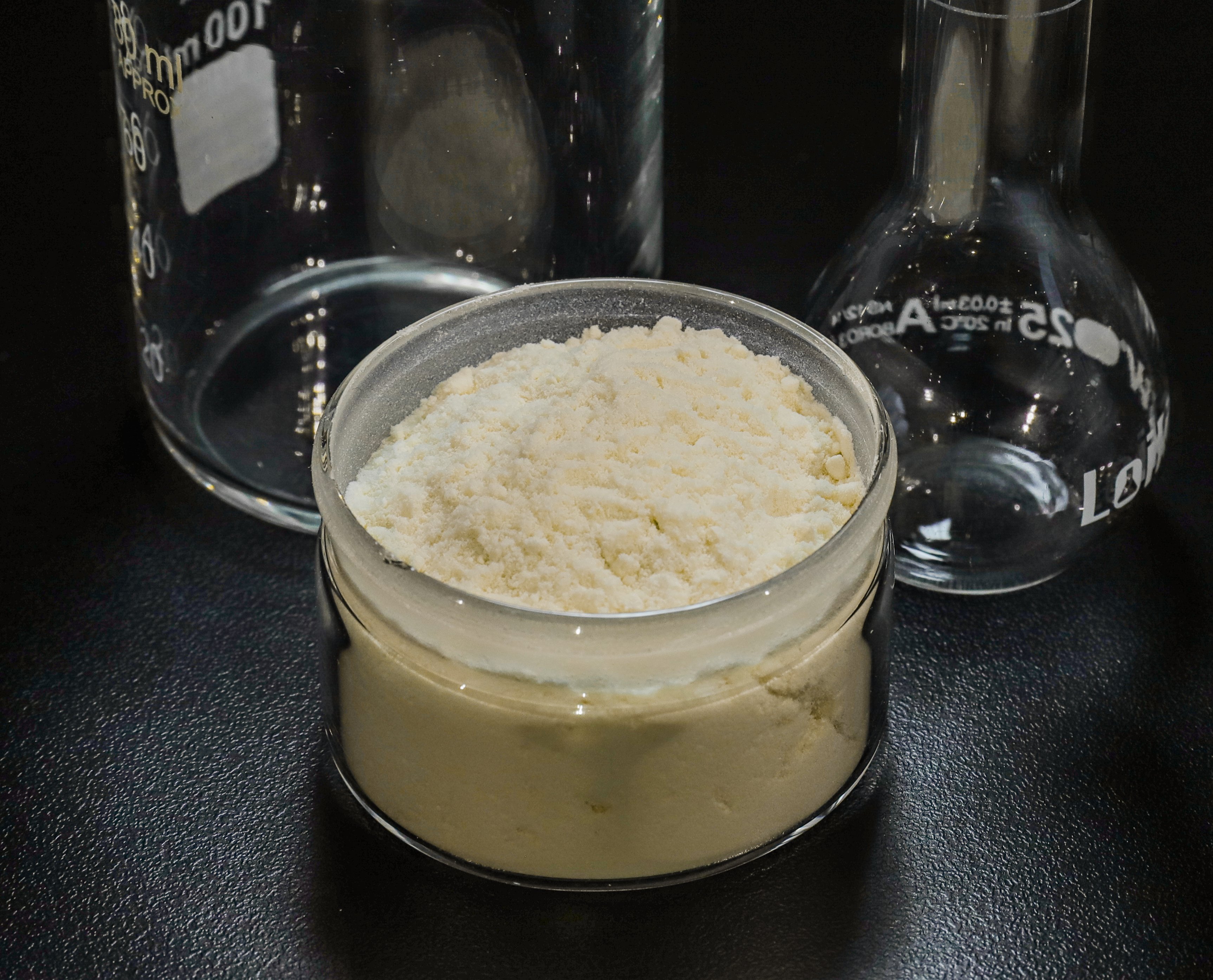
The pharmaceutical intermediate imidazole derivative stands as one of the most pivotal building blocks in modern antifungal drug development. These versatile chemical compounds serve as crucial precursors in the synthesis of numerous antimycotic agents that combat fungal infections affecting millions of patients worldwide. Understanding why the pharmaceutical intermediate imidazole derivative holds such importance reveals the intricate connection between synthetic chemistry and therapeutic efficacy in the pharmaceutical industry.
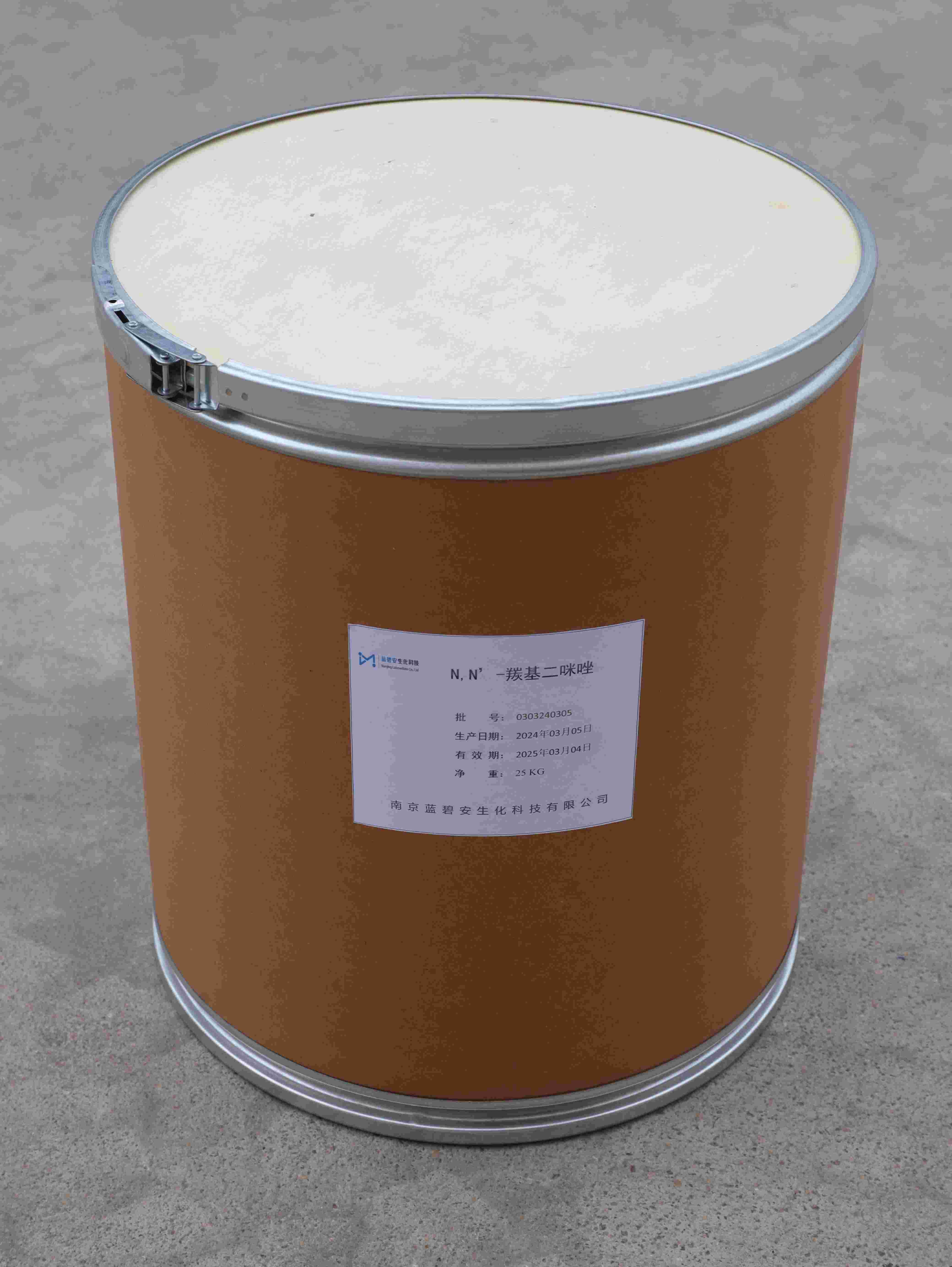
The pharmaceutical intermediate imidazole derivative functions as a foundational element in creating drugs that specifically target fungal pathogens while minimizing harm to human cells. This selective targeting capability makes the pharmaceutical intermediate imidazole derivative invaluable for developing effective antifungal treatments. The chemistry underlying these intermediates demonstrates how a carefully designed molecular structure can achieve remarkable therapeutic specificity in pharmaceutical applications.
Chemical Properties and Structural Significance
Molecular Architecture of Imidazole Intermediates
The pharmaceutical intermediate imidazole derivative possesses a distinctive five-membered ring structure containing two nitrogen atoms positioned at non-adjacent locations. This unique molecular geometry provides the pharmaceutical intermediate imidazole derivative with exceptional chemical reactivity and binding affinity properties. The nitrogen atoms within the ring create electron-rich regions that facilitate specific interactions with fungal enzyme systems, explaining why the pharmaceutical intermediate imidazole derivative has become the preferred choice for antifungal drug manufacturers worldwide.
The dual nitrogen composition of the pharmaceutical intermediate imidazole derivative enables multiple reaction pathways during synthesis, offering chemists flexibility in constructing complex antifungal molecules. When the pharmaceutical intermediate imidazole derivative undergoes nucleophilic attack or coupling reactions, it reliably produces predictable intermediates with high purity levels. This chemical reliability makes the pharmaceutical intermediate imidazole derivative essential for maintaining manufacturing consistency in pharmaceutical production facilities.
Reaction Mechanisms and Synthetic Applications
Pharmaceutical manufacturers employ the pharmaceutical intermediate imidazole derivative through multiple synthetic pathways to create active pharmaceutical ingredients. The pharmaceutical intermediate imidazole derivative participates in condensation reactions, substitution reactions, and ring-opening transformations that gradually build the complex structures required for modern antifungal agents. Each synthetic step utilizing the pharmaceutical intermediate imidazole derivative introduces specific functional groups designed to enhance antifungal potency and selectivity.
The versatility of the pharmaceutical intermediate imidazole derivative extends to its compatibility with various protective group strategies employed in multistep synthesis. Chemists repeatedly select the pharmaceutical intermediate imidazole derivative for its stability under different reaction conditions, including acidic environments, basic conditions, and elevated temperatures common in pharmaceutical manufacturing. This robustness ensures that the pharmaceutical intermediate imidazole derivative maintains integrity throughout complex synthesis sequences lasting dozens of individual steps.
Therapeutic Mechanisms and Antifungal Efficacy
Fungal Enzyme Inhibition and Drug Action
Antifungal drugs constructed from the pharmaceutical intermediate imidazole derivative primarily function by inhibiting lanosterol 14-alpha demethylase, a critical enzyme in fungal cell membrane biosynthesis. When the pharmaceutical intermediate imidazole derivative is incorporated into the final drug structure, it creates molecular geometries that coordinate exceptionally well with fungal cytochrome P450 enzymes. This coordination mechanism is exactly why the pharmaceutical intermediate imidazole derivative derivatives like azoles have revolutionized antifungal therapy, providing physicians with potent tools against previously difficult-to-treat fungal infections.
The pharmaceutical intermediate imidazole derivative enables drug molecules to penetrate fungal cell walls while avoiding rapid metabolism by human liver enzymes. This selective penetration and metabolic fate explain why medicinal chemists prioritize the pharmaceutical intermediate imidazole derivative when developing new generation antifungal compounds. The pharmaceutical intermediate imidazole derivative structure provides the necessary lipophilicity and hydrogen bonding capacity to achieve optimal pharmacokinetic profiles.
Selectivity and Human Cell Compatibility
The pharmaceutical intermediate imidazole derivative contributes substantially to the therapeutic selectivity that distinguishes modern antifungal drugs from older, more toxic alternatives. By constructing drug molecules around the pharmaceutical intermediate imidazole derivative scaffold, chemists ensure preferential binding to fungal enzyme targets over human enzyme variants. This selectivity dramatically reduces adverse effects, enabling patients to tolerate antifungal medications for extended treatment periods required to fully eliminate systemic fungal infections.
Clinical experience confirms that antifungal medications containing the pharmaceutical intermediate imidazole derivative exhibit significantly lower toxicity profiles compared to older polyene-based antifungals like amphotericin B. The pharmaceutical intermediate imidazole derivative structure inherently favors fungal-specific enzyme interactions, minimizing off-target effects on human cellular machinery. This preferential selectivity represents a major advancement in antifungal therapy, allowing treatments to target infections affecting organs, tissues, and immunocompromised patients previously difficult to manage.
Industrial Applications and Manufacturing Advantages
Scale-up Feasibility and Production Economics
Pharmaceutical manufacturers prefer the pharmaceutical intermediate imidazole derivative because it enables economical scale-up from laboratory synthesis to commercial-scale production. The pharmaceutical intermediate imidazole derivative remains stable throughout large-scale reactions, batch processes, and standard pharmaceutical manufacturing equipment configurations. Starting material costs for the pharmaceutical intermediate imidazole derivative remain reasonable compared to alternative synthetic routes, making antifungal drug production economically viable for global market demands.
The pharmaceutical intermediate imidazole derivative facilitates reproducible manufacturing processes with minimal waste generation and high atom economy metrics. Regulatory agencies recognize the safety profile of the pharmaceutical intermediate imidazole derivative as established through decades of pharmaceutical manufacturing practice. This regulatory acceptance accelerates approval timelines for new antifungal drugs incorporating the pharmaceutical intermediate imidazole derivative, reducing development cycles and bringing effective treatments to patients more rapidly.
Quality Control and Purity Achievement
Quality assurance teams implement standardized analytical methods to verify the pharmaceutical intermediate imidazole derivative purity in manufactured batches, ensuring consistent drug product quality. The pharmaceutical intermediate imidazole derivative demonstrates excellent chromatographic behavior, enabling precise separation and identification through high-performance liquid chromatography and related analytical techniques. These established analytical methodologies for evaluating the pharmaceutical intermediate imidazole derivative allow manufacturers to maintain rigorous quality standards meeting pharmaceutical industry requirements.
The pharmaceutical intermediate imidazole derivative exhibits well-characterized spectroscopic properties, facilitating rapid identification and purity confirmation in manufacturing laboratories. Crystallization and recrystallization protocols for the pharmaceutical intermediate imidazole derivative produce materials of exceptional purity suitable for direct incorporation into pharmaceutical synthesis sequences. This straightforward purification achieves the high purity standards necessary for injectable and oral antifungal formulations without requiring elaborate additional processing steps.
FAQ
What makes the pharmaceutical intermediate imidazole derivative superior to alternative antifungal precursors?
The pharmaceutical intermediate imidazole derivative offers superior selectivity for fungal enzyme targets, broader compatibility with synthetic methodologies, and established safety profiles compared to alternative approaches. Alternative chemical frameworks either lack the specific binding interactions necessary for potent antifungal action or require multiple additional synthesis steps, making them economically disadvantageous. The pharmaceutical intermediate imidazole derivative combines chemical efficiency with therapeutic efficacy, explaining why this intermediate remains the dominant choice across the global antifungal pharmaceutical industry.
How does the pharmaceutical intermediate imidazole derivative contribute to reducing antifungal drug toxicity?
The pharmaceutical intermediate imidazole derivative enables drug designs that preferentially interact with fungal-specific enzymes rather than human enzyme equivalents, minimizing off-target effects and adverse reactions. This selective targeting reduces liver toxicity, gastrointestinal side effects, and hypersensitivity reactions compared to broader-spectrum antimicrobial approaches. Patient tolerance improves substantially with antifungal medications designed around the pharmaceutical intermediate imidazole derivative framework, supporting longer treatment durations necessary for complete fungal eradication.
Are there emerging alternatives to the pharmaceutical intermediate imidazole derivative in antifungal drug development?
While researchers explore novel chemical scaffolds and advanced antifungal mechanisms, the pharmaceutical intermediate imidazole derivative maintains its relevance through proven efficacy, established manufacturing processes, and regulatory acceptance. Emerging compounds often incorporate imidazole-based elements or attempt to improve upon well-established pharmaceutical intermediate imidazole derivative designs rather than completely replacing them. The pharmaceutical intermediate imidazole derivative likely remains central to antifungal drug development for the foreseeable future while new technologies complement rather than replace existing approaches.
Table of Contents
- Chemical Properties and Structural Significance
- Therapeutic Mechanisms and Antifungal Efficacy
- Industrial Applications and Manufacturing Advantages
-
FAQ
- What makes the pharmaceutical intermediate imidazole derivative superior to alternative antifungal precursors?
- How does the pharmaceutical intermediate imidazole derivative contribute to reducing antifungal drug toxicity?
- Are there emerging alternatives to the pharmaceutical intermediate imidazole derivative in antifungal drug development?