
 EN
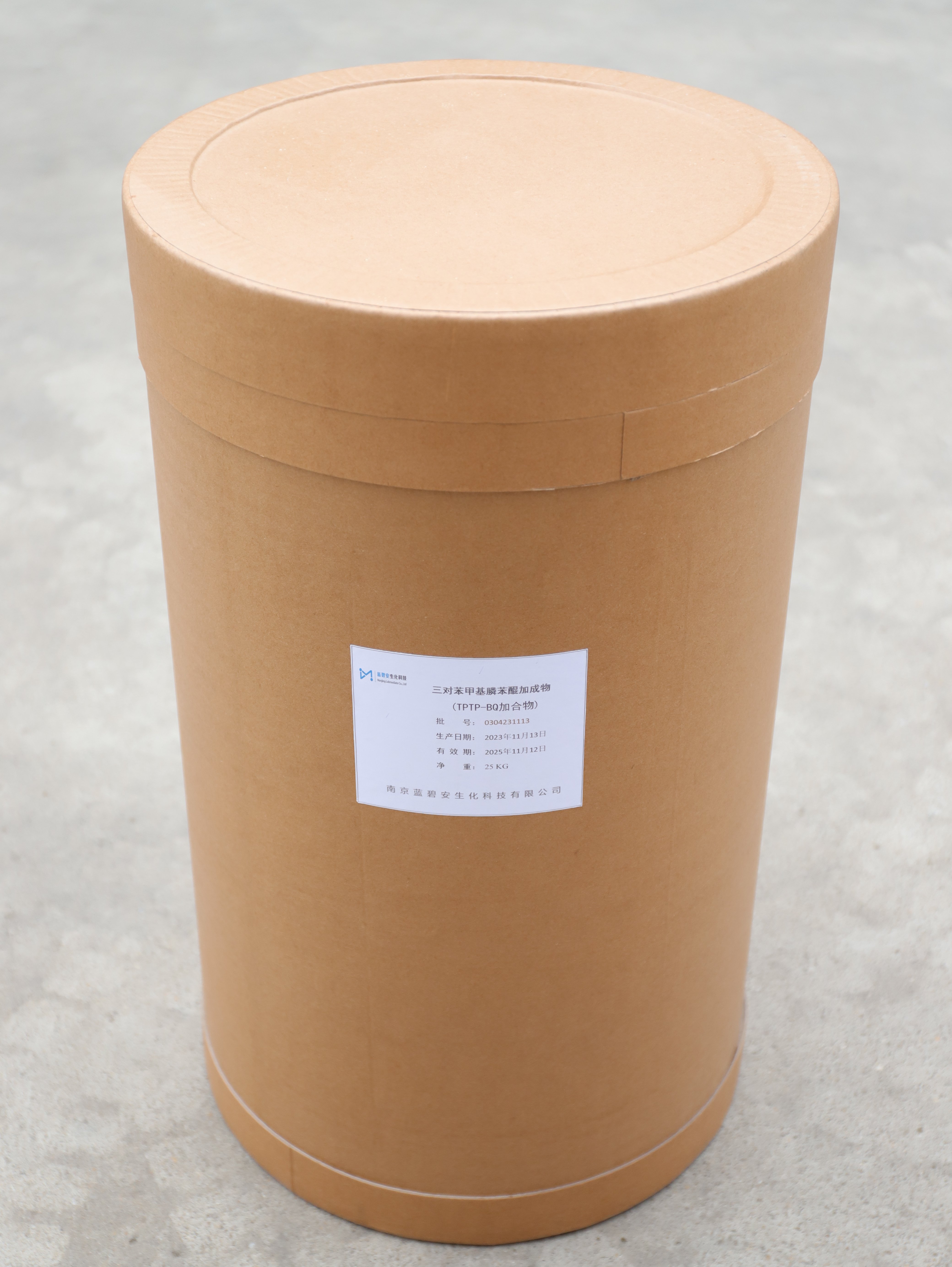
To evaluate the storage stability of an epoxy containing a phosphine quinone adduct, treat it as a controlled formulation study rather than relying on appearance alone. The goal is to determine whether storage changes processing behavior or final-use performance, and whether those changes are linked to the adduct, the epoxy system, or their interaction.
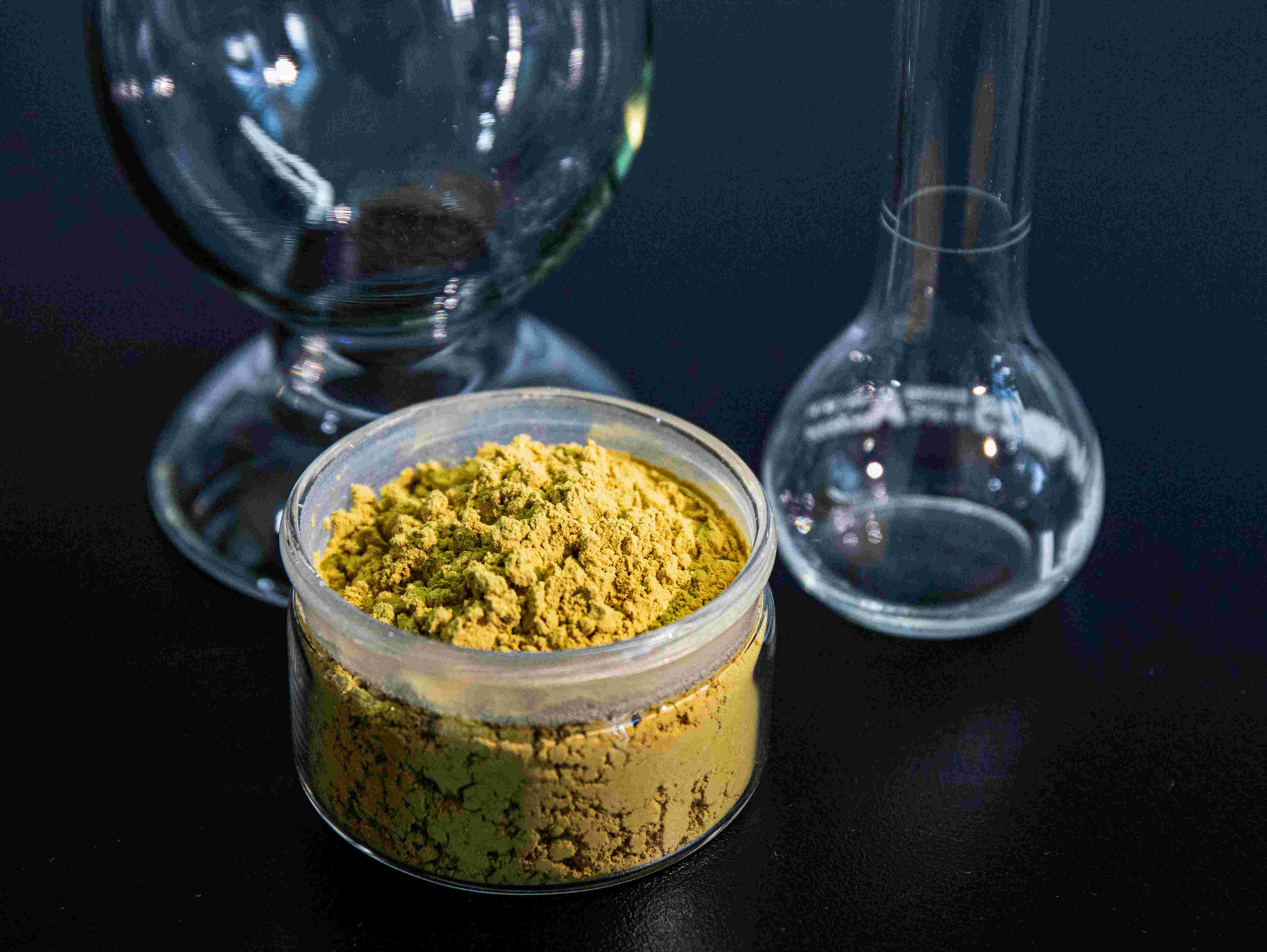
A useful assessment compares fresh material with samples kept under defined conditions, using the same test methods at each interval. Because a phosphine quinone adduct may be present as a reactive component or functional additive, establish its intended role before interpreting results. A small, documented protocol helps connect storage exposure with measurable formulation changes.
Define the formulation and storage question
Set a representative baseline
Record the full formulation, mixing sequence, component lots, and preparation date before aging begins. Note the phosphine quinone adduct concentration, epoxy type, hardener or curing package, and any diluent or filler. This baseline makes later comparisons meaningful and helps distinguish normal batch variation from a change associated with the phosphine quinone adduct.
Prepare enough material to create separate, sealed test portions, rather than repeatedly opening one container. Include a fresh reference and, where practical, a matching formulation without the phosphine quinone adduct. The reference helps show whether a shift is specific to the adduct-containing system or reflects broader aging of the epoxy matrix.
Choose conditions that reflect actual storage
Select temperature, duration, light exposure, and container type according to the intended supply and handling conditions. Record the actual sample temperature and any excursions; a nominal chamber setting is not a complete exposure history. The phosphine quinone adduct should be tested in the same package and headspace conditions expected for routine storage.
Use real-time storage for decisions about a stated shelf period, and consider elevated-temperature aging only as a screening tool. Accelerated exposure can reveal sensitivities sooner, but it does not automatically predict an equivalent number of months at room temperature. For a phosphine quinone adduct, document the rationale for every condition and avoid combining heat, light, and humidity unless the scenario calls for it.
Measure changes that affect use
Track physical and processing properties
At each interval, inspect color, clarity, sediment, phase separation, crystallization, and container residue using a consistent method. Photograph samples under comparable lighting and note whether any material redisperses with the standard mixing procedure. Such observations do not prove chemical degradation, but they can identify handling problems associated with the phosphine quinone adduct.
Measure viscosity or another relevant flow property at a controlled temperature, with a defined instrument geometry and conditioning time. Also record mixability, working time, and any change in application behavior. If the phosphine quinone adduct affects cure behavior, a modest viscosity shift may matter less than a substantial change in pot life or coating uniformity.
Use analytical methods that answer a specific question. Depending on the formulation, spectroscopy, chromatography, thermal analysis, or a suitable assay may help identify chemical change, but method suitability must be confirmed for the matrix. An analytical signal for the phosphine quinone adduct is informative only when sampling, calibration, and interference controls are adequate.
Measure cure response on both fresh and aged samples using the same mixing ratio, preparation steps, and test schedule. Relevant outputs may include gel time, residual cure, hardness, or a mechanical property required by the application. This comparison connects storage of the phosphine quinone adduct-containing epoxy to functional results instead of treating a single laboratory reading as a pass or fail.
Use controls to interpret observed shifts
A control plan should separate storage effects from test variability. Test replicate portions where material allows, keep a fresh reference under documented conditions, and include the adduct-free comparison if it is chemically meaningful. If both formulations change similarly, the epoxy system or packaging may be the main driver rather than the phosphine quinone adduct itself.
Maintain consistent sample conditioning and operator instructions across time points. Define mixing energy, rest time, measurement temperature, and sample preparation before the study starts. For a phosphine quinone adduct, small procedural differences can obscure a genuine trend, especially when measurements depend on dispersion, viscosity, or cure kinetics.
Set acceptance criteria and make a decision
Connect limits to process requirements
Set acceptance criteria before reviewing aged results, using manufacturing tolerances and end-use requirements rather than arbitrary limits. Specify acceptable ranges for appearance, flow, working time, cure response, and any critical final property. A phosphine quinone adduct formulation is suitable for the intended storage period only when the measured changes remain within limits that preserve safe, repeatable processing and required performance.
Assess trends as well as individual readings. A steady drift toward a process boundary may justify a shorter provisional shelf period, even if the current sample still passes. Compare aged material with the fresh reference and examine whether the phosphine quinone adduct changes track exposure time, temperature, or container conditions.
Document limitations and follow-up actions
Summarize the exact formulation, sample preparation, packaging, storage history, methods, results, and acceptance rationale. State which conditions were studied and which were not; conclusions should not extend beyond the tested formulation or exposure range. The resulting record gives future batches a reference for evaluating phosphine quinone adduct stability consistently.
If a sample fails, repeat the relevant measurement and investigate plausible causes before changing the recipe. Check weighing and mixing records, package integrity, moisture exposure, and analytical repeatability. A focused follow-up can determine whether the phosphine quinone adduct, another ingredient, or the storage environment caused the observed loss of usability.
For initial formulation planning, review the identity and intended use of the phosphine quinone adduct before selecting test endpoints. Product identity alone cannot establish compatibility or shelf life in a particular epoxy. Confirm the actual formulation response experimentally and retain samples when ongoing quality monitoring is important.
FAQ
How long should the storage study run?
The study should cover the intended storage period and include intervals that can reveal meaningful changes along the way. A phosphine quinone adduct formulation needs real-time evidence for its stated shelf period; accelerated aging can support screening but should not replace real-time confirmation.
Can appearance alone confirm stability?
No. A sample may look unchanged while viscosity, cure response, or final properties have shifted. Assess the phosphine quinone adduct-containing epoxy with appearance checks plus measurements tied to processing and end-use requirements.
Should the adduct be tested separately from the epoxy?
Testing the material separately can help characterize its condition, but it does not establish behavior in a complete formulation. Evaluate the phosphine quinone adduct in the epoxy system and use suitable controls to understand whether observed changes arise from the ingredient or the matrix.