
 EN
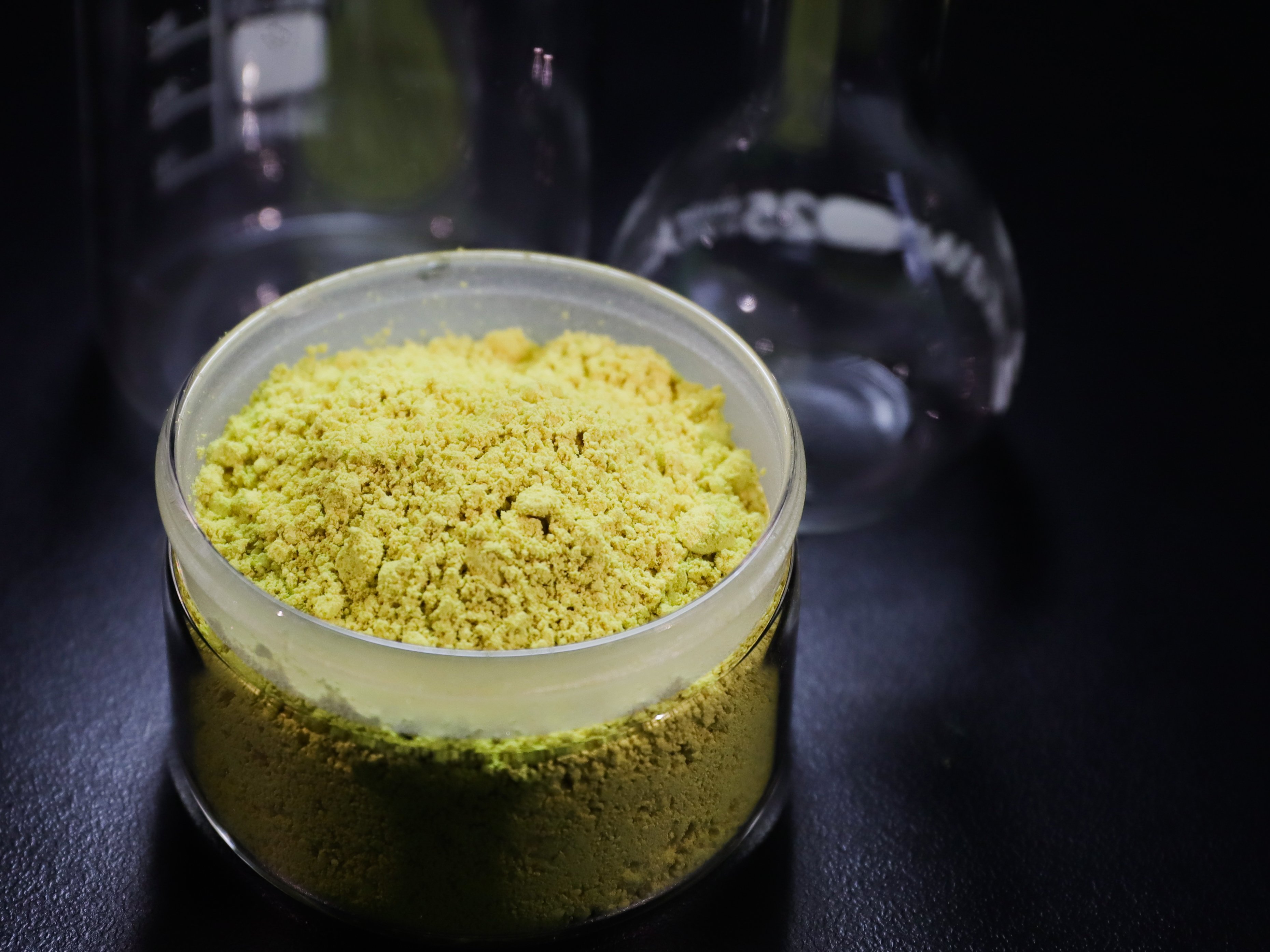
A phosphine quinone adduct is a molecular association product used to manage when phosphine-based activity becomes available in an epoxy formulation. Its structure helps explain why it can contribute to latency: the phosphine is incorporated into an adduct rather than behaving exactly like the unbound species. Understanding this distinction matters when a resin must remain workable during storage or processing, then cure after a defined heat exposure.
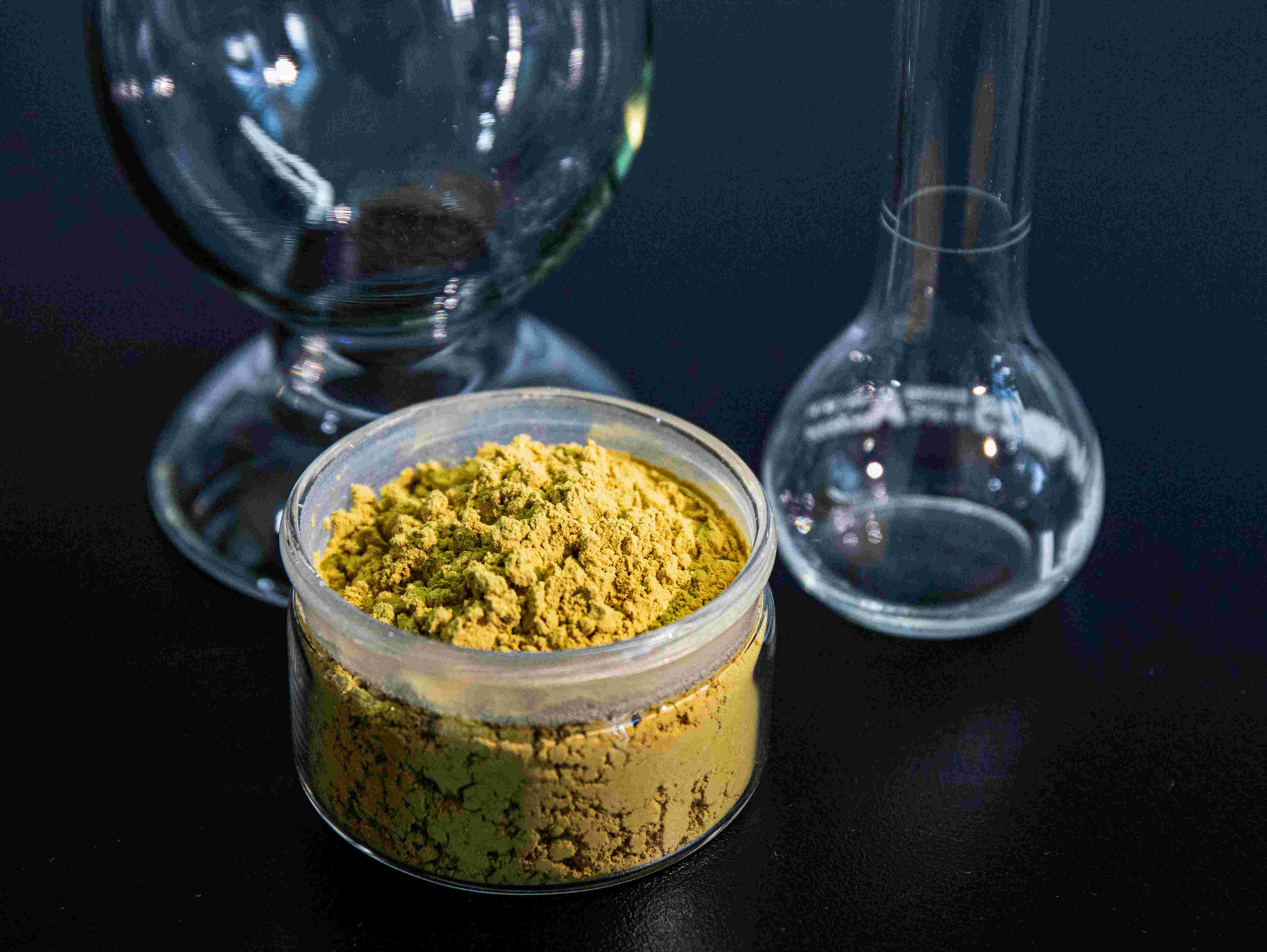
In a representative triphenylphosphine and 1,4-benzoquinone system, the phosphine quinone adduct combines a phosphorus-containing component with a quinone-derived fragment. This article describes the broad structural picture and its proposed role in epoxy latency, while distinguishing general chemical interpretation from formulation-specific behavior. The actual cure response depends on resin chemistry, concentration, temperature, and the other ingredients present.
Structural features of the adduct
Phosphine and quinone components
Triphenylphosphine contains a central phosphorus atom bonded to three phenyl groups, while 1,4-benzoquinone has a conjugated ring with two carbonyl groups. In a phosphine quinone adduct, these reactants form a new associated structure through interaction between the nucleophilic phosphorus center and the electron-deficient quinone system. The resulting species is not simply a physical mixture: bonding changes the electronic arrangement and the availability of the reactive phosphine.
A useful way to describe the phosphine quinone adduct is as a phosphonium-containing, charge-separated addition product, often represented with an anionic quinone-derived site. Exact drawings can differ according to how resonance and bonding are depicted. Those representations emphasize electron distribution rather than separate, freely moving components. For epoxy developers, the practical point is that the adduct’s structure can restrain the behavior associated with free phosphine under some conditions.
Bonding, charge distribution, and stability
The phosphine quinone adduct has linked structural features that influence both stability and reactivity. The phosphorus center becomes part of the adduct framework, and the quinone-derived portion accepts electron density. This altered charge distribution helps explain why the adduct may behave differently from unreacted triphenylphosphine. It does not, by itself, establish a universal dissociation temperature or guarantee a particular shelf life in every epoxy system.
In a formulation, stability is also affected by the surrounding resin and additives. Moisture, impurities, concentration, and storage conditions may influence observed behavior, so a phosphine quinone adduct should be evaluated in the intended composition rather than judged only from a structural sketch. Analytical methods can help distinguish starting materials from adduct and assess whether the material remains consistent during handling. That evidence supports more reliable formulation decisions.
How the structure contributes to epoxy latency
Lower activity during processing
Epoxy latency means delaying substantial cure until the material reaches suitable activation conditions. A phosphine quinone adduct can support that objective by moderating the immediate catalytic contribution associated with free phosphine. If less active phosphine is available during mixing and application, the formulation may retain a longer processing window. The extent of this effect depends on the resin’s reactivity and the amount and state of the adduct.
This is a conditional mechanism, not an automatic switch. A phosphine quinone adduct may coexist with other catalysts or curing agents, and those components can affect viscosity, gel time, and conversion. Formulators should therefore compare the uncured mixture’s working behavior with its response under intended storage and process conditions. Latency has value only when it fits the required manufacturing window without preventing later cure.
Heat-driven change and cure response
When temperature rises, the balance between the adduct and more reactive species may shift, allowing catalytic activity to contribute more strongly to epoxy cure. The phosphine quinone adduct is therefore associated with thermally triggered behavior in some systems, but the pathway can involve several reactions rather than a single clean release event. Cure onset and rate must be measured for the specific formulation.
A practical evaluation tracks both the time before cure and the final response after heating. Differential scanning calorimetry can help identify thermal events, while rheology can show changes in viscosity and gel development. These tests reveal whether the phosphine quinone adduct provides useful separation between processing and cure. They also help identify unwanted early reaction, incomplete conversion, or a cure schedule that does not suit production equipment.
Formulation interpretation and practical evaluation
Factors that change observed performance
The same phosphine quinone adduct can produce different results across epoxy chemistries. Resin functionality, hardener type, accelerator balance, loading, and dispersion all influence how latent behavior appears. Particle form and compatibility may also matter when the material is introduced as a solid. A formulation that is stable in one resin should not be assumed to retain the same working life or cure profile in another.
For this reason, assess the phosphine quinone adduct within a controlled formulation series. Keep mixing history, sample size, storage temperature, and test method consistent, then document both uncured stability and cure response. This approach separates the adduct’s contribution from processing variation. It also gives product and process teams useful evidence for choosing concentrations and defining handling conditions without relying on generic claims.
Reading product identity and application fit
A product described as a phosphine quinone adduct should be reviewed for its stated identity, purity information, physical form, and recommended handling. These details inform weighing, dispersion, and storage, but they do not replace performance testing. For example, a triphenylphosphine–1,4-benzoquinone material may be relevant when a formulation seeks controlled phosphine-derived activity, subject to compatibility and cure trials.
The selection decision should connect structure to the actual process requirement: required pot life, application temperature, heating profile, and acceptable cure completion. A phosphine quinone adduct is a useful formulation option only when those needs align with its measured behavior. Reviewing the phosphine quinone adduct product information can support initial material identification, followed by testing in the target resin system.
FAQ
What is the basic structure of a phosphine quinone adduct?
A phosphine quinone adduct is formed from a phosphine and a quinone through an addition interaction. In the triphenylphosphine and 1,4-benzoquinone example, the product is commonly represented as a phosphonium-containing, charge-separated structure. The exact depiction may vary with the representation used.
Why is a phosphine quinone adduct used for epoxy latency?
The adduct can moderate the availability of phosphine-related catalytic activity during processing, then contribute to greater activity under suitable cure conditions. This can help separate handling time from cure, although the actual effect depends on the complete formulation and needs experimental confirmation.
Does a phosphine quinone adduct have one fixed activation temperature?
No single activation temperature applies to every system. Resin composition, concentration, heating rate, and test method can shift observed behavior. Measure the intended formulation to establish its processing window, cure onset, and final cure response before setting production conditions.