
 EN
EN
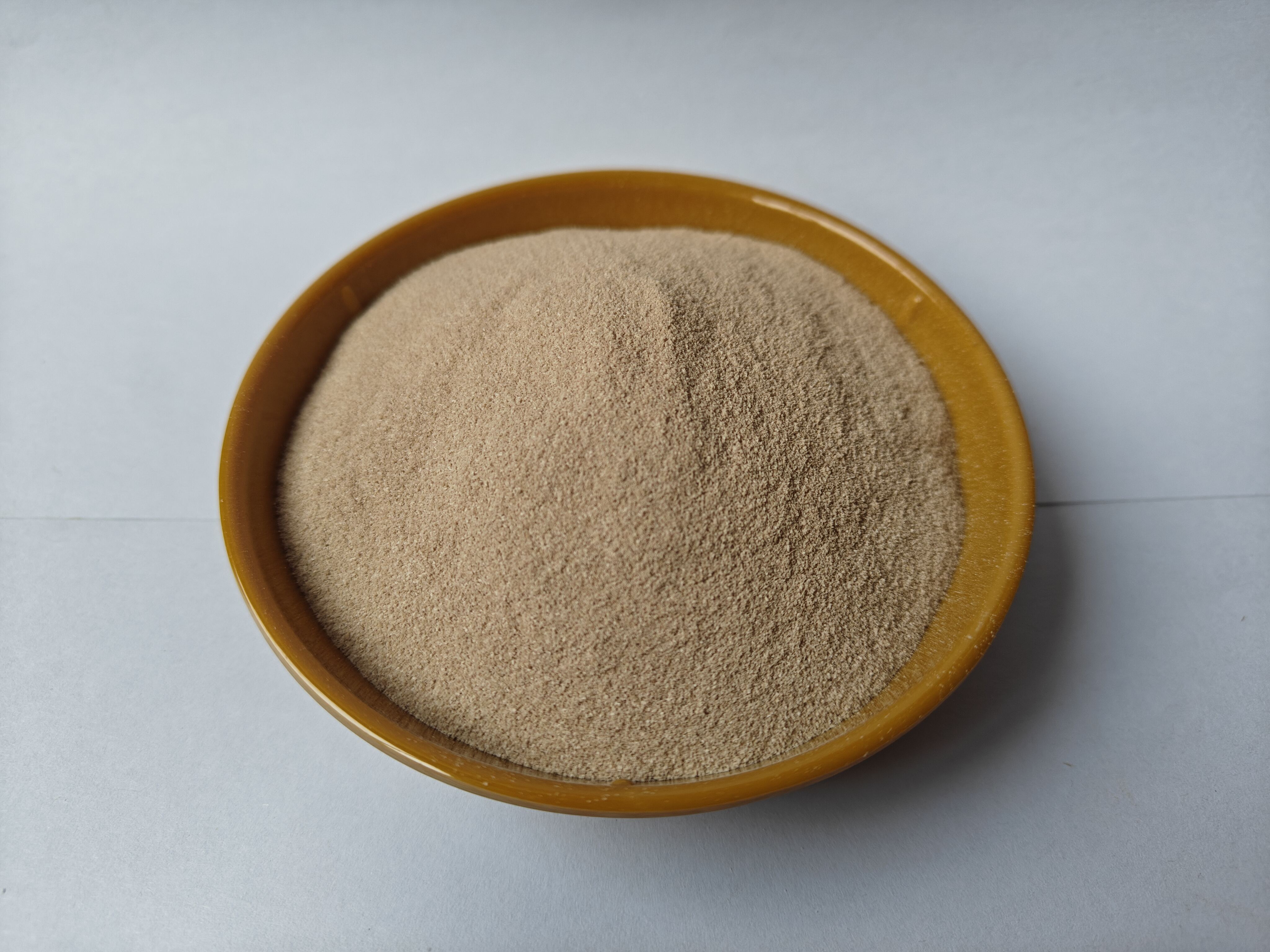
De halfgeleiderindustrie is afhankelijk van nauwkeurige chemische processen die uitzonderlijke zuiverheid en betrouwbaarheid vereisen. Onder de verschillende katalysesystemen die worden gebruikt in toepassingen voor het verpakken van halfgeleiders, catalysatoren op basis van organofosfine zijn onmisbare componenten geworden voor het bereiken van consistente resultaten in geavanceerde elektronica-productie. Deze gespecialiseerde chemische verbindingen bieden unieke eigenschappen die ze bijzonder geschikt maken voor de veeleisende eisen van moderne assemblageprocessen van halfgeleiders, waar zelfs kleine verontreinigingen of inconsistenties kunnen leiden tot aanzienlijke prestatiedegradering of apparaatstoring.
Inzicht in organofosfijnechemie bij toepassingen in halfgeleiders
Fundamentele eigenschappen van organofosfijneverbindingen
Organofosfijneverbindingen vertonen uitzonderlijke elektronendoneer-eigenschappen, waardoor ze zeer effectief zijn als liganden in diverse katalytische systemen. Het fosforatoom in deze moleculen beschikt over een vrij elektronenpaar dat gemakkelijk kan coördineren met metalen centra, waarbij stabiele maar reactieve katalysatorcomplexen ontstaan. Deze eigenschap stelt organofosfijn-gebaseerde katalysatoren in staat om precieze chemische omzettingen te bevorderen terwijl zij structurele integriteit behouden onder de veeleisende omstandigheden die typisch zijn voor productieprocessen van halfgeleiders.
De sterische en elektronische eigenschappen van organofosfijn-liganden kunnen systematisch worden aangepast door de substituentengroepen aan het fosforatoom te wijzigen. Deze afstelbaarheid stelt chemici in staat katalysatorsystemen te ontwerpen met specifieke activiteitsprofielen, selectiviteitspatronen en stabiliteitseigenschappen die zijn afgestemd op bepaalde eisen voor halfgeleiderverpakkingen. De mogelijkheid om deze moleculaire eigenschappen nauwkeurig af te stellen, vormt een groot voordeel ten opzichte van stijvere katalysatorsystemen die niet gemakkelijk kunnen worden geoptimaliseerd voor specifieke toepassingen.
Moleculair Ontwerpprincipes voor Elektronica Fabricage
Het ontwerpen van effectieve op organofosfine gebaseerde katalysatoren voor toepassingen in halfgeleiders vereist zorgvuldige afweging van zowel elektronische als sterische factoren. Elektronische effecten bepalen de elektronendichtheid op het metaalcentrum en beïnvloeden de reactiviteit van de katalysator ten opzichte van verschillende substraten. Sterisch omvangrijke substituenten kunnen selectiviteit bieden door te bepalen welke moleculen de actieve plaats kunnen naderen, maar beïnvloeden ook de stabiliteit van tussentijdse complexen die tijdens de katalytische cycli worden gevormd.
Temperatuurstabiliteit vormt een andere cruciale ontwerpnorm voor toepassingen in de halfgeleiderverpakking. De thermische behandelingsstappen die betrokken zijn bij de assemblage van apparaten vereisen vaak katalysatoren die actief blijven bij verhoogde temperaturen, terwijl ontledingsroutes worden vermeden die ongewenste verontreinigingen zouden kunnen introduceren. Organofosfijnliganden met zorgvuldig gekozen substituentpatronen kunnen de nodige thermische robuustheid bieden, terwijl ze tegelijkertijd de katalytische efficiëntie behouden gedurende langdurige productieprocessen.
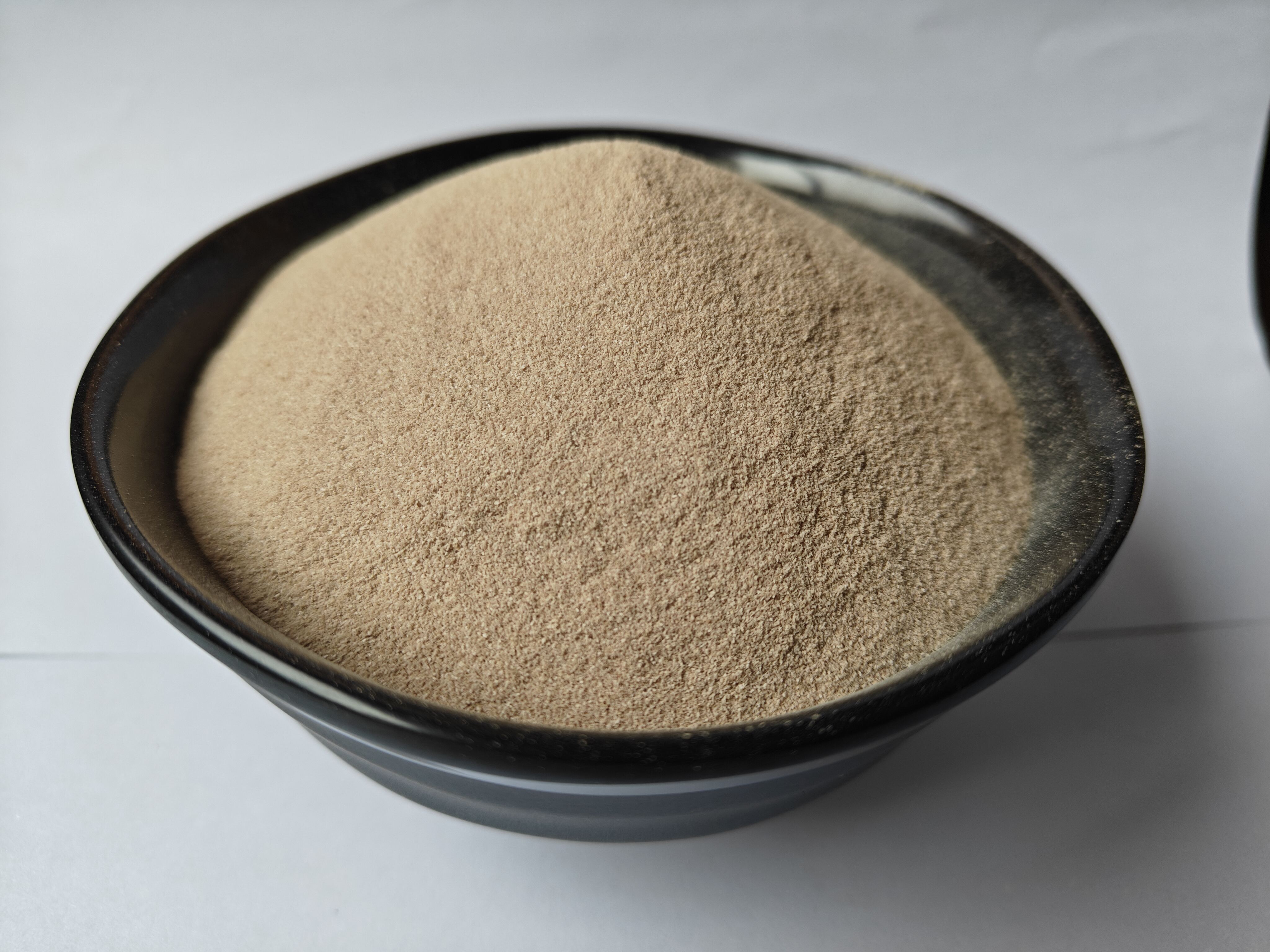
Kritieke Functies in Processen voor Halfgeleiderverpakking
Aanhechtingsbevordering en Oppervlaktemodificatie
Een van de belangrijkste toepassingen van op organofosfines gebaseerde katalysatoren in halfgeleiderverpakkingen is het bevorderen van hechting tussen verschillende materiaallagen. Deze katalysatoren vergemakkelijken de vorming van sterke interfaciale bindingen door oppervlaktefunctionele groepen te activeren en chemische crosslinkingreacties mogelijk te maken. De nauwkeurige controle over reactiekinetiek die door deze katalysesystemen wordt geboden, zorgt voor een uniforme hechtingseigenschappen over grote substraatgebieden, wat essentieel is om de betrouwbaarheid van apparaten te handhaven onder thermische wisselingen en mechanische belasting.
Oppervlaktemodificatieprocessen vereisen vaak selectieve activering van specifieke functionele groepen, terwijl andere ongewijzigd blijven. Katalysatoren op basis van organofosfines presteren uitstekend in deze toepassingen vanwege hun vermogen om onderscheid te maken tussen vergelijkbare chemische functionele groepen op basis van subtiele verschillen in elektronische of sterische omgevingen. Deze selectiviteit stelt fabrikanten in staat complexe oppervlaksstructuren te realiseren met nauwkeurig gecontroleerde eigenschappen, wat de ontwikkeling ondersteunt van geavanceerde verpakkingsoplossingen met verbeterde prestatiekenmerken.
Verhardings- en vernettingsreacties
Het uitharden van encapsulerende materialen is een cruciale stap in de halfgeleiderverpakking waarbij op organofosfines gebaseerde katalysatoren een essentiële rol spelen. Deze materialen moeten volledig worden doorgelinkt binnen gespecificeerde tijds- en temperatuurvensters, terwijl vroegtijdige gelvorming moet worden vermeden omdat dit luchtbellen kan insluiten of spanningsconcentraties kan veroorzaken. De gecontroleerde reactiviteit die wordt geboden door organofosfine-katalysesystemen, stelt fabrikanten in staat om uithardingsprofielen te optimaliseren voor verschillende encapsulerende samenstellingen en verwerkingsomstandigheden.
Vernettingsreacties gekatalyseerd door organofosfineverbindingen verlopen doorgaans via goed gedefinieerde mechanismen die kunnen worden gevolgd en gecontroleerd met behulp van standaard analytische technieken. Deze voorspelbaarheid stelt procesingenieurs in staat om robuuste productieprotocollen te ontwikkelen met consistente resultaten over verschillende productiepartijen heen. Het vermogen om reproduceerbaar uithardingsgedrag te bereiken, is bijzonder belangrijk voor de productie van halfgeleiders in grote volumes, waarbij procesvariaties tot een minimum moeten worden beperkt om aanvaardbare opbrengstpercentages te behouden.
Voordelen ten opzichte van alternatieve katalysesystemen
Verbeterde selectiviteit en controle
In vergelijking met traditionele op metalen gebaseerde katalysatoren, bieden op organofosfine gebaseerde katalysatoren superieure selectiviteit in veel toepassingen voor de verpakking van halfgeleiders. De mogelijkheid om de elektronische en sterische eigenschappen van de fosfine-liganden nauwkeurig af te stellen, zorgt voor een precieze controle over reactiewegen en productverdelingen. Deze selectiviteit vermindert de vorming van ongewenste bijproducten die de prestaties of betrouwbaarheid van apparaten zouden kunnen verstoren, en vermindert ook de noodzaak van extra zuiveringsstappen in het productieproces.
De modulaire aard van organofosfine katalysatorontwerp maakt een snelle optimalisatie van de prestaties van katalysatoren voor nieuwe toepassingen of veranderde procesvereisten mogelijk. In tegenstelling tot vaste katalysatorsamenstellingen kunnen organofosfine systemen systematisch worden aangepast om specifieke uitdagingen aan te pakken of om te profiteren van nieuwe kansen in de halfgeleiderverpakklingstechnologie. Deze aanpassingsvatbaarheid maakt hen bijzonder waardevol voor het ondersteunen van de continue innovatie die vereist is in de snel evoluerende elektronicabranche.
Verbeterde verwerkingsomstandigheden
Veel op organofosfines gebaseerde katalysatoren functioneren effectief onder mildere omstandigheden dan alternatieve systemen, wat leidt tot lagere energieverbruik en minder thermische belasting op gevoelige halfgeleidercomponenten. Lagere verwerkingstemperaturen kunnen helpen de integriteit van delicate apparaatstructuren te behouden en het risico op ongewenste nevenreacties, die kunnen optreden bij hogere temperaturen, te verkleinen. Deze mogelijkheid ondersteunt de ontwikkeling van efficiëntere productieprocessen met een verbeterd duurzaamheidsprofiel.
De mogelijkheid om onder milde omstandigheden hoge katalytische activiteit te bereiken, maakt ook het gebruik van temperatuurgevoelige substraten of additieven mogelijk die onder zwaardere verwerkingsomstandigheden zouden kunnen ontleden. Deze compatibiliteit breidt het scala aan materialen en formuleringen uit dat kan worden gebruikt in toepassingen voor halfgeleiderverpakkingen, en ondersteunt zo de ontwikkeling van geavanceerde verpakkingsoplossingen met verbeterde functionaliteit of prestatiekenmerken.
Kwaliteitscontrole en prestatieoptimalisatie
Analytische Methoden voor Katalysatorkarakterisering
Doeltreffende kwaliteitscontrole voor op organofosfines gebaseerde katalysatoren vereist geavanceerde analysetechnieken die in staat zijn sporen van onzuiverheden te detecteren en de activiteit van de katalysator in de tijd te volgen. Spectroscopische methoden zoals kernmagnetische resonantie en infraroodspectroscopie geven gedetailleerde informatie over moleculaire structuur en zuiverheidsniveau's. Deze technieken kunnen afbraakproducten of verontreinigingen identificeren die de prestaties van de katalysator in toepassingen voor halfgeleiderverpakkingen kunnen beïnvloeden.
Thermische analysemethoden helpen de stabiliteit van katalysatoren onder verwerkingsomstandigheden te beoordelen en de houdbaarheid van opgeslagen katalysatorpreparaten te voorspellen. Differentiële scanningkalorimetrie en thermogravimetrische analyse kunnen ontledingspaden onthullen en optimale opslagomstandigheden identificeren om de activiteit van katalysatoren te behouden. Het begrijpen van deze stabiliteitsrelaties is cruciaal voor het handhaven van een consistente productieprestatie en het voorkomen van processtoringen door katalysatordegradatie.
Procesmonitoring en controlestrategieën
Realtime monitoring van katalytische processen stelt fabrikanten in staat om afwijkingen van optimale omstandigheden te detecteren voordat deze de productkwaliteit beïnvloeden. Geavanceerde procesregelsystemen kunnen reactieparameters automatisch aanpassen op basis van feedback van inline analyseinstrumenten, waardoor een consistente prestatie wordt behouden ondanks variaties in grondstoffen of omgevingsomstandigheden. Dit niveau van controle is bijzonder belangrijk voor toepassingen in de halfgeleiderverpakking, waar kleine procesvariaties aanzienlijke gevolgen kunnen hebben voor de betrouwbaarheid van apparaten.
Statistische procesbesturingmethoden helpen trends in katalysatorprestaties te identificeren die kunnen duiden op de noodzaak van preventief onderhoud of procesaanpassingen. Door belangrijke prestatie-indicatoren over tijd te volgen, kunnen fabrikanten het gebruik van katalysatoren optimaliseren en verspilling minimaliseren, terwijl zij hoge kwaliteitsnormen handhaven. Deze op gegevens gebaseerde aanpakken ondersteunen initiatieven voor continue verbetering en helpen investeringen in geavanceerde katalysatortechnologieën te rechtvaardigen.
Toekomstige ontwikkelingen en branche trends
Opkomende Toepassingen in Geavanceerde Verpakkingen
De voortdurende verkleining van elektronische apparaten zorgt voor een toenemende vraag naar geavanceerde verpakkings technologieën die hogere componentendichtheden kunnen ondersteunen, terwijl tegelijkertijd uitstekende thermische en elektrische prestaties worden behouden. Er worden organofosfinegebaseerde katalysatoren ontwikkeld om deze geavanceerde verpakkingsmethoden te ondersteunen via verbeterde materiaaleigenschappen en betere verwerkingsmogelijkheden. Nieuwe katalysatorontwerpen maken het mogelijk om nieuwe encapsuleringsformuleringen te gebruiken met verbeterde thermische geleidbaarheid of een gereduceerde coëfficiënt van thermische uitzetting.
Driedimensionale verpakkingsarchitecturen stellen unieke uitdagingen voor katalysatorsystemen door de complexe geometrieën en meerdere materiaalgrensvlakken die hierbij betrokken zijn. Op organische fosfines gebaseerde katalysatoren worden aangepast om een uniforme uitharding en hechting te waarborgen in deze complexe structuren, wat zorgt voor betrouwbare prestaties onder de veeleisende omstandigheden in toepassingen voor high-performance computing en mobiele apparaten. Het vermogen om consistente eigenschappen te behouden over verschillende lengteschalen, vormt een aanzienlijk voordeel voor deze opkomende technologieën.
Duurzaamheid en milieubewuste overwegingen
Milieuregels en duurzaamheidsinitiatieven stimuleren de ontwikkeling van milieuvriendelijkere katalysatorsystemen voor de halfgeleiderproductie. Op organische fosfines gebaseerde katalysatoren kunnen zo worden ontworpen dat het gebruik van gevaarlijke stoffen wordt geminimaliseerd, terwijl tegelijkertijd hoge prestatienormen worden gehandhaafd. Principe van groene chemie leiden bij de keuze van ligandstructuren en metaalcentra om de milieubelasting gedurende de gehele levenscyclus van de katalysator te verlagen.
Het recyclen en terugwinnen van edele metalen uit gebruikte organofosfinkatalysatoren vormt een belangrijke duurzaamheidskans voor halfgeleiderfabrikanten. Geavanceerde scheidingsmethoden maken het mogelijk waardevolle metalen te herwinnen voor hergebruik bij de productie van nieuwe katalysatoren, waardoor zowel de kosten voor grondstoffen als de milieubelasting worden verlaagd. Deze gesloten ketens zijn in lijn met bredere sectorinitiatieven om de duurzaamheid van productieprocessen voor elektronische apparaten te verbeteren.
FAQ
Wat maakt organofosfinegebaseerde katalysatoren bijzonder geschikt voor halfgeleiderverpakkingen?
Organofosfinegebaseerde katalysatoren bieden uitzonderlijke zuiverheid, nauwkeurige reactiviteitscontrole en de mogelijkheid om onder milde omstandigheden te werken die gevoelige halfgeleidercomponenten behouden. Hun aanpasbare elektronische en sterische eigenschappen maken aanpassing aan specifieke verpakkingsvereisten mogelijk, terwijl hun stabiliteit zorgt voor een consistente prestatie gedurende het productieproces. Deze kenmerken maken hen ideaal voor toepassingen die hoge betrouwbaarheid en reproduceerbaarheid vereisen.
Hoe verhouden organofosfinekatalysatoren zich tot traditionele op metaal gebaseerde systemen wat betreft prestaties?
Op organofosfines gebaseerde katalysatoren bieden doorgaans een betere selectiviteit en mildere procesomstandigheden vergeleken met traditionele op metalen gebaseerde systemen. Ze bieden betere controle over reactiewegen, verminderde vorming van bijproducten en de mogelijkheid om bij lagere temperaturen te werken. Dit resulteert in een betere productkwaliteit, lagere energieverbruik en grotere verenigbaarheid met temperatuurgevoelige materialen die veel worden gebruikt in halfgeleiderverpakkingen.
Welke kwaliteitscontrolemaatregelen zijn essentieel bij het werken met organofosfinekatalysatoren?
Belangrijke maatregelen voor kwaliteitscontrole omvatten uitgebreide analytische tests met behulp van spectroscopische methoden om zuiverheid en structuur te verifiëren, thermische analyse om stabiliteitseigenschappen te beoordelen, en prestatietests onder daadwerkelijke productieomstandigheden. Regelmatige monitoring van katalysatoractiviteit, contaminatieniveaus en opslagomstandigheden draagt bij aan een consistente prestatie. De toepassing van statistische procescontrolemethoden maakt vroege detectie van prestatietrends en optimalisatiemogelijkheden mogelijk.
Welke toekomstige ontwikkelingen kunnen worden verwacht in de technologie van organofosfinekatalysatoren?
Toekomstige ontwikkelingen zullen zich waarschijnlijk richten op verbeterde milieuduurzaamheid, betere prestaties voor geavanceerde verpakkingsarchitecturen en een betere integratie met geautomatiseerde productiesystemen. Nieuwe katalysatorontwerpen zullen de uitdagingen aanpakken van driedimensionale verpakkingen, hogere eisen aan temperatuurstabiliteit en compatibiliteit met encapsulerende materialen van de volgende generatie. Groene chemieprincipes zullen de ontwikkeling leiden van milieuvriendelijkere katalysatorsystemen, terwijl tegelijkertijd hoge prestatienormen worden gehandhaafd.
Inhoudsopgave
- Inzicht in organofosfijnechemie bij toepassingen in halfgeleiders
- Kritieke Functies in Processen voor Halfgeleiderverpakking
- Voordelen ten opzichte van alternatieve katalysesystemen
- Kwaliteitscontrole en prestatieoptimalisatie
- Toekomstige ontwikkelingen en branche trends
-
FAQ
- Wat maakt organofosfinegebaseerde katalysatoren bijzonder geschikt voor halfgeleiderverpakkingen?
- Hoe verhouden organofosfinekatalysatoren zich tot traditionele op metaal gebaseerde systemen wat betreft prestaties?
- Welke kwaliteitscontrolemaatregelen zijn essentieel bij het werken met organofosfinekatalysatoren?
- Welke toekomstige ontwikkelingen kunnen worden verwacht in de technologie van organofosfinekatalysatoren?