
 EN
EN
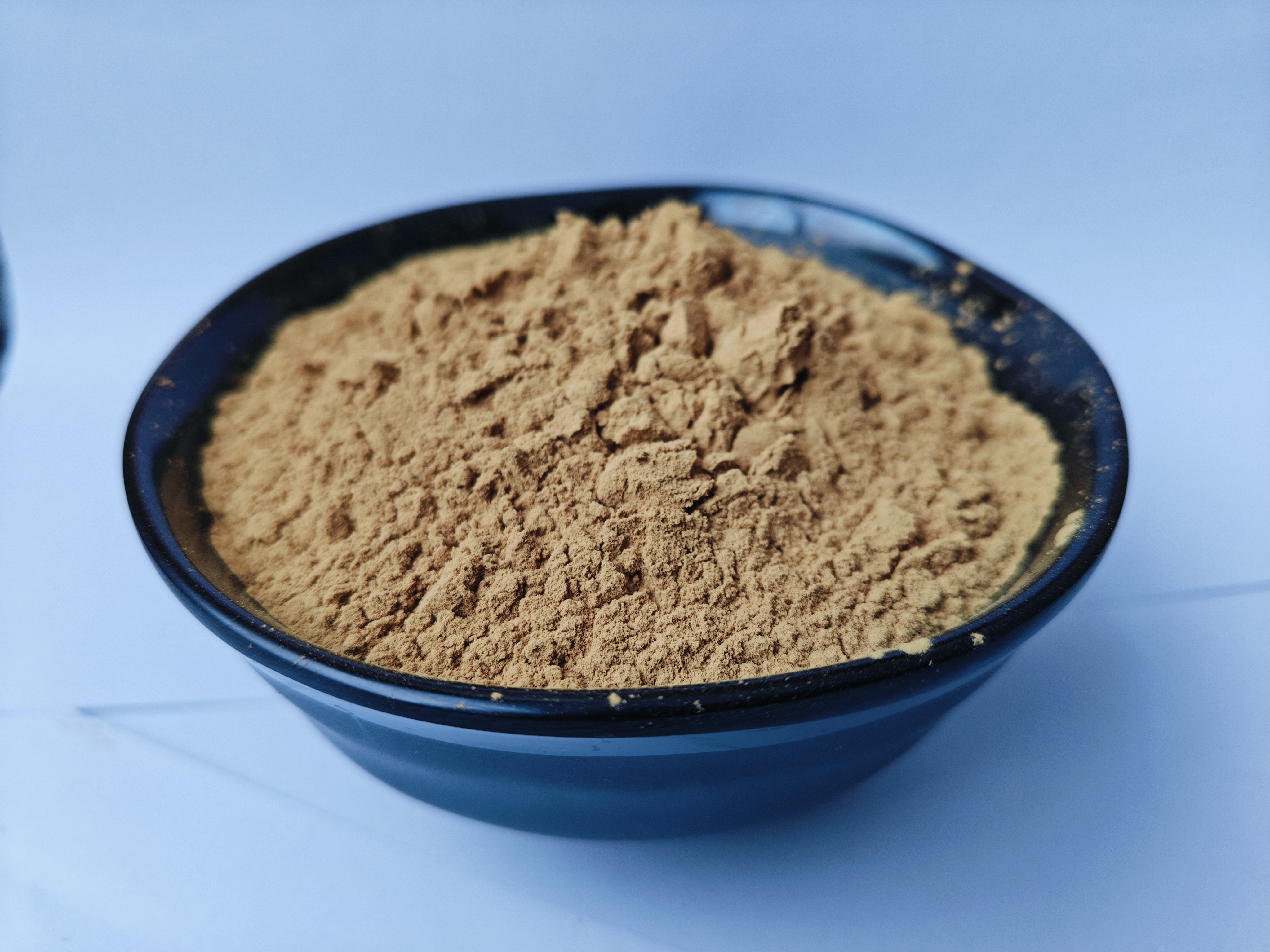
အလွန်မြန်ဆန်စွာ ဖွံ့ဖေါ်ရေးလုပ်နေသော ဆီမီကွန်ဒတ်စက်မှုလုပ်ငန်းတွင် စိတ်ချရပြီး ထိရောက်မှုရှိသော ချစ်ပ်ထုပ်ပေးရေးလုပ်ငန်းမှုများကို အကောင်အထည်ဖော်ရန်အတွက် အလွန်ပိုမိုမှုန်းမှုများကို ခံနိုင်ရည်ရှိပြီး အကောင်းမွန်ဆုံး စွမ်းဆောင်ရည်ကို ထိန်းသိမ်းပေးနိုင်သည့် အဆင့်မြင့်ပစ္စည်းများကို လိုအပ်ပါသည်။ အပူပိုင်း ပိုင်းခြား ကိုယ်စားလှယ်များ ဤအထူးပြုထားသော ကာတာလစ်များသည် ခေတ်မှီ ဆီမီကွန်ဒတ်ထုတ်လုပ်မှုလုပ်ငန်းများတွင် မရှိမဖြစ် အစိတ်အပိုင်းများအဖြစ် ပေါ်ပေါက်လာခဲ့ပါသည်။ ၎င်းတို့သည် ခဲပေးခြင်း တုံ့ပြန်မှုများကို တိကျစွာ ထိန်းချုပ်ပေးနိုင်ပြီး ထုပ်ပေးရေးလုပ်ငန်း၏ စိတ်ချရမှုကို ပိုမိုကောင်းမွန်စေပါသည်။ ဤအထူးပြုထားသော ကာတာလစ်များသည် အခန်းအပူချိန်တွင် အလုပ်မလုပ်သော အခြေအနေတွင် ရှိနေပြီး အပူချိန်မြင့်မှုတွင် အလုပ်လုပ်လာပါသည်။ ထို့ကြောင့် ထုတ်လုပ်သူများအနေဖြင့် အရေးကြီးသော စုပ်ယူခြင်းလုပ်ငန်းများအတွင်း အလုပ်လုပ်ရန် အချိန်ပိုများကို ရရှိပြီး လုပ်ငန်းစဉ်ထိန်းချုပ်မှုကို ပိုမိုကောင်းမွန်စေပါသည်။
အပူလျှို့ဝှက် ကာတာလစ်နည်းပညာ၏ နောက်ကွယ်ရှိ သိပ္ပံပညာကို နားလည်ခြင်း
အဏုမေဗျူးဖွဲ့စည်းပုံနှင့် အသက်ဝင်မှု စက်မှုလုပ်ငန်းများ
အပူပိုင်းဆိုင်ရာ ပုန်းကွယ်နေတဲ့ ဓာတ်ကူပစ္စည်းတွေဟာ တိကျတဲ့ အပူချိန်အဆင့်တွေ မရောက်မချင်း အိပ်စက်နေတဲ့ ရှုပ်ထွေးတဲ့ မော်လီကျူး ယန္တရားတွေကနေ လုပ်ဆောင်ပါတယ်။ ဒီဒြပ်ပေါင်းတွေဟာ ပုံမှန်အားဖြင့် တက်ကြွတဲ့ catalytic site တွေကို အစောကြီး တက်ကြွလာခြင်းကနေ ကာကွယ်ပေးတဲ့ ကာကွယ်ရေး မော်လီကျူး တည်ဆောက်မှုရှိပါတယ်။ အများဆုံး တွေ့နေကျ အမျိုးအစားများမှာ ပိတ်ထားတဲ့ catalysts များ၊ microencapsulated စနစ်များနှင့် အပူပိုင်းအရ ဆွေးမြေ့ပျက်စီးနိုင်သော ရှေ့ပြေးပစ္စည်းများ ပါဝင်ပြီး ၎င်းတို့သည် ကြိုတင်သတ်မှတ်ထားသော အပူချိန်အထိ အပူပေးခြင်းဖြင့်သာ သက်ရောက်သော မျိုးစိတ်များကို ထုတ်လွှတ်ပေးသည်။
တက်ကြွမှုဖြစ်စဉ်မှာ မော်လီကျူးအဆက်အသွယ် ပြတ်တောက်ခြင်း (သို့) တည်ဆောက်မှု ပြန်လည်စီစဉ်ခြင်းတွေကို ဖြစ်စေတဲ့ တိကျတဲ့ အပူစွမ်းအင် ဝင်ရောက်မှု ပါဝင်ပါတယ်။ ဒီထိန်းချုပ်ထားတဲ့ ထုတ်လွှတ်မှု ယန္တရားက အမာခံမှုဖြစ်စဉ်အတွင်း လိုအပ်တဲ့ အချိန်မှာ အတိအကျ ကက်တလစ် လှုပ်ရှားမှု စတင်တာကို အာမခံပေးပါတယ်။ အဆင့်မြင့် အပူပိုင်းဆိုင်ရာ ပုန်းကွယ်နေတဲ့ ဓာတ်ကူပစ္စည်းတွေကို 80°C မှ 200°C အထိ တိကျတဲ့ တက်ကြွမှု အပူချိန်တွေနဲ့ ဒီဇိုင်းထုတ်လုပ်နိုင်ပြီး ထုတ်လုပ်သူတွေဟာ သူတို့ရဲ့ တိကျတဲ့ လိုအပ်ချက်တွေကို လိုက်ဖက်အောင် ပြုပြင်နိုင်စေပါတယ်။
အပူချိန်ပေါ် မူတည်သော စွမ်းဆောင်ရည်လက္ခဏာများ
အပူလျှပ်စစ်ဖြစ်စေသော ကာတာလစ်များ၏ စွမ်းဆောင်ရည် ပရိုဖိုင်လ်သည် အပူခါးမှုကို အထူးသဖြင့် အသိအမှတ်ပုတ်သည်။ လှုံ့ဆော်မှု နှုန်းထက် ပိုမိုမြင့်မားသော အပူခါးမှုတွင် ကာတာလစ် လုပ်ဆောင်မှုသည် အလွန်မြန်ဆန်စွာ တိုးမြင့်လာပါသည်။ လှုံ့ဆော်မှု အပူခါးမှုအောက်တွင် ဤပစ္စည်းများသည် အလွန်ကောင်းမွန်သော တည်ငြိမ်မှုကို ပြသပြီး အချိန်ကြာမှုအထိ သူတို့၏ လှုံ့ဆော်မှုမရှိသော အခြေအနေကို ထိန်းသိမ်းနိုင်ပါသည်။ ဤအခြေအနေသည် ဖော်မြူလေးရှင်း သိုလှောင်မှုနှင့် ဖော်မြူလေးရှင်း လုပ်ဆောင်မှု လွတ်လပ်မှုတွင် အထူးသဖြင့် အကျေးဇူးပုတ်သည်။
လှုံ့ဆော်ပြီးနောက် အပူလျှပ်စစ်ဖြစ်စေသော ကာတာလစ်များသည် အတိအကျ ထိန်းချုပ်နိုင်သော ခဲယောင်မှု အမြန်နှုန်းများကို ပေးစေပါသည်။ အပူခါးမှုအပေါ် မှီခိုသော အပြုအမှုသည် အဆင့်ဆင့် ခဲယောင်မှု လုပ်ငန်းစဉ်များကို ဖော်ဆောင်နိုင်စေပါသည်။ အဆင့်ဆင့် လှုံ့ဆော်မှုများကို အသုံးပြု၍ ရှုပ်ထွေးသော ခဲယောင်မှု ပရိုဖိုင်လ်များကို ဖန်တီးနိုင်ပါသည်။ ဤသို့သော ပရိုဖိုင်လ်များသည် နောက်ဆုံးပေးသော ပစ္စည်း ဂုဏ္ဍများကို အကောင်းဆုံးဖော်ဆောင်ရန်နှင့် လုပ်ဆောင်မှု ဖိအားကို အနည်းဆုံးဖော်ဆောင်ရန် အထူးသဖြင့် အကျေးဇူးပုတ်သည်။
စမ်းသပ်ခြင်း ခဲယောင်မှု အသုံးပြုမှုများတွင် အရေးကြီးသော အသုံးပြုမှုများ
အီပေါက်စီ အောက်ချိုးမှုနှင့် ဒိုင်အား တပ်ဆင်မှု အသုံးပြုမှုများ
စမ်းသပ်ခြ်င်း ခဲယောင်မှု အသုံးပြုမှုများတွင် အပူပိုင်း ပိုင်းခြား ကိုယ်စားလှယ်များ ဤကာတယ်လစ်များသည် ခွဲခြမ်းစိတ်ဖေးရှုမှုနှင့် ပတ်ဝန်းကျင်ဆိုင်ရာ အခြေအနေများမှ ခွဲခြမ်းစိတ်ဖေးရှုမှုအားနည်းသော ခီပ်အစိတ်အပိုင်းများကို ကာကွယ်ပေးသည့် အီပေါက်စီ အန်ဒာဖူးလ် ဖော်မျူလေးရှင်းများတွင် အရေးပါသော အခန်းကဏ္ဍများ ပါဝင်ပါသည်။ ဤအသုံးပြုမှုများသည် ကросс်လင်းခြင်း တုံ့ပြန်မှု စတင်မီ ပုံစံအတိအကျဖြင့် စီးဆင်းမှုနှင့် အထောက်အကူဖြစ်စေသော အချိန်ကို သေချာစေရန် လိုအပ်ပါသည်။ ဤကာတယ်လစ်များ၏ လျှို့ဝှက်သော သဘောသည် ပုံစံဖြန့်ဖြူးမှုအတွက် လုံလောက်သော အလုပ်လုပ်ခွင့်အချိန်ကို ပေးပေးပါသည်။ ထို့အပြင် အပူချိန်မြင့်မှုတွင် အပြည့်အဝ ခဲသွေးမှုကို သေချာစေပါသည်။
အန်တီများကို စက်မှုအခြေခံပုံစံများနှင့် စက်မှုအခြေခံပုံစံများကြား အားကောင်းမောင်းသော အသုံးပြုမှုများသည် အပူလျှို့ဝှက်သော ကာတယ်လစ်များကြောင့် အကောင်းမွန်ဆုံး အကျိုးကျေးဇူးများကို ရရှိပါသည်။ ထိန်းချုပ်ထားသော လှုံ့ဆော်မှုသည် အန်တီများကို တပ်ဆင်သည့် လုပ်ဆောင်မှုအတွင်း အလျင်မြန်စွာ ခဲသွေးမှုဖြစ်ပေါ်မှုကို ကာကွယ်ပေးပါသည်။ ထိုသို့သော အလျင်မြန်စွာ ခဲသွေးမှုဖြစ်ပေါ်မှုသည် အန်တီများ၏ မှုန်းမှုနှင့် အပြည့်အဝ မှုန်းမှုများကို ဖြစ်ပေါ်စေနိုင်ပါသည်။ အဆုံးတွင် ခဲသွေးပြီးသော ကပ်စ်အား အပူလွှဲပေးမှု အရည်အသွေးကောင်းမောင်းသော အရည်အသွေးများနှင့် စက်မှုအခြေခံပုံစံများကို ပေးပါသည်။
ခေတ်မှီ ပုံစံထုပ်ပိုးမှု နည်းပညာများ
စနစ်အတွင်း ပက်ကေဗ် (system-in-package) နှင့် ၃ မိုင်မာ အသုံးပြုမှု (3D integration) စသည့် ခေတ်မီ ပက်ကေဗ် နည်းလမ်းများသည် အလွန်အမင်း အဆင့်များစွာ ပါဝင်သော အလွှာများ စုစည်းခြင်း လုပ်ငန်းစဉ်များအတွက် အပူလျှို့ဝှက် ကာတာလစ်များ (thermally latent catalysts) ပေါ်တွင် အလွန်အမင်း မှီခိုပါသည်။ ဤရှုပ်ထွေးသော ဖွဲ့စည်းပုံများသည် အဆင့်ဆင့် လုပ်ဆောင်ရမည့် လုပ်ငန်းစဉ်များကို လိုအပ်ပြီး အသုံးပြုမှု ပစ္စည်းများသည် သတ်မှတ်ထားသော အချိန်များနှင့် အပူခါးများတွင် အမျှတ်မှု ဖြစ်ပေါ်စေရန် လိုအပ်ပါသည်။ အပူလျှို့ဝှက် ကာတာလစ်များသည် ထုတ်လုပ်သူများအား ယင်းကဲ့သို့သော ရှုပ်ထွေးသော ပက်ကေဗ် ဖွဲ့စည်းပုံများကို အထိရောက်ဆုံး ဖန်တီးနေစေရန် အရေးကြီးသော အထောက်အကူပေးပါသည်။ ထို့အပါအဝင် ယင်းကာတာလစ်များသည် အရင်က လုပ်ဆောင်ပြီးသော အလွှာများ၏ အရည်အသွေးကို ထိခိုက်စေခြင်းမှ ကာကွယ်ပေးပါသည်။
ဝေဖာအဆင့် ပက်ကေဗ် အသုံးပြုမှုများတွင် အပူလျှို့ဝှက် ကာတာလစ်များကို ပြန်လည်ဖ distribution လုပ်ခြင်းအလွှာများ (redistribution layers) နှင့် ကာကွယ်ရေး အလွှာများ (protective coatings) တွင် အသုံးပြုကြပါသည်။ ဤအလွှာများသည် ထုတ်လုပ်မှုအတွင်း အပူခါးများစွာကို ခံနိုင်ရည်ရှိရန် လိုအပ်ပါသည်။ ဤကာတာလစ်များ၏ အလွှာအလွှာ အကြား လုပ်ဆောင်မှုအဆင့်များတွင် တည်ငြိမ်မှုရှိခြင်းသည် နောက်ဆုံး အရည်အသွေးများကို တည်ငြိမ်စေပါသည်။ ထို့အပါအဝင် ဤကာတာလစ်များသည် စုံလင်သော ထုတ်လုပ်မှု လုပ်ငန်းစဉ်များကို အောင်မြင်စေရန် အရေးကြီးသော အထောက်အကူပေးပါသည်။ ထို့ကြောင့် စုံလင်သော ထုတ်လုပ်မှု လုပ်ငန်းစဉ်များသည် စုံလင်သော ထုတ်လုပ်မှု စုံလင်မှုကို အောင်မြင်စေရန် အရေးကြီးသည်။
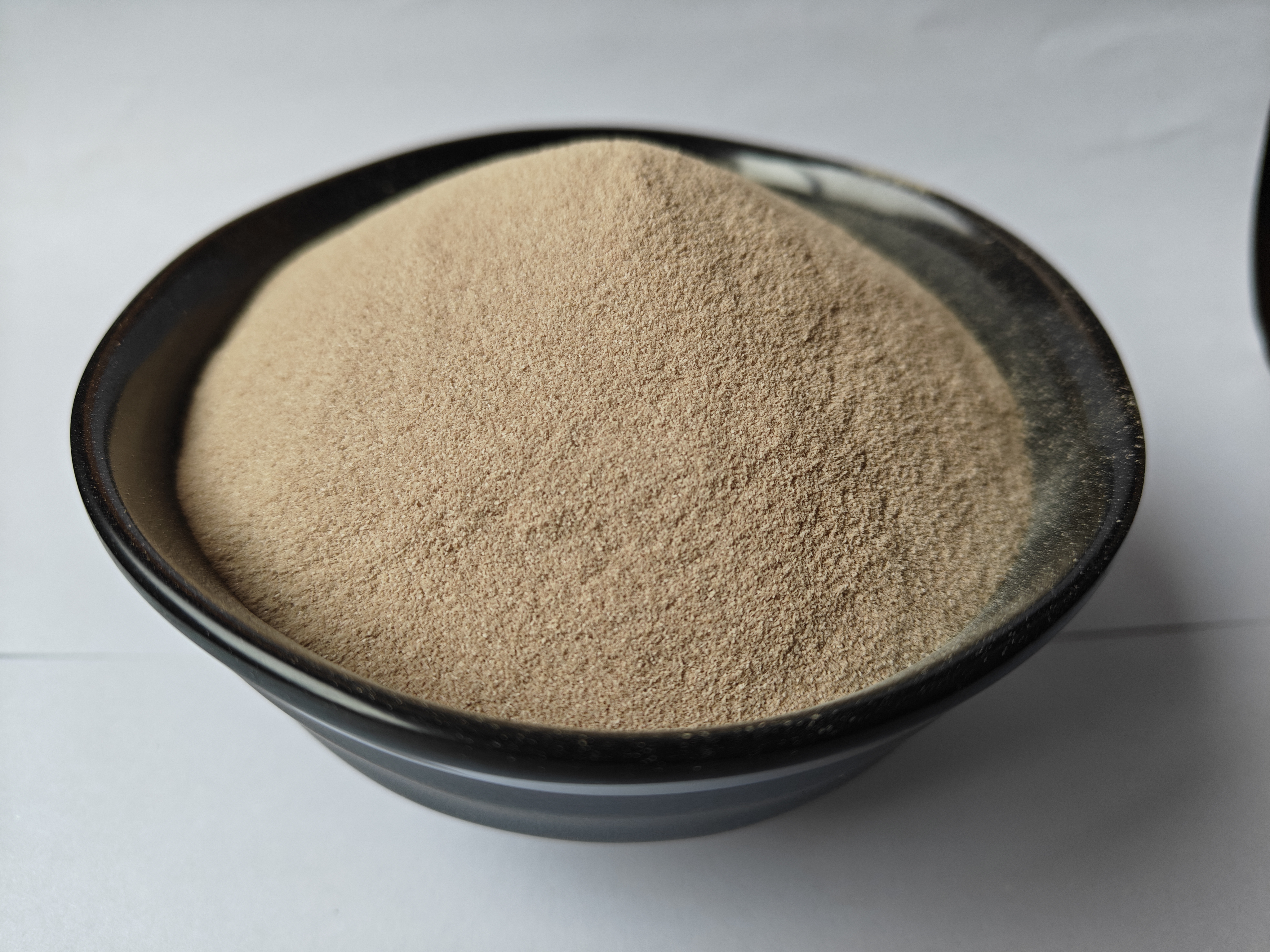
စွမ်းဆောင်ရည် အားသာချက်များနှင့် နည်းပညာအကျိုးကျေးဇူးများ
ပိုမိုကောင်းမွန်သော လုပ်ဆောင်မှု အကြားကာလနှင့် လွန်စွာ လွယ်ကူသော အသုံးပြုမှု
အပူလျှို့ဝှက် ကာတာလစ်များ၏ အသုံးပြုမှုသည် စက်မှုလုပ်ငန်းများအတွက် လုပ်ဆောင်ရန် အချိန်ကာလကို သိသိသာသာ တိုးချဲ့ပေးပါသည်။ ထိုသို့ဖြင့် ထုတ်လုပ်သူများသည် စုစည်းခြင်းလုပ်ငန်းများတွင် ပိုမိုကျယ်ပေါင်းသော လုပ်ဆောင်နိုင်စွမ်းကို ရရှိပါသည်။ ရောနှောပြီးချင်းတွင် တိုးမှုန်မှုကို စတင်ပေးသည့် ပုံမှန်ကာတာလစ်များနှင့် ကွဲပါသည်။ လျှို့ဝှက်စနစ်များသည် အခန်းအပူခါးမှုတွင် ပုံမှန်အတိုင်း တည်ငြိမ်သော အသုံးပြုနိုင်သည့် အချိန်ကို ပေးပါသည်။ ထို့ကြောင့် ပစ္စည်းများ ဖုန်းချေမှုကို လျော့နည်းစေပြီး အရီးအသေးကြီးများကို တစ်ပါတ်တည်း ပြုလုပ်နိုင်စေပါသည်။ ထိုသို့သော အလုပ်လုပ်ရန် အချိန်ကာလ တိုးချဲ့မှုသည် ထုတ်လုပ်မှု ထိရောက်မှုကို မြှင့်တင်ပေးပြီး ထုတ်လုပ်မှုစရိတ်များကို လျော့နည်းစေပါသည်။
အပူခါးမှုကို ထိန်းညှိခြင်းဖြင့် အမှန်တကယ် အချိန်မှန်စွာ အမှုန်မှုကို စတင်နိုင်ပါသည်။ ထိုသို့ဖြင့် ရေးရှိုးသော ကာတာလစ်စနစ်များဖြင့် မဖြစ်နိုင်သည့် ရှုပ်ထွေးသော စုစည်းမှုအဆင့်များကို အကောင်အထည်ဖော်နိုင်ပါသည်။ ထုတ်လုပ်သူများသည် နောက်ဆုံးအမှုန်မှုကို စတင်မှုမှီ စုစည်းမှုအဆင့်များ၊ စစ်ဆေးမှုများနှင့် ညှိယှဉ်မှုများကို အကောင်အထည်ဖော်နိုင်ပါသည်။ ထိုသို့ဖြင့် ထုတ်လုပ်မှုနှုန်းများကို သိသိသာသာ မြှင့်တင်ပေးပြီး ထုတ်ကုန်အရည်အသွေး၏ တည်ငြိမ်မှုကို တိုးမှုန်စေပါသည်။
အမှုန်မှုအရည်အသွေးနှင့် ယုံကြည်စိတ်ချရမှု အထူးကောင်းမွန်ခြင်း
အပူလျှို့ဝှက်သော ကြွယ်ဝမှုများသည် အတွင်းပိုင်းဖိအားများနှင့် အကွက်များဖွဲ့စည်းမှုကို အနည်းဆုံးဖြစ်စေရန် ထိန်းချုပ်ထားသော ဓာတ်ပေါင်းစပ်မှု အမြန်နှုန်းများအတွင်း အထူးကောင်းမွန်သော ခံစားမှုအရည်အသွေးကို ပေးစေပါသည်။ ဖြေးဖြေးချင်း စတင်လုပ်ဆောင်မှုဖြစ်စေသည့် လုပ်ငန်းစဉ်သည် အကောင်းမွန်ဆုံး အဏုမေဗျူးလာ ကွန်ရက်ဖွဲ့စည်းမှုကို ဖြစ်စေပါသည်။ ထို့ကြောင့် ယန္တရားဆိုင်ရာ ဂုဏ်သတ္တိများ ပိုမိုကောင်းမွန်လာပါသည်။ အချိန်ကြာမှုအထိ ယုံကြည်စိတ်ချရမှုလည်း ပိုမိုကောင်းမွန်လာပါသည်။ ထိန်းချုပ်ထားသော ခံစားမှုပတ်ဝန်းကျင်သည် အပေါက်များဖွဲ့စည်းမှု၊ မပြည့်စုံသော ခံစားမှုနှင့် အခြားသော အကွက်များဖွဲ့စည်းမှုများကို လျော့နည်းစေပါသည်။ ထိုအကွက်များသည် ပေးပို့မှုအရည်အသွေးကို ထိခိုက်စေနိုင်ပါသည်။
အပူဖြင့် စတင်လုပ်ဆောင်မှု၏ ခန့်မှန်းနိုင်သော သဘောသည် တိကျသော လုပ်ငန်းစဉ် အကောင်းမွန်ရေးနှင့် အရည်အသွေးထိန်းချုပ်မှုကို ဖြစ်စေပါသည်။ ထုတ်လုပ်သူများသည် ထုတ်လုပ်မှုအကြိမ်ပေါင်းများစွာတွင် အတိအကျ ရလဒ်များကို အာမခံပေးနိုင်သည့် အားကောင်းသော လုပ်ငန်းစဉ် အချက်များကို သတ်မှတ်နိုင်ပါသည်။ ထိုအချက်များသည် ခေတ်မှီ စမ်းသပ်ခြင်းနည်းပညာများတွင် လိုအပ်သည့် အထူးခြားနေသော ယုံကြည်စိတ်ချရမှု လိုအပ်ချက်များကို ဖေးမော်ပေးပါသည်။ အဆင့်မြင့် အပူလျှို့ဝှက်သော ကြွယ်ဝမှုများသည် ပြင်ပ အခြေအနေများ ပိုမိုဆိုးရောင်းသည့် အချိန်တွင် ၂၀ နှစ်ကျော် အသက်တာရှိသည့် ပေးပို့မှုများကို ဖေးမော်ပေးပါသည်။
ရွေးချယ်ရန် စံနှုန်းများနှင့် ပစ္စည်းဆိုင်ရာ စဉ်းစားမှုများ
စတင်လုပ်ဆောင်မှု အပူချိန်ကို ကိုက်ညီအောင် ပြုလုပ်ခြင်း
သိပ်သည်းမှုအရ လျှို့ဝှက်ထားသော အပူခံစွမ်းရည်ရှိသော ကာတာလစ်များကို ရွေးချယ်ရာတွင် လုပ်ငန်းစဉ်၏ စုစုပေါင်း အပူခံစွမ်းရည် ပရိုဖိုင်လ်များနှင့် နှိုင်းယှဉ်၍ အသုံးပြုမည့် အပူခံစွမ်းရည်ကို သေချာစွာ စဉ်းစားရန် လိုအပ်ပါသည်။ အသုံးပြုမည့် အပူခံစွမ်းရည်သည် စုပ်ယူမှုလုပ်ဆောင်မှုများအတွင်း လုံလောက်သော အလုပ်လုပ်နိုင်သည့် အချိန်ကို ပေးစေရန် လုံလောက်စွာမြင့်မှု လိုအပ်ပါသည်။ ထို့အပြင် အပူခံစွမ်းရည်နိုင်ရည်နိုင်သော အစိတ်အပိုင်းများနှင့် ပစ္စည်းများနှင့် ကိုက်ညီမှုရှိရန်လည်း လိုအပ်ပါသည်။ အများစုသော ဆဲမီကွန်ဒတ်တာ ထုပ်ပိုးမှုလုပ်ငန်းစဉ်များတွင် လုပ်ငန်းစဉ်လိုအပ်ချက်များနှင့် အစိတ်အပိုင်းများ၏ ကန့်သတ်ချက်များကို ဟန်ချက်ညှိရန် အပူခံစွမ်းရည် ၁၂၀°C မှ ၁၈၀°C အထိ ရှိသော ကာတ်လစ်များကို အသုံးပြုကြပါသည်။
လုပ်ငန်းစဉ်နှင့် ကိုက်ညီမှုသည် အပူခံစွမ်းရည်ကို ရိုးရှင်းစွာ ကိုက်ညီအောင်လုပ်ခြင်းသာမက အပူတက်မှုနှုန်း၊ အပူထိန်းမှုအချိန်များနှင့် အအေးခံမှုပရိုဖိုင်လ်များကိုလည်း ထည့်သွင်းစဉ်းစားရန် လိုအပ်ပါသည်။ အပူခံစွမ်းရည်ရှိသော လျှို့ဝှက်ထားသော ကာတ်လစ်များသည် လက်ရှိထုတ်လုပ်မှုစက်ကူများ၏ အပူခံစွမ်းရည် ဘတ်ဂျက်အတွင်း ယုံကြည်စွာ အသုံးပြုနိုင်ရန် လိုအပ်ပါသည်။ ထို့အပြင် လက်ခံနိုင်သည့် စက်ဝိုင်းအချိန်အတွင်း ပြည့်စုံသော အမြှေးဖောက်မှုကို ပေးစေရန်လည်း လိုအပ်ပါသည်။ အဆင့်မြင့် ကာတ်လစ်ရွေးချယ်မှုတွင် ထုပ်ပိုးမှုလုပ်ငန်းစဉ်၏ အပူခံစွမ်းရည်ဆိုင်ရာ သမိုင်းအားလုံးကို ထည့်သွင်းစဉ်းစားပြီး အကောင်းမြင့်မှုကို အာမခံရန် လိုအပ်ပါသည်။
ဓာတုပေါင်းစပ်မှုနှင့် တုံ့ပြန်ဆက်သွယ်မှု သက်ရောက်မှု
အပူပိုင်းဆိုင်ရာ ပုန်းကွယ်နေတဲ့ catalysts တွေနဲ့ အခြား formulations အစိတ်အပိုင်းတွေကြားက ဓာတုပေါင်းစပ်မှုတွေဟာ စွမ်းဆောင်ရည်ကို ထိခိုက်စေနိုင်တဲ့ မလိုအပ်တဲ့ တုံ့ပြန်ဆက်သွယ်မှုတွေကို ကာကွယ်ဖို့ အပြည့်အဝ အကဲဖြတ်ဖို့လိုပါတယ်။ Catalyst စနစ်တွေဟာ semiconductor packaging ပစ္စည်းတွေမှာ အများသုံးတဲ့ ဖြည့်ဆည်းပစ္စည်းတွေ၊ ကပ်ကပ်မှု အားပေးပစ္စည်းတွေနဲ့ အခြားပေါင်းစပ်ပစ္စည်းတွေရှိတဲ့အခါ တည်ငြိမ်နေရပါမယ်။ လိုက်ဖက်မှု စမ်းသပ်မှုမှာ ရေရှည် သိုလှောင်မှု တည်ငြိမ်မှု၊ အပူစက်ဝန်း စွမ်းဆောင်ရည်နဲ့ ဓာတုယဉ်ပါးမှု အကဲဖြတ်မှု ပါဝင်ပါတယ်။
မတူညီတဲ့ catalyst စနစ်တွေအကြားက တုံ့ပြန်ဆက်သွယ်မှု သက်ရောက်မှုတွေဟာ တစ်ပြိုင်နက် (သို့) အစဉ်လိုက် ဖြစ်ပေါ်နိုင်တဲ့ အစိတ်အပိုင်းစုံပါတဲ့ ပြုပြင်မှုတွေမှာ အထူးအရေးကြီးပါတယ်။ အပူပိုင်းဆိုင်ရာ ပိတ်နေတဲ့ catalysts တွေကို ရွေးချယ်ရတာက အပြန်အလှန် တုံ့ပြန်မှု ရှောင်ရှားဖို့ဖြစ်ပြီး အပူချိန်ကျွမ်းကျင်မှု လုပ်ငန်းစဉ်တစ်ခုလုံးမှာ သူတို့ရဲ့ သီးခြား စွမ်းဆောင်မှုလက္ခဏာတွေကို ထိန်းသိမ်းဖို့ပါ။
လုပ်ငန်းစဉ်အကောင်းဆုံးပြုပြင်ခြင်းနှင့် အကောင်အထည်ဖော်ခြင်း မဟာဗျူဟာများ
အပူပိုင်း အညွှန်းကိန်း ဖွံ့ဖြိုးမှု
အပူလျှို့ဝှက်သော ကာတာလစ်များကို အောင်မြင်စွာ အသုံးပြုနိုင်ရန်အတွက် အသုံးပြုမှုအချိန်နှင့် အပူခံစားမှုပြီးမြောက်မှုကို အကောင်းဆုံးဖော်ထုတ်ပေးနိုင်မည့် အပူခံစားမှု ပရိုဖိုင်များကို သေချာစွာ ဖွံ့ဖြိုးတီထွင်ရန် လိုအပ်ပါသည်။ လုပ်ငန်းမှုနည်းပညာပညာရှင်များသည် အပူခံစားမှုနှုန်းများကို အသုံးပြုမှု အမြန်နှုန်းများနှင့် ဟန်ချက်ညှိရန် လိုအပ်ပါသည်။ ထိုသို့ဖော်ထုတ်ခြင်းဖော်ထုတ်မှုသည် အစုလုံးမှုတ်သော အစိတ်အပိုင်းအားလုံးတွင် အပူခံစားမှု ဖြန့်ဖြူးမှု တစ်သေးတည်းဖြစ်စေရန်နှင့် ကာတာလစ်များကို တစ်သေးတည်းဖြစ်စေရန် အတွက် ဖော်ထုတ်ရပါမည်။ အပူခံစားမှုနှုန်းများကို အလွန်မြန်စွာ မြှင့်တင်ပါက အသုံးပြုမှု မတ်မတ်မှုများ ဖော်ပေးနိုင်ပါသည်။ ထို့အပေါ်အပူခံစားမှုနှုန်းများကို အလွန်မြန်စွာ မြှင့်တင်ပါက အပူခံစားမှု လှုပ်ခါမှု (thermal shock) သို့မဟုတ် အစိတ်အပိုင်းများ ပျက်စီးမှုများ ဖော်ပေးနိုင်ပါသည်။
အဆင့်မြင့် အပူခံစားမှု ပရိုဖိုင်များ အသုံးပြုခြင်းသည် အပူခံစားမှု ဖြစ်စေသော လုပ်ငန်းစဉ်များ၏ အဆင့်များတွင် အတိအကျ အပူခံစားမှု ထိန်းချုပ်မှုကို ပေးစေသည့် နေရာများစုံ အပူခံစားမှု စနစ်များကို အသုံးပြုခြင်းဖြစ်သည်။ ဤအဆင့်မြင့် ချဉ်းကပ်မှုများသည် ကာတာလစ်စနစ်များစုံကို အဆင့်ဆင့် အသုံးပြုနိုင်စေပါသည်။ ထိုသို့ဖော်ထုတ်ခြင်းဖော်ထုတ်မှုသည် နောက်ဆုံး ပစ္စည်းဂုဏ်သတ္တိများကို အကောင်းဆုံးဖော်ထုတ်ပေးနိုင်စေပါသည်။ ထို့အပေါ် အထူးသဖြင့် အရေးကြီးသော အစိတ်အပိုင်းများပေါ်တွင် လုပ်ငန်းစဉ်မှု ဖိအားကို အနည်းဆုံးဖော်ထုတ်ပေးနိုင်စေပါသည်။
အရည်အသွေးထိန်းချုပ်မှုနှင့် စောင့်ကြည့်စစ်ဆေးရေးစနစ်များ
အပူလျှိုန်ကြောင်း ကြောင်းတွေ့စေသည့် ကာတာလစ်များအတွက် ခိုင်မာသော အရည်အသွေးထိန်းချုပ်မှုစနစ်များကို အကောင်အထည်ဖော်ခြင်းသည် အပူချိန်ဖွင့်လှစ်မှု၊ ခိုင်မာမှုဖြစ်ပေါ်မှုနှင့် နောက်ဆုံးပေါ် ပစ္စည်းဂုဏ်သတ္တိများကို အချိန်နှင့်တစ်ပါတ်တည်း စောင်းကြောင်းစေသည့် စောင်းကြောင်းစနစ်များကို အသုံးပြုခြင်းကို ပါဝင်ပါသည်။ အဆင့်မြင့် လုပ်ငန်းစဉ် စောင်းကြောင်းစနစ်များသည် အပူခွဲခြမ်းစိတ်ဖေးမှုနည်းလမ်းများ၊ ခိုင်မာမှုဖြစ်ပေါ်မှု စောင်းကြောင်းစနစ်များနှင့် အလိုအလျောက် စောင်းကြောင်းစနစ်များကို အသုံးပြု၍ ထုတ်လုပ်မှုအကောက်များတွင် ကာတာလစ်များ၏ စွမ်းဆောင်ရည်ကို တည်ငြိမ်စေရန် အာမခံပါသည်။ ဤစောင်းကြောင်းစနစ်များသည် လုပ်ငန်းစဉ်ပြောင်းလဲမှုများအတွက် ချက်ချင်းပေးပေးသည့် အကူအညီများနှင့် အရည်အသွေးပိုင်းဆိုင်ရာ ပြဿနာများကို အစောပိုင်းတွင် ရှာဖွေတွေ့ရှိနိုင်ရန် အကူအညီပေးပါသည်။
စောင်းကြောင်းနည်းလမ်းများသည် အပူချိန်ဖွင့်လှစ်မှု တည်ငြိမ်မှု၊ ခိုင်မာမှုဖြစ်ပေါ်မှုနှုန်း တည်ငြိမ်မှုနှင့် နောက်ဆုံးပေါ် ဂုဏ်သတ္တိများ ပြောင်းလဲမှုများ စသည့် ကာတာလစ်များ၏ စွမ်းဆောင်ရည်ဆိုင်ရာ အချက်များကို စောင်းကြောင်းပါသည်။ ဤဒေတာအခြေပြုချဉ်းကပ်မှုသည် လုပ်ငန်းစဉ်များကို အဆက်မပါး မြှင့်တင်ရန် အကူအညီပေးပါသည်။ ထို့အပါတ်တွင် ထုတ်လုပ်မှုထွက်နှုန်းကို အများဆုံးဖော်ထုတ်ရန် အကောင်းဆုံး လုပ်ငန်းစဉ်အခြေအနေများကို ရှာဖွေတွေ့ရှိရန် အကူအညီပေးပါသည်။ ထိုအခြေအနေများသည် စက်မှုလုပ်ငန်းများအတွက် လိုအပ်သည့် အရည်အသွေးစံနှုန်းများကို ထိန်းသိမ်းရန် လိုအပ်ပါသည်။
နောင်တွင်ဖြစ်ပေါ်လာမည့်အရာများနှင့်စက်မှုလုပ်ငန်းတိုးတက်မှုများ
အဆင့်မြင့် ကက်တလစ်အေဂျင့် ဒီဇိုင်းများ
အပူလျှို့ဝှက်သော ကာတာလစ်များတွင် ဖြစ်ပေါ်လာသော အသစ်သော ဖွံ့ဖြိုးမှုများသည် ခိုင်မာသော ထိန်းချုပ်မှုကို ပေးစေရန် ပိုမိုရှုပ်ထွေးသော လှုံ့ဆော်မှု စနစ်များကို ဖန်တီးရန် အာရုံစိုက်ပါသည်။ နောက်ထိပ်တန်း ကာတ်လစ်စနစ်များတွင် အဆင့်များစွာပါဝင်သော လှုံ့ဆော်မှုအစီအစဥ်များကို ထည့်သွင်းထားပါသည်။ ထိုသို့သော အဆင့်များစွာပါဝင်သော လှုံ့ဆော်မှုအစီအစဥ်များသည် ပိုမိုတင်းကြပ်သော အထုပ်ပို့ခြင်းလိုအပ်ချက်များကို ဖြည့်ဆည်းပေးနိုင်သည့် ရှုပ်ထွေးသော ခိုင်မာမှုဖြစ်ပေါ်စေရန် လုပ်ဆောင်ပါသည်။ ဤတိကျသော အဆောက်အဦများသည် ခိုင်မာမှုဖြစ်ပေါ်စေရန် လုပ်ငန်းစဉ်၏ အဆင့်များစွာတွင် ပစ္စည်း၏ ဂုဏ်သတ္တိများကို တိကျစွာ ညှိနှိုင်းပေးနိုင်ပါသည်။
နာနိုနည်းပညာ ပေါင်းစပ်မှုသည် စွမ်းဆောင်ရည်မြင့်မားသော အပူလျှို့ဝှက်သော ကာတ်လစ်များနှင့် ပိုမိုကောင်းမွန်သော လုပ်ငန်းစဉ်ထိန်းချုပ်မှုစွမ်းရည်များကို ဖန်တီးရန် အလားအလာရှိသော အခွင့်အရေးများကို ပေးစေပါသည်။ နာနိုအုပ်စုဖွဲ့စည်းထားသော ကာတ်လစ်စနစ်များသည် ပိုမိုကောင်းမွန်သော တည်ငြိမ်မှုနှင့် ပိုမိုတိကျသော လှုံ့ဆော်မှုထိန်းချုပ်မှုကို ပေးစေပါသည်။ ထို့အပ alongside ပစ္စည်း၏ ဂုဏ်သတ္တိများကို မထိခိုက်စေဘဲ ကာတ်လစ်၏ အကြိမ်ရေအား မြင့်မားစေနိုင်ပါသည်။ ဤတီထွင်မှုများသည် အလွန်တိကျမှုနှင့် ယုံကြည်စိတ်ချရမှုကို လိုအပ်သော နောက်ထိပ်တန်း အထုပ်ပို့ခြင်းနည်းပညာများကို ဖန်တီးရန် အထောက်အကူပေးပါသည်။
အသုံးပြုမှုနှင့် ပတ်သက်သော ပরিসဥ္စု ခံယူမှုများ
စွမ်းအင်ခြေလျော့နည်းမှုနှင့် ပတ်ဝန်းကျင်ထိခိုက်မှုလျော့နည်းရေး စံနှုန်းများကို အလေးပေးသည့် စက်မှုလုပ်ငန်းများ၏ လုပ်ဆောင်မှုများသည် ဗောလေးတိုင်းလ်အောဂဲနစ်ကုမ္ပဏီများ (VOC) ထုတ်လွှတ်မှုကို လျော့နည်းစေပြီး အန္တရာယ်ရှိသည့် ပစ္စည်းများကို ဖယ်ရှားပေးသည့် ပတ်ဝန်းကျင်အတွက် သင့်တော်သည့် အပူလျှို့ဝှက်ကာတာလစ်များ၏ ဖွံ့ဖြိုးတိုးတက်မှုကို မောင်းနှင်ပေးပါသည်။ စိမ်းလန်းသည့် ဓာတုဗေဒနည်းလမ်းများသည် ဇီဝအခြေပြုကာတာလစ်များ၏ အစေးအနေဖြင့် အသုံးပြုသည့် ပစ္စည်းများနှင့် ပတ်ဝန်းကျင်အတွက် အကောင်းဆုံးဖြစ်သည့် အသုံးပြုနိုင်သည့် အပူလျှို့ဝှက်မှုများကို အလေးပေးပြီး စွမ်းဆောင်ရည်ကို ထိန်းသိမ်းရာတွင် ပတ်ဝန်းကျင်အပေါ် အကျိုးသက်ရောက်မှုကို လျော့နည်းစေပါသည်။ ဤသို့သော စွမ်းအင်ခြေလျော့နည်းသည့် အစားထိုးနည်းလမ်းများသည် ကုမ္ပဏီများ၏ ကာဗွန်အောက်စိုက်ဒ်ဖျောက်ပေးခြင်း (Carbon Neutrality) နှင့် ပတ်ဝန်းကျင်အတွက် တာဝန်ယူမှုရှိခြင်း ရည်မှန်းချက်များကို ပံ့ပိုးပေးပါသည်။
ပုံစံအများအပ်သည့် ပစ္စည်းများကို ပြန်လည်အသုံးပြုနိုင်ရေး စဉ်းစားမှုများသည် ကာတာလစ်များ၏ ဒီဇိုင်းနည်းလမ်းများကို အကောင်းဆုံးဖော်ဆောင်ရေးအတွက် အရေးပါသည့် အချက်ဖြစ်ပါသည်။ အဆင့်မြင့် အပူလျှို့ဝှက်ကာတာလစ်များသည် ပုံစံအများအပ်သည့် ပစ္စည်းများကို ထိန်းချုပ်နေသည့် ပုံစံဖျက်ခြင်းများကို ဖော်ဆောင်ပေးသည့် ပြောင်းလဲနိုင်သည့် အသုံးပြုမှုများကို ပေါင်းစပ်ထည့်သွင်းထားပါသည်။ ထို့ကြောင့် စီးပွားရေးလုပ်ငန်းများ၏ ပုံစံအများအပ်သည့် စီးပွားရေးလုပ်ငန်းများ (Circular Economy Initiatives) ကို ပံ့ပိုးပေးပြီး အီလက်ထရွနစ်အမှိုအများ (Electronic Waste) ထုတ်လွှတ်မှုကို လျော့နည်းစေပါသည်။
မေးလေ့ရှိသောမေးခွန်းများ။
ခီပ်ထုပ်ပိုးမှုတွင် အပူလျှို့ဝှက်ကာတာလစ်များကို စတင်အသုံးပြုရန် အများအားဖြင့် ဘယ်လောက်အပူခ်ားမှုအတွင်း လိုအပ်ပါသည်။
စက်မှုလုပ်ငန်းတွင် အသုံးများသော အပူလျှပ်စစ်ဖြစ်စေသည့် ကာတာလစ်များသည် ဆီမီကွန်ဒတ်တာချစ်ပ်များကို ထုပ်ပိုးရာတွင် ၁၂၀°C မှ ၁၈၀°C အထိ အပူခါးမှုအတွင်း အလုပ်လုပ်ပါသည်။ ဤအပူခါးမှုအတွင်းသည် အခန်းအပူခါးမှုတွင် လုံလောက်သော အလုပ်လုပ်နိုင်သည့် အချိန်ကို ပေးစေပါသည်။ ထို့အပြင် စံနစ်အတိုင်း အပူပေးခြင်းဖြင့် ယုံကြည်စေသည့် အလုပ်လုပ်မှုကို အာမခံပေးပါသည်။ အထူးသဖြင့် ကာတာလစ်၏ ဓာတုဗေဒဖော်မူလာနှင့် အသုံးပြုမှုလိုအပ်ချက်များအရ အသုံးပြုသည့် အပူခါးမှုသည် အထူးသဖြင့် ၈၀°C အထိ နိမ့်နိမ့် သို့မဟုတ် ၂၀၀°C အထိ မြင့်မြင့် ဖြစ်နိုင်ပါသည်။
အပူလျှပ်စစ်ဖြစ်စေသည့် ကာတာလစ်များသည် ပုံမှန်ကာတာလစ်များနှင့် နှိုင်းယှဉ်လျှင် ထုတ်လုပ်မှုအောင်မြင်မှုနှုန်းကို မည်သို့မြင့်တင်ပေးပါသနည်း။
အပူလျှို့ဝှက်သော ကြွယ်ဝမှုရှိသည့် ကာတာလစ်များသည် အလုပ်လုပ်ရန် အချိန်ကြာမြင့်စေခြင်းဖြင့် ထုတ်လုပ်မှုအထွက်နှုန်းကို သိသိသာသာ မြင့်တင်ပေးပါသည်။ ထိုသို့သော အချိန်ကြာမြင့်မှုသည် ပစ္စည်းများ အကုန်ဖြစ်ခြင်းကို လျော့နည်းစေပြီး ခိုင်မာမှုရှိသည့် အဆင့်သို့ မရောက်မီ လုပ်ငန်းစဉ်များကို ပြင်ဆင်နိုင်စေပါသည်။ ထိန်းချုပ်ထားသည့် အစပ်ဖွင့်မှုသည် စုစည်းမှုလုပ်ငန်းများအတွင်း အလွန်စေးသော ခိုင်မာမှုဖြစ်ပွားခြင်းကို ကာကွယ်ပေးပါသည်။ ထိုသို့ဖြင့် ပစ္စည်းများ အပြည့်အဝ မစီးဆင်နိုင်ခြင်း သို့မဟုတ် အစိတ်အပိုင်းများ မှန်ကန်စွာ မတ်တပ်မထားနိုင်ခြင်းတို့ကြောင့် ဖြစ်ပွားသည့် အကွက်များကို လျော့နည်းစေပါသည်။ ရှုပ်ထွေးသည့် ထုပ်ပိုးမှုအသုံးပြုမှုများတွင် ပုံမှန်ကာတာလစ်များမှ အပူလျှို့ဝှက်သော ကာတာလစ်စနစ်များသို့ ပြောင်းလဲခြင်းဖြင့် အထွက်နှုန်း ၁၅-၂၅% အထိ မြင့်တင်နိုင်ကြောင်း လေ့လာမှုများတွင် ဖော်ပြထားပါသည်။
အပူလျှို့ဝှက်သော ကာတာလစ်များကို တစ်ပါတည်းတွင် တူညီသည့် ဖော်မျူလေးတွင် တစ်ပါတည်း အသုံးပြုနိုင်ပါသလား။
ဟုတ်ကဲ့၊ အပူလျှပ်စစ်ဖြင့် အသက်ဝင်မှုအပူခါးမှုများ ကွဲပါးသည့် အပူလျှပ်စစ်ဖြင့် အသက်ဝင်မှုအပူခါးမှုများရှိသည့် အပူလျှပ်စစ်ဖြင့် အသက်ဝင်မှုများကို တစ်ပါတည်း ပေါင်းစပ်၍ အဆင့်ဆင့် အပူလျှပ်စစ်ဖြင့် အသက်ဝင်မှုဖြစ်စဉ်များကို ဖန်တီးနိုင်ပါသည်။ ဤနည်းလမ်းသည် မတူညီသည့် ဓာတ်ပုံဖော်မှုများကို အဆင့်ဆင့် အသက်ဝင်စေရန် အလွန်အသုံးဝင်ပါသည်။ ထို့ကြောင့် ပစ္စည်း၏ ဂုဏ်သတ္တိများကို အကောင်းများဆုံး အာမခံရန် အပူလျှပ်စစ်ဖြင့် အသက်ဝင်မှုဖြစ်စဉ်များကို ရှုပ်ထွေးသည့် ပုံစံဖော်မှုများဖြင့် အကောင်အထည်ဖော်နိုင်ပါသည်။ သို့သော် အပူလျှပ်စစ်ဖြင့် အသက်ဝင်မှုစနစ်များအကြား မလိုလားအပ်သည့် အပေါင်းအနောက်များကို ကာကွယ်ရန်နှင့် ဖြစ်စဉ်တစ်လျှောက် အသက်ဝင်မှုအပူခါးမှုများကို မှန်ကန်စွာ ထိန်းသိမ်းနိုင်ရန်အတွက် သင့်လျော်သည့် သ совместимость စမ်းသပ်မှုများကို အထူးဂရုပြု၍ ဆောင်ရွက်ရန် အရေးကြီးပါသည်။
အပူလျှပ်စစ်ဖြင့် အသက်ဝင်မှုများ၏ တည်ငြိမ်မှုကို ထိန်းသိမ်းရန် လိုအပ်သည့် သိုလှောင်မှုအခြေအနေများမှာ အဘယ်နည်း
အပူလျှို့ဝှက်သော ကြွယ်ဝမှုဖော်စည်းမှုများကို ၎င်းတို့၏ လှုံ့ဆော်မှုနေရာအထက်တွင် အပူခါးသော အပူခါးများတွင် သိမ်းဆောင်ရမည်ဖြစ်ပြီး ပုံမော်ဒယ်အားဖြင့် အခန်းအပူခါး (room temperature) သို့မဟုတ် အနည်းငယ်အောက်တွင် သိမ်းဆောင်ရမည်။ အများအားဖြင့် စနစ်များသည် အစိုဓားများနှင့် တိုက်ရိုက်နေရောင်ခြင်းများမှ ကွဲပါသော ပိတ်ထားသော ပုံသောင်းများတွင် သိမ်းဆောင်ပါက ၆-၁၂ လကြာအောင် တည်ငြိမ်မှုရှိသည်။ အလွန်အမင်း အာရုံလွင်သော ပုံစံများအတွက် အေးခဲသော သိမ်းဆောင်မှု (၄-၈°C) ကို လိုအပ်ပါသည်။ ထိုသိမ်းဆောင်မှုသည် သိုလှောင်ရန်ကာလကို အများဆုံးဖြစ်စေရန်နှင့် ရှည်လျားသော ကာလအတွင်း စွမ်းဆောင်ရည်အား တည်ငြိမ်စေရန် လိုအပ်ပါသည်။
အကြောင်းအရာများ
- အပူလျှို့ဝှက် ကာတာလစ်နည်းပညာ၏ နောက်ကွယ်ရှိ သိပ္ပံပညာကို နားလည်ခြင်း
- စမ်းသပ်ခြင်း ခဲယောင်မှု အသုံးပြုမှုများတွင် အရေးကြီးသော အသုံးပြုမှုများ
- စွမ်းဆောင်ရည် အားသာချက်များနှင့် နည်းပညာအကျိုးကျေးဇူးများ
- ရွေးချယ်ရန် စံနှုန်းများနှင့် ပစ္စည်းဆိုင်ရာ စဉ်းစားမှုများ
- လုပ်ငန်းစဉ်အကောင်းဆုံးပြုပြင်ခြင်းနှင့် အကောင်အထည်ဖော်ခြင်း မဟာဗျူဟာများ
- နောင်တွင်ဖြစ်ပေါ်လာမည့်အရာများနှင့်စက်မှုလုပ်ငန်းတိုးတက်မှုများ
-
မေးလေ့ရှိသောမေးခွန်းများ။
- ခီပ်ထုပ်ပိုးမှုတွင် အပူလျှို့ဝှက်ကာတာလစ်များကို စတင်အသုံးပြုရန် အများအားဖြင့် ဘယ်လောက်အပူခ်ားမှုအတွင်း လိုအပ်ပါသည်။
- အပူလျှပ်စစ်ဖြစ်စေသည့် ကာတာလစ်များသည် ပုံမှန်ကာတာလစ်များနှင့် နှိုင်းယှဉ်လျှင် ထုတ်လုပ်မှုအောင်မြင်မှုနှုန်းကို မည်သို့မြင့်တင်ပေးပါသနည်း။
- အပူလျှို့ဝှက်သော ကာတာလစ်များကို တစ်ပါတည်းတွင် တူညီသည့် ဖော်မျူလေးတွင် တစ်ပါတည်း အသုံးပြုနိုင်ပါသလား။
- အပူလျှပ်စစ်ဖြင့် အသက်ဝင်မှုများ၏ တည်ငြိမ်မှုကို ထိန်းသိမ်းရန် လိုအပ်သည့် သိုလှောင်မှုအခြေအနေများမှာ အဘယ်နည်း