
 EN
EN
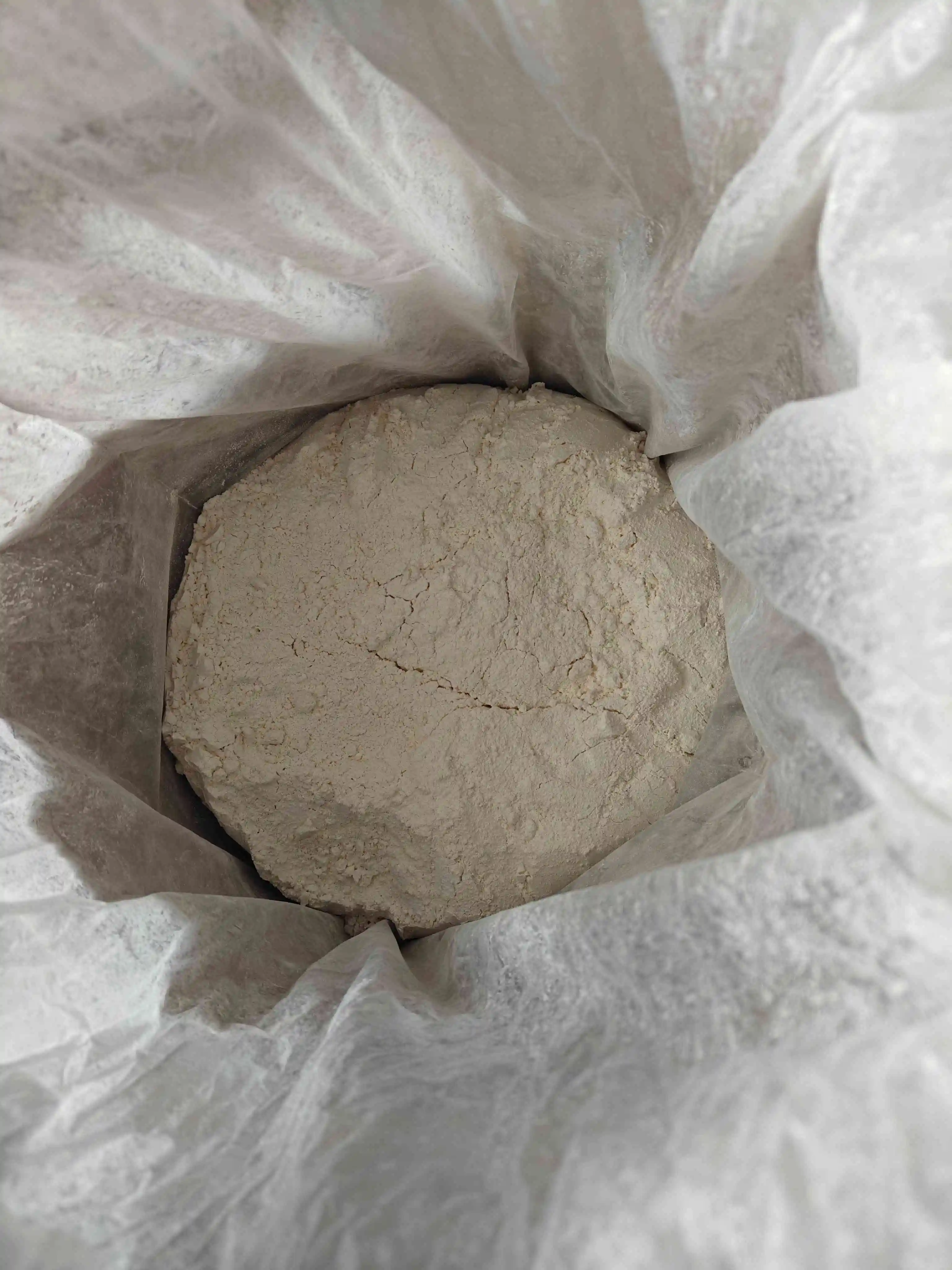
Modern industrial applications demand advanced material solutions that extend far beyond basic chemical reactions. The epoxy resin curing additive plays a multifaceted role in formulation chemistry, delivering performance enhancements that fundamentally transform how composite materials behave under real-world conditions. While many professionals understand epoxy resin curing additive applications in crosslinking networks, the broader functional spectrum remains underutilized in mainstream industrial practice. This gap between basic knowledge and applied understanding creates significant opportunities for manufacturers seeking competitive advantages in performance-critical sectors.
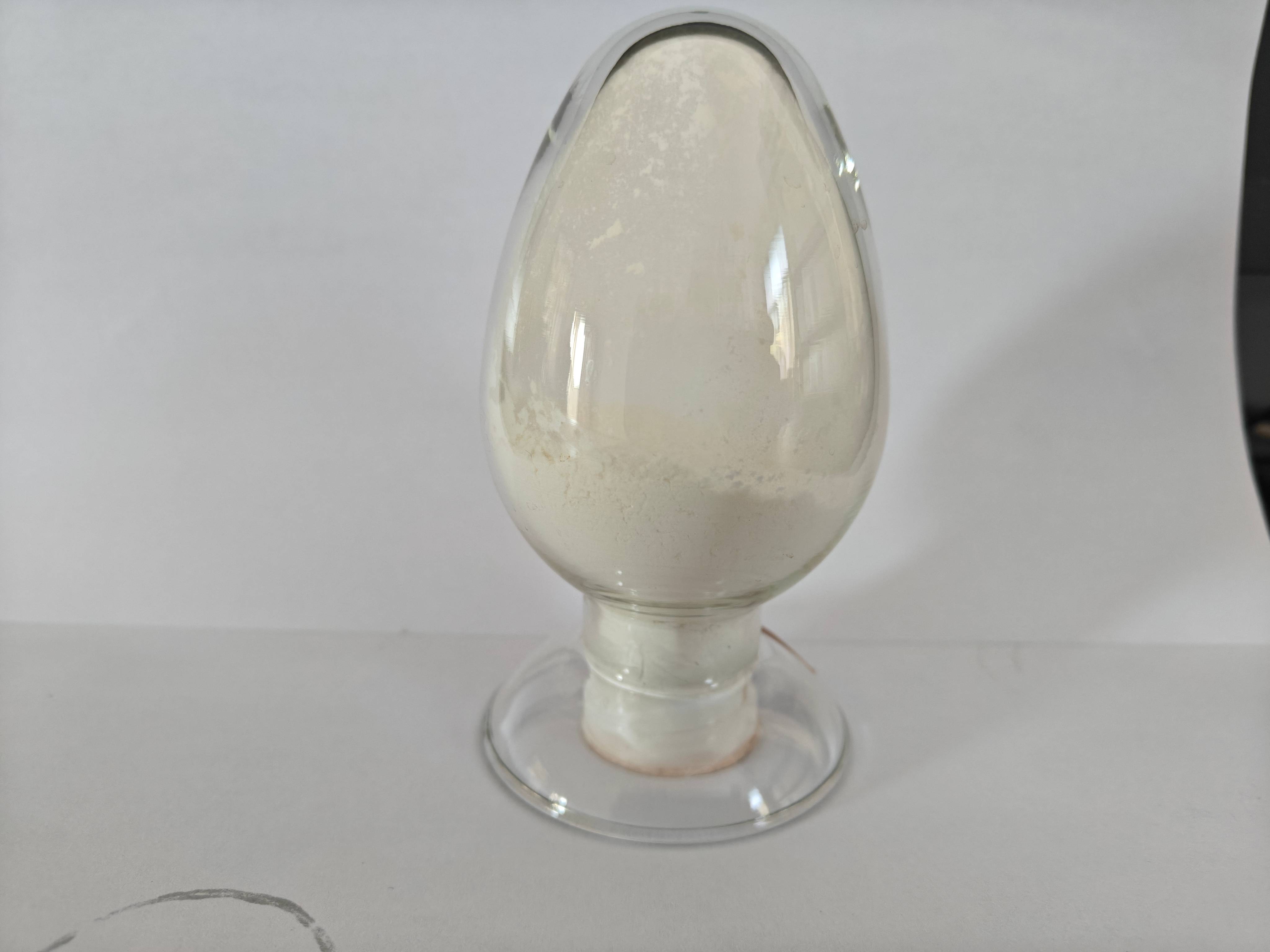
Beyond the fundamental chemical role, the epoxy resin curing additive influences material properties ranging from thermal management and mechanical flexibility to chemical resistance and processing efficiency. Understanding these expanded functions enables chemists, formulators, and materials engineers to optimize their epoxy systems for specialized applications in aerospace, automotive, electrical, and construction industries. The epoxy resin curing additive serves as a critical leverage point for achieving performance targets that single-phase resin systems cannot reach independently.
Thermal Stability and Temperature Performance Enhancement
Heat Resistance and Decomposition Prevention
The epoxy resin curing additive directly influences how composite materials respond to elevated temperatures. Specialized additives generate crosslink networks with enhanced thermal stability, preventing premature degradation in high-temperature service environments. When integrated into epoxy formulations, the epoxy resin curing additive helps maintain mechanical strength across wider temperature ranges, critical for aerospace components and electronic packaging applications. The molecular structure of advanced epoxy resin curing additive chemistries creates thermally stable linkages that resist chain scission and oxidative breakdown.
Glass Transition Temperature Modification
The epoxy resin curing additive influences the glass transition temperature (Tg) of cured resins, a fundamental property determining material performance boundaries. Higher Tg values achieved through precise epoxy resin curing additive selection enable materials to maintain rigidity and structural integrity at elevated temperatures that would soften conventional systems. In aerospace and automotive applications, elevated Tg targets drive specific epoxy resin curing additive selections during formulation design phases. Modern epoxy resin curing additive chemistries can raise Tg values by 20–40°C above baseline resin systems, dramatically expanding application possibilities.
Mechanical Property Optimization and Flexibility Control
Impact Resistance and Toughness Enhancement
Beyond crosslinking density, the epoxy resin curing additive governs how brittle or flexible the final composite becomes. Certain epoxy resin curing additive formulations promote lower crosslink density with controlled flexibility, producing materials that absorb mechanical shock without fracturing. In applications like wind turbine blades, automotive body panels, and structural adhesives, the epoxy resin curing additive selection directly determines whether components meet impact specifications. The epoxy resin curing additive acts as a bridge between strength and ductility, allowing engineers to balance rigidity with resilience based on application demands.
Elongation and Strain Tolerance
The epoxy resin curing additive chemistry controls how much strain composite materials can tolerate before mechanical failure occurs. Some epoxy resin curing additive types generate flexible networks that allow significant elongation, essential for adhesive applications where substrate movement must be accommodated. Others produce highly crosslinked structures with minimal elongation for rigid structural applications. This tunability through epoxy resin curing additive selection enables single-resin platforms to serve diverse end-use scenarios through targeted additive chemistry adjustments.
Chemical Resistance and Environmental Durability
Solvent and Moisture Barrier Properties
The epoxy resin curing additive influences how effectively cured composites resist chemical penetration and moisture absorption. Advanced epoxy resin curing additive chemistries generate denser, more uniform crosslink networks that reduce pathways for solvent diffusion and water ingress. In chemical storage, marine, and underground applications, the epoxy resin curing additive selection determines long-term durability against environmental aggression. Moisture absorption rates can be reduced by 15–35% through strategic epoxy resin curing additive optimization, directly extending service life in humid environments.
Corrosion Protection and Coating Performance
Protective coatings rely heavily on the epoxy resin curing additive to create films that shield substrates from corrosive media. The epoxy resin curing additive influences film formation kinetics, adhesion strength, and barrier effectiveness against aggressive environments. Industrial coatings for pipelines, storage tanks, and reinforced structures specify particular epoxy resin curing additive types to achieve certifications for seawater immersion, salt spray resistance, and chemical compatibility. The epoxy resin curing additive transforms basic epoxy systems into multi-functional protective platforms.
Chemical Reactivity and Compatibility Management
The epoxy resin curing additive modulates how the resin system interacts with fillers, pigments, and other formulation components. Some epoxy resin curing additive chemistries promote excellent wetting of mineral fillers, while others provide superior compatibility with specialty additives and reinforcement fibers. This compatibility function of the epoxy resin curing additive prevents phase separation, reduces viscosity fluctuations, and improves overall formulation stability. Without proper epoxy resin curing additive selection, incompatibilities can compromise processing efficiency and final material properties.
Processing Efficiency and Application Performance
Pot Life and Work Window Control
The epoxy resin curing additive governs curing reaction kinetics, directly controlling how long formulators have to apply and shape materials before hardening occurs. Extended pot life allows larger components to be processed without premature gelation, while rapid-cure epoxy resin curing additive selections enable quick production cycles. Industrial manufacturing environments demand precise pot life windows matched to application equipment and process flows. The epoxy resin curing additive acts as the timing control mechanism, enabling operational flexibility or rapid throughput depending on production requirements.
Exotherm Management and Temperature Control
Large composite parts generate significant heat during the epoxy resin curing additive reaction phase, potentially causing thermal runaway and material degradation. Strategic epoxy resin curing additive selection helps distribute the exothermic reaction over extended timeframes, preventing dangerous temperature spikes. This thermal management function of the epoxy resin curing additive is particularly critical in thick laminates, large structural components, and automated manufacturing environments where heat dissipation is limited. Temperature profiles can be modulated by 50–100°C through epoxy resin curing additive chemistry adjustments.
Viscosity Characteristics and Flow Properties
The epoxy resin curing additive influences resin viscosity throughout the cure cycle, affecting ability to wet reinforcements, fill gaps, and eliminate air voids. Some epoxy resin curing additive types maintain lower viscosity longer, facilitating excellent fiber penetration in composite manufacturing. Others accelerate viscosity buildup to prevent slumping in vertical applications. This rheological control through epoxy resin curing additive chemistry is fundamental to ensuring quality in fiber-reinforced and filled composite systems.
FAQ
How does the epoxy resin curing additive affect glass transition temperature?
The epoxy resin curing additive influences network crosslink density and molecular structure, which directly determine the temperature at which resins transition from rigid to soft behavior. Different epoxy resin curing additive chemistries create varying degrees of intermolecular bonding, allowing formulators to target specific Tg values required for their applications. Imidazole-based epoxy resin curing additive options typically raise Tg by 20–40°C compared to standard aliphatic amine systems, providing superior thermal performance in demanding applications.
Can the epoxy resin curing additive improve moisture resistance?
Yes, the epoxy resin curing additive significantly impacts how readily cured composites absorb water and humid environmental exposure. Aromatic and cycloaliphatic epoxy resin curing additive chemistries generally produce tighter crosslink networks with reduced void space, lowering moisture absorption rates. Through careful epoxy resin curing additive selection, manufacturers can reduce water uptake by 15–35%, extending service life in marine, underground, and high-humidity industrial applications where moisture-driven degradation is a primary failure mechanism.
What role does the epoxy resin curing additive play in processing efficiency?
The epoxy resin curing additive controls reaction kinetics, pot life, exotherm generation, and viscosity development—all critical to manufacturing efficiency. By selecting appropriate epoxy resin curing additive types, manufacturers can match cure profiles to production timelines, equipment capabilities, and component geometries. Rapid-cure epoxy resin curing additive options enable high-throughput manufacturing, while extended-pot-life formulations accommodate large, complex parts requiring extended working time before hardening occurs.