
 EN
EN
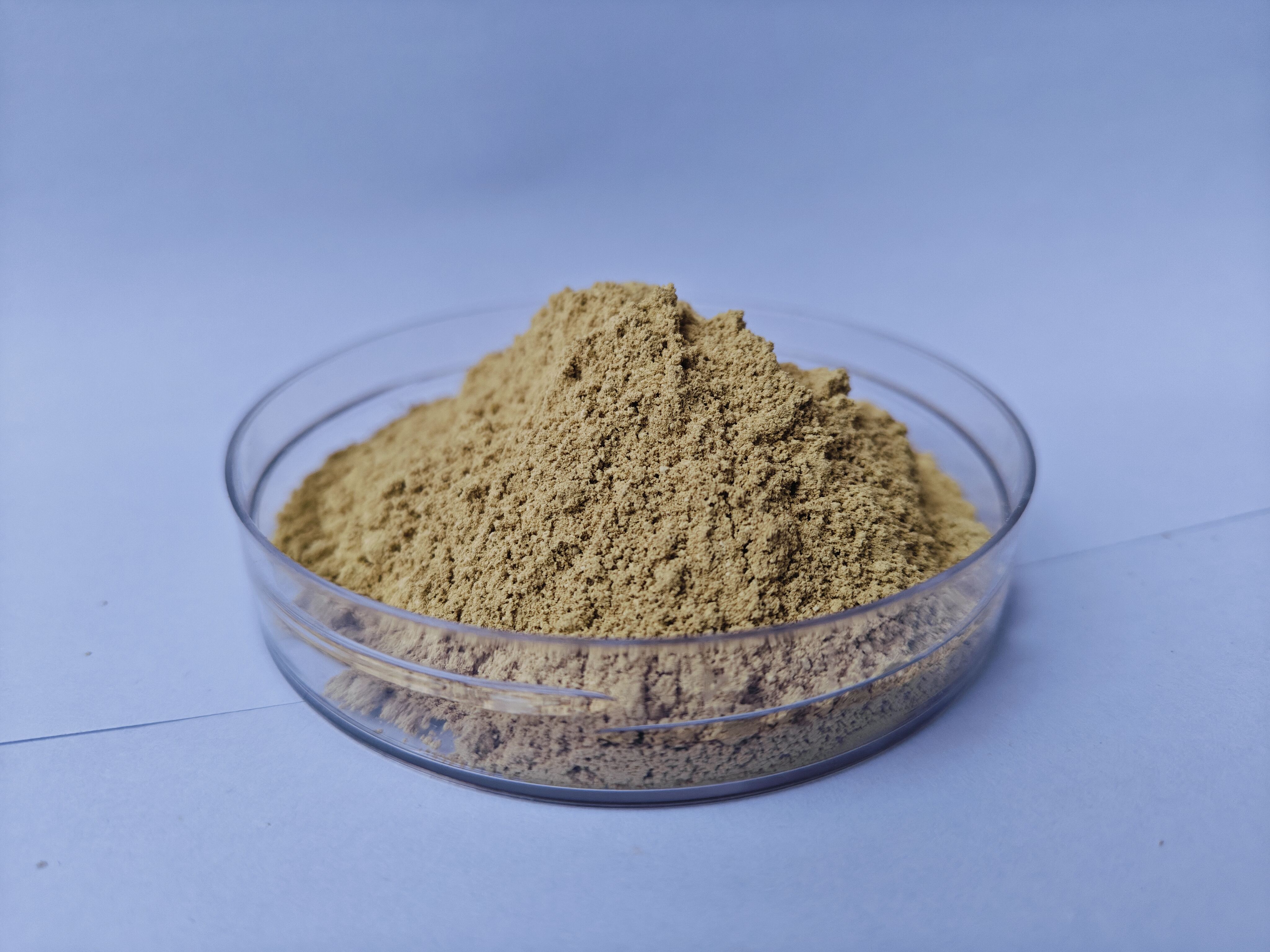
Industria fabricanda electronica mirabiliter progressa est in materialibus includendi, praesertim in campo compositis epoxidiis (EMC). Quamquam dispositiva semiconductoria crebrescunt sophistica et minui, intensa fit postulatio systematum curationis alti rendimenti. Organophosphina catalyzatores organici emerserunt ut additamenta quae mutationem induant, quae performance indurandi EMC magnopere meliorent, praebentes excellentem reactionum kineticarum et finalium materialium proprietatum dominationem. Hi catalyzatores speciales manufactoribus praebent praecisionem ad optima indurandi schemata consequenda, interea processibilitatem et producti finiti fidem bene servantes.
Cognitio Chemiae Catalyticorum Organophosphinorum in Applicationibus EMC
Structura Molecularis et Mechanismus Catalyticus
Effectus catalytorum organophosphinorum ex eorum unica architectura moleculari pendet, quae atomos phosphori ad substituentes organicos coniunctos continet. Haec configuratio centra nucleophilica creat quae facile cum gruppis epoxidicis interagunt, reactiones apertionis anuli ad temperaturas regulatas initiando. Densitas electronica atomi phosphori et ambitus sterici per diligens selectionem ligandorum organicorum exacte modulatur, ita ut compositores activitatem catalyticam ad specificas EMC compositiones aptare possint.
In processo curing, hi catalysatores per mechanismum coordinationis operantur, ubi par phosphori coordinatur cum anillo epoxidi, legamina carbonis-oxydi debilitando et impetum nucleophilicum faciliorem efficiendo. Hic mechanismus excellentem selectivitatem praebet et gelationem praematuram prohibet, quod ad vitam vasorum idoneam in operationibus fabricandis retinendam necessarium est. Rete polimericum resultans proprietates mechanicas meliores et stabilitatem thermalem emendatam exhibet comparatum cum systematibus per catalysatores conventionales curatis.
Emolumenta Systematibus Curationis Traditionalibus
Systemata EMC tradititionalia saepe immidazolis derivativa vel aminas tertias utuntur, quae difficultates in stabilitate servandi et in curendi profili offerre possunt. Catalysatores organophosphinae meliorem latentiam praebent, ad temperaturas ambientes inactivi manentes, dum celerem activationem praebent ubi temperaturae tractationis attinguntur. Haec qualitas necessitatem frigori conservandi tollit et vitam operativam compositorum praemixtorum extendit.
Selectivitas catalysatorum organophosphinae etiam densitati reticulationis uniformiori per totam matricem curatam contribuit. Contra systemata quaedam conventionalia quae locis calidis localibus creandis possunt vel curentia gradientibus inaequalibus patent, hii catalysatores progressi reactionem homogeneam promovet. Haec uniformitas directe in meliorem operationem mechanicam, minorem tensionem internam et fiduciam augendam in ultimis componentibus inclusis convertitur.
Processus Optimizatio Per Catalysin Progressam
Temperaturae Profilis Gubernatio
Effectiva tractatio EMC requirit praecisum temperaturarum confectionis et celeritatum calefaciendi rationem ut defectus vitentur, simul complete coniunctionem garantur. Catalysatores organophosphinae in hoc maxime valent, quia praedictabilem activationis rationem praebent quae ad specifica thermica schemata aptari potest. Fabricatores suos conformationis ciclos optimizare possunt, systemata catalysatoris eligendo quae facultatibus instrumentorum et productionis necessitatibus respondent.
Sensibilitas ad temperaturam horum catalysatorum per rationem molecularem effingi potest, ita ut compositoribus systemata creent cum strictis activationis schematibus vel gradatim incipientibus. Systemata strictae activationis ad operationes celeris conformationis optima sunt, ubi celeris coctio necessaria est, dum formulata gradatim incipientia tempora fluxus producta praebent ad figuras complexas vel sectiones crassas quae longiores repletionis tempora requirunt.
Fluxus et Viscositatis Ratio
Optima fluxus characteristicas durante EMC tractatione servare est critica ad integrum formae implendum et absque vacuis capsubulationem. Activatio regulata organophosphinae basis catalytorum confectoribus permittit, ut viscositatem infimam in iniectionis phase servent, dum rapidam gelationem, ubi temperatura desiderata attigitur, firmant. Haec aequilibratio inter fluxus tempus et curationis celeritatem essentialis est ad fabricandas operationes alti cursus.
Praestantiae rheologicae ultra simplicem viscositatis regulationem patescunt, quia hi catalyzatores etiam in effectum thixotropicum EMC compositionum influunt. Recte catalysatae systemata in iniectione comportamentum scindendi tensionis ostendunt, dum in curationis phase firmitatem structuralem servant. Haec rheologica optimizatio pressiones iniectionis minuit, motum fili diminuit, et generalem formandi qualitatem meliorat.
Potentia ad Meliorem Statum in Finale Producta
Meliorationes Proprietatum Mechanicarum
Superior efficiens reticulandi per organophosphinae basis catalescentes consequitur directe in meliores proprietates mechanicas in materialibus EMC curatis. Hi catalysatores promovent conversionem epoxidii gruppum completiorem, resultantes in altioribus densitatibus reticulandi et meliori nexu retis. Structura polimerica meliorata praebet vim tensionalem superiorem, modulum flexuralem, et resistentiam ad ictum respectu systematum conventionaliter curatorum.
Tenacitas fracturae alter parametrum criticae praestantiae repraesentat quod ex catalysi optima proficit. Reticulatio uniformis per catalysin organophosphini consequuta distributionem stressis homogeneam sub onere creat, probabilitatem initiationis et propagationis rimarum minuens. Haec perfectio speciatim utilis est in applicationibus ubi cycli thermici vel stressis mechanici integritatem pacheti tempore compromittere possint.
Praestantia Thermica et Electrica
Capacitates gestionis thermalis sunt praecipuae in modernis applicationibus impaquetandi electronicis, ubi densitates potestatis elevatae onera calorifica significativa generant. Systemata EMC cum catalysatoribus organophosphinis curata typice conductibilitatem thermalem meliorem exhibent propter meliorem matrix organisationem et contentum vacui minorem. Melissa functio thermalis ad dissipatio caloris efficaciorem et fiduciam componentium meliorem in conditionibus operationis contribuit.
Proprietates electricae etiam ex emendatis characteristicis curing proficiunt quae a his catalysatoribus provectis praebentur. Reductio in impuritatibus ionticis et uniformitas cruciata melior resultata sunt in robore dielectrico maiore et absorptione humorem minore. Haec emendationes electricae necessariae sunt ad integritatem signalli retinendam et defectus electricos in applicationibus altorum frequentiarum vel conditionibus asperis environmentalibus vitandos.
Applicata Industriale et Studia Casuum
Solutiones Impaquetandi Semiconductor
Fabricatores praecipui semiconductorum cum successu adhibuerunt organophosphina-utentes catalysatores in variis applicationibus impaquetandi, a tradicionalibus quadratis planis impaquetamentis usque ad progressas configurationes systematis-in-paquetis. Haec adhibita significantes emendationes in reditibus productionis et fide longaevi demonstraverunt. Meliorata fluxus characteristica permittunt succedentem obvolutum praecurrentium geometriarum formarum plagae, interea protectionem excellentem fili conexa servantes.
Paquetamenta retis globulorum aliam applicationum regionem repraesentant ubi hi catalysatores speciatim utiles esse probati sunt. Coniunctio moderatarum fluxus proprietatum et rapidarum curationis kineticorum succedentia subimplendi applicationes permissura est, interea cavitationem circum globulos stanni vitantes. Haec facultas perfacilis facta est dum dimensiones passuum decrescunt et complexitas paqueti augetur.
Integratio Electronica Automobilis
Sectio electronica automobilis organophosphinae-based catalysatores adhibuit ad applicationes quae exceptionalem thermalem cyclum et resistentiam ambientalem requirunt. Modulea de controllo motus, electronica de potentia, et pacheta sensorum proficiunt ex superioribus proprietatibus mechanicis et meliorata adhaesione quae a his systematibus curandi provectis praebentur. Melior stabilitas thermica praesertim utilis est in applicationibus sub-capotis ubi extremorum temperaturarum varietas communis est.
Experimenta firmitatis constanter demonstraverunt formulamina EMC quae utuntur catalysatoribus organophosphinis praevalere systematibus conventionalibus in protocolis senescendi acceleratis. Experimenta de cyclis thermalibus, ictibus calorificis, et expositione humidi demonstrant durabilitatem superiorem horum materialium, quod directe convertitur in minores expensas fideiussoriae et meliorem satisfactionem clientium in applicationibus automotive.
Considerationes Formulandi et Praxis Optima
Criterium Selectionis Catalysatoris
Selectio catalytoris organophosphini idonei requirit diligens considerationem multorum factorum, inter quae velocitas curandi desiderata, range temperatura operandi, et compatibilitas cum aliis formulationis componentibus. Proprietates electronicae et stericae substituentium phosphori valde influunt in activitatem et selectivitatem catalyticam. Groupes donantes electronia saepe augent nucleophilicitatem et velocitates reactionis, dum substituents magni impediunt sterice, quod afficit selectivitatem reactionis.
Proprietates solubilitatis etiam praecipue funtionantur in actu catalytico, quoniam distributio homogenea per matricem EMC essentialis est ad comportamentum coniunctivum constans. Catalyzatores cum parametris solubilitatis ad systema resinis idoneis uniformem activationem firmant et effectus concentrationis localem vitant, qui difficultates tractandi vel variationes proprietatum in producto ultimo inducere possent.
Strategiae Optimisationis Concentrationis
Catalystis concentrationem optimam determinare requirit curae velocitatem contrahere contra ustuli vitae tempus et finales materiae proprietates. Concentrationes altiores velocius coagulant sed stabilitatem in conservando minuere possunt vel gelationem nimis rapidam in tractatione creare. Studia systematica plerumque angusta intervalla concentrationis detegunt quae desideratum aequilibrium inter tractandi characteristicas et usum finale praebent.
Interactio quoque inter catalystis concentrationem et plenum onus diligenter attendenda est, quia nivea alta impletiva caloris transferentiam et reactionis kineticen afficere possunt. Catalyza organophosphinae saepe meliorem retentionem functionum ad onera impletionis alta demonstrant comparata systematibus conventionalibus, eosque praecipue idoneos reddunt ad EMC formulas conductivitates thermicas in applicationibus altioris potentiae utendas.
FAQ
Quid facit catalystes organophosphinas superiores esse tradicionalibus EMC systematis indurandis?
Catalysores organophosphinae meliorem tarditatem et stabilitatem servandi praebent comparata systemata tradita velut imidazolis aut aminis tertiariis. Hi inactive manent ad temperaturam ambientis sed activationem rapidam et moderatam praebent ad temperaturas tractationis. Hoc resultatum in vita miscendi longiore, praedictabilioribus curandis profilibus, et melioribus finalibus materiae proprietatibus, inclusa augmentata robore mechanica et functione thermica.
Quomodo hi catalysores parametra tractationis EMC afficiunt?
Hi catalysores meliorem moderationem super fluxus characteristics et curandis cineticis durante tractatione EMC permittunt. Viscositatem bassam in phasis injectionis servant dum rapidam gelationem ad temperaturas destinatas firmant. Haec moderatio pressiones injectionis minuit, sweep fili minimizat, et implendum formae in geometriis complexis meliorat. Praedictabilis activatio etiam cyclis formandis optimizatis et efficientia productionis meliorata permittit.
Possuntne catalysores organophosphina in applicationibus automotive ad altas temperaturas uti?
Ita, organophosphinae based catalysatores praesertim bene aptantur ad applicationes electronicae automobilis quae exceptionalem thermalem cyclum requirunt. EMC compositiones cum his catalysatoribus demonstrant superiorem thermalem stabilitatem, meliores proprietates mechanicas ad altiores temperaturas, et excellentem resistentiam ad stressus ambientales. Probata sunt in modulis regulandi motorem et applicationibus sensorum sub-capot ubi extremi sunt frequentes.
Quae consideranda sunt importuna cum componitur cum catalysatoribus organophosphinis?
Inter considerationes principales compositionis includuntur selectio structurae catalysatoris secundum desideratam celeritatem et temperiei curae, solubilitas et distributio recta per matricem EMC conservanda, et concentratio ad aequilibrium inter durabilitatem et curam optimizanda. Interactio cum impletivis et aliis additivis etiam perpendenda est, praesertim in compositionibus thermice conductivis ubi impletivorum magnitudo reactionis cineticam et caloris transferendi proprietates afficere possit.
Index Rerum
- Cognitio Chemiae Catalyticorum Organophosphinorum in Applicationibus EMC
- Processus Optimizatio Per Catalysin Progressam
- Potentia ad Meliorem Statum in Finale Producta
- Applicata Industriale et Studia Casuum
- Considerationes Formulandi et Praxis Optima
-
FAQ
- Quid facit catalystes organophosphinas superiores esse tradicionalibus EMC systematis indurandis?
- Quomodo hi catalysores parametra tractationis EMC afficiunt?
- Possuntne catalysores organophosphina in applicationibus automotive ad altas temperaturas uti?
- Quae consideranda sunt importuna cum componitur cum catalysatoribus organophosphinis?