
 EN
EN
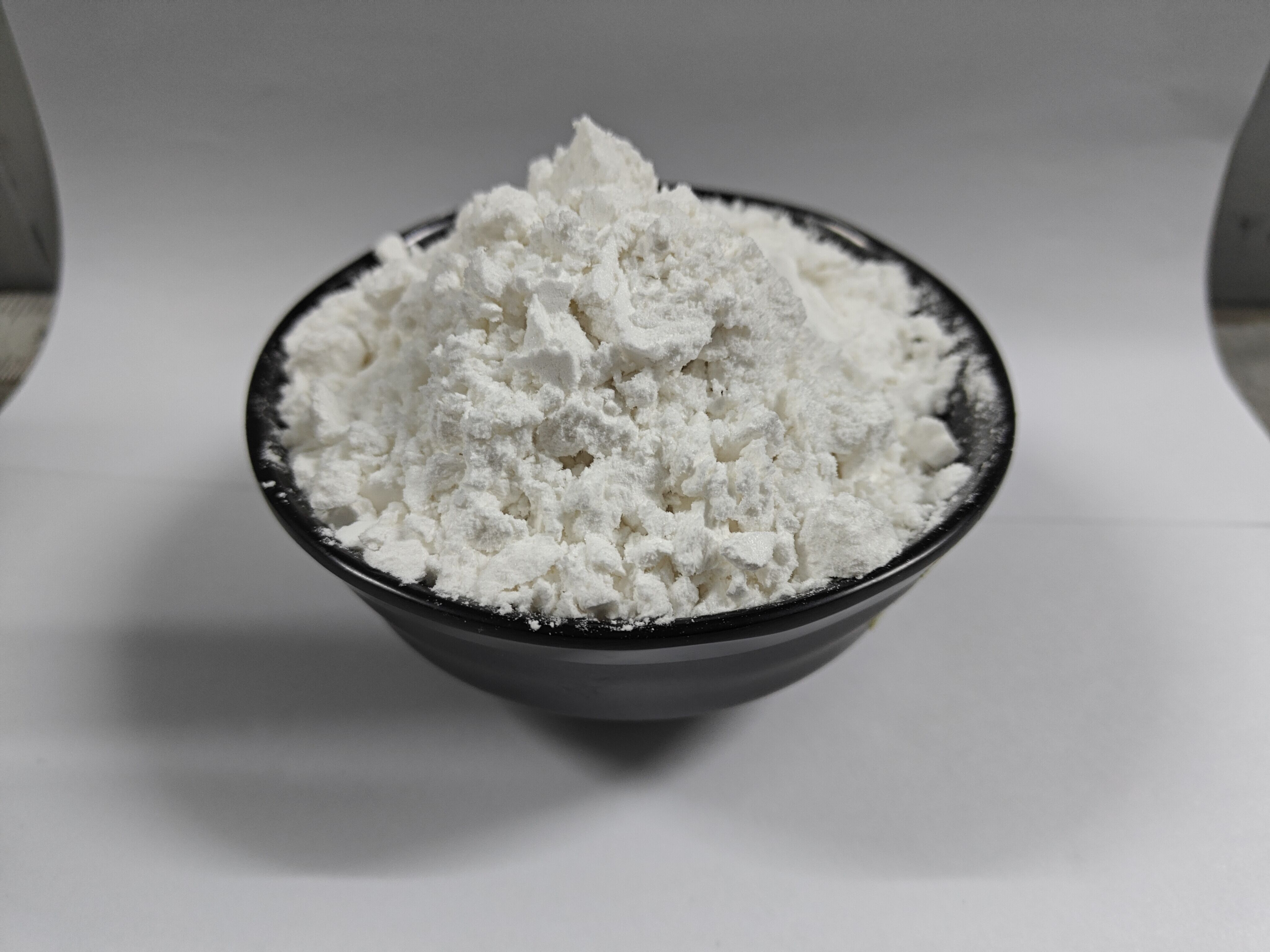
תהליכי ייצור כימיים תלויים במידה רבה בטכניקות יעילות ליצירת קשרים כדי ליצור מבנים מולקולריים יציבים ליישומים תעשייתיים שונים. מבין ההתקדמויות המשמעותיות ביותר בסינתזה אורגנית, קשרי אמיד CDI מייצגים התקדמות חיונית בייצור תרופות וכימיקלים עדינים. הקשרים הללו מספקים ליצרנים יציבות משופרת, שיעורי תשואה גבוהים יותר וזמנים קצרים יותר של תגובות בהשוואה לשיטות מסורתיות ליצירת קשרי אמיד. המיטבה של קשרי אמיד CDI הפכה לנחוצה לחברות הרוצות לשמור על יתרון תחרותי בשוק הכימי הדemandי של ימינו.
הבנת מנגנוני היווצרות קשרי אמיד CDI
מבנה כימי ועקרונות ריאקטיביות
היווצרות קשרי אמיד CDI כוללת N,N '-קרבונילדיימידאזול כעומס שמאפשר צימוד יעיל בין חומצות קרבוקסיליות לאמינים. סוכן הצימוד הזה יוצר אינטראמדיאטים מאוד פעילים שמגבירים את היווצרות הקשרים בתנאי תגובה מתונים. מתקני ייצור נהנים ממסלולי תגובה צפויים שקשרי האמיד של CDI מספקים, מה שמאפשר שליטה טובה יותר בתהליך וצמצום יצור פסולת. ההבנה המכניסטית של התגובות האלה מאפשרת לצוותי ייצור לכוונן באופן מדויק פרמטרים לביצוע אופטימלי לאורך טיפוסים שונים של חומרים.
היישומים התעשייתיים של קשרי אמיד CDI מתרחבים מעבר לתגובות צימוד פשוטות לכלל תהליכים מורכבים של סינתזה רב-שלבית, בהם יציבות הקשר הופכת לפרמטר חשוב. התכונות האלקטרוניות הייחודיות של ביניינים שהופעלו על ידי CDI תורמות לשיעורי המרה גבוהים יותר ולשיפור בתפוקת הנבחרנות. מהנדסי תהליכים תיעדו שיפורים משמעותיים ביעילות הייצור הכוללת בעת יישום קשרי אמיד CDI בהשוואה לאסטרטגיות צימוד חלופיות. היתרונות האלה מתורגמים ישירות לחיסכון בעלויות ולשיפור באיכות המוצר של ביניינים פרמצבטיים וכימיקלים מיוחדים.
אנרגיית активציה וקינטיקת תגובה
בקרת טמפרטורה תפקידה חשוב באופטימיזציה של קצבות היווצרות הקשרים האמיד של CDI, תוך שמירה על שלמות המוצר לאורך כל תהליך הייצור. מחקר מראה שתחום טמפרטורות חימום מתון בין 60-80°C מספק איזון אופטימלי בין מהירות התגובה ליצירת תוצרים צדדיים. פרוטוקולי ייצור כוללים בדרך כלל פרופילי טמפרטורה בדרגות כדי למקסם את היעילות של הקשרים האמיד של CDI תוך מינימיזציה של צריכה אנרגטית. תנאים מבוקרים אלו מבטיחים איכות מוצר עקבית בין גידולים גדולים של ייצור.
מחקרים של קינטיקת תגובה מגלים כי קשרי אמיד cdi נוצרים דרך מצבי מעבר מוגדרים היטב שניתן לעקוב אחריהם באמצעות טכניקות אנליטיות סטנדרטיות. מתקני ייצור משתמשים במערכות ניטור בזמן אמת כדי לעקוב אחר שיעורי המרה ולשנות בהתאם פרמטרי תהליך. ההתנהגות הקינטית הניתנת לחיזוי של קשרי אמיד cdi מאפשרת לייצרנים ליישם מערכות בקרה אוטומטיות שמונעות על תנאי תגובה אופטימליים לאורך ריצות ייצור ממושכות. רמת הבקרה הזו על התהליך מפחיתה משמעותית את השונות בין גלישה לגלישה ומשפרת את האמינות הכוללת של הייצור.
אסטרטגיות אופטימיזציה של תהליכים ליישומים תעשייתיים
בחירת ממס וסביבה כימית
בחירת הממס משפיעה באופן משמעותי על יעילות היווצרות של קשרי אמיד CDI, כאשר ממסים קוטביים לא פרוטוניים מספקים בדרך כלל תוצאות טובים יותר בסביבות תעשייתיות. דימתילפורממיד, טטרההידרופירן ואצטוניטריל התגלו כממסים מועדפים ליצירת קשרי אמיד CDI בקנה מידה גדול, בזכות התאימות שלהם לציוד תהליכי הייצור ולדרישות בטיחות העובדים. מתקני ייצור חייבים לאזן בין ביצועי הממס והיבטים סביבתיים, יכולות מחזור וציות נהלים בעת בחירת ממס תגובה אופטימלי. מערכות מתקדמות לשיקום ממסים מאפשרות לחברות למזער פסולת תוך שמירה על תקני איכות גבוהים הנדרשים לייצור קשרי אמיד CDI.
בקרת רטיבות מייצגת גורם קריטי נוסף באופטימיזציה של יצירת קשרי צ'Dי איימיד, כיוון שמים יכולים להתחרות עם נוקלאופילים אמינים ולצמצם את היעילות הכוללת של התגובה. מתקני תעשייה יישמו אסטרטגיות מקיפות לניהול רטיבות, כולל טיפול באטמוספירה חסרת פעילות, מערכות מחזורי רטיבות ואילוצי אחסון מיוחדים לחומרי הצ'די-איי. הרגישות של תהליך יצירת קשרי צ׳די איימיד לתוכן המים מחייבת תשומת לב זהירה לעיצוב הציוד וاجراءי התחזוקה. צוותי ייצור משתמשים במנתחי רטיבות ובמערכות ניטור סביבתיות כדי להבטיח תנאים מיטביים לאורך כל תהליך הייצור. 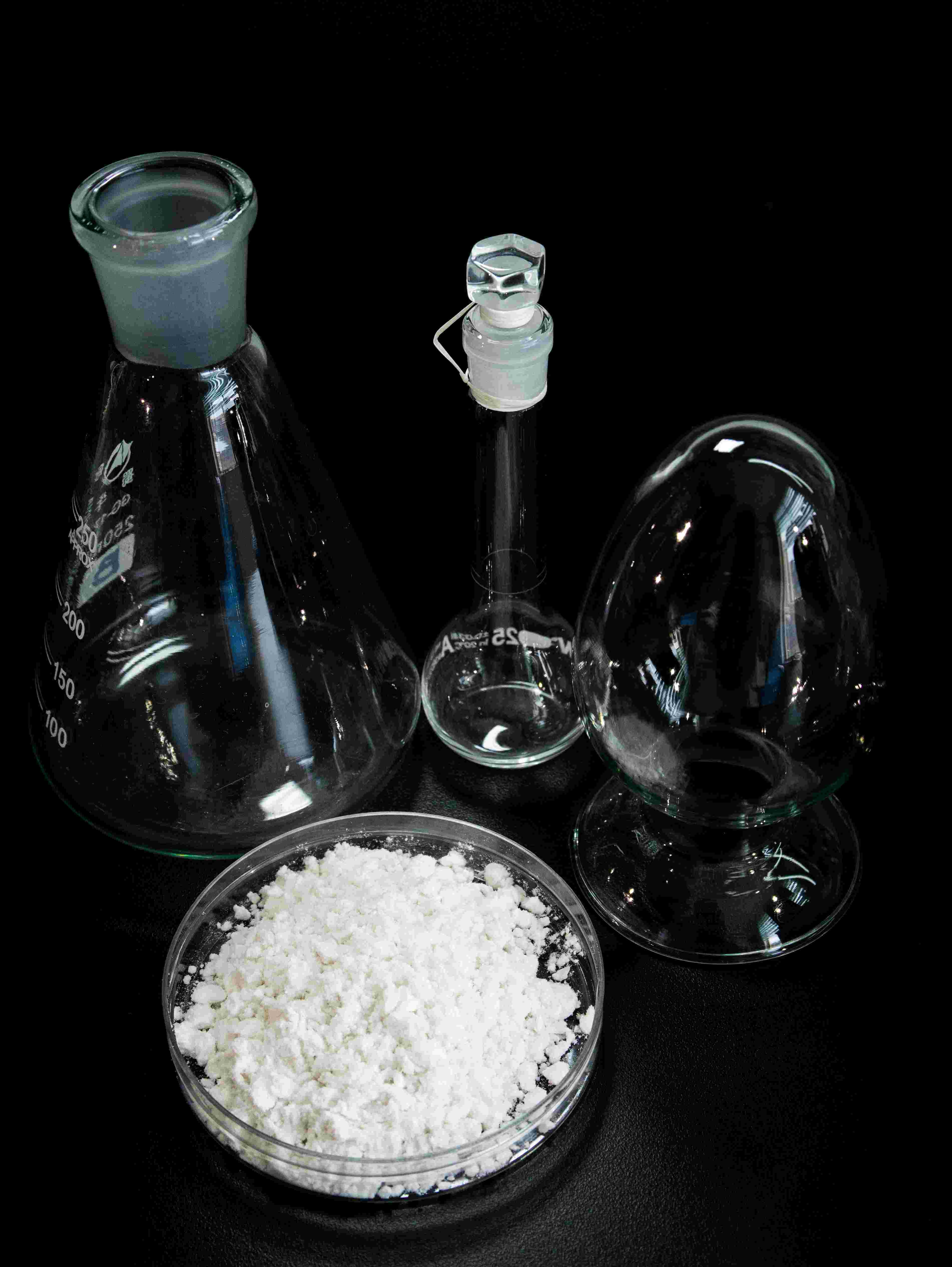
שקולים להגדלת 용 קנה מידה ועיצוב ציוד
הגדלת ייצור של צורכי קשר אמיד באמצעות CDI מהרמה הלימודית לרמה התעשייתית מחייבת שמירה על שיקולים מדויקים של העברת חום, יעילות ערבוב וחלוקת זמני שהייה. כורות בקנה מידה גדול חייבים לספק בקרת טמפרטורה אחידה וערבוב מספק כדי להבטיח יציבות בתהליכי היווצרות הקשרים לאורך כל נפח התגובה. דרישות עיצוב הציוד כוללות לרוב כלי תגובה עם מעילי קירור/חימום ובקרת טמפרטורה מדויקת, וכן תרבלים בעלי יעילות ערבוב גבוהה, המותאמים באופן אופטימלי לפרופילי הצמיגות הספציפיים הנוצרים במהלך היווצרות הקשרים. שיקולי העיצוב האלה משפיעים ישירות על איכות המוצר ועל תפוקת הייצור.
מגבלות העברת המסה יכולות להשפיע באופן משמעותי על קצב היווצרות קשרי האמיד ה-CDI במרחבים גדולים, ודורשות אסטרטגיות ערבוב מיוחדות והנדסת גאומטריה של המיכלים. מודלים של דינמיקת נוזלים חישובית עוזרים למפתחים לאופטימיזציה של עיצוב המיכל ופרמטרי הפעלה כדי למזער את הגרדיאנטים בריכוז ולשפר את תנאי התגובה באחדות. מערכות ערבוב מתקדמות, כולל ערבוב סטטי וערבוב רב־שלבי, הוכחו כיעילות בהבטחת תהליך אחיד של היווצרות קשרי האמיד ה-CDI בסקאלות ייצור שונות. שיפורים טכנולוגיים אלו מאפשרים לייצרנים להשיג ברמה מלאה את הבחירה והתשואות שהושגו בשלב המעבדה.
בקרת איכות ושיטות אנליטיות
שיטות שיקור בתהליך
ניטור בזמן אמת של היווצרות קשרי אמיד CDI מצריך טכניקות אנליטיות מתקדמות המסוגלות לעקוב אחר התקדמות התגובה מבלי להפריע לתהליך הייצור. כרומטוגרפיה נוזלית ביצועים גבוהים מספקת ניתוח מפורט של הרכב עבור צמי הבטחת איכות הניטורם ייצור של קשרי אמיד CDI. ספקטרוסקופיית תת-אדום מספקת ניתוח מהיר ולא מזיק של התקדמות היווצרות הקשר, ומאפשרת התאמות בתהליך לפני עליית בעיות איכות. שיטות אנליטיות אלו מבטיחות مواصفות מוצר עקביות תוך מינימיזציה של עיכובים בייצור ושפיכות.
ספקטרוסקופיית רזוננס מגנטי גרעיני משמשת כלכידה אנליטית מכרעת לאישור שלמות המבנה של קשרי אמיד CDI במוצרים סופיים ובתרכובות ביניים. מתקני ייצור משתמשים במערכות דגימה אוטומטיות ואלגוריתמי אנליזה מהירים כדי לשמור על לוחות זמנים של ייצור תוך וודאות באיכות מקיפה. שיטות כימיוונטריות מתקדמות מאפשרות להנדסאי תהליכים לקשר בין נתונים ספקטרוסקופיים לתנאי תגובה, ומאפשרות אסטרטגיות של בקרת איכות חיזויית. גישות אנליטיות משולבות אלו מספקות לייצרנים את הביטחון הנדרש לצורך שמירה על תקנים מחמירים של איכות לאורך פורטפוליו מגוון של מוצרים.
הערכת טיהור וניתוח פרופיל שאריות
אפיון מקיף של זיהומים בקשרי סיאנואט-דיימיד (CDI) דורש ניתוח שיטתי של תוצרים צדדיים פוטנציאליים ודרכי דגרדציה העלולות להתרחש במהלך ייצור תעשייתי. ספקטרומטריית מסות מספקת יכולות זיהוי מולקולרי מפורטות, החיוניות להבנת מנגנוני היווצרות הזיהומים ופיתוח אסטרטגיות הפחתה יעילות. מעבדות בקרת איכות חייבות לablish שיטות אנליטיות עמידות המסוגלות לגילוי זיהומים ברמות זעירות שעלולים להשפיע על יישומים נספגים או על התאמה דרישה. יכולות אנליטיות אלו מבטיחות כי קשרי CDIamide יתאימו לדרישות ניקיון מחמירות לשימושים פרמצבטיים ולכימיקלים מיוחדים.
פרוטוקולי בדיקת יציבות למוצרים שמכילים קשרי צ'די איימיד חייבים לקחת בחשבון את תהליכי ההידרוליזה, חמצון ופירוק תרמי פוטנציאליים תחת תנאי אחסון שונים. מחקרי הזדקנות מאיצים מספקים לייצרנים נתונים ניבויים בנוגע לתקופת חיי המדף של המוצר ולדרישות האחסון. בדיקות לחץ סביבתי עוזרות לזהות את אריזה ואת תנאי האחסון האופטימליים המשמרים את שלמות קשרי הצ'די איימיד לאורך מחזור החיים של המוצר. תוכניות הערכת היציבות הכוללות האלה מאפשרות לחברות לספק ללקוחות מידע מדויק על مواصفות המוצר והמלצות אחסון.
שיקולים כלכליים וסביבתיים
ניתוח עלות-תועלת ליישום CDI
הערכה כלכלית של יישום קשרי אמיד CDI חייבת לקחת בחשבון את עלות המחמצים, שיפור ביעילות התהליך והטבות של הפחתת פסולת בהשוואה לשיטות צימוד חלופיות. אם כי מחמצים של CDI עלולים להיחשב יקרים יותר ליחידה מאשר סוכני צימוד מסורתיים, התפוקות המשופרות וצורך נמוך יותר בתהליכי טיהור מובילים לעיתים קרובות לכלכלה כוללת טובה יותר. מתקני ייצור דיווחו על חיסכון משמעותי בעלויות עקב הפחתת צריכה בסולבנטים, זמני תגובה קצרים יותר ושיעורי החזרה משופרים של המוצר כאשר נעשה שימוש באסטרטגיות היווצרות קשרי אמיד CDI. היתרונות הכלכליים האלה הופכים להיות בולטים יותר בקנה מידה גדול יותר של ייצור, שם שיפורים ביעילות תורמים לצמצום עלויות משמעותי.
השקעה בציוד מיוחד וביכולות אנליטיות לייצור קשרי אמיד CDI מחייבת תכנון פיננסי זהיר וניתוח של תשואת ההשקעה. חברות חייבות להעריך את היתרונות לטווח הארוך של שיפור איכות המוצר, הפחתת ייצור פסולת ושיפור גמישות הייצור לעומת הוצאות ההון הראשוניות. הגיוון בניסוח קשרי אמיד CDI לאורך קווי מוצרים מרובים מצדיק לעתים קרובות השקעות בציוד באמצעות שיפור ניצול הנכסים וצמצום זמני המעבר. יישום אסטרטגי של טכנולוגיית קשרי אמיד CDI יכול לספק לייצרנים יתרונות תחרותיים גם מבחינת מבנה עלות וגם מבחינת איכות המוצר.
תקינות ותפוקה סביבתית
הערכת ההשפעה הסביבתית של ייצור קשרי אמיד CDI מתמקדת בזיהוי אפשרויות לצמצום פסולת, יעילות אנרגטית ושיקום מסיסים באמצעות עיצוב תהליך מואפק. התנאים המתונים הנדרשים ליצירת קשרי אמיד CDI תורמים לצמצום צריכה של אנרגיה בהשוואה לשיטות צימוד בטמפרטורות גבוהות. אסטרטגיות מתקדמות של אינטגרציה של תהליכים מאפשרות לייצרנים לצמצם את ייצור הפסולת ולמקסם את כלכלת האטומים לאורך כל שרשרת הייצור. שיפורים אלו בתחום הקיימות עונים על יעדי סביבה של חברות ומספקים לעיתים קרובות יתרונות נוספים בחיסכון בעלויות, בשל הפחתת עלויות סילוק פסולת.
עקרונות הכימיה הירוקה מדריכים את פיתוח הגישות האחראיות סביבתיally ליצירת קשרי אמיד CDI, תוך דגש על מקורות מתחדשים ותוצרים לוואי ניתנים להריסה ביולוגית לפי הצורך. מחקרי הערכת מחזור חיים עוזרים לייצרנים להבין את ההשפעה הסביבתית הכוללת של ייצור קשרי אמיד CDI, החל במינוף חומרי הגלם ועד לביטול בט disposal. תוכניות שיפור מתמשך ממוקדות בזיהוי הזדמנויות לצמצום נוסף של הדף הסביבתי של ייצור קשרי אמיד CDI, תוך שמירה על איכות המוצר ועל יציבות כלכלית. יוזמות אלו מדגימות את המחויבות הקורפואטית לנהלי ייצור בר-קיימא, ובמקביל תומכות בצמיחה עסקית ארוכת טווח.
פיתוחים עתידיים ו מגמות בתעשייה
חדשנות טכנולוגית ושיפורים בתהליך
טכנולוגיות חדשות בעיבוד בזרימה רציפה מציעות הזדמנויות משמעותיות לשיפור יעילות וקנ״מ של יצירת קשרי אמיד CDI. מערכות מיקרוריאקטור מספקות שליטה מדויקת בתנאי התגובה, ובנוסף מאפשרות העברה מהירה של חום ומסה, מה שמשפר את שיעורי ההמרה והסלקטיביות. גישות כימיה בזרימה ליצירת קשרי אמיד CDI מאפשרות אופטימיזציה בזמן אמת של התהליך ומצריכות פחות שטח ציוד בהשוואה לשיטות עיבוד דفعתי מסורתיות. התקדמות טכנולוגית זו ממצבת יצרנים להגיב על הביקוש הגובר, תוך שיפור היעילות التشغיתית ועקביות המוצרים.
יישומי בינה מלאכותית ולמידת מכונה משמשים ביתר שאת כדי לדייק תהליכי יצירת קשרי אמיד CDI באמצעות מודלים חיזוייים והתאמת פרמטרים אוטומטית. מערכות בקרה מתקדמות משתמשות בנתונים היסטוריים ובמדידות בזמן אמת כדי לדייק את תנאי התגובה וחיזוי תוצאות איכות. מערכות ייצור חכמות אלו מאפשרות לאופרטורים להשיג יציבות בתהליכי יצירת קשרי אמיד CDI גם כאשר מאפייני חומרי הגלם ותנאי הייצור משתנים. שילוב של טכנולוגיות דיגיטליות בתהליכים כימיים מסורתיים מייצג הזדמנות משמעותית לשיפור התחרותיות בייצור.
הרחבת שוק ופיתוח יישומים
הביקוש הגובר לחומרים בעלי ביצועים מוגברים בתחומי התעופה, האלקטרוניקה והיישומים הביואוריינים מוביל להגברת השימוש בקשרי צ'די איי אמיד בייצור פולימרים מיוחדים וקומפוזיטים. חומרים מתקדמים הכוללים קשרי צ'די איי אמיד מציגים תכונות מכניות עליונות, עמידות כימית ויציבות תרמית גבוהה בהשוואה לחלופות הקונבנציונליות. מחקר שוק מצביע על צמיחה מתמשכת ביישומים הדורשים את תכונות הביצוע הייחודיות שקשרי צ'די איי אמיד מספקים. שוק מתרחב זה יוצר הזדמנויות לייצרנים לפתח מוצרים מיוחדים ולכובש קטעי שוק עם ערך מוסף.
המגמות בתעשיית התרופות לכיוון רפואה מותאמת אישית ומולקולות תרפואתיות מורכבות מגדילות את הביקוש לשיטות סינתזה יעילות, כולל יצירת קשרי אמיד באמצעות CDI. היכולת לבנות במהירות מבנים מולקולריים מורכבים בעזרת כימיה אמינה של צימוד תומכת בקיצוץ זמני פיתוח התרופה ובהורדת עלויות הייצור. סוכנויות רגולטוריות ממשיכות להכיר בכמה היתרונות של שיטות סינתזה מאופיינות היטב, כמו יצירת קשרי אמיד באמצעות CDI, בהבטחת איכות המוצר ובטיחות המטופל. דינמיקות התעשייה הללו ממקמות את טכנולוגיית יצירת קשרי אמיד באמצעות CDI ככישרון חיוני לחברות הפועלות בשוק התרופות המשתנה.
שאלות נפוצות
אילו הם היתרונות העיקריים של שימוש ב-CDI ליצירת קשרי אמיד בהקשר תעשייתי
ל-CDI ישנן מספר יתרונות מרכזיים ליצירת קשרי אמיד בתעשיית הכימיקלים, כולל תנאי תגובה מתונים, יעילות צימוד גבוהה ויצירת מינימום של תוצרים צדדיים. המחמצן מספק תואם מצוין לקבוצות פונקציונליות רגישות ומאפשר השלמת תגובה מהירה בתנאי טמפרטורת סביבה. יתרונות בייצור כוללים תשומות משופרות, דרישות ניקוי מופחתות ואמינות תהליך שמשתפרת בהשוואה לשיטות צימוד מסורתיות. יתרונות אלו הופכים את יצירת קשרי אמיד באמצעות CDI למשיכה במיוחד לייצור תרופות וכימיקלים עדינים, בהם איכות המוצר והעקביות הן עקרון עליון.
כיצד בקרת טמפרטורה משפיעה על היעילות של יצירת קשרי אמיד באמצעות CDI
בקרת טמפרטורה ממלאה תפקיד מרכזי באופטימיזציה של יצירת קשרי סיאמייד CDI על ידי איזון בין קצב התגובה לבין נבחריות ויציבות המוצר. הטמפרטורות האופטימליות נעות בדרך כלל בטווח של 60-80°C, ומספקות אנרגיית активציה מספיקה תוך מינימום של דיטורציה תרמית של חומרים רגישים. ניהול מדויק של הטמפרטורה מונע תגובות צדדיות שיכולות להפחית את היבול או להכניס שאריות למוצר הסופי. מתקני ייצור משתמשים במערכות בקרה מתקדמות של טמפרטורה כדי לשמור על תנאים עקביים לאורך כל שרשרת הייצור בקנה מידה גדול, מה שמבטיח יצירה אמינה של קשרי סיאמייד CDI בכל גודל של אצווה.
אילו שיטות אנליטיות הן הכי אפקטיביות לניטור היווצרות קשרי סיאמייד CDI במהלך הייצור
כרומטוגרפיה נוזלית בעלת ביצועים גבוהים וספקטרוסקופיית תת-אדום מייצגות את שיטות הניתוח הנפוצות ביותר למעקב אחר היווצרות קשרי צדי אמיד בתנאי ייצור. HPLC מספק ניתוח כמותי של חומרי התחלה, תבניות ובניינים במהלך רצף התגובה. ספקטרוסקופיית IR מספקת מעקב מהיר בזמן אמת אחרי שינויי קבוצה פונקציונלית הקשורים ליצירת הקשר. ספקטרוסקופיית תהודה מגנטית גרעינית משמשת כשיטת אישור לאישור המבנה של קשרי אמיד צדי במוצרים הסופיים, ומבטיחה עמידה בדרישות איכות ובהוראות רגולטוריות.
מהם השיקולים המרכזיים להגדלת ייצור קשרי אמיד צדי מה용אה למערכת תעשייתית
הגדלת היקף תהליך היווצרות קשרי אמיד באמצעות CDI בהצלחה דורשת תשומת לב מדויקת להעברת חום, יעילות התערובות וקינטיקת התגובה בנפחים גדולים יותר. עיצובה של הציוד חייב להבטיח הפצה אחידה של הטמפרטורה ומעבר מסה מספיק כדי לשמור על תנאי תגובה אחידים בכל רחבי המגיבטור. מהנדסי התהליכים חייבים לקחת בחשבון את זמני ההתחממות והקרירה האורכים יותר, את היחסים המותאמים מחדש בין שטח לפני נפח, וכן את הגרדיאנטים האפשריים בריכוזים שיכולים להשפיע על איכות המוצר. מחקרים במנחת ניסיון עוזרים לזהות את פרמטרי הפעולה האופטימליים ואת مواصفות הציוד לפני יישום ייצור מלא של קשרי אמיד באמצעות CDI.